How to Mop Hardwood Floors Safely Without Overwetting
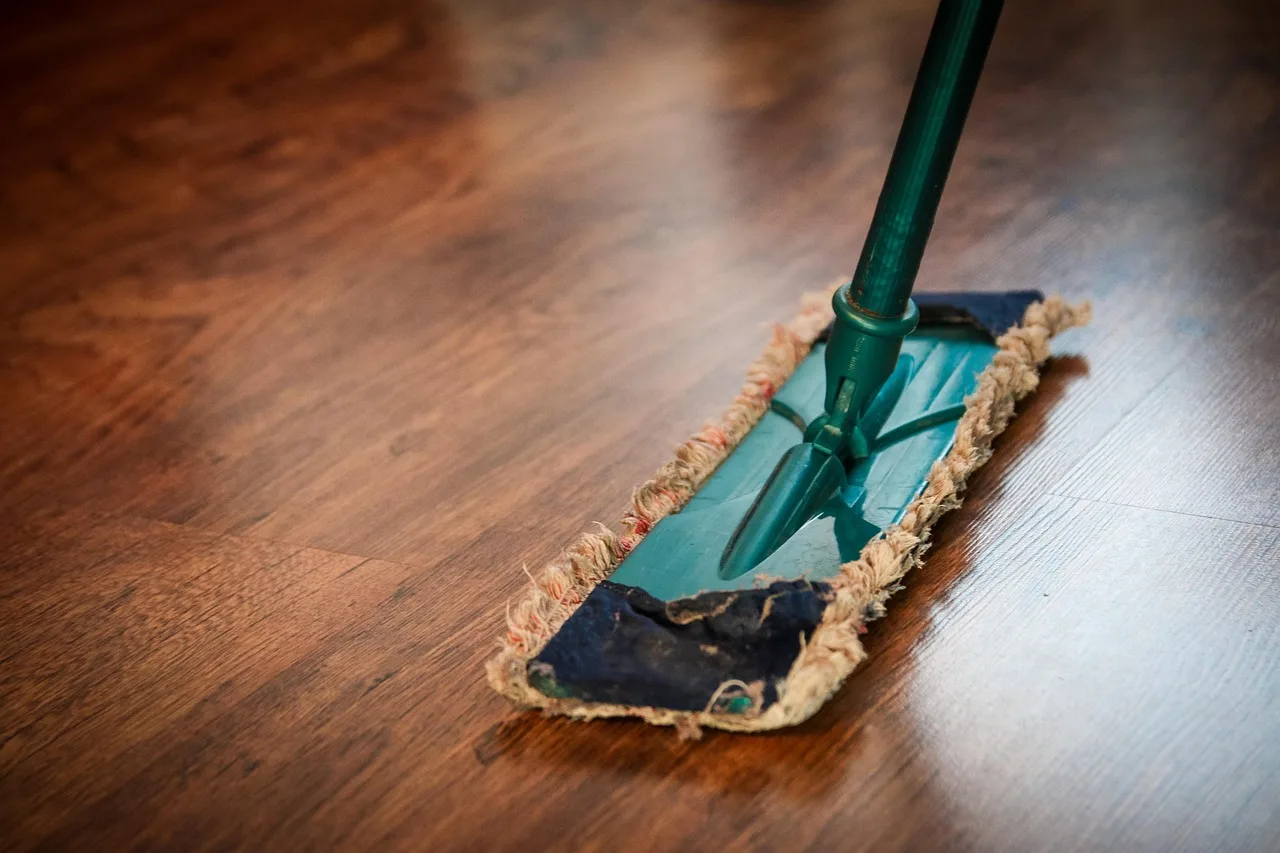
Use a microfiber mop that is barely damp, wrung until no water drips out, and clean in small sections so the floor never looks wet. Too much water can swell boards, dull the finish, and leave streaks or cup the wood. This guide shows how to prep, wring, mop, and dry hardwood floors without overwetting.
What you’ll need
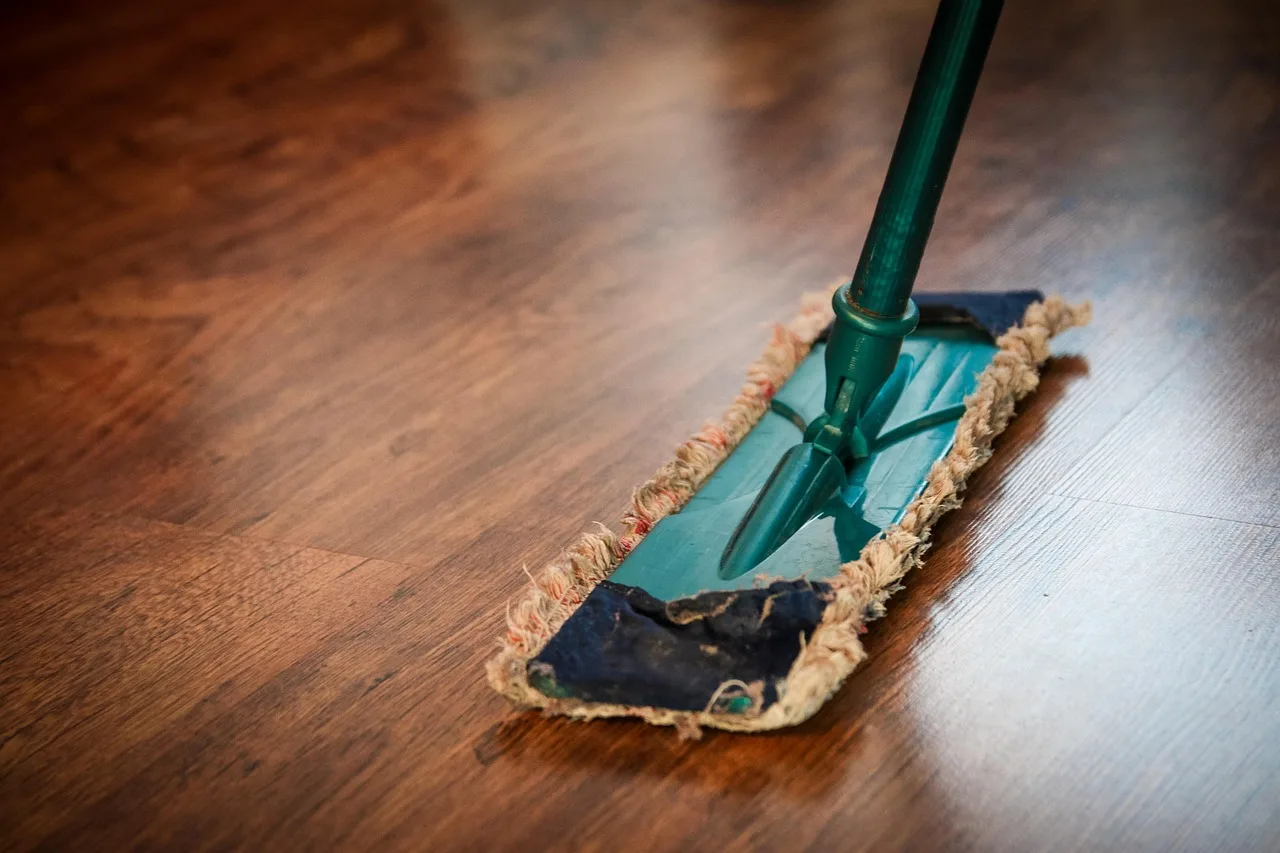


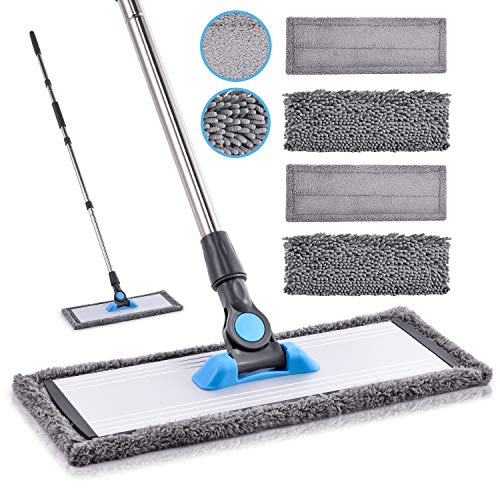
- Microfiber mop or spray mop for low-moisture cleaning and good dirt pickup.
- pH-neutral hardwood floor cleaner made for wood and finish-safe use.
- Microfiber dust mop, broom, or vacuum with hard-floor setting for pre-cleaning grit.
- Dry microfiber towel for post-mop drying.
- Spin mop and bucket if you want more wringing control than a standard bucket setup.
- Optional: a second dry microfiber pad for spots that need extra pickup.
Microfiber matters because it lifts fine dust without flooding the boards. A microfiber mop is especially useful on finished wood because it can be kept nearly dry, unlike a string mop. A vacuum with the brush roll off helps along corners and edges, and the hard-floor setting should stay gentle enough for finished wood.
Hardwood floors safely checklist
| Floor condition | Safe water level | Exact response |
|---|---|---|
| Sealed polyurethane floor | Lightly damp pad; no drips | Spray lightly or wring harder, then mop in short passes. |
| Worn finish at traffic lanes | Very light dampness only | Use smaller sections and less water; do not flood worn spots. |
| Small gaps between boards | Minimal moisture | Reduce moisture and dry sooner so water does not sit in seams. |
| Sticky residue after mopping | Too much cleaner on the surface | Stop, switch to a cleaner rinse, or dry wipe the area. |
| Visible water pooling | Unsafe | Dry immediately and stop mopping until the pad is only damp. |
That table gives the practical line: if you can see wetness sitting on the surface, the mop is too wet for hardwood. A sealed polyurethane floor tolerates more than older or unsealed wood, but none of them should stay visibly wet. The National Wood Flooring Association and manufacturer care guides both emphasize low-moisture cleaning and immediate drying for wood floors.
How damp should the mop be?
The pad should feel cool and damp, not saturated. When you squeeze it, water should not drip from the corners, and the floor should dry behind the mop within a short pass. If puddles form, you are past the safe range.
Wring again before each new section. For a spray mop, use the finest mist setting that loosens soil without leaving spray beads. For a spin mop, keep rotating until the pad is damp enough to clean but not wet enough to leave a trail.
A shiny track across about a 4-by-4-foot area can be a sign that the mop is too wet. That is the warning sign. Stop, wring the pad harder, and switch to a dry microfiber towel if the shine is still there after one pass.
Do not use: steam, vinegar, soaking mops, or excess cleaner. Steam adds heat and moisture, vinegar can dull some finishes, and overfilled mops leave water and residue on the surface. Finish-safe wood care is about controlled moisture, not scrubbing harder.
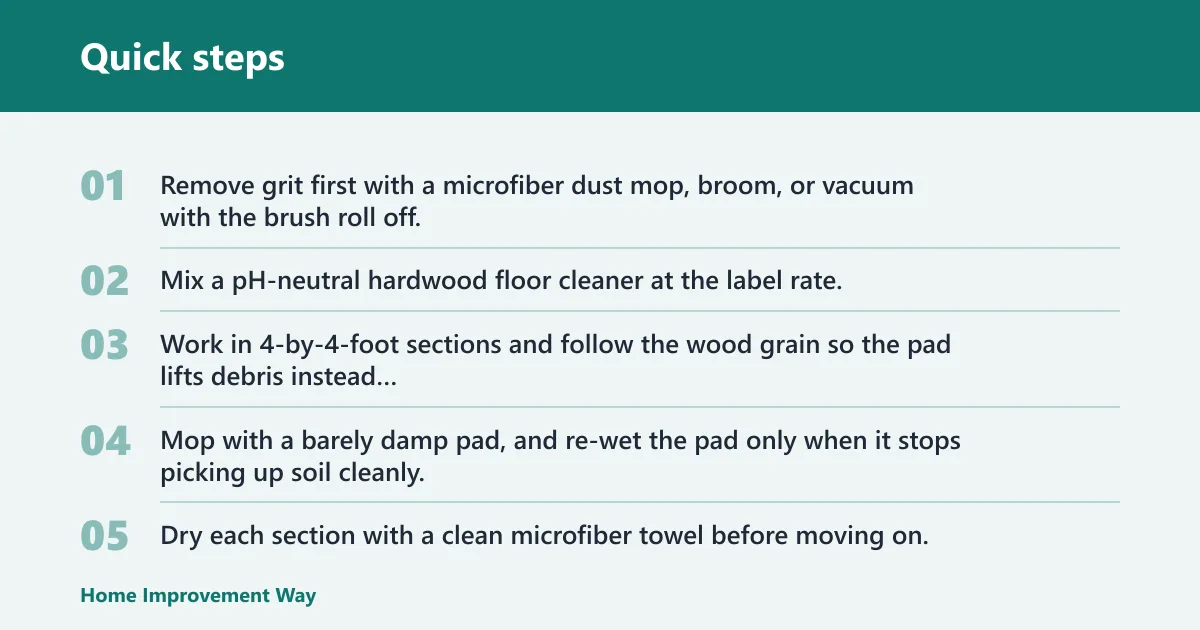
- Remove grit first with a microfiber dust mop, broom, or vacuum with the brush roll off.
- Mix a pH-neutral hardwood floor cleaner at the label rate; follow the manufacturer dilution exactly rather than guessing.
- Work in 4-by-4-foot sections and follow the wood grain so the pad lifts debris instead of pushing it into seams.
- Mop with a barely damp pad, and re-wet the pad only when it stops picking up soil cleanly.
- Dry each section with a clean microfiber towel before moving on.
Keep the bucket small and controlled. A compact bucket setup makes it easier to avoid overfilling the pad, which is the main cause of streaking and edge swelling. Manufacturer care guides for finished hardwood generally advise using only a lightly damp mop and drying after cleaning.
Suppose a hallway has a polyurethane finish and one high-traffic lane looks dull. Clean that lane in a narrow strip first, then dry it before you repeat the next strip. Smaller passes lower the chance of water slipping into seams or worn edges.
Which mop type gives you the most control?
A microfiber mop is the safest routine choice because it holds less water, traps dust well, and is easy to wash. A spray mop gives even finer control because the liquid comes out as mist instead of from a wet pad or bucketful of water. For hardwood, control matters more than cleaning power.
A spin mop and bucket works if you wring the head until it is only damp. The best choice is the one that keeps water use to a minimum and lets you dry the floor quickly. A microfiber flat mop, a controlled spray mop, or a well-wrung spin mop is usually better than a traditional string mop on wood.
A microfiber mop, spray mop, or spin mop is often easier to control than a regular string mop. That makes it a poor match for wood, especially in rooms with small gaps or older finishes. NWFA care guidance favors dry dusting first and lightly damp cleaning only when the floor finish allows it.
What cleaner is safe for sealed hardwood?
A pH-neutral hardwood floor cleaner made for wood is the safest default for sealed floors. It cleans without leaving the kind of residue that can make polyurethane look cloudy or streaky. Modern sealed floors are generally safe for damp mopping when the cleaner is finish-safe and used sparingly.
Polyurethane finish is the common modern seal that gives you more tolerance for careful damp cleaning than unsealed or older hardwood. Even then, the cleaner should stay gentle and non-acidic, and the floor should still be dried right away. Manufacturer care instructions for sealed wood floors commonly stress pH-neutral products, label-rate dilution, and low moisture.
Avoid vinegar, steam, and harsh soap. Steam adds heat and excess moisture, while vinegar can leave a dull look on some finishes. Wood-floor manufacturers and flooring associations typically advise against acidic or abrasive cleaners because they can shorten finish life or leave residue.
Common mistakes

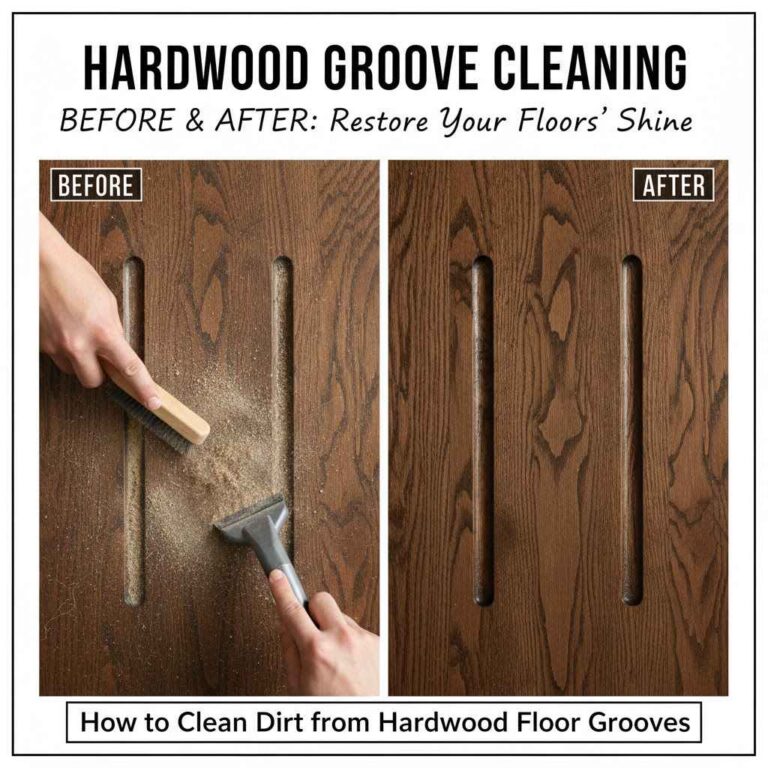
Starting with a floor full of grit is the fastest way to scratch the finish. Sand-like debris moves under the mop and can mark the surface, so pre-cleaning matters as much as the mop itself.
Using a mop that is too wet is another common failure. If the floor stays shiny or wet for more than a brief moment, wring harder and dry the area before continuing.
Mopping across the grain can leave streaks and miss debris sitting in the board lines. Work with the grain, then dry with a microfiber towel so moisture does not settle into seams.
Leaving cleaner residue behind often means the mix was too strong or the mop was not rinsed enough. If the floor still looks dull after mopping, switch to a fresh, lightly damp microfiber pad and wipe the section again.
Ignoring worn finish or older wood is risky. Unsealed or older hardwood needs minimal moisture, and if a section is already rough or thin on finish, treat it as a dry-cleaning zone first.
Decision table for finish type and floor condition
| Finish type | Warning signs | Exact moisture level | Next action |
|---|---|---|---|
| Sealed polyurethane | Light dullness, everyday soil | Lightly damp pad; no drips or pooling | Dust first, mop with a pH-neutral cleaner, then dry immediately. |
| Waxed floors | Streaking, smears, cloudy spots | Dry or nearly dry only | Use dry dusting and follow the floor-maker’s wax-care guidance; avoid wet mopping. |
| Oil-finished wood | Uneven sheen, dry-looking boards, visible wear | Very light moisture only, if the maker allows damp cleaning | Use the finish-specific cleaner and confirm the care guide before using any liquid. |
| Worn traffic lanes | Thin finish, dull path, exposed-looking edges | Minimal moisture only | Reduce water, clean in smaller sections, and dry right away. |
| Gaps between boards | Cracks, seasonal gaps, debris in seams | Minimal moisture only | Use a barely damp pad and avoid letting liquid sit in the gaps. |
| Cupping | Board edges higher than centers | Dry cleaning only until the cause is addressed | Stop wet cleaning and investigate moisture exposure before mopping again. |
| Sticky residue | Drag, film, tacky feel after cleaning | Too much cleaner or too much product left behind | Wipe with a clean damp pad, then dry; use less cleaner next time. |
Frequently asked questions
How do you mop hardwood floors without using too much water?
Use a microfiber mop or spray mop, keep the pad only damp, and clean in 4-by-4-foot sections. Wring the pad until it leaves no drips, then dry each section with a microfiber towel. If the floor looks wet, stop and wring again before continuing.
What is the safest way to mop hardwood floors?
Dust first, then mop with a pH-neutral hardwood cleaner on a microfiber pad. Follow the wood grain, keep the pad lightly damp, and dry the floor immediately after each section. That sequence limits grit damage and keeps moisture from sitting on the boards.
Can you use a regular mop on hardwood floors?
A regular string mop is usually a poor choice because it holds too much water and is harder to wring to a safe level. A microfiber mop, spray mop, or spin mop gives you better control and a lower risk of leaving water behind.
How damp should a mop be for hardwood floors?
The pad should be damp enough to lift soil but not wet enough to drip when squeezed. If it leaves a visible trail or glossy wet path, wring it harder. For hardwood, the goal is a surface that looks dry within a short pass.
Should you dry hardwood floors after mopping?
Yes. Drying with a clean microfiber towel removes leftover moisture from seams, edges, and low spots. That step matters most on worn floors or boards with small gaps, where water can linger longer and affect the finish.
What cleaner is safe for sealed hardwood floors?
A pH-neutral hardwood floor cleaner made for wood is the safest default. It is less likely to leave residue than soap-heavy mixes and is better suited to polyurethane-finished floors. Keep the dilution light and avoid anything acidic or steam-based.
Can you mop hardwood floors with vinegar or steam?
Do not use steam on hardwood, and avoid vinegar as a routine cleaner. Steam adds too much heat and moisture, while vinegar can be too harsh for some finishes. A wood-safe, pH-neutral cleaner is the better choice for damp mopping.
How do you prevent streaks and residue when mopping hardwood?
Use less cleaner, wring the pad harder, and work in smaller sections with the grain. If residue shows up, switch to a fresh damp pad and dry the area with a microfiber towel. Streaks usually mean the floor got too wet or the cleaner was overapplied.
Sponsored / affiliate links. As an Amazon Associate I earn from qualifying purchases. I may earn additional commission from eligible campaigns.