DIY Hardwood Floor Cleaner With Dawn (Right Ratio + Risks)
A safe DIY hardwood floor cleaner with Dawn is 1 gallon of warm water, 1/2 cup of white vinegar, and 1/4 teaspoon (a few drops) of Dawn dish soap — but only on sealed, finished floors, and only for occasional deep cleaning, not daily mopping.
Used too concentrated, too often, or on unfinished/waxed wood, dish soap can dull the polyurethane finish and leave a sticky residue that attracts more dirt. This guide covers the exact ratio to mix, when to skip Dawn entirely, and the safer commercial alternatives if your floors are unfinished or oil-waxed.
Quick Answer
Mix 1 gallon of warm water, 1/2 cup of white vinegar, and 1/4 teaspoon of Dawn dish soap. Mop with a well-wrung, barely-damp mop — never a soaking one — and use this solution occasionally, not as a daily cleaner. Skip Dawn entirely on unfinished, waxed, or oiled hardwood, where a pH-neutral wood floor cleaner is the safer choice.
The Lure Of Homemade Cleaners
Homemade cleaners appeal to homeowners for two concrete reasons: cost and ingredient control. A gallon of the Dawn-and-vinegar mix above costs a few cents per use, versus $6–$10 for a bottle of commercial hardwood cleaner — and you know exactly what’s touching your floor.
Cost-effective Solutions
Store-bought cleaning products can be expensive, especially when you consider the frequency at which they need to be purchased. Homemade cleaners can be made using simple, affordable ingredients that are often already in your kitchen — vinegar, baking soda, and dish soap like Dawn. See our full hardwood flooring care hub for more cleaning and maintenance guides.
When Homemade Makes Sense (And When It Doesn’t)
A homemade Dawn solution works best as an occasional deep-clean for sealed, finished hardwood — think once every 1–2 weeks, not a daily routine. For everyday dust mopping and for floors that are unfinished, waxed, or oil-treated, a purpose-made wood floor cleaner protects the finish better than any homemade mix.
Evaluating Dawn For Hardwood Floors
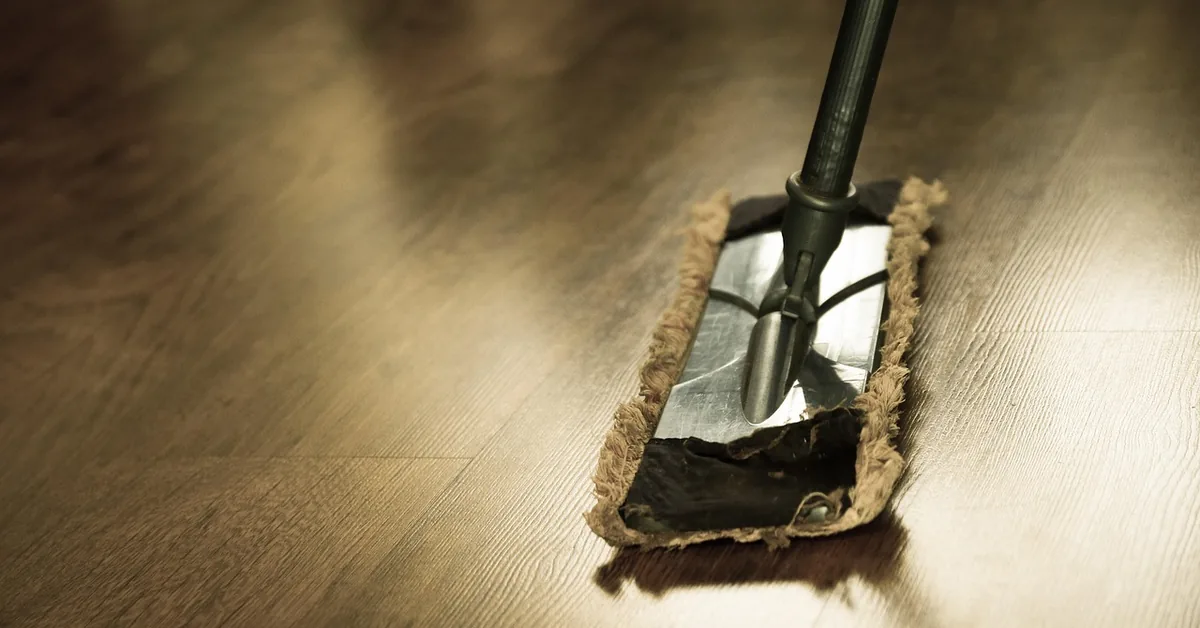
Dawn dish soap is not formulated for hardwood floors, and manufacturers of wood floor finish are clear about why: dish soap is alkaline, while most polyurethane and other hardwood finishes are designed to pair with pH-neutral or mildly acidic cleaners. Used properly diluted and occasionally, most sealed floors tolerate it. Used full-strength or daily, it strips the finish’s sheen and leaves a residue that turns slippery when the floor gets damp again.
Pros And Cons
- Pros: Cuts grease and grime effectively, costs pennies per use, and works well as an occasional deep-clean when properly diluted on a sealed floor.
- Cons: Not pH-balanced for wood finish. Overuse or full-strength application can dull the finish, leave a soapy film, and make the floor feel tacky underfoot.
Alternatives For Wood Surfaces
If your floors are unfinished, waxed, oiled, or you’d rather skip the DIY math altogether, several alternatives clean just as well without the finish risk:
- Vinegar and water alone: One cup of white vinegar per gallon of warm water, no soap. Gentler than the Dawn mix, still effective on light dirt.
- Lemon juice and olive oil: One cup of olive oil with one-half cup of lemon juice, applied with a cloth — cleans and polishes in one step, better suited to spot treatment than whole-floor mopping.
- Commercial pH-neutral cleaners: Products such as Bona Hardwood Floor Cleaner are formulated at pH 7 specifically to match polyurethane finish, and are the safer default for unfinished, waxed, or frequently-mopped floors.
📊 Dish soap is alkaline while most polyurethane wood finishes are formulated for pH-neutral (6–8) cleaners — the mismatch is what dulls finish and leaves residue over repeated use. — Source: National Wood Flooring Association, 2026
“A pH-balanced cleaner ensures that the wood finish is protected and won’t be stripped away by harsh or overly alkaline products.”
Essential Ingredients For DIY Cleaners
Three ingredients make up the entire recipe. Each has a specific job.
The Role Of Vinegar
White vinegar’s mild acid (about pH 2.5, diluted down to roughly pH 4–5 in the mixed solution) helps cut through dirt and grime and partially offsets the alkalinity of the dish soap. Undiluted vinegar is too acidic for finished wood over time, which is why the ratio matters.
Adding Dawn Dish Soap
Dawn dish soap cuts grease and food residue tracked in from the kitchen. Used in the small amount specified below — not a generous squirt — it adds cleaning power without leaving the floor tacky.
Crafting The Perfect Mixture
Getting the ratio right is the difference between a safe occasional cleaner and one that dulls your finish. Here is the exact, single recipe used throughout this guide — use this ratio only, not the stronger dish-soap mixes some sites recommend.
Proportions For Potency
- 1 gallon of warm water
- 1/2 cup of white vinegar
- 1/4 teaspoon (a few drops) of Dawn dish soap
Mix the ingredients together in a bucket, stirring gently so the soap doesn’t foam excessively, and you’re ready to go.
Heating: A Crucial Step?
Warm (not hot) water helps the vinegar and soap dissolve and cut grease slightly faster. Water above about 120°F is not necessary and can soften some finishes over repeated use — warm tap water is enough.
Best Hardwood Floor Cleaner Pick
Bona Hardwood Floor Cleaner Spray – $24.27
If your floor is unfinished, waxed, or you’d rather skip mixing the Dawn ratio yourself, this pH-7 spray is formulated for the exact finish-compatibility issue this guide covers — no rinsing required.
- Best for: unfinished, waxed, or frequently-mopped hardwood
- Why we picked it: pH-neutral formula matches polyurethane finish, unlike diluted dish soap
- Main drawback: costs more per use than the homemade recipe
Compare more hardwood floor cleaning options
 Option 1 Bona Sweep & Clean Mop – $19.97
|
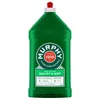 Option 2 Murphy’s Oil Soap Squirt & Mop – $9.35
|
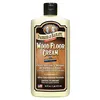 Option 3 Parker & Bailey Wood Floor Cream – $11.99
|
As an Amazon Associate we earn from qualifying purchases.
Application Techniques For Sparkling Floors
The right technique matters as much as the recipe. Too much liquid on the mop is the single most common mistake — it’s what causes streaking, warping, and gray staining, not the Dawn itself.
Tools For Effective Cleaning
- A soft-bristle broom or vacuum cleaner with a hardwood floor attachment: removes loose dirt and grit before wet cleaning, preventing scratches.
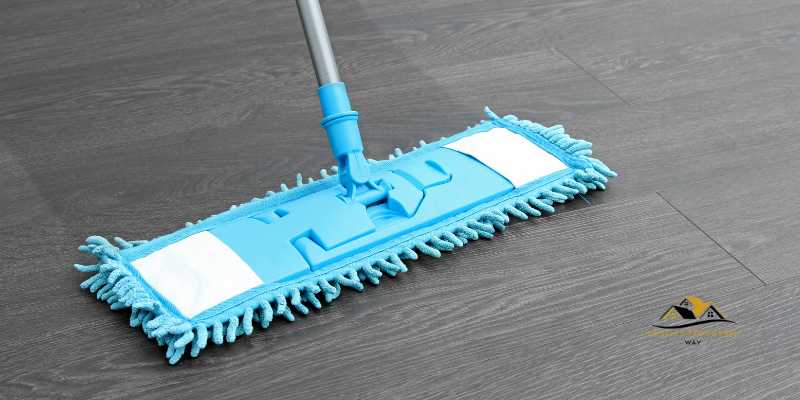
- A microfiber flat mop: holds less water than a string mop and captures dirt effectively.
- A bucket or spray bottle: for mixing and applying the solution.
- A clean, lint-free cloth: for drying the floor immediately after mopping.
The Right Way To Apply
Follow these steps for a streak-free, damage-free clean:
- Sweep or vacuum first: remove loose dirt and debris so it doesn’t scratch the floor during mopping.
- Mix the solution: combine 1 gallon warm water, 1/2 cup white vinegar, and 1/4 teaspoon Dawn dish soap in a bucket.
- Wring the mop nearly dry: dip the microfiber mop, then wring until it’s just damp — excess water is the main cause of wood damage, not the cleaner.
- Mop in the direction of the grain: work in small sections, starting from the far corner of the room.
- Spot-treat sticky areas: use a soft-bristle brush or clean cloth on stains, rather than soaking the whole area longer.
- Dry immediately: wipe the floor with a clean, lint-free cloth right after mopping to prevent water spots and residue buildup.
Test the solution on a small, inconspicuous area first to confirm it doesn’t affect your specific finish before mopping the whole room.
The Debate: To Rinse Or Not To Rinse
The Debate: To Rinse or Not to Rinse
Because Dawn is not pH-neutral, rinsing matters more with this recipe than it does with a purpose-made wood cleaner. Understanding the pros and cons of each approach helps you decide.
The Case For No-rinse Solutions
- No residue left behind
- Time-saving
- Less water consumption
A no-rinse pass works fine for light, infrequent cleaning where only a small amount of Dawn was used.
Situations Calling For Rinsing
- Heavy soiling that required more soap than usual
- Any visible film or residue after the floor dries
- Floors that will be walked on barefoot regularly (residue = slip risk)
When in doubt, go back over the floor with a mop dampened in plain water after the Dawn solution dries. This single extra pass is the easiest way to avoid the sticky-residue complaint that comes up most often with dish-soap cleaners — residue is also a common cause of the dull, hazy look covered in our guide on removing sticky residue from hardwood floors.
Maintenance And Regular Care
Proper maintenance keeps hardwood floors looking good between deep cleans — and reduces how often you need the Dawn solution at all.
Daily Cleaning Tips
- Sweep or vacuum daily to remove dirt and grit before it gets ground in.
- Use a microfiber mop with plain water for quick daily touch-ups — save the Dawn solution for deep cleans.
- Wipe up spills immediately to prevent water damage.
Deep Cleaning Schedules
| Frequency | Action |
|---|---|
| Every 1–2 weeks | Deep clean with the vinegar, water, and Dawn mixture (sealed floors only). |
| Every 3–6 months | Apply a wood floor polish to restore shine and protect the surface. |
| Yearly | Consider sanding and refinishing for heavily worn areas. |
Customizing Your Floor Cleaner
Once you’re comfortable with the base recipe, small tweaks can adjust it for scent or wood type — keep the water-to-vinegar-to-Dawn ratio the same, adjust only the extras.
Scented Additions
- Lavender: a few drops of lavender essential oil for a calming scent.
- Citrus: lemon or orange essential oil for a fresh scent.
- Eucalyptus: a few drops for a more invigorating scent.
Adjusting For Different Wood Types
For sensitive hardwoods like cherry or walnut: dilute further — use closer to 1/8 teaspoon of Dawn per gallon.
For softwoods such as pine or cedar: use a milder solution and mop with less liquid to prevent grain-raising.
For engineered wood: use less water overall to avoid swelling the plywood core beneath the veneer.
Safety And Precautions
Prioritize safety and take a few simple precautions to protect your floors and your household. If your floor already has visible dings, also see our guide on how to fill scratches in hardwood floor before deep cleaning — wiping a scratch with any liquid cleaner can drive dirt into the exposed wood.
Protecting Your Floors
- Sweep or vacuum before applying any cleaner to remove loose grit.
- Avoid excessive water — it can seep into seams and cause swelling or warping.
- Test the cleaner on a small, inconspicuous area first.
- Use a soft microfiber mop or cloth — abrasive materials can scratch the finish.
- Wipe up spills or excess moisture immediately.
Safe Usage Around Pets And Children
- Keep the DIY cleaner out of reach of children and pets.
- Ventilate the room while cleaning.
- Research pet safety before adding any essential oil — several common oils are toxic to cats and dogs.
- Keep pets and kids off the floor until it’s completely dry to prevent slipping.
Frequently Asked Questions
Is It Ok To Use Dawn On Hardwood Floors?
Yes, but only occasionally and well-diluted — 1/4 teaspoon per gallon of water — on sealed, finished hardwood. Dawn is not pH-neutral, so daily use or full-strength application can dull the finish and leave a sticky residue. Skip it entirely on unfinished, waxed, or oiled wood.
What Is The Best Homemade Cleaner For Hardwood Floors?
A homemade cleaner made from 1 gallon warm water, 1/2 cup white vinegar, and 1/4 teaspoon Dawn dish soap cleans effectively without causing damage, provided the floor is sealed and the mop is wrung nearly dry before use.
How Do You Make Homemade Wood Floor Cleaner With Dawn?
Mix 1 gallon of warm water with 1/2 cup of white vinegar and 1/4 teaspoon of Dawn dish soap. Dip a well-wrung microfiber mop in the solution and mop in the direction of the wood grain, then dry the floor with a clean cloth to prevent residue.
What Is The Best Thing To Clean Hardwood Floors With?
For daily cleaning, a dry or barely-damp microfiber mop is safest. For deep cleaning, either the diluted Dawn-and-vinegar recipe above (sealed floors only) or a pH-neutral commercial wood floor cleaner both work well — avoid harsh chemicals, ammonia, or steam mops on hardwood.
Can Using Dawn Void A Hardwood Floor Warranty?
It can. Some hardwood flooring manufacturers specify pH-neutral cleaners in their care instructions, and using an off-label product like dish soap can technically void a finish warranty if damage is later disputed. Check your flooring manufacturer’s care guide before using any DIY solution on a newly installed floor.
Conclusion
Dawn dish soap can clean hardwood floors safely — but only in the diluted 1 gallon water / 1/2 cup vinegar / 1/4 teaspoon Dawn ratio, used occasionally on sealed, finished wood. For unfinished, waxed, or oiled floors, or for daily mopping, a pH-neutral commercial cleaner protects the finish better and avoids the sticky-residue problem dish soap can cause over time.
Sponsored / affiliate links. As an Amazon Associate I earn from qualifying purchases. I may earn additional commission from eligible campaigns.