How Much Space To Leave Between Plants And A Heating Unit
It’s a common thought: placing a bit of greenery near a warm spot. Maybe a small flowering plant on a bookshelf, or some herbs by the kitchen vent. But when it comes to heating units, this simple idea can get complicated fast.
Understanding the right amount of space is key. It keeps your home safe and your plants happy. Let’s walk through why this matters.
It’s important to keep a safe distance between plants and heating units. This prevents fires and protects plants from heat damage. Follow guidelines for space, ventilation, and airflow. Proper placement ensures both safety and plant well-being.
What is a Heating Unit and Why Space Matters
A heating unit is any device that warms your home. This could be a furnace, a radiator, a space heater, or even a heat pump’s outdoor component. These systems work by creating heat.
Some do this through burning fuel. Others use electricity. The heat they produce can be intense.
Leaving enough space around these units is not just a suggestion. It’s a safety rule. Think of it like keeping flammable items away from a campfire.
Hot surfaces can ignite nearby materials. Plants, especially their dry leaves or stems, can be flammable. They can catch fire easily.
Beyond fire risk, direct heat can harm plants. It can dry them out very quickly. It can scorch their leaves.
It can even kill the whole plant. So, space is for fire safety and for plant survival. Both are very important.
My Own Close Call with a Space Heater
I remember one chilly evening a few years back. I had a new, small space heater. I wanted to warm up my little home office.
I set it on the floor near a small potted fern I had on a low stool. It seemed like a good idea at the time. The warmth would be nice, right?
I worked for about an hour. Then, I smelled something odd. It wasn’t smoke, exactly.
It was more like a faint, burnt-leaf smell. I looked over at the fern. Its fronds, the ones closest to the heater, were turning brown and crispy.
They looked like they had been near a flame.
My heart sank. I quickly moved the heater. I also moved the fern away from the heat.
I felt so silly for not thinking about it more. It was a reminder that even “safe” heaters can cause damage if placed too close. Thankfully, it was just a plant that got hurt.
It could have been much worse.
Space Heater Safety Basics
What to do: Always read the heater’s manual. It has specific distance rules. Keep heaters on a flat surface.
Never leave them on when you sleep. Keep them away from curtains, bedding, and furniture. Also, keep them away from plants!
Understanding Different Heating Units and Their Needs
Not all heating units are the same. They all produce heat, but how they do it varies. This affects how much space they need.
Furnaces and Central Heating Systems
Furnaces are usually in basements or attics. They connect to ducts that push warm air through your house. The furnace itself is a large, enclosed unit.
You don’t usually put plants right next to the furnace itself. The main concern here is the airflow. Keep plants out of the direct path of the warm air vents.
The warm air coming out of vents can be very dry. It can also be quite warm. Plants placed too close to a vent can dry out fast.
Their leaves might get brown edges. This is especially true for plants that like humidity. Think about plants like ferns or calatheas.
What this means: Place plants at least a few feet away from heating vents. This gives the warm air time to mix with room air. It also prevents direct blasts of dry, hot air onto your plant’s leaves.
Ventilation Guidelines
- Airflow: Ensure heating units have clear space around them for air to move.
- Obstructions: Do not block vents with furniture or plants.
- Distance: Plants should be several feet from heating vents.
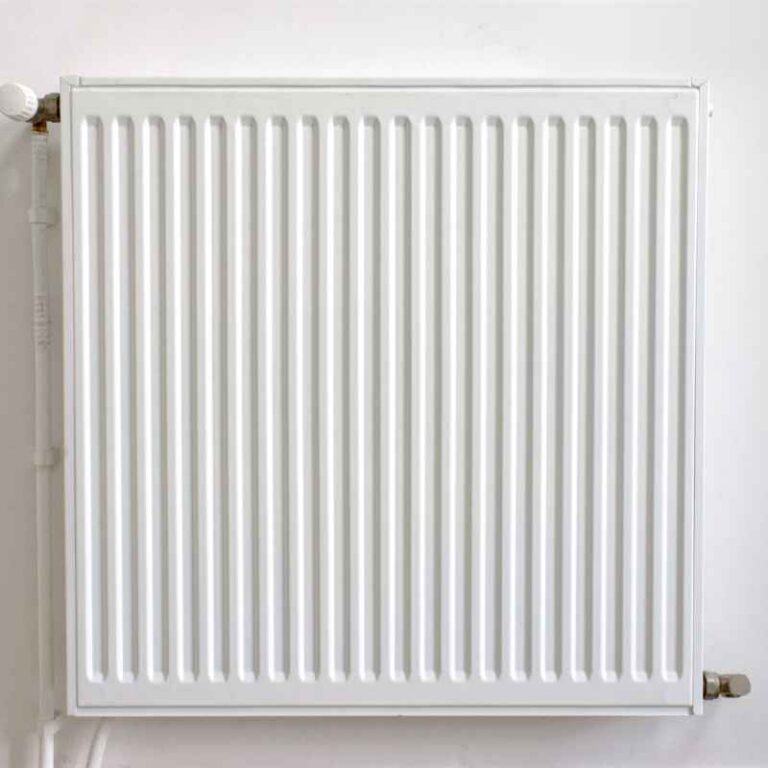
Radiators
Radiators are old-school heaters. They get very hot. They heat up by circulating hot water or steam inside them.
The metal surface of a radiator can be extremely hot to the touch. This is a big fire risk for anything placed too close.
The heat from a radiator rises. It can also dry out the air around it. Plants placed directly on top of or right next to a radiator will suffer.
Their leaves will get scorched. The soil will dry out in minutes.
How much space? For older radiators, a safe distance is at least 12 to 18 inches. This gives the heat time to dissipate. It also stops leaves from touching the hot surface.
Some modern radiators are less intense, but it’s best to err on the side of caution.
Radiator Heat vs. Plant Health
- Surface Temp: Radiators get very hot.
- Drying Effect: They dry out surrounding air and soil.
- Leaf Scorching: Direct contact burns plant leaves.
- Safe Zone: Keep plants 12-18 inches away.
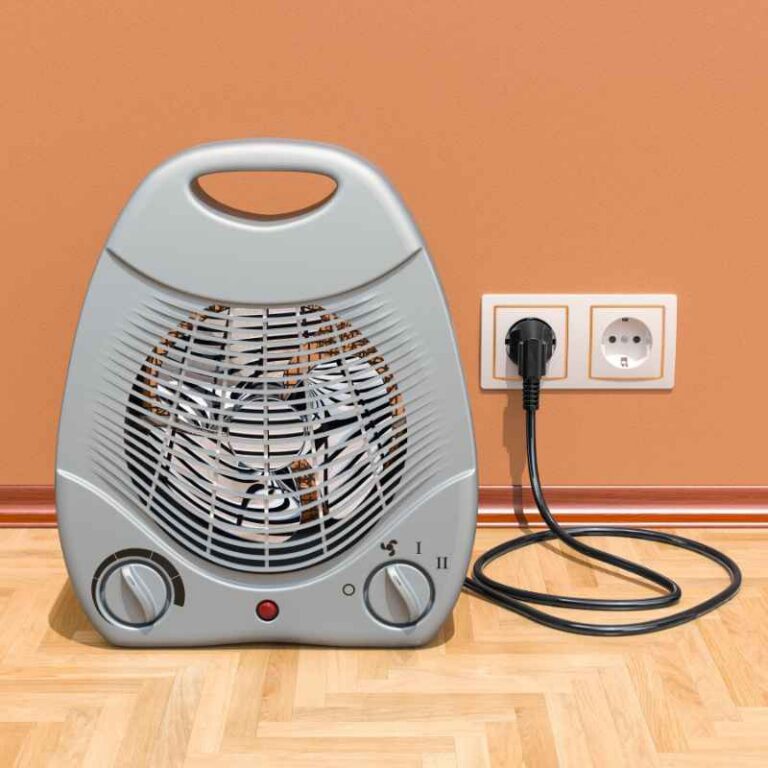
Space Heaters (Portable Heaters)
These are the ones people often use to heat a small room. They come in many types. Some have glowing red coils.
Others use ceramic plates. Some blow hot air. No matter the type, they get hot.
They are designed to heat a concentrated area.
The biggest danger with space heaters is fire. The U.S. Fire Administration says space heaters cause thousands of home fires each year.
Most of these fires happen because the heater was too close to something flammable. Plants are definitely flammable.
Minimum distance: A general rule for most portable space heaters is 3 feet (about 1 meter). This 3-foot rule applies to everything: walls, furniture, curtains, and yes, plants. Some newer models might say 2 feet, but 3 feet is a safer bet.
Always check the manufacturer’s instructions.
Space Heater Rules of Thumb
What NOT to do: Never place a space heater near flammable items. This includes paper, cloth, and plants. Do not use extension cords.
Do not cover the heater. Always keep them on the floor.
Heat Pumps (Outdoor Units)
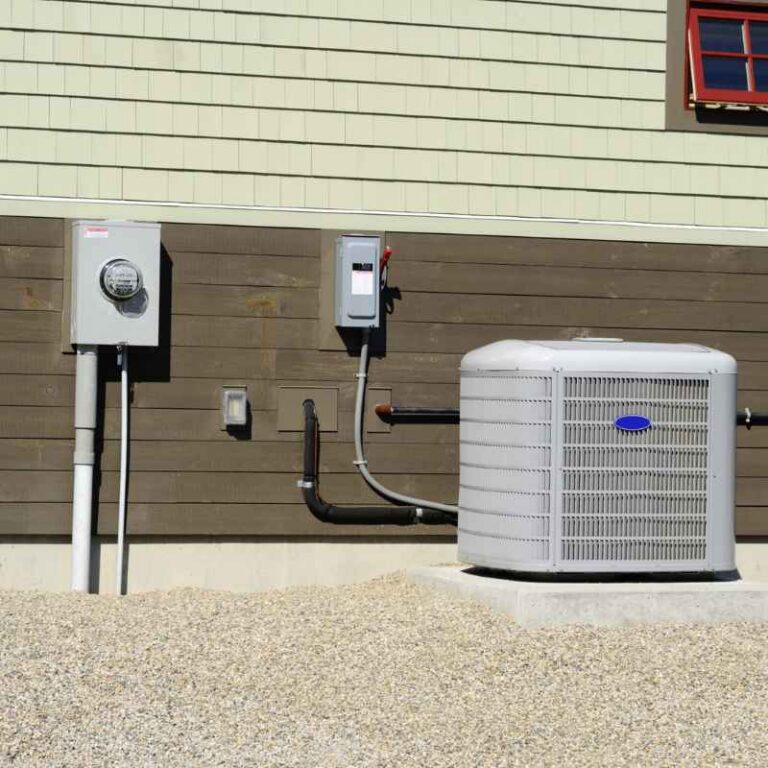
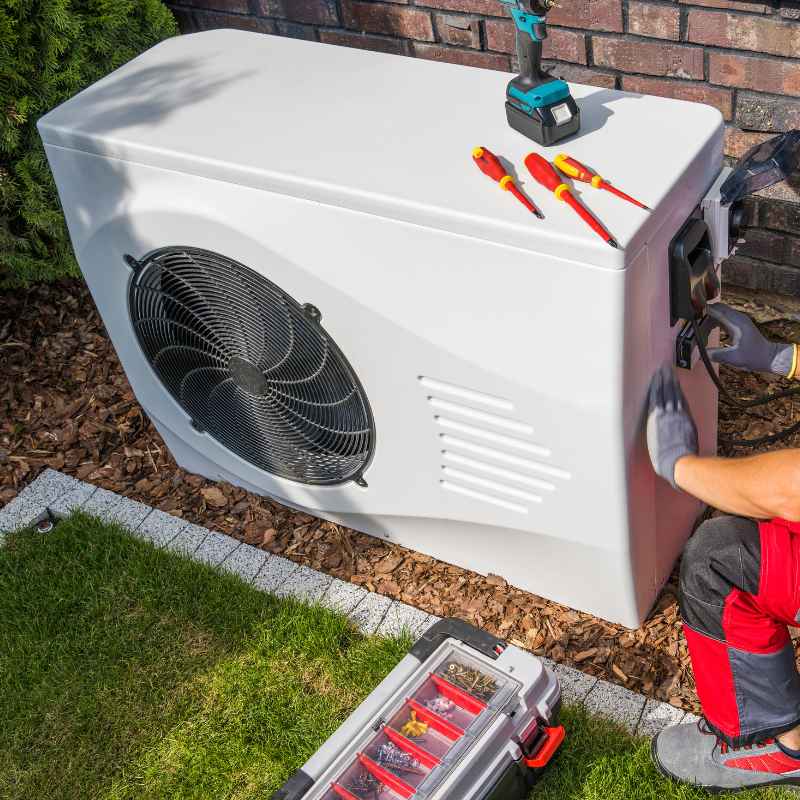
If you have a heat pump, there’s an outdoor unit. This unit can get warm when it’s heating your home. It’s generally less of a direct fire hazard than an indoor unit.
However, plants placed too close can still suffer.
The unit might vent warm air. It can also drip condensation. Plants can get too much of this.
They can be stressed by constant warmth or wetness. Also, some units have fans that spin. You don’t want plants to interfere with the fan’s movement.
Best practice: Leave at least 2 feet of clear space around the outdoor unit. This ensures good airflow. It also prevents plants from getting overly damp or stressed by constant heat.
Check your specific unit’s manual for recommended clearances.
Factors Affecting the Required Space
Several things can change how much space your plants need from a heat source.
Plant Type and Condition
Some plants are naturally tougher. Others are very delicate. Succulents and cacti can handle drier conditions.
They might tolerate being a little closer. But even they can get their leaves scorched if too near direct heat.
Leafy plants with thin leaves are more at risk. Ferns, Calatheas, and plants with large, soft leaves tend to be more sensitive. They dry out much faster.
They are more prone to leaf burn.
A healthy plant can often recover from minor heat stress. A plant that is already weak, stressed from lack of water, or recently repotted is more vulnerable. It’s best to give these plants even more space.
They need a stable environment to recover.
Plant Vulnerability Chart
| Plant Type | Heat Tolerance | Space Needed |
|---|---|---|
| Succulents/Cacti | Moderate | 1-2 feet |
| Herbs (hardy) | Moderate | 2-3 feet |
| Leafy Tropicals (e.g., Ferns) | Low | 3-4 feet |
| Flowering Plants | Moderate to Low | 2-3 feet |
Humidity Levels
If your home is naturally humid, plants might be a bit more forgiving. The air won’t dry out as quickly. However, heat can still cause direct damage.
It can dehydrate leaves very fast, even in humid air.
In dry climates, or during winter when heating systems run a lot, the air is very dry. Plants need even more protection. They will lose water through their leaves much faster.
This makes them very susceptible to heat.
If you’re using a humidifier for your plants, that’s great. But it doesn’t
Room Size and Ventilation
In a large, well-ventilated room, heat can spread out more. It might be less intense in any one spot. A small, enclosed room with a powerful heater can become a mini-oven.
This is where spacing is extremely important.
If a room has poor ventilation, heat can build up. This is especially true near windows or vents. If you have a heating unit that blows air, ensure that air can circulate freely.
Plants should not be in the path of this direct airflow.
Key takeaway: Always ensure good airflow around your heating units. This helps the system work better. It also makes the environment safer for everything in the room, including your plants.
Airflow Matters Most
Why: Good airflow means heat is spread out. It prevents hot spots. It helps your heater work efficiently.
It reduces fire risk. It keeps plants from drying out too fast.
General Spacing Guidelines: The Safe Zone
It’s hard to give one single number that fits all. But we can offer some solid guidelines. These are based on safety and plant health.
For Most Indoor Heating Units
Consider these general rules of thumb:
- Radiators: 12 to 18 inches (30-45 cm)
- Portable Space Heaters: 3 feet (about 1 meter)
- Furnace Vents (Direct Airflow): 3 to 5 feet (about 1-1.5 meters)
- Baseboard Heaters: 6 to 12 inches (15-30 cm) for the unit itself, but avoid placing plants directly in front where heat blows.
These are starting points. Always check the manual for your specific heating unit. It will have the manufacturer’s safety recommendations.
Quick Reference Spacing Chart
Heating Unit Type | Minimum Safe Distance
Radiator | 12-18 inches
Space Heater | 3 feet
Furnace Vent | 3-5 feet
What “Space” Really Means
When we say “space,” we mean clear, unobstructed space. No part of the plant should be able to touch the heating unit. No leaves should be able to brush against it.
If the plant is in a pot, the pot itself should be at a safe distance. The plant’s full spread, including leaves, should be well clear of the heat source.
Think about how plants might grow or lean. A small plant might grow into a larger one. Or a plant might droop or lean towards a light source, potentially getting closer to the heater.
Observational Flow: Plant Placement Check
Step 1: Identify your heating units. Note their type and location.
Step 2: Measure the recommended safe distance for each unit.
Step 3: Look at your plants. Where are they now?
Step 4: Measure the distance from each plant to the nearest heating unit.
Step 5: If any plant is too close, move it immediately.
When to Worry: Red Flags for Plant Placement
How do you know if your plant is too close? Look for these signs:
- Brown Leaf Edges: This is a classic sign of dehydration. Heat dries out the plant tissue.
- Crispy or Wilting Leaves: If leaves look dried out, brittle, or are drooping more than usual, they might be suffering from heat stress.
- Scorched Spots: Small, brown, or black spots on leaves can indicate they’ve been too close to a hot surface.
- Soil Dries Out Too Fast: If you have to water your plant much more often than usual, the heat source might be to blame.
- Unusual Odors: A faint smell of burning leaves or plastic could mean something is getting too hot.
If you see any of these signs, move the plant right away. Give it a good drink of water. It might recover.
But it’s a clear signal that the placement was unsafe.
Quick Tips for Keeping Plants Safe and Healthy Near Heat
Here are some simple ways to protect your green friends:
- Prioritize Safety: Always put fire safety first. Ensure heating units have plenty of clear space.
- Read the Manual: Your heating unit’s manual is the best guide for safe distances.
- Observe Your Plants: Get to know your plants. Watch for any signs of stress.
- Strategic Placement: Place plants away from heat sources. Use them to decorate areas that are naturally cooler.
- Consider Plant Stands: A tall plant stand can lift a plant higher, moving it away from floor-level heat.
- Group Plants Together: Plants can create their own microclimate. Grouping them in a cooler spot can help maintain humidity.
- Use Trays with Water: Placing plant pots on a tray filled with pebbles and water can add humidity. Make sure the pot isn’t sitting directly in the water. This works best in cooler spots, not directly next to heat.
Plant Placement Checklist
Question: Is the plant at least 3 feet from any portable heater?
Question: Are plant leaves more than 1 foot from a radiator?
Question: Is there clear airflow around heating vents?
Question: Are there any signs of heat stress on the leaves?
Frequently Asked Questions About Plants and Heating Units
Can I put a plant on top of a radiator?
No, you absolutely should not put a plant on top of a radiator. Radiators get extremely hot and can easily scorch the plant’s leaves, dry out its soil very quickly, and even pose a fire hazard. Always keep plants a safe distance away, typically 12 to 18 inches.
How close can plants be to a heating vent?
Plants should be at least 3 to 5 feet away from direct heating vents. The warm, dry air blown from vents can quickly dehydrate plants, causing brown leaf tips and wilting. Allowing space lets the air mix with room air before reaching the plant.
What if I have a very small space? Where can I put plants?
If space is tight, prioritize cooler spots in the room. Look for areas away from direct airflow from heaters, vents, or radiators. You might need to use hanging plants or place them on shelves further away.
Sometimes, it’s better to have fewer plants than to risk damaging them or creating a fire hazard.
My space heater manual says 2 feet. Can I put a plant 2 feet away?
While the manual might state 2 feet, it’s usually a minimum safety guideline for flammable materials. Plants, especially leafy ones, can be more sensitive to drying and scorching. For peace of mind and better plant health, we recommend erring on the side of caution and aiming for 3 feet if possible, especially for more delicate plants.
Does the type of pot matter for plants near heat?
Yes, the pot can matter. Terracotta pots dry out faster than plastic or glazed ceramic pots. If a plant is near a heat source, a pot that dries out slowly might be slightly more forgiving.
However, even the best pot won’t protect a plant if it’s too close to direct heat.
Are some plants naturally more heat-resistant?
Yes, some plants are. Succulents, cacti, and many drought-tolerant plants have adapted to drier conditions and can withstand some heat better. However, none are completely immune to damage from direct heat or extreme dryness caused by heating units.
Always provide adequate spacing for any plant.
Final Thoughts on Greenery and Warmth
Adding plants to your home makes it feel more alive. They bring color and fresh air. But when heat sources are involved, a little caution goes a long way.
Always remember safety first. Then, think about your plant’s needs. A few feet of space can make all the difference.
It keeps your home safe and your plants thriving.
Sponsored / affiliate links. As an Amazon Associate I earn from qualifying purchases. I may earn additional commission from eligible campaigns.