How Much Space Can a 100,000 BTU Heater Service?
How much space a 100,000 BTU heater can service is a crucial question for anyone looking to effectively and efficiently heat a larger area. Choosing the right heater size prevents both underheating, leaving spaces cold and uncomfortable, and overheating, wasting energy and money. This guide will break down the factors influencing heater coverage and provide clear guidance on what a 100,000 BTU unit can realistically achieve.
In short, a 100,000 BTU heater can typically service between 1,500 to 2,500 square feet, but this range can significantly vary based on insulation levels, ceiling height, climate, and desired temperature rise. For optimal performance and efficiency, it’s essential to consider these environmental factors in your calculation.
Key Takeaways
- A 100,000 BTU heater is generally suitable for spaces ranging from 1,500 to 2,500 square feet.
- Critical factors like insulation quality, ceiling height, and climate drastically affect a heater’s effective coverage area.
- Understanding the required temperature rise for your space is key to determining the appropriate heater size.
- Proper ventilation and safety measures are paramount when operating any heating unit of this capacity.
- For precise sizing, consulting a heating professional or using a BTU calculator is highly recommended.
What is BTU and Why It Matters for Heating
BTU stands for British Thermal Unit, and it’s the standard measurement for heating and cooling power. One BTU is defined as the amount of heat required to raise the temperature of one pound of water by one degree Fahrenheit. When we talk about heaters, the BTU rating tells us the maximum amount of heat energy the unit can produce per hour.
The higher the BTU rating, the more heat a unit can generate. This is why larger spaces or those with greater heat loss requirements need heaters with higher BTU outputs. Simply put, a 100,000 BTU heater can deliver 100,000 units of heat energy every hour it operates, making it a powerful unit designed for substantial heating tasks.
For any heating system, understanding the BTU is fundamental. It directly correlates to the unit’s capacity to counteract heat loss from a building and raise the indoor temperature to a comfortable level. Overestimating can lead to inefficiency, while underestimating will result in a space that never feels warm enough, regardless of how long the heater runs.
Factors Influencing Heater Coverage Area
The square footage alone is not the sole determinant of a heater’s effective coverage. Several other environmental and structural factors play a significant role in how well a 100,000 BTU heater can warm a space. These elements dictate the rate at which heat escapes the building, thus influencing the required heating output.
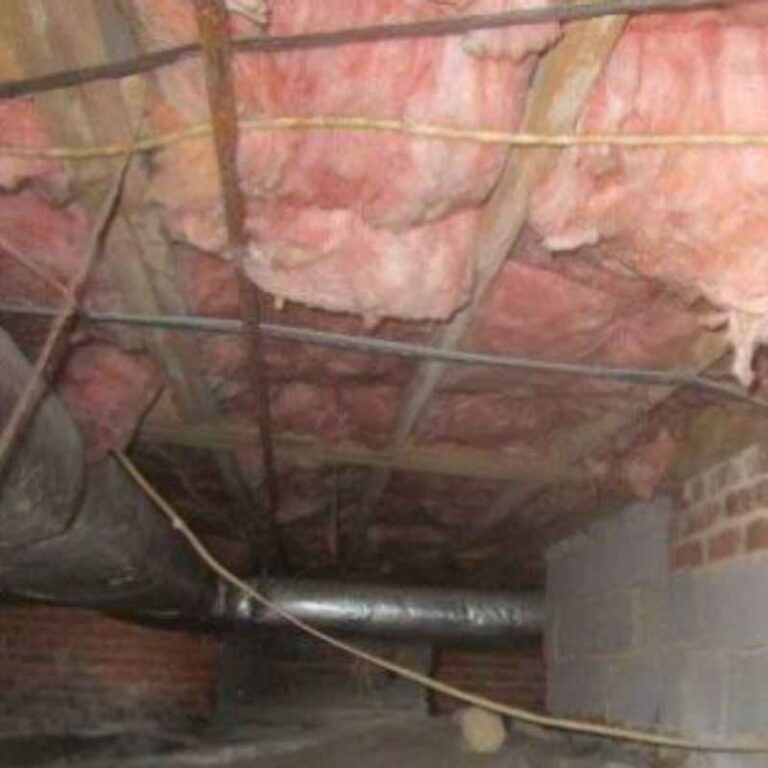
Poor insulation is a primary culprit for heat loss. Walls, attics, and windows that are not well-insulated allow warm air to escape quickly and cold air to penetrate easily. Drafty windows and doors, gaps in siding, or unsealed attic spaces can dramatically increase the heating load, reducing the effective area a 100,000 BTU heater can manage.
- Insulation Quality: A well-insulated building retains heat much more effectively, allowing a heater to cover a larger area.
- Ceiling Height: Standard room heights are around 8 feet. Higher ceilings mean a larger volume of air to heat, potentially reducing the effective square footage coverage.
- Window and Door Efficiency: Older, single-pane windows and poorly sealed doors contribute significantly to heat loss.
- Climate Zone: Colder climates require more robust heating solutions as the temperature difference between indoors and outdoors is greater.
- Air Leakage: Gaps and cracks in the building envelope allow conditioned air to escape and unconditioned air to enter.
- Building Material: Different construction materials have varying thermal resistance properties.
Calculating Your Space’s Heating Needs
To get a precise idea of how much space a 100,000 BTU heater can service, you need to perform a heating load calculation. This involves assessing the factors mentioned above and determining the total heat loss from your building. Several online BTU calculators can assist with this, but a professional assessment is often the most accurate.
The basic principle is to determine the temperature rise required. For example, if your average winter outdoor temperature is 30°F and you want to maintain an indoor temperature of 70°F, you need a 40°F temperature rise. This rise, combined with the square footage and other factors, helps estimate the necessary BTU output.
A common rule of thumb for well-insulated homes in moderate climates is roughly 20-30 BTU per square foot. For less insulated or colder regions, this can increase to 40-50 BTU per square foot or more. For a 100,000 BTU heater, this translates to:
- Lower end (well-insulated, moderate climate): 100,000 BTU / 30 BTU/sq ft ≈ 3,333 sq ft
- Higher end (less insulated, colder climate): 100,000 BTU / 50 BTU/sq ft ≈ 2,000 sq ft
However, these are simplified estimates. A more accurate calculation considers specific heat loss through walls, windows, roof, and floor, as well as air infiltration rates.
Understanding the Role of Insulation
Insulation is arguably the most critical factor in determining how effectively a heater can service an area. High-quality insulation acts as a barrier, slowing down the transfer of heat from the warm interior to the cold exterior. Without adequate insulation, a powerful 100,000 BTU heater might struggle to maintain a comfortable temperature even in a relatively small space.
Consider a large garage or workshop. If it’s uninsulated, a 100,000 BTU heater might only be sufficient for a few hundred square feet. However, if that same garage is properly insulated, the same heater could potentially warm a much larger footprint, perhaps up to 2,000 square feet or more, depending on the climate and other variables.
When assessing a space for heating, always consider the type and R-value of the insulation present. The R-value measures thermal resistance; the higher the R-value, the better the insulation. Modern building codes often specify minimum R-values for attics, walls, and floors to ensure energy efficiency.
Specific Applications for 100,000 BTU Heaters
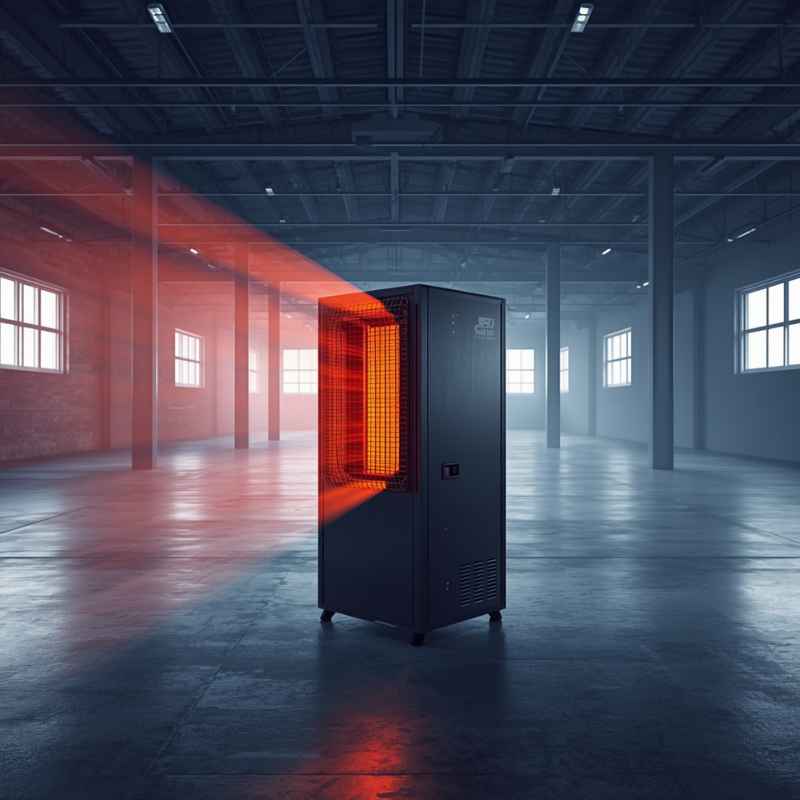
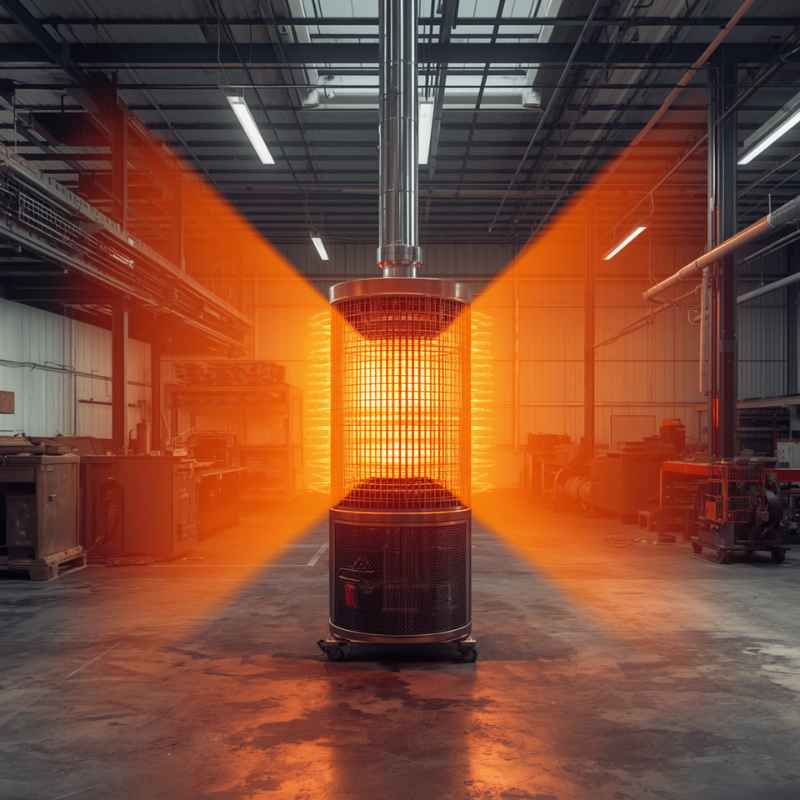
A 100,000 BTU heater is a robust unit typically employed for heating large, open spaces where central heating systems might be impractical or insufficient. These applications often include workshops, garages, unfinished basements, warehouses, construction sites, and large event tents.
In these scenarios, the primary goal is often to achieve a baseline level of warmth rather than a precisely controlled temperature. For instance, on a construction site, the heater might be used to prevent materials from freezing or to make the work environment tolerable during colder months. In a large garage, it ensures that mechanical work can continue comfortably year-round.
Here’s a look at typical coverage for specific applications, keeping in mind the variability:
| Application Type | Typical Square Footage Range (100,000 BTU) | Key Considerations |
|---|---|---|
| Uninsulated Garage/Workshop | 500 – 1,000 sq ft | High heat loss, focus on comfort zone around workspace. |
| Insulated Garage/Workshop | 1,500 – 2,500 sq ft | Good insulation is key; still affected by climate. |
| Warehouse/Large Storage Space | 1,000 – 2,000 sq ft | Often high ceilings; focus on lower areas and air circulation. |
| Construction Site/Temporary Shelter | 1,000 – 2,000 sq ft | Temporary heating needs; prioritize safety and ventilation. |
| Large Basement (unfinished) | 1,200 – 1,800 sq ft | Basements can be cooler due to being below ground. |
This table provides general estimates. Actual performance will depend on the specific conditions of the space being heated.
Ventilation and Safety Considerations
Operating a 100,000 BTU heater, especially a fuel-burning one like kerosene or propane, requires strict adherence to safety guidelines, particularly regarding ventilation. These heaters consume oxygen and produce byproducts, including carbon monoxide, which can be dangerous in enclosed, unventilated spaces.
Always ensure adequate fresh air intake. For temporary heating in spaces like construction sites or large workshops, this typically means keeping doors or windows slightly ajar. For more permanent installations, consulting local building codes for proper ventilation requirements is essential.
Carbon monoxide detectors should always be installed and functioning in any space where fuel-burning heaters are used.
Furthermore, never place flammable materials near the heater. Maintain clearance as specified by the manufacturer. For portable units, ensure they are placed on a stable, level surface and are not likely to be tipped over.
Always follow the manufacturer’s instructions for operation, maintenance, and fueling.
Warning: Never use a fuel-burning portable heater indoors without proper ventilation. Carbon monoxide poisoning is a serious risk and can be fatal. Always have a working CO detector nearby.
Comparing Portable vs. Permanent Installations
When considering a 100,000 BTU heating solution, you’ll often encounter two main types: portable and permanent. Each has its advantages and is suited for different scenarios. Understanding these differences is key to making the right choice for your space.
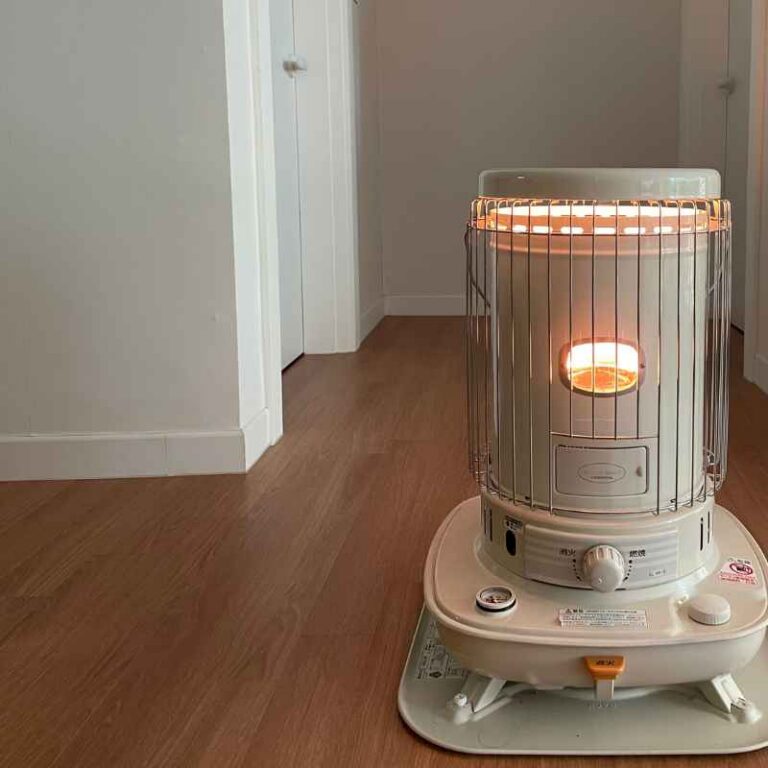
Portable heaters, often called space heaters or torpedo heaters (for forced-air models), are designed for temporary or supplemental heating. They are usually fueled by propane, kerosene, or natural gas. Their mobility allows them to be easily moved from one area to another, making them ideal for construction sites, workshops that aren’t in constant use, or large garages.
Permanent installations, such as a dedicated furnace or boiler system, are integrated into the building’s infrastructure. While a full furnace might not have a 100,000 BTU rating for a single room, central systems can distribute this total output across multiple zones. These are generally more efficient for continuously occupied spaces and provide a more consistent heat distribution.
| Feature | Portable Heater (e.g., 100,000 BTU) | Permanent Installation (e.g., Central System) |
|---|---|---|
| Initial Cost | Lower (e.g., $200 – $600) | Higher (e.g., $3,000 – $10,000+) |
| Installation Complexity | Low; plug-and-play or minor setup | High; requires professional installation, ductwork, venting. |
| Portability | High; easily moved | None |
| Heating Area | Specific zones, can heat large open areas effectively | Whole building, can be zoned for efficiency |
| Fuel Source | Propane, kerosene, natural gas, electricity (less common for this BTU) | Natural gas, propane, oil, electricity |
| Ventilation Needs | Crucial; requires significant airflow | Requires integrated venting system |
| Best Use Case | Temporary heat, large workshops, garages, construction. | Primary heating for homes, offices, and continuously occupied buildings. |
Choosing between portable and permanent depends entirely on your specific needs, budget, and the nature of the space being heated.
When to Call a Professional
While online calculators and general guidelines can provide a starting point, there are situations where consulting a heating professional is highly recommended. This is especially true for permanent installations or complex spaces with unique heating challenges.
A qualified HVAC technician can perform a detailed heat loss calculation (Manual J calculation) that accounts for all structural elements, local climate data, and occupant comfort preferences. They can also advise on the most energy-efficient and cost-effective heating solutions available for your specific needs, ensuring you don’t over or under-buy.
Important: For any permanent heating system installation, ensure you comply with local building codes and permit requirements. Professional installation guarantees safety and efficiency.
Professionals can also identify potential issues like inadequate ventilation, improper fuel line setup, or thermostat placement that could affect performance and safety. For a 100,000 BTU unit, which represents a significant heating capacity, professional guidance can prevent costly mistakes and ensure optimal operation.
Frequently Asked Questions
What is the primary purpose of a 100,000 BTU heater?
A 100,000 BTU heater is designed to provide substantial heat for large, open, or poorly insulated areas. Its primary purpose is to efficiently warm spaces that a smaller heater would struggle to impact, such as garages, workshops, warehouses, or construction sites, by compensating for significant heat loss.
Can I use a 100,000 BTU heater in my home?
Generally, a 100,000 BTU heater is overkill for a typical residential room. However, it might be suitable for heating a very large, open-plan living area, a large unfinished basement, or a significantly drafty older home, provided proper ventilation and safety precautions are in place. For most homes, a central heating system with a capacity tailored to the total square footage and heat loss is more appropriate.
How does ceiling height affect the coverage of a 100,000 BTU heater?
Higher ceilings mean a larger volume of air needs to be heated. If a space has standard 8-foot ceilings, the 1,500-2,500 sq ft range is more applicable. However, in spaces with 15-foot or higher ceilings, the effective square footage coverage of a 100,000 BTU heater will be reduced, as it takes more energy to heat that greater volume of air.
What is the difference between forced air and radiant 100,000 BTU heaters?
Forced-air heaters (like torpedo heaters) use a fan to blow heated air into a space, providing rapid and widespread warming. Radiant heaters emit infrared heat that warms objects and people directly, which can be more efficient in very large or drafty spaces as it doesn’t rely on moving air. A 100,000 BTU rating typically applies to forced-air models for larger spaces.
Are 100,000 BTU propane heaters safe for indoor use?
Propane heaters of this capacity are designed for indoor use but only with adequate ventilation. They consume oxygen and produce byproducts, including carbon monoxide. It is critical to maintain proper airflow, use a carbon monoxide detector, and follow all manufacturer safety guidelines to ensure safe operation in any indoor environment.
Final Thoughts
Ultimately, the space a 100,000 BTU heater can service is not a fixed number but a dynamic range influenced by many factors. While 1,500 to 2,500 square feet is a common estimate, always consider insulation, climate, ceiling height, and air leakage. Prioritizing safety through proper ventilation and adhering to manufacturer guidelines is paramount.
For precise sizing and peace of mind, professional consultation remains the best approach.
Sponsored / affiliate links. As an Amazon Associate I earn from qualifying purchases. I may earn additional commission from eligible campaigns.