How To Control Infratech Heaters With A Dimmer Switch
Controlling Infratech heaters with a standard dimmer switch is not recommended and can be unsafe. These heaters require specific control systems designed for their electrical needs, not simple light dimmers. Proper control ensures efficient operation, safety, and longevity of your heating system.
Understanding Infratech Heaters and Dimmers
First off, what exactly are Infratech heaters? They are a popular brand of electric infrared heaters. They work by sending out infrared energy.
This energy heats objects and people directly. It’s like the sun’s warmth. It doesn’t heat the air around it as much.
This makes them great for outdoor spaces. They warm you up even when the air is cool.
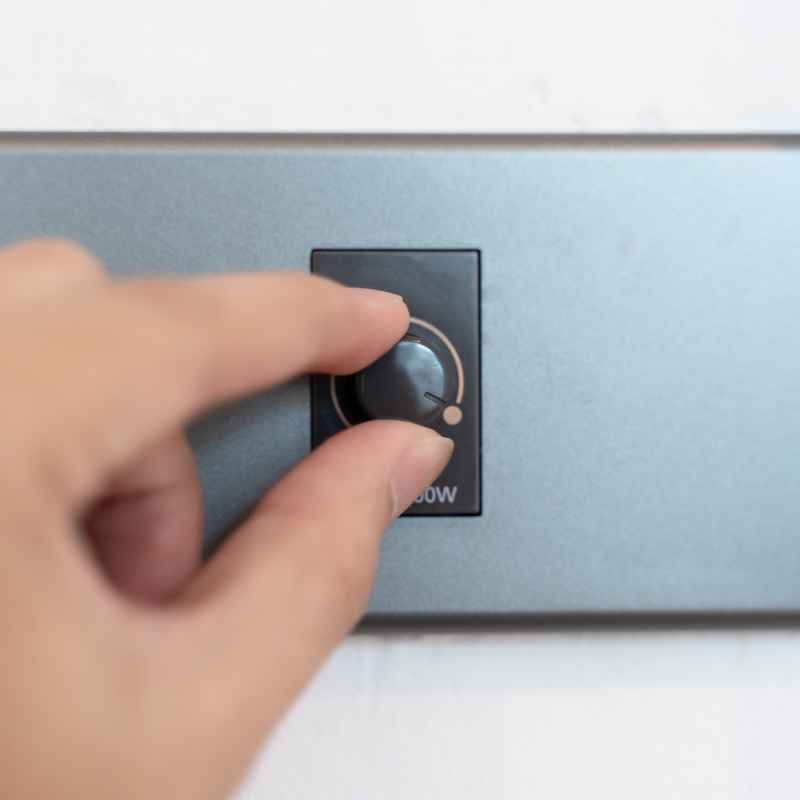
Now, think about a typical light dimmer. A light dimmer works by chopping up the electrical power sent to a light bulb. It cuts off tiny bits of power very fast.
This makes the light bulb glow less brightly. It’s a simple on-off cycle repeated many times a second. This method works for incandescent bulbs.
Some LED bulbs can also work with specific dimmers.
The problem is, heaters like Infratech are very different from light bulbs. They have powerful heating elements. These elements need a steady flow of electricity.
They are designed to be turned fully on or fully off. They don’t like being partially powered. Using a light dimmer with an electric heater is like trying to control a car’s engine with just the gas pedal.
It’s not built for that kind of fine-tuning.
The powerful heating elements in Infratech heaters draw a lot of amps. A standard light dimmer is just not built to handle this kind of electrical load. It’s like asking a tiny straw to carry a river.
The dimmer can get overloaded. It can overheat. This is a big fire hazard.
It’s also very likely to fail. The heater won’t work right, if at all.
So, while the idea of dimming your heaters seems logical, it’s not how they are designed to work. You need a control system made for them. Let’s explore why this is so important and what the right ways to control them are.
My Own Patio Heater Scare
I remember a few years back. I had just installed some nice patio heaters myself. They looked great.
They made my outdoor dinners so much more enjoyable. I had friends over one evening. It was getting a bit chilly.
I wanted to turn them up a notch. I remembered seeing a dimmer switch on a lamp in my living room. I thought, “Hey, maybe I can do that with my patio heaters.” It seemed so easy.
Just a simple turn of the knob.
I went to the hardware store. I found what looked like a heavy-duty dimmer switch. I figured it would be strong enough.
I carefully wired it up, or so I thought. The first time I tried it, it seemed to work. The heaters seemed to be a little less warm.
I felt pretty smart. I had figured out a way to get more flexibility.
But then, after maybe 30 minutes, I started to smell something. It wasn’t a pleasant smell. It was a sort of burning plastic odor.
I walked over to the wall where I had installed the dimmer. It was warm. Not just a little warm, but hot to the touch.
The plastic casing of the dimmer was starting to soften. I panicked. I immediately shut off the breaker.
I pulled off the cover. The inside of the dimmer was scorched. It was clear that I had almost caused a fire.
That was a big wake-up call. It taught me a valuable lesson about electrical systems. Never assume.
Always use the right tools and parts for the job. It saved my house from a potential disaster. It also made me realize how important it is to understand how things are supposed to work.
Why Standard Dimmers Don’t Work with Infratech Heaters
Let’s get into the nitty-gritty of why a standard light dimmer is a bad idea for your Infratech heaters. It all comes down to how the heater is built and how much power it uses.
Electrical Load: Infratech heaters, especially the larger models, draw a lot of power. This is measured in watts and amps. A typical home lighting circuit might handle 15 or 20 amps.
However, a single Infratech heater, or multiple heaters on one circuit, can push that limit. A standard dimmer switch is rated for much lower amperage. It’s designed for the low load of a light bulb, not the high, constant demand of a heating element.
Heating Element Design: The heating elements in Infratech heaters are designed for specific temperatures. They reach this temperature quickly when full power is applied. Trying to reduce this power with a dimmer doesn’t just make them less hot.
It can cause them to heat unevenly. This uneven heating can stress the materials. It can shorten the lifespan of the heating element itself.
Overheating and Fire Risk: This is the biggest concern. When a dimmer is asked to carry more current than it’s designed for, it heats up. The internal components can’t dissipate the extra heat.
This leads to overheating. The plastic casing can melt. Wires can get too hot.
This is a serious fire hazard. Electrical fires are dangerous and can spread very quickly. It’s not worth the risk.
Damage to the Heater: Even if it doesn’t start a fire, using the wrong control can damage your Infratech heater. The electrical components inside the heater might not be designed to handle the fluctuating power a dimmer provides. This can lead to premature failure of the heater’s internal parts.
Warranty Issues: If you use an unapproved control device like a standard dimmer, it will likely void the manufacturer’s warranty. If something goes wrong with your heater, you won’t be able to get it repaired or replaced under warranty.
So, the simple answer is: a standard light dimmer is the wrong tool for the job. It’s like trying to hammer a nail with a screwdriver. It won’t work well and could cause damage.
The Dangers of Using the Wrong Control
Key Takeaways:
- Overheating: Dimmers are not built for high amperage.
- Fire Hazard: Overheated components can ignite.
- Heater Damage: Inconsistent power harms heating elements.
- Voided Warranty: Using unapproved controls stops warranty coverage.
- Electrical Malfunction: Heater may not work correctly.
The Right Way to Control Your Infratech Heaters
Since a standard dimmer is out, what are the correct options? Fortunately, Infratech and other manufacturers offer systems designed for this exact purpose. They ensure safety, efficiency, and the right level of control.
1. Thermostats: The most common and recommended control is a thermostat. These are specifically designed for electric heaters.
They allow you to set a desired temperature. The thermostat then turns the heater on and off as needed to maintain that temperature. This is very energy efficient.
It also provides consistent comfort.
Infratech offers its own line of thermostats. These are often compatible with their heaters. They come in different styles.
Some are simple dial thermostats. Others are digital with programmable features. You can choose one that fits your needs and your home’s aesthetic.
2. On/Off Switches: For simple control, a dedicated on/off switch is perfectly fine. This is often built into the heater itself or can be added as a separate wall switch.
It’s the most basic form of control. It allows you to easily turn the heater on when you need it and off when you don’t.
3. Speed Controls (for specific models): Some Infratech heater models might be designed to work with specific speed controllers. These are not the same as light dimmers.
They are engineered to adjust the power in steps or with a variable dial that is compatible with the heater’s design. Always check your heater’s manual or consult the manufacturer to see if this is an option for your specific model.
4. Smart Home Integration: This is where things get really interesting. Many modern heating systems can be integrated into smart home ecosystems like Google Home, Amazon Alexa, or Apple HomeKit.
You can often achieve dimming-like effects or create custom schedules through smart plugs or dedicated smart thermostats designed for this purpose.
For example, you might use a high-capacity smart plug that is rated for your heater’s wattage. You can then control this smart plug via an app on your phone. You can turn it on or off remotely.
You can set schedules. Some smart thermostats also offer zone control. This means you can adjust the heat in different areas independently.
When considering smart home integration, it’s crucial to ensure the smart device (smart plug, smart switch, or smart thermostat) has a high enough amperage rating for your heater. Always check the specifications carefully. You don’t want to overload the smart device.
5. Infrared Remote Controls: Some Infratech heater models come with their own remote controls. These allow you to adjust settings from a distance without needing to install any extra wiring.
This is a convenient option if your heater came with one.
The key takeaway here is to always use control systems that are explicitly recommended or designed for your Infratech heaters. This ensures safety, proper function, and the best performance.
Approved Control Options
- Thermostats: For temperature regulation and energy savings.
- Dedicated On/Off Switches: Simple and reliable.
- Manufacturer-Specific Controllers: Designed for your heater model.
- High-Capacity Smart Devices: For app control and scheduling.
Smart Control vs. Dimming: What’s the Difference?
It’s easy to confuse smart control with dimming. They both aim to adjust the heat. But the way they do it, and the results, are very different.
Dimming is about reducing the power flow to a heating element. As we’ve discussed, for Infratech heaters, this is problematic. It can lead to incomplete heating, stress on the elements, and potential overheating.
Smart control, when done correctly for heaters, often involves:
- Full On/Off Cycles: A smart switch or plug simply turns the heater on and off. The heater operates at its full, designed power when on. This is safe and efficient.
- Temperature Regulation: A smart thermostat monitors the room temperature. It then tells the heater to turn on when it’s too cold and off when it’s warm enough. This isn’t “dimming” the heat. It’s managing when the heater runs.
- Scheduling: You can set times for your heaters to turn on or off. This is great for having the patio warm when you arrive home or shutting it down automatically at night.
- Zoning: With smart systems, you might be able to control multiple heaters or zones independently. This allows for customized comfort and energy savings.
So, a smart system doesn’t necessarily “dim” the heat output of a single element. Instead, it smartly manages the heater’s overall operation. It’s about control over when and for how long the heater runs, not necessarily how intensely it runs at any given moment.
The goal of smart control is often to achieve the comfort you desire while also saving energy. By not running the heater constantly or when it’s not needed, you can reduce your electricity bill. And you still get the warmth when you want it.
Real-World Scenarios and Best Practices
Let’s think about how people actually use these systems. This is where you see the benefits of proper control.
Scenario 1: The Evening Get-Together
Imagine you’re hosting friends on a cool autumn evening. You’ve got your patio set up. You turn on your Infratech heaters.
Using a thermostat, you set the temperature to a comfortable 70 degrees Fahrenheit. As the evening goes on, the heaters cycle on and off. They keep everyone perfectly warm without wasting energy.
You don’t have to constantly adjust anything. Your friends are comfortable. You’re relaxed.
Scenario 2: Morning Coffee on the Deck
You love your quiet mornings with a cup of coffee on the deck. It might be a bit chilly, but you don’t want the whole house heated. You’ve programmed your smart thermostat or used a smart plug to turn on the patio heater just before you go outside.
It’s warm and inviting. You enjoy your coffee in peace. Once you go inside, it automatically shuts off.
Scenario 3: Preparing for a Party
You’re having a party and want the patio to be warm well before guests arrive. You can use a smart control system to pre-heat the area. You set it to come on an hour before the party starts.
This ensures the space is already comfortable when the first guests step outside. You don’t have to be there to turn them on.
Best Practices for Control:
- Read Your Manual: Always consult the user manual for your specific Infratech heater model. It will list recommended control options.
- Check Amperage Ratings: If you use smart plugs, smart switches, or third-party thermostats, verify their amperage rating. It MUST be higher than your heater’s rating.
- Professional Installation: For any complex wiring, it’s best to consult a qualified electrician. They can ensure everything is installed safely and correctly.
- Group Heaters Wisely: Don’t put too many high-wattage heaters on a single circuit, even with proper controls. Consult an electrician about load balancing.
- Consider Climate: If you live in a very cold climate, you might need more powerful heaters or more of them. Your control system should support this.
These real-world examples show that with the right controls, your Infratech heaters can be an amazing addition to your home. They offer comfort and convenience.
Smart Control in Action
- Thermostat Setting: Set it and forget it for consistent comfort.
- Smart Scheduling: Heat your space when you need it.
- Remote Access: Control from your phone, wherever you are.
- Energy Savings: Avoid running heaters when not in use.
When is It Normal vs. Concerning?
It’s good to know when your heater’s behavior is normal and when you should be concerned. This is especially true when thinking about controls.
Normal Behavior:
- Heater turns on and off: If you’re using a thermostat, the heater cycling on and off to maintain a set temperature is perfectly normal.
- Heater runs for a while, then stops: If you’re just using an on/off switch, the heater will run until you turn it off.
- Warm to the touch: The heater itself will naturally get warm when it’s operating.
- Consistent heat output: When the heater is on full power, it should provide a steady, strong heat.
Concerning Behavior (especially if trying to “dim”):
- Dimmer switch feels hot: As I experienced, a control device getting excessively hot is a major warning sign.
- Smell of burning plastic or wires: This indicates overheating in the wiring or control components. Stop using immediately.
- Heater output is weak or inconsistent: If your heater isn’t getting as hot as it used to, or if it seems to pulse, the control might be faulty or inappropriate.
- Tripped circuit breaker: If the breaker for your heater keeps tripping, it suggests an overload or a short circuit.
- Sparks or unusual noises: Any visual or audible sign of electrical malfunction is serious.
- Control device not working: If your thermostat or smart control suddenly stops responding, it needs to be checked.
If you notice any concerning behavior, the first step is usually to turn off the power to the heater at the breaker. Then, inspect your control system. If you used a standard dimmer, remove it and revert to a simple on/off switch or a recommended control.
If the problem persists, it’s time to call a qualified electrician.
Troubleshooting Your Heater Control
Normal:
- Cycling on/off with thermostat
- Consistent heat when on
Concerning:
- Overheating controls
- Burning smells
- Weak or pulsing heat
- Tripped breakers
Quick Tips for Better Heater Control
Here are some simple tips to make sure you’re controlling your Infratech heaters the smart and safe way.
- Stick to the Manufacturer’s Recommendations: If Infratech says use a thermostat or a specific switch, use that.
- Buy Quality Controls: Don’t skimp on thermostats or smart plugs. Invest in reputable brands.
- Understand Wattage: Know the wattage of your heater. This is crucial for picking the right control. You can usually find this on the heater’s label.
- Don’t Overload Circuits: Even with the right controls, too many heaters on one circuit can cause problems.
- Regular Checks: Periodically check your control devices and wiring for any signs of wear or damage.
- Consider a Licensed Electrician: For installation or if you’re unsure about any part of the setup, a professional is your best bet.
- Embrace Thermostats: For comfort and energy savings, a good thermostat is often the best solution.
Frequently Asked Questions
Can I use a universal dimmer switch with my Infratech heater?
No, it is strongly advised against using a universal dimmer switch with Infratech heaters. These heaters require specific controls to manage their high power draw safely. Using a standard dimmer can lead to overheating, fire hazards, and damage to the heater.
What is the safest way to control the heat output of my Infratech heater?
The safest way to control your Infratech heater is by using a thermostat designed for electric heaters or a dedicated on/off switch. Smart thermostats or high-capacity smart plugs can also offer safe and convenient control.
Will using a thermostat save me money on my energy bill?
Yes, using a thermostat can help save money. It allows the heater to turn on and off only when needed to maintain a set temperature, preventing it from running constantly and wasting energy.
How do I know if a smart plug is strong enough for my heater?
Check the amperage (amps) or wattage (watts) rating on your Infratech heater. Then, look at the specifications for the smart plug. The smart plug’s rating must be higher than the heater’s requirement to handle the load safely.
Always err on the side of caution and choose a higher rating.
Can I wire multiple Infratech heaters to one thermostat?
It depends on the total wattage of the heaters and the capacity of the thermostat. Consult your heater’s manual and the thermostat’s specifications. It is often safer and more reliable to use separate controls for each heater or consult an electrician for a multi-zone system.
What happens if I try to dim my Infratech heater and it works initially?
Even if a dimmer switch seems to work at first, it is still a dangerous setup. The components are likely being overworked and are overheating internally. This creates a significant fire risk and can lead to premature failure of the dimmer and potentially the heater.
It’s not a matter of “if” it will fail, but “when.”
Conclusion: Smart Control for Cozy Comfort
So, there you have it. While the idea of using a dimmer switch for your Infratech heaters might seem practical, it’s a path best avoided. The risks to your home and your heater are simply too great.
Instead, embrace the excellent control options available. Thermostats, smart devices, and dedicated switches ensure your heaters work safely and efficiently. This way, you get to enjoy that perfect outdoor ambiance without any worries.
Stay warm, and stay safe!
Sponsored / affiliate links. As an Amazon Associate I earn from qualifying purchases. I may earn additional commission from eligible campaigns.
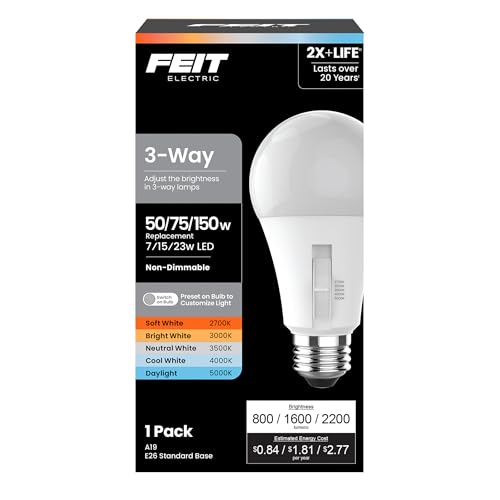 Feit Electric 3-Way A19 LED Light Bulb, 50/75/150W Equivalent, 5CCT Adjustable White (2700K–5000K), 1600 Lumens, Dimmable, 25,000-Life Hours, Energy Saving for Lamps & Fixtures, OM50/150/5CCTCA
 Water Flow Control Shut Off Valve with Brass Adjustable Hand Level Water Pressure Regulator for Hand Held Shower Head & Bidet Sprayer, Brushed Nickel Water Saver G1/2