How Large of a Space Can a 1200 Watt Heater Heat?
How large of a space can a 1200 watt heater heat effectively? Understanding the heating capacity of a 1200-watt heater is crucial for choosing the right appliance to keep your room comfortably warm without wasting energy. This post will break down the factors that influence a heater’s performance and provide clear guidelines to help you determine the optimal room size for your 1200W unit.
Simply put, a 1200-watt heater is typically suitable for heating a small to medium-sized room, around 100-150 square feet, under average conditions. However, room insulation, ceiling height, and outdoor temperature significantly impact its true heating coverage.
Key Takeaways
- A 1200 watt heater is best suited for small to medium rooms, typically between 100 to 150 square feet.
- Room insulation levels are a critical factor; better insulated spaces require less wattage to heat.
- Ceiling height and the number of windows/doors in a room affect the volume of air that needs heating.
- Ambient outdoor temperature plays a significant role; colder environments will reduce the effective heating area.
- Consider supplemental heating or a higher wattage for larger or poorly insulated spaces.
What is the Wattage-to-Square-Footage Ratio?
The fundamental principle behind electric heater sizing is wattage per square foot. This ratio helps estimate how much power is needed to raise the temperature of a given area. While not an exact science, a common rule of thumb suggests that 10 watts per square foot is generally sufficient for adequate heating in a standard room.
For a 1200-watt heater, this rule of thumb would theoretically suggest it can heat an area of approximately 120 square feet (1200 watts / 10 watts/sq ft = 120 sq ft). This serves as a good starting point for understanding its basic capacity.
However, this ratio is a simplification. Many other variables come into play, making the actual effective heating area for a 1200-watt heater potentially larger or smaller depending on the specific conditions of the space it’s intended to warm.
Understanding Heat Loss and Insulation
Heat loss is the primary enemy of any heating system, and the rate at which heat escapes a room is heavily influenced by its insulation. A well-insulated room will retain heat much more effectively, allowing a 1200-watt heater to maintain a comfortable temperature over a larger area. Conversely, a poorly insulated room will lose heat rapidly, requiring the heater to work harder and potentially limiting its effective range.
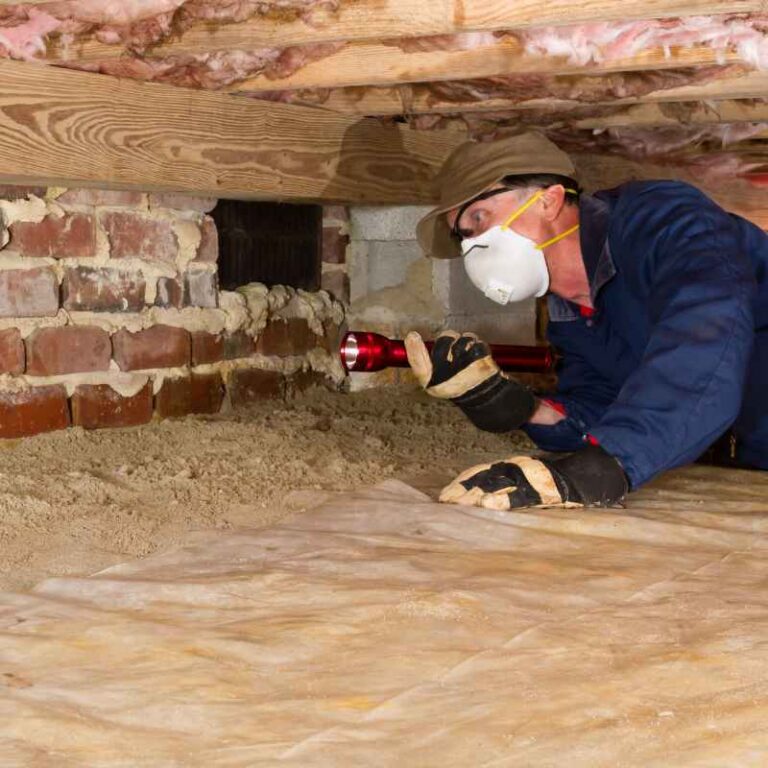
Factors contributing to poor insulation include drafty windows and doors, insufficient wall insulation, and unsealed air leaks. In such environments, a 1200-watt heater might struggle to heat even a small space adequately, especially during colder months.
When assessing your room, consider the age of the building, the type of windows (single-pane versus double-pane), and whether you can feel drafts. These indicators will help you gauge how much heat loss you might be contending with, and thus, how much you can realistically expect from your 1200-watt heater.
- Excellent Insulation: Walls, attic, and floors are well-sealed with modern materials, and windows are double or triple-paned.
- Good Insulation: Most areas are insulated, but there might be minor drafts or older window types.
- Fair Insulation: Some insulation exists, but there are noticeable drafts from windows, doors, or electrical outlets.
- Poor Insulation: Little to no insulation, significant drafts, single-pane windows, and an older building structure.
A 1200W heater in a poorly insulated space might only effectively heat 75-90 sq ft, while in a well-insulated space, it could potentially reach 175 sq ft.
Ceiling Height and Room Volume Matter
The standard wattage-to-square-footage calculation assumes a typical ceiling height, usually around 8 feet. When ceiling heights increase significantly, the total volume of air in the room also increases. More air means more mass to heat, which requires more energy.
A room with a 12-foot vaulted ceiling has substantially more air to warm than an identical-sized room with an 8-foot ceiling. Therefore, a 1200-watt heater might be adequate for a 150 sq ft room with an 8-foot ceiling but could be insufficient for a 150 sq ft room with a 12-foot ceiling.
To account for this, you might need to adjust your square footage calculation downwards if you have high ceilings. For every extra foot of ceiling height above 8 feet, you might consider reducing the maximum effective square footage by an additional 5-10% for a 1200W heater.
| Ceiling Height | Estimated Max Square Footage (1200W Heater, Average Insulation) |
|---|---|
| 8 feet | 120-150 sq ft |
| 9 feet | 110-135 sq ft |
| 10 feet | 100-125 sq ft |
| 12 feet | 80-100 sq ft |
This table illustrates how increasing ceiling height directly reduces the area a 1200W heater can effectively warm.
External Temperature and Room Usage
The temperature outside your room plays a crucial role. If you’re trying to heat a room in a mild climate during spring, a 1200-watt heater will likely perform much better and cover a larger area than if you’re trying to heat the same room during a harsh winter blizzard.
The greater the temperature difference between the inside of your room and the outside environment, the more heat will be lost, and the less effective your heater will be at maintaining a target temperature. For instance, on a freezing night, a 1200W heater might only maintain a minimal temperature difference in a moderately sized room.
Additionally, consider how the room is used. A bedroom that’s occupied primarily at night and kept at a lower temperature during the day might require less consistent heating than a home office that needs to be at a comfortable temperature throughout working hours. Rooms with high heat loss due to frequent door openings (like a mudroom or a frequently used kitchen) will also challenge a smaller heater.
Important: For consistently cold climates, a 1200W heater is generally best for small, well-insulated rooms only. Consider a higher wattage heater for larger spaces or more extreme temperatures.
Types of 1200 Watt Heaters and Their Efficiency
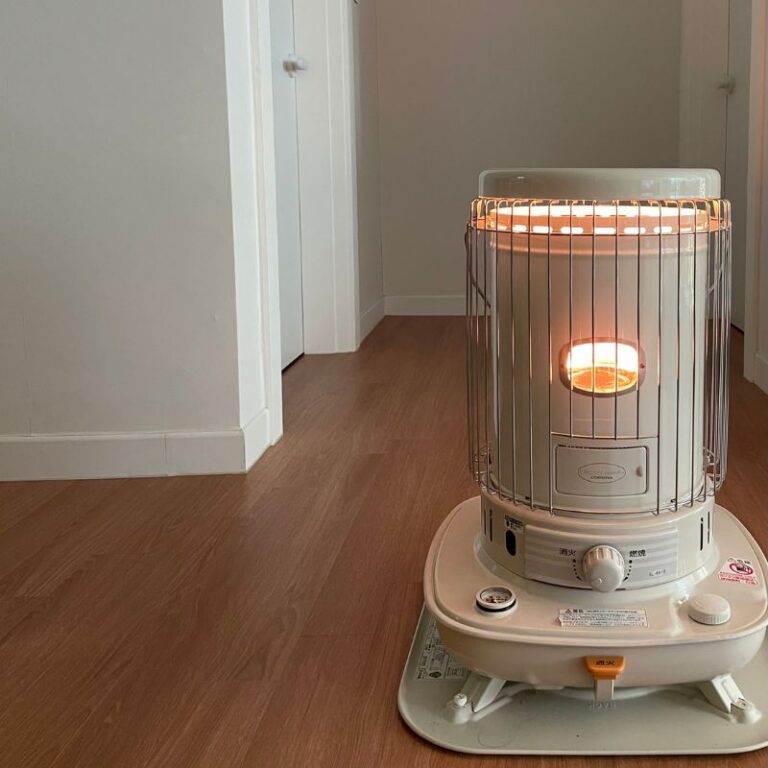
Not all 1200-watt heaters are created equal in terms of how they distribute heat. Different types of heaters use different mechanisms to warm a space, which can affect their perceived effectiveness and coverage.
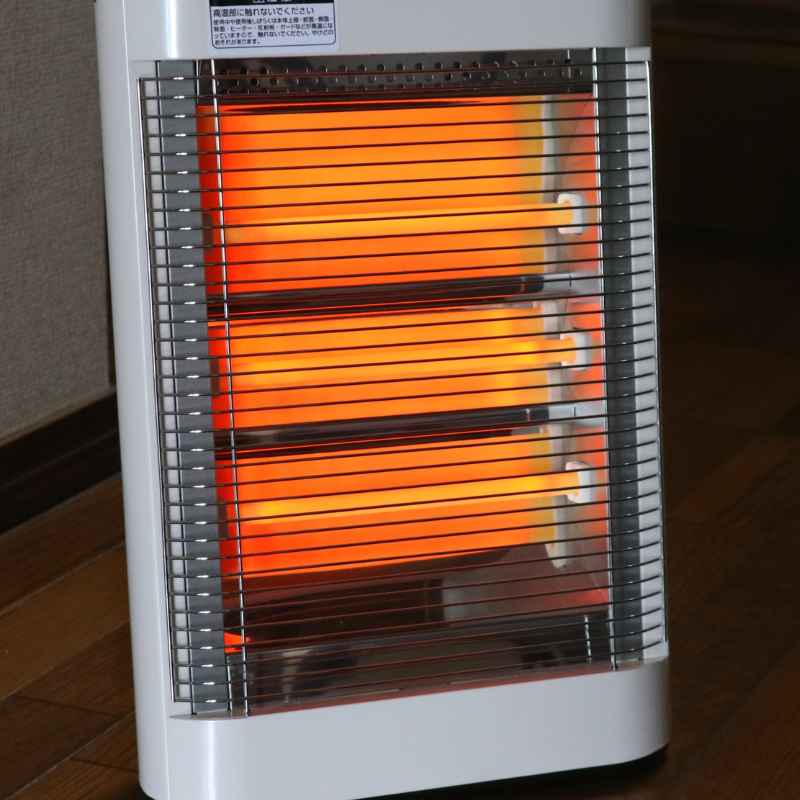
For example, ceramic heaters often use a fan to blow warm air, which can heat a room more quickly and distribute heat more evenly, making them efficient for their wattage. Infrared or radiant heaters, on the other hand, heat objects and people directly rather than the air, which can feel warmer even if the ambient air temperature is lower, but they are less effective at heating an entire room’s volume.
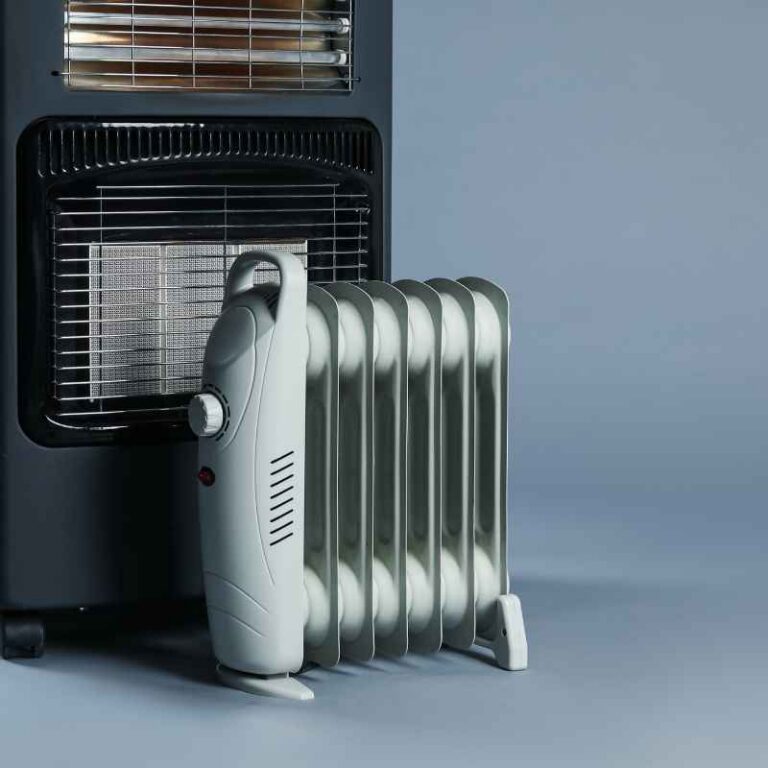
Oil-filled radiators are known for their gentle, consistent heat and quiet operation. They take longer to heat up but radiate heat for a while after being turned off, making them excellent for maintaining temperature overnight. However, their heating speed might be slower for initial warming.
- Convection Heaters (with Fan): Excellent for quickly heating the air in a room and distributing heat evenly. Good for open spaces.
- Radiant/Infrared Heaters: Best for targeted heating of people or objects, providing instant warmth. Less effective for raising overall room temperature.
- Oil-Filled Radiators: Provide steady, quiet, and long-lasting heat. Ideal for maintaining temperature overnight in bedrooms or smaller living areas.
- Panel Heaters: Often wall-mounted, they provide a gentle, radiant heat. Good for consistent background warmth but might not provide rapid heating.
The type of 1200W heater you choose can influence how well it heats your specific space, even with the same wattage output.
Factors That Reduce Effective Heating Area
Several specific room characteristics can drastically reduce the effective heating area for a 1200-watt heater. Being aware of these can prevent disappointment and guide you toward better heating solutions.
High ceilings are a major culprit, as we’ve discussed. But so are rooms with multiple external walls. A room that has walls facing North, East, South, and West will lose heat much faster than a room with only one or two external walls.
Large windows or glass doors, especially if they are single-pane, are significant sources of heat loss. A room with a large bay window or a sliding glass door to a patio will be harder to keep warm. Additionally, basements or garages that are not well-insulated and are typically cooler environments will demand more from a heater.
- Multiple External Walls: Each additional exterior wall increases heat loss.
- Large Window Areas: Glass is a poor insulator compared to walls.
- Single-Pane Windows: Significantly higher heat transfer than double or triple-pane.
- Unfinished Basements/Garages: Often lack insulation and are inherently colder.
- Drafty Doors and Windows: Air leaks allow warm air to escape and cold air to enter.
- Open Floor Plans: While not always a negative, a large open space makes it harder for a single, lower-wattage heater to achieve target temperature in a specific zone.
If your room exhibits several of these characteristics, the effective heating area of your 1200W heater will be at the lower end of the estimated range, or even below it.
When a 1200 Watt Heater Might Not Be Enough
It’s important to recognize the limitations of a 1200-watt heater. If you find yourself in a situation where the heater is running constantly but the room remains chilly, it’s a clear sign that it’s undersized for the space or conditions.
For larger rooms (over 200 sq ft), rooms with very high ceilings, spaces with significant heat loss (poor insulation, large windows), or in regions with extremely cold winters, a 1200-watt heater will likely struggle to provide adequate warmth. In these scenarios, you’ll need to consider a heater with a higher wattage, multiple heaters, or a combination of heating methods.
The goal is to have a heater that can reach your desired temperature within a reasonable time and maintain it without running non-stop at full power. Overworking a smaller heater can be inefficient and may shorten its lifespan.
| Situation | Recommended Heater Wattage (Minimum) | Notes |
|---|---|---|
| Small room (100-150 sq ft), average insulation | 1200W | 1200W is often sufficient. |
| Medium room (150-250 sq ft), average insulation | 1500W – 2000W | A 1200W heater will struggle. |
| Small room (100-150 sq ft), poor insulation/high ceilings | 1500W – 1800W | Needs more power to compensate for heat loss. |
| Large room (250+ sq ft), any insulation level | 2000W+ or multiple heaters | Requires significant heat output. |
This comparison table highlights when a 1200W heater might be insufficient and what alternatives to consider.
Warning: Relying on a single 1200-watt heater for a large, uninsulated space can lead to discomfort, increased energy bills as it runs constantly, and potential damage to the heater from overuse.
Optimizing Your 1200 Watt Heater’s Performance
Even with a 1200-watt heater, you can optimize its performance to maximize the heat it provides and maintain comfort in your space. Small adjustments can make a significant difference in how effectively your heater works.
Firstly, ensure all windows and doors are properly sealed. Use draft stoppers at the base of doors and check for leaks around window frames. Closing curtains or blinds, especially at night, can also help insulate the room and prevent heat from escaping through glass panes.
Secondly, position your heater strategically. Place it away from direct drafts or open areas and ensure it’s not blocked by furniture, which can impede airflow and heat distribution. Some heaters are designed to circulate air, so unobstructed placement is key.
- Seal Air Leaks: Use weather stripping for windows and doors, and caulk any cracks.
- Use Curtains/Blinds: Heavy curtains can significantly reduce heat loss through windows, especially at night.
- Strategic Placement: Position the heater in the main living area, away from drafts, and ensure air circulation is not blocked.
- Thermostat Use: If your heater has a thermostat, use it to maintain a steady temperature rather than overheating the room.
- Close Doors: Keep doors to other rooms closed to contain the heat within the desired space.
- Zone Heating: Focus on heating only the room you are actively using.
By implementing these strategies, you can make the most of your 1200-watt heater’s capabilities.
Frequently Asked Questions
How many square feet can a 1200 watt heater heat in cold weather?
In very cold weather, the effective heating area for a 1200 watt heater is significantly reduced. For a poorly insulated room, this might be as low as 75-100 square feet. For a well-insulated room with good thermal mass, it could potentially extend to 150 square feet, but the heater will work much harder.
Is a 1200 watt heater enough for a bedroom?
A 1200 watt heater is generally sufficient for most standard-sized bedrooms (around 100-150 sq ft) that are reasonably insulated. If your bedroom is particularly large, has high ceilings, or has significant drafts, you might find it’s not quite enough, especially on very cold nights.
Can a 1200 watt heater heat a living room?
A 1200 watt heater can effectively heat a small living room (under 150 sq ft) if it is well-insulated and has standard ceiling heights. For larger living rooms or those with substantial heat loss, it’s likely to be insufficient, and you should consider a higher wattage heater or supplemental heating.
How much electricity does a 1200 watt heater use?
A 1200 watt heater uses 1.2 kilowatts (kW) of electricity per hour when running at full power. To calculate your cost, multiply this by the number of hours it runs and then by your electricity rate per kilowatt-hour (kWh). For example, if your rate is $0.15/kWh, running it for 8 hours would cost 1.2 kW 8 hours $0.15/kWh = $1.44.
Should I get a 1500 watt heater instead of 1200 watt for a slightly larger room?
Yes, if your room is on the larger side of what a 1200 watt heater can handle (e.g., closer to 150-200 sq ft) or has average to poor insulation, a 1500 watt heater is often a better choice. It provides more power reserve, meaning it can heat the space more quickly and efficiently without running constantly at its maximum capacity.
Final Thoughts
Ultimately, a 1200 watt heater is a capable appliance for maintaining comfort in small to medium-sized rooms, typically ranging from 100 to 150 square feet. However, factors like insulation quality, ceiling height, external temperatures, and room features significantly influence its true coverage. Always assess your specific room conditions and consider a higher wattage unit or supplemental heating for larger, poorly insulated, or exceptionally cold spaces to ensure effective and efficient warmth.
Sponsored / affiliate links. As an Amazon Associate I earn from qualifying purchases. I may earn additional commission from eligible campaigns.