How Much Space Will A 1500 Watt Milkhouse Heater Heat?
A 1500 watt milkhouse heater can effectively warm an enclosed space of about 150 to 200 square feet. This is a general guideline, as actual heating capacity depends on factors like insulation, ceiling height, and outside temperature. For larger or less insulated areas, multiple heaters or a more powerful unit may be needed.
Understanding Your 1500 Watt Heater’s Reach
So, what does 1500 watts really mean for your room? Think of watts as the heater’s power. More watts mean more heat. A 1500 watt heater is a pretty standard size for portable electric heaters. It’s designed for smaller to medium-sized rooms. These heaters are great for spaces like workshops, garages, basements, or even a large shed.
The key idea is that the heater needs to overcome the heat loss from your room. Every room loses heat. This happens through walls, windows, and the roof. If your room is well-insulated, it will hold onto heat better. This means your 1500 watt heater can warm it up more easily. If the room has poor insulation, the heat will escape faster. You might need a more powerful heater or run the one you have for longer.
Ceiling height also plays a part. A room with 8-foot ceilings will heat up differently than a room with 20-foot ceilings. Higher ceilings mean more air to heat. This requires more energy. So, a 1500 watt heater might struggle to keep a very tall space comfortable.
Real-Life Scenarios: Where Does 1500 Watts Shine?
Let me tell you about a time I was setting up a small pottery studio in my friend’s garage. It was late fall, and the temperature was dropping fast. The garage was a decent size, maybe around 200 square feet. It had a concrete floor and one old metal door. The walls were insulated, thankfully. We had a 1500 watt milkhouse heater. I remember plugging it in, feeling a bit unsure if it would be enough.
Within about 30 minutes, though, the chill started to disappear. The heater was blowing warm air, and you could feel the difference. It wasn’t stifling hot, but it was a comfortable working temperature. We could comfortably throw clay without our hands getting too cold. It wasn’t perfect; the far corner still felt a bit cooler. But for the main area where we were working, it did a really good job. It showed me that for a space like that, with some insulation and moderate ceiling height, 1500 watts can indeed be quite effective. The frustration of being too cold was
Heater Placement Tips
Why it matters: Where you put your heater impacts how well it warms your room.
- Central Location: Place it in the middle of the room. This helps heat spread evenly.
- Near Your Zone: Position it close to where you spend the most time.
- Avoid Obstructions: Keep it away from furniture or curtains. They can block airflow and cause a fire hazard.
- Safe Distance: Always follow the manufacturer’s safety guidelines. Keep it away from flammable materials.
Factors That Affect Heating Area
It’s not just about the wattage. Several things change how much heat your 1500 watt heater can spread.
Insulation Quality
This is a big one. Think of insulation like a blanket for your room. A well-insulated room keeps the warm air in. It stops the cold air from coming in. If your walls, floor, and ceiling have good insulation, your heater works much better. You’ll feel the warmth more quickly. The heater won’t have to run as hard.
In a poorly insulated room, like an old shed or a garage with no wall insulation, heat escapes very fast. It’s like trying to fill a leaky bucket. Your heater will run non-stop. It might still not get warm enough. You might need a stronger heater. Or you might need to add insulation first.
Ceiling Height
Warm air rises. This is a basic rule of physics. If you have high ceilings, like in a barn or a large workshop, that warm air goes up. It stays near the ceiling. The area where you are standing stays cooler. Your 1500 watt heater has to work harder to push that warm air down. Or it has to heat a much larger volume of air.
For rooms with very high ceilings, you might need a heater designed for that. Or you might need to use more than one heater. Sometimes, a fan can help push the warm air down. But with just a 1500 watt unit, very high ceilings can be a challenge.
Outside Temperature
When it’s really cold outside, your room loses heat faster. Your heater has to work harder to keep up. If it’s 20 degrees Fahrenheit outside, your heater has to fight hard to keep your room at 60 degrees. If it’s 40 degrees outside, it’s much easier.
The bigger the difference between the outside temperature and your desired inside temperature, the more your heater will struggle. For extreme cold, a 1500 watt heater might only be able to keep a small area comfortably warm. Or it might only prevent the room from freezing.
Room Layout and Drafts
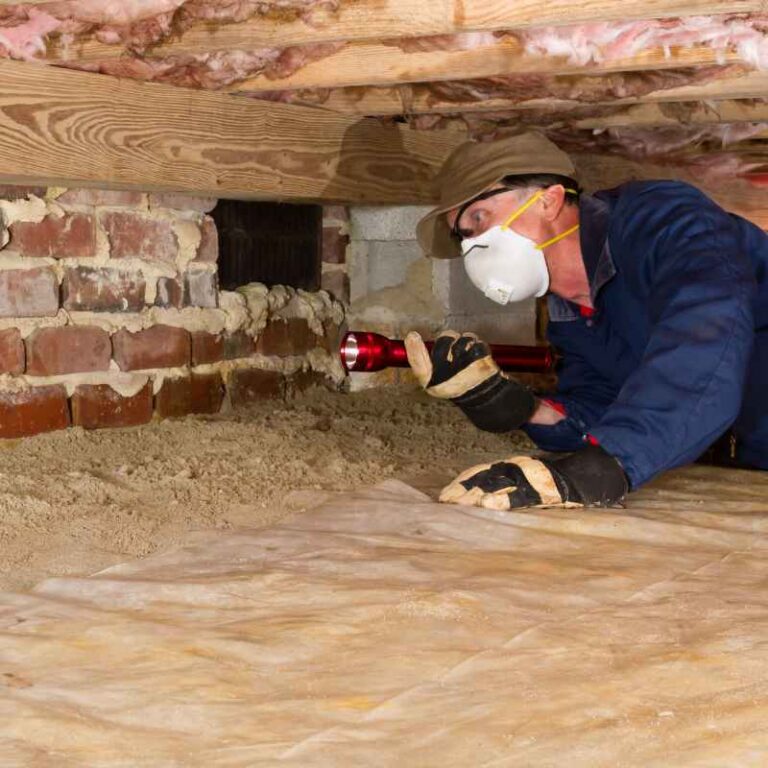
Is your room shaped like a simple box? Or does it have many nooks and crannies? A simpler shape is easier to heat evenly. Lots of corners can trap cold air. Drafts are also a major problem. These are small openings where cold air enters.
Check windows and doors for leaks. Look for gaps around pipes or vents. Even small drafts can make a big difference. They let the warm air escape. They let the cold air sneak in. Sealing these drafts is a simple but effective way to help your heater work better.
Air Volume
This is directly related to ceiling height and room size. A 1500 watt heater is rated for a certain volume of air. If you have a large volume of air to heat, the heater might not be strong enough. You can estimate air volume by multiplying the length, width, and height of your room.
For a standard room with 8-foot ceilings, 1500 watts is usually a good match for about 150-200 square feet. If your ceilings are 12 feet tall, that same 1500 watt heater might only handle 100-150 square feet. It’s always better to overestimate your heating needs slightly.
Quick Comparison: Heater Wattage vs. Room Size
Here’s a rough guide. Remember these are estimates:
| Heater Wattage | Approximate Heated Area (sq ft) | Best For |
|---|---|---|
| 500-750 watts | 50-100 sq ft | Small offices, bathrooms, personal spaces |
| 1000-1200 watts | 100-150 sq ft | Medium rooms, small workshops, basements |
| 1500 watts | 150-200 sq ft | Larger rooms, garages, workshops, basements |
| 2000+ watts | 200+ sq ft | Large open spaces, very cold areas, garages |
How a Milkhouse Heater Works
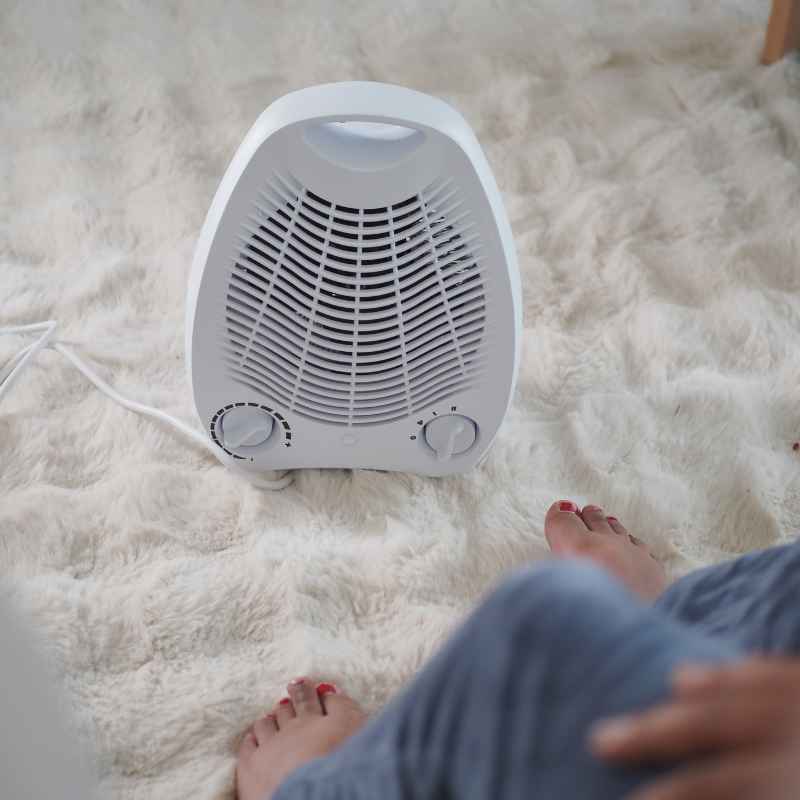
A milkhouse heater, often called a utility heater or a ceramic heater, works by heating air and blowing it out. Inside, there’s usually a heating element, often made of ceramic or metal coils. When electricity passes through this element, it gets hot. A fan then pushes air over the hot element. This heated air is blown out into the room.
These heaters are designed to be portable. They are often compact and have a durable casing. The “milkhouse” name comes from their historical use in dairy farming. They were used to keep milk cooling rooms warm enough. But they are useful in many other places too.
They are generally safe for indoor use. However, always read the manual. Safety features can include tip-over switches. These turn the heater off if it’s knocked over. Overheat protection is also common. This shuts the heater down if it gets too hot.
What Does “Enclosed Space” Mean?
When we talk about heating an “enclosed space,” we mean a room that is mostly sealed off from the outside. This means doors and windows are closed. There aren’t large holes or openings to other unheated areas. The more enclosed your space, the more efficient your heater will be.
An open-plan house where you’re trying to heat one section without walls or doors is very different. In that case, the heat will just spread out. It won’t concentrate in one area. You’d need a much larger or more powerful heating solution.
A garage with the main door slightly open is also not ideal. Or a basement that opens directly into a large, unheated crawl space. These situations make it hard for any portable heater to do its job effectively. The goal is to contain the heat.
Myth vs. Reality: Heater Myths Busted
Let’s clear up some common misunderstandings:
Myth: A 1500 watt heater can heat any size room if left on long enough.
Reality: Wattage determines the amount of heat a heater can produce. While running it longer helps, it can’t magically heat a space too large for its power output. It will just run constantly without reaching a comfortable temperature.
Myth: All 1500 watt heaters perform the same.
Reality: Design, fan power, and heating element type can vary. Some heaters distribute heat better than others. Features like thermostats also impact how well they maintain a set temperature.
Myth: Placing a heater directly next to you provides the most heat.
Reality: While it feels warmer immediately, it doesn’t heat the room efficiently. Central placement or placement that allows for air circulation is usually more effective for overall room warmth.
When is 1500 Watts NOT Enough?
There are definitely times when a 1500 watt milkhouse heater won’t cut it. Understanding these limits helps you avoid frustration.
Large Open Garages or Workshops
If you have a large two-car or three-car garage, a single 1500 watt heater might just take the edge off. It won’t make the whole space feel cozy. You might need two or even three heaters to cover the area. Or you might need to look at a higher-wattage unit, perhaps 2000 watts or more, or even a central heating system.
Uninsulated or Poorly Insulated Spaces
Imagine a shed with thin metal walls and no insulation. Or an old basement with a dirt floor and no wall insulation. In these cases, the heat escapes as quickly as it’s produced. A 1500 watt heater will struggle to make any noticeable difference. It might be okay for preventing pipes from freezing, but not for comfortable human occupation.
Very Cold Climates
If you live somewhere with very harsh winters, where temperatures regularly drop below freezing, a 1500 watt heater might only be able to maintain a slightly above-freezing temperature. It might not be able to reach a comfortable 65-70 degrees Fahrenheit. In these situations, you need more power.
Spaces with High Ceilings
As mentioned before, very high ceilings mean a lot of air to heat. If your garage or workshop has ceilings 15 feet or higher, a 1500 watt heater will have a hard time warming the occupied space. The heat will collect near the ceiling.
Spotting Drafts: A Quick Guide
- Feel for Cold Air: On a cold day, hold your hand near windows, doors, electrical outlets, and where pipes enter walls.
- Use a Candle or Incense Stick: Light a candle or incense stick and hold it near potential draft spots. If the flame or smoke flickers or bends, you have a draft.
- Look for Gaps: Visually inspect around window frames, door frames, and baseboards.
What This Means For You: Setting Realistic Expectations
For most people looking to heat a single-car garage, a basement room, or a workshop of around 150-200 square feet, a 1500 watt milkhouse heater is a good choice. It offers a balance of power and portability. It’s generally energy-efficient for the amount of heat it produces in that size space.
If your space is smaller, say 100 square feet, it will heat up quickly and nicely. If your space is closer to 200 square feet, it will still work, but it might take a bit longer to reach your desired temperature. It might also run more often to maintain it.
If your space is significantly larger, or has any of the issues mentioned above (poor insulation, high ceilings), you should consider a more powerful option. It’s always better to have a heater that can handle the job easily, rather than one that’s constantly struggling. This will be more comfortable and potentially more energy-efficient in the long run.
Quick Tips for Maximizing Your Heater’s Performance
Here are a few easy things you can do to get the most out of your 1500 watt heater:
Use a Thermostat: If your heater has a thermostat, use it! This allows you to set a specific temperature. The heater will turn itself on and off to maintain it. This is more efficient than just letting it run constantly.
Seal Up Drafts: As we discussed, even small drafts make a big difference. Use weather stripping for doors and windows. Caulk any small gaps.
Close Doors and Vents: If you’re heating a specific room, close the door to that room. Also, close any air vents in that room that lead to unheated spaces.
Consider a Timer: If you only need heat at certain times, a timer can be very helpful. It will turn the heater on before you need it and off when you don’t.
Don’t Block Airflow: Make sure nothing is blocking the heater’s intake or output vents. This reduces its efficiency and can be a safety hazard.
Heater Usage Checklist
Before You Turn It On:
- Read the owner’s manual.
- Ensure the heater is on a level, stable surface.
- Check the power cord for damage.
- Clear flammable materials from around the heater.
While It’s Running:
- Keep doors and windows closed.
- Do not cover the heater.
- Never leave it unattended.
- Keep children and pets away.
After You Turn It Off:
- Allow it to cool completely before storing.
- Store in a dry place.
Frequently Asked Questions About Milkhouse Heaters
Can a 1500 watt heater heat a 300 square foot garage?
It’s unlikely a single 1500 watt heater will adequately heat a 300 square foot garage, especially if it’s poorly insulated or has high ceilings. You might be able to take the edge off, but for comfortable warmth, you would likely need a more powerful heater or multiple units.
How long does it take for a 1500 watt heater to warm a room?
This varies greatly. In a well-insulated 100 square foot room, it might take 15-30 minutes to feel a noticeable difference. In a larger, less insulated 200 square foot space, it could take an hour or more to reach a comfortable temperature.
Are milkhouse heaters safe to leave on all night?
Many modern milkhouse heaters have safety features like tip-over switches and overheat protection, making them safer than older models. However, it’s generally recommended not to leave any portable electric heater running unattended for extended periods, especially overnight. Always follow the manufacturer’s specific safety guidelines.
What is the difference between a milkhouse heater and a ceramic heater?
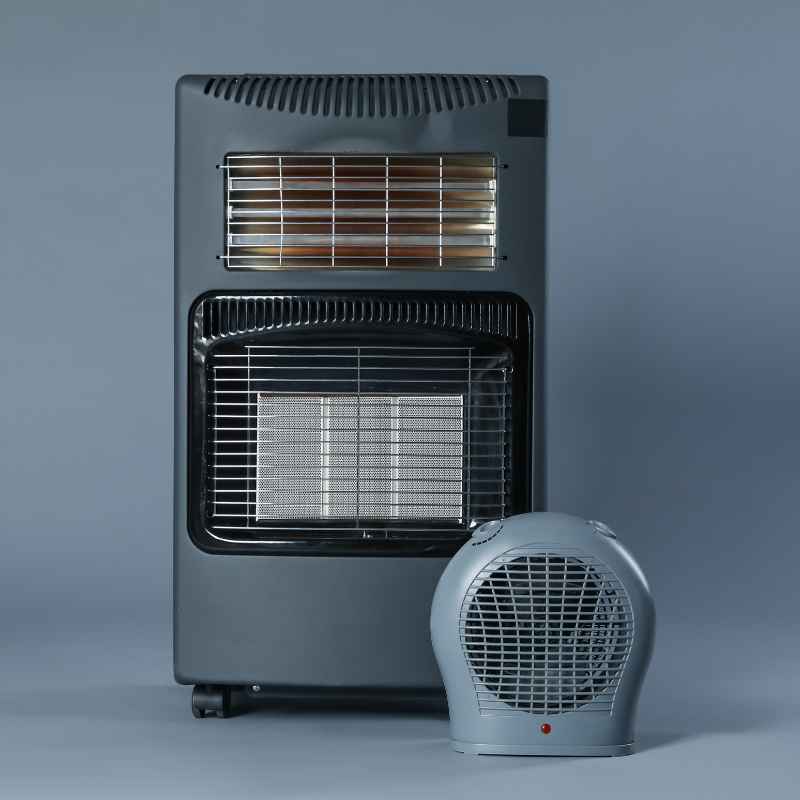
Milkhouse heater is often a colloquial term for a type of portable electric heater commonly used in outbuildings. Ceramic heaters are a specific type of electric heater that uses ceramic plates as the heating element. Many milkhouse heaters are indeed ceramic heaters, but the term “milkhouse heater” can also refer to other portable electric heater types.
Will a 1500 watt heater dry out a room?
Yes, electric heaters, including 1500 watt milkhouse heaters, can reduce humidity. They do this by heating the air, which allows it to hold more moisture. However, they are not designed specifically as dehumidifiers.
If you have a serious moisture problem, a dehumidifier would be more effective.
How much does it cost to run a 1500 watt heater?
The cost depends on your local electricity rates. A general estimate is that a 1500 watt heater uses 1.5 kilowatts (kW) of power. If your electricity costs $0.15 per kilowatt-hour (kWh), running it for one hour would cost about $0.225 (1.5 kW * $0.15/kWh).
Multiply this by the number of hours you run it.
Final Thoughts on Your Heater’s Power
Figuring out how much space your 1500 watt milkhouse heater can warm is all about understanding the room itself. It’s not just a number; it’s a relationship between the heater’s power and your environment. For many common scenarios, like a well-insulated garage or basement room up to about 200 square feet, it’s a perfectly capable unit. Just remember to consider insulation, ceiling height, and outside temperatures. By being smart about placement and sealing up drafts, you can make that cozy warmth a reality.
Sponsored / affiliate links. As an Amazon Associate I earn from qualifying purchases. I may earn additional commission from eligible campaigns.