How To Turn The Mr. Heater Hi-Med-Lo-Off Regulator Knob
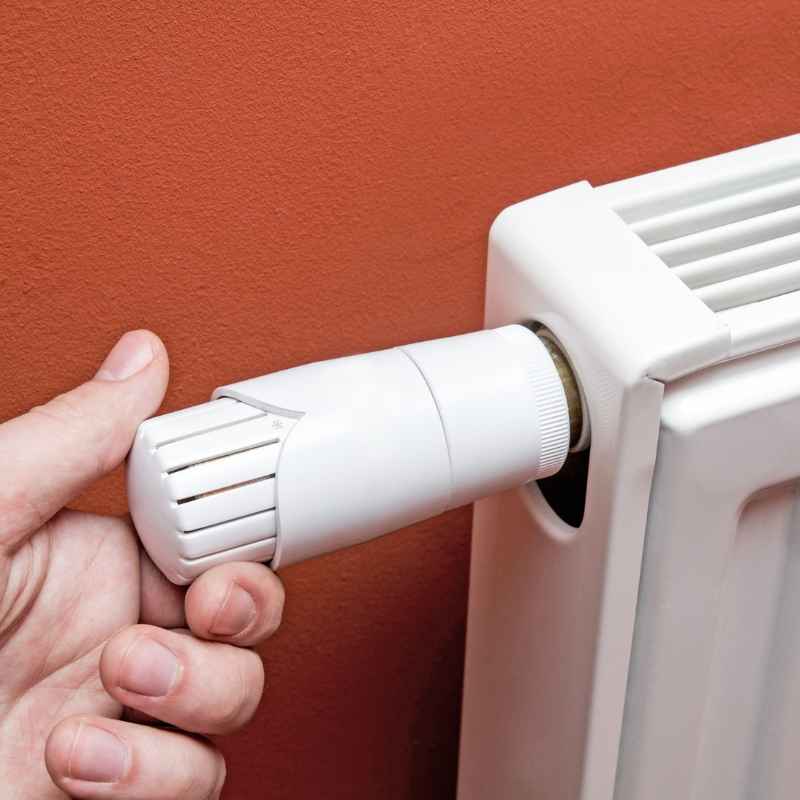
The regulator knob on your Mr. Heater is the key to controlling the flow of propane gas. This gas powers your heater, producing the warmth you need.
Different settings on the knob allow you to adjust how much gas is released. This means you can change the heat output of your heater. It’s like a faucet for your heat.
You turn it up or down to get just the right amount of warmth.
Think of the knob like a volume control for your heater. The “Hi” setting lets more gas through, giving you maximum heat. The “Lo” setting lets less gas through, providing a gentler warmth.
“Med” is right in the middle. And “Off” stops the gas flow completely. Knowing these basic functions is the first step to using your heater safely and effectively.
This simple device is crucial for your safety. Using the wrong setting can lead to inefficient heating or, in rare cases, unsafe conditions. So, taking a moment to understand what each setting does is well worth your time.
We’ll break down each part of the knob and what it means for your heating experience.
The “Off” Setting: Your Safety First
The Off position is the most important one to know. This is where you should always set the knob when you are done using the heater. It completely stops the flow of propane from the tank to the heater.
This prevents any gas from escaping when the heater is not in use. Always make sure the knob is firmly in the “Off” position before you disconnect the propane tank. This is a fundamental safety step.
When you are storing your heater or leaving it unattended, the “Off” setting is your best friend. It ensures that no gas is leaking out, which could be a fire hazard or a risk of gas buildup. Many people overlook this simple step, but it’s vital for peace of mind and preventing accidents.
It’s the last thing you do before putting the heater away or leaving the area.
Also, if you ever smell gas, the first thing you should do is turn the knob to “Off.” This immediately stops the source of the leak. After turning it off, you can then investigate the issue safely. Never try to operate a heater if you suspect a gas leak.
Safety always comes first with propane appliances.
The “Lo” Setting: Gentle Warmth
The Lo setting provides the lowest heat output. This is perfect for mild chilly days or when you just need a little bit of warmth. It uses the least amount of propane.
This means your propane tank will last longer. It’s great for keeping a small space comfortable without overheating it. Think of it for those times when you’re just trying to take the edge off the cold.
This setting is also useful when you are first turning the heater on. You can start on “Lo” to ensure everything is working correctly. Then, you can gradually increase the heat if needed.
It helps prevent sudden bursts of heat and lets the heater warm up gradually. This is a good habit to get into for any propane appliance.
Using the “Lo” setting is also a smart way to save money. Propane can be expensive. By using the lowest effective setting, you use less fuel.
This means fewer trips to refill your tank. So, if “Lo” is enough to keep you comfortable, stick with it!
The “Med” Setting: All-Around Comfort
The Med setting offers a balanced heat output. It’s more heat than “Lo” but less than “Hi.” This is often the sweet spot for many users. It’s ideal for moderately cold conditions.
You get a good amount of warmth without using propane too quickly. This setting is perfect for many common situations where you need consistent, comfortable heat.
Many people find “Med” to be the most used setting. It provides enough heat to make a garage or workshop pleasant for several hours. It’s a good compromise between fuel efficiency and heating power.
You don’t have to worry about being too cold or getting uncomfortably hot. It keeps things just right.
When you’re unsure if you need “Lo” or “Hi,” “Med” is a safe bet. It’s a good starting point for figuring out what works best for your specific heater and the conditions. Experimenting a little between “Lo” and “Med” can help you find your perfect comfort level.
The “Hi” Setting: Maximum Heat Power
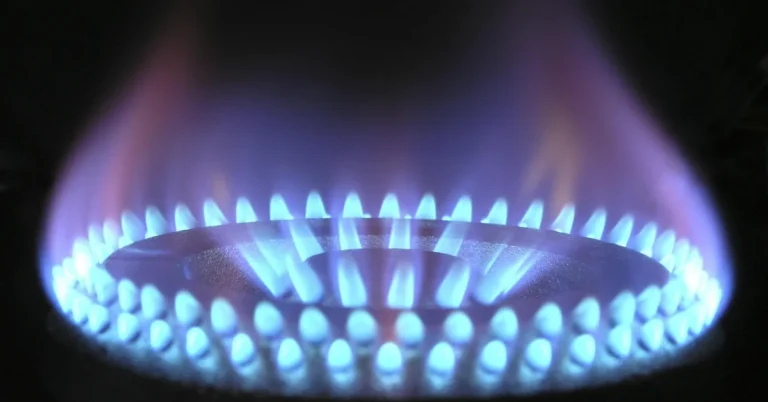
The Hi setting delivers the maximum heat output. This setting uses the most propane. It’s designed for very cold temperatures or when you need to heat a larger space quickly.
If you’re in a really drafty garage or working outside on a frigid day, “Hi” is your go-to. It will provide the most intense warmth your heater can offer.
Be mindful that “Hi” uses fuel the fastest. If you’re using “Hi” for an extended period, you’ll go through propane much quicker. It’s best to use this setting only when you truly need it.
For longer periods of comfortable heating, “Med” or “Lo” might be more economical.
When using “Hi,” also pay attention to ventilation. More heat output means more combustion. Ensure you have adequate airflow.
This is crucial for safety. Never run a propane heater in an unventilated enclosed space, especially on the “Hi” setting.
How to Actually Turn the Knob: Step-by-Step
Turning the Mr. Heater regulator knob is straightforward. But doing it in the right order ensures safety and proper function.
Here’s how you do it, step by step.
- Connect the Propane Tank: First, make sure the regulator knob is in the Off position. Then, securely connect the propane tank to the heater according to the manufacturer’s instructions.
- Turn on Propane (Slowly): Slowly turn the gas valve on the propane tank itself counter-clockwise. This opens the valve on the tank. Listen for any hissing sounds that might indicate a leak.
- Adjust Heater Knob: Now, gently turn the regulator knob on the heater. If you want immediate heat, turn it to Hi. For lower heat, choose Med or Lo.
- Check for Ignition: If your heater has an igniter, press it. If not, you’ll need to carefully light it with a long lighter or match.
- Troubleshooting: If it doesn’t light, turn the heater knob back to Off, wait a minute, and try again.
- Turning Off: When you’re finished, turn the heater knob to the Off position. Then, close the gas valve on the propane tank by turning it clockwise until it’s snug. This order is important for safety.
Remember, the knob on the heater controls gas flow to the burner. The valve on the tank controls the gas flow from the tank itself. You need to open both to get heat.
Always close the tank valve first when shutting down.
Quick Heater Start-Up Checklist
1. Safety Check: Ensure your heater is on a stable, level surface. Check for any damage to the unit or hoses.
2. Tank Connection: Confirm the propane tank is securely attached and the heater knob is Off.
3. Tank Valve: Slowly open the valve on the propane tank.
4. Heater Knob: Turn the heater knob to your desired setting (Lo, Med, or Hi).
5. Ignition: Light the heater using the built-in igniter or a long lighter.
My Own Heater Wobble: A Story
I remember the first time I used my Mr. Heater in my new garage workshop. It was late autumn, and the temperature was dropping fast.
I’d just finished assembling a workbench and wanted to test the heater to see if it could keep the space warm enough for projects. I’d connected everything, but when I went to turn the regulator knob, I hesitated. It had been a while since I’d used it, and I wasn’t 100% sure which direction was which or how to ignite it safely.
My mind flashed back to a time years ago when a friend had some trouble with a propane grill, and a small flare-up happened. A little bit of panic set in. I took a deep breath, remembering the basic steps.
I made sure the knob was on Off, then carefully opened the tank valve. I turned the heater knob to Med. The igniter clicked a few times, and then, with a soft ‘whoosh,’ a beautiful blue flame appeared.
Relief washed over me. The warmth that followed was immediate and welcome. That simple act of taking a moment to recall the correct procedure saved me a lot of potential worry.
Common Scenarios for Each Setting
Knowing when to use each setting makes a big difference in how you experience your Mr. Heater. Here are a few common scenarios:
Scenario Guide:
- Morning Warm-Up in the Garage: You arrive at your garage workshop on a crisp morning. It’s chilly, but not freezing. You just need to warm the space up a bit so you can work comfortably.
- Keeping the Chill Off the Patio: You’re having a small gathering on your patio in the early evening. The sun has gone down, and there’s a slight breeze. You want a comfortable ambient warmth.
- Intense Cold in the Workshop: It’s a deep winter day, and the temperature has plummeted. You need to get a project done in your uninsulated garage and require significant heat to be productive.
- Drying Out a Damp Area: You have a basement or shed that’s a bit damp and cool. You want to circulate some warmer air to help dry it out without making it too hot.
Let’s match these to the knob settings:
Setting Recommendations:
- Morning Warm-Up (Garage): Start with Med. If it feels a little too cool after a few minutes, you can bump it to Hi. If it gets too warm, dial it back to Lo.
- Patio Warmth: Lo or Med is usually perfect for this. You want gentle heat, not intense warmth that might be uncomfortable or waste fuel.
- Intense Cold (Workshop): Definitely use Hi. This is what it’s made for. You’ll need maximum output to combat the low temperatures.
- Drying Damp Area: Lo is ideal here. You want to provide consistent, gentle warmth that circulates air without creating excessive heat.
What This Means for Your Heater’s Longevity
Using the correct regulator settings isn’t just about comfort; it’s about the long-term health of your heater. When you use the appropriate setting, you put less strain on the components. For instance, constantly running a heater on “Hi” when “Med” would suffice can put extra wear on the burner and regulator assembly over time.
It’s like revving your car engine constantly; it wears out parts faster.
Propane tanks also have a lifespan for the gas inside. Using lower settings means your tank lasts longer. This saves you money and the hassle of frequent refills.
It also means you’re less likely to run out of fuel unexpectedly in the middle of a cold snap. Being mindful of the settings helps you manage your fuel supply better.
Furthermore, correct operation is key to preventing issues like carbon monoxide buildup. Proper ventilation is always essential, but using the right heat setting contributes to efficient combustion, which is safer. Always follow the manufacturer’s guidelines for your specific heater model.
Understanding Fuel Consumption:
Estimated Run Times (on a 20 lb tank):
| Setting | BTU/hr (Approximate) | Run Time (Approximate) |
|---|---|---|
| Hi | 40,000 | 4-5 hours |
| Med | 25,000 | 7-8 hours |
| Lo | 15,000 | 12-15 hours |
Note: Run times are estimates and can vary based on tank fullness, ambient temperature, and heater efficiency.
When to Worry: Red Flags
While Mr. Heaters are generally very safe and reliable, there are a few red flags you should always be aware of. These indicate a potential problem that needs immediate attention.
The most obvious sign is a strange smell. If you smell propane when the heater is supposed to be off, or if the smell is unusually strong even when it’s running, turn it off immediately. Turn the tank valve off too.
Do not try to relight it. Instead, check all connections. Make sure the O-ring is in place on the regulator connection.
You can use a soapy water solution to check for leaks at connections. If you see bubbles forming, you have a leak.
Another sign to watch for is unusual flame behavior. The flame should typically be blue with possibly some yellow tips. If the flame is entirely yellow or orange, or if it’s sputtering or making popping noises, it might mean incomplete combustion.
This could be due to poor ventilation or a problem with the heater itself. In such cases, turn the heater off and let it cool down.
If you find that no matter the setting, the heat output is very weak, or if the heater won’t ignite at all, there could be an issue with the regulator, the gas flow, or even the propane tank itself. Sometimes, a propane tank can have a safety valve that restricts flow if it’s opened too quickly; this is called an excess flow valve. If you suspect any of these issues, it’s best to consult the owner’s manual or contact Mr.
Heater customer support.
Safety Red Flags:
- Strong Propane Odor: Always turn off and investigate.
- Yellow/Orange Flame: Indicates incomplete combustion.
- Sputtering or Popping Sounds: Not normal operation.
- Weak Heat Output on All Settings: May signal a regulator or tank issue.
- Failure to Ignite: Check connections and propane supply.
Frequent Questions About Mr. Heater Regulator Knobs
What does “Hi-Med-Lo-Off” mean on a Mr. Heater regulator knob?
These settings control the amount of propane gas flowing to the heater. “Hi” provides maximum heat, “Med” offers a balanced heat, “Lo” gives the lowest heat output, and “Off” stops the gas flow completely. It’s like a volume control for your heater’s warmth.
How do I turn on my Mr. Heater safely?
First, ensure the heater knob is set to “Off.” Connect the propane tank securely. Slowly open the gas valve on the propane tank itself. Then, turn the heater’s regulator knob to your desired setting (Lo, Med, or Hi) and ignite the heater.
Which setting should I use for my garage?
For a garage, “Med” is often a good starting point for comfortable working temperatures. If it’s very cold, you might need “Hi.” If you just want to take the edge off, “Lo” might be enough. It depends on the outside temperature and how well your garage is insulated.
Can I leave the propane tank valve open all the time?
No. Always close the gas valve on the propane tank when the heater is not in use or when disconnecting the tank. This is a critical safety measure to prevent accidental gas leaks.
What if my Mr. Heater won’t light?
Ensure the propane tank valve is open and the heater knob is set to a heat setting (Lo, Med, or Hi). Check that the igniter is working and the propane is flowing. If it still won’t light, turn the heater knob to “Off,” wait a minute, and try again.
If problems persist, consult your owner’s manual or contact Mr. Heater support.
Is it safe to use a Mr. Heater indoors?
Mr. Heaters are designed for use in well-ventilated areas like garages, workshops, or outdoor spaces. They produce carbon monoxide, so they should NEVER be used in enclosed, unventilated living spaces or sleeping areas.
Always ensure adequate airflow as per the product manual.
How do I know if my Mr. Heater regulator is faulty?
Signs of a faulty regulator can include a weak or inconsistent flame, difficulty adjusting heat settings, or a constant smell of gas even when the knob is set to “Off.” If you suspect a problem, turn off the gas and do not use the heater. Contact customer support for assistance.
Conclusion: Warmth and Safety in Hand
Understanding your Mr. Heater’s regulator knob is simple but powerful. It gives you control over your comfort and ensures safe operation.
By knowing what “Hi,” “Med,” “Lo,” and “Off” mean, you can effectively manage your heater’s output, conserve fuel, and enjoy consistent warmth. Always remember safety first, especially when dealing with propane. Happy heating!
Sponsored / affiliate links. As an Amazon Associate I earn from qualifying purchases. I may earn additional commission from eligible campaigns.