Why HUD Requires Vented Instead of Ventless Heaters
Simply put, HUD requires vented heaters because they exhaust combustion byproducts like carbon monoxide safely outdoors, significantly reducing the risk of indoor air pollution and potential poisoning, whereas ventless heaters release these dangerous gases into the living space, posing a severe health hazard.
Key Takeaways
- Why HUD requires vented heaters is primarily for occupant safety, preventing carbon monoxide buildup and other harmful gas emissions indoors.
- Ventless heaters, though seemingly convenient, release combustion byproducts directly into the living environment, posing significant health risks.
- HUD’s mandate ensures that federally funded housing meets stringent safety standards for heating appliances.
- Proper installation and maintenance of vented heating systems are crucial for their safe and effective operation.
- Alternatives to traditional vented systems, like electric heating, can also be safer if combustion is a concern.
What are Vented Heaters and How Do They Work?
Vented heating systems are designed to safely expel the byproducts of combustion, such as carbon monoxide, nitrogen dioxide, and water vapor, directly outside the building through a dedicated vent or chimney. This process is fundamental to their safety design. The heater draws in combustion air, burns fuel (like natural gas, propane, or oil), and then uses a flue or vent pipe to direct all exhaust gases away from the interior living space.
There are two main types of vented systems: natural draft and direct vent. Natural draft vents rely on the natural buoyancy of hot exhaust gases to rise and exit through a chimney or flue. Direct vent systems, on the other hand, use a fan to actively push exhaust gases out and often draw combustion air from the outside as well, making them more energy-efficient and allowing for more flexible installation locations.
Both types ensure that the air you breathe inside your home remains free from toxic fumes.
The effectiveness and safety of a vented system depend heavily on proper installation and regular maintenance. A blocked or improperly sized vent can lead to dangerous backdrafting, where exhaust gases re-enter the home. This is why professional installation by a qualified technician is not just recommended, but often mandated by building codes and organizations like HUD.
- Mechanism of Vented Heaters:
- Fuel combustion occurs in a sealed chamber.
- Exhaust gases are channeled through a vent pipe.
- Combustion air is either drawn from inside or directly from the outside.
- Byproducts like carbon monoxide are expelled to the exterior.
- This separation prevents indoor air contamination.
- Ensures a safer breathing environment for occupants.
The primary advantage of vented heaters is their ability to maintain excellent indoor air quality. By isolating the combustion process and venting its waste products externally, they eliminate the risk of harmful gases accumulating within the home. This is particularly important in enclosed spaces or during colder months when windows are kept shut, limiting natural ventilation.
The Dangers of Ventless Heaters in Residential Settings
Ventless heaters, also known as unvented or ductless heaters, are designed to release their combustion byproducts directly into the room where they are installed. While they might seem appealing due to their lower upfront cost and simpler installation, they pose significant and often severe health risks. The fundamental issue is that the gases produced during combustion are precisely what you want to keep out of your living space.
These heaters burn fuel, producing carbon monoxide (CO), a colorless, odorless, and deadly gas. They also release nitrogen dioxide and other volatile organic compounds (VOCs) that can irritate the respiratory system, exacerbate asthma and allergies, and contribute to a general decline in indoor air quality. In poorly ventilated areas, these gases can quickly reach dangerous concentrations, leading to headaches, dizziness, nausea, and in extreme cases, death.
Furthermore, ventless heaters release a considerable amount of moisture into the air. This excess humidity can lead to condensation on windows and walls, promoting mold and mildew growth. This, in turn, can cause structural damage to the property and create an unhealthy living environment, especially for individuals with respiratory sensitivities.
| Ventless Heater Risks | Health Impact |
|---|---|
| Carbon Monoxide (CO) Emission | Headaches, dizziness, nausea, respiratory distress, potentially fatal. |
| Nitrogen Dioxide & VOCs | Respiratory irritation, asthma triggers, eye irritation, poor indoor air quality. |
| Moisture Release | Promotes mold and mildew growth, potential structural damage, exacerbates allergies. |
| Oxygen Depletion | In very confined spaces, can reduce oxygen levels, causing fatigue and disorientation. |
The Environmental Protection Agency (EPA) and various public health organizations strongly caution against the use of ventless appliances in residential settings due to these inherent risks. HUD’s stance reflects a commitment to prioritizing the health and safety of residents in properties it oversees.
Warning: Never install or use a ventless combustion appliance in a bedroom, bathroom, or any other small, enclosed space without adequate and constant ventilation. The risk of carbon monoxide poisoning is extremely high.
HUD’s Role in Housing Safety Standards
The U.S. Department of Housing and Urban Development (HUD) plays a crucial role in setting and enforcing safety standards for housing across the nation, particularly for properties that receive federal funding or are part of HUD programs. This mandate extends to the types of appliances that can be installed, ensuring that residents are protected from potential hazards.
HUD’s regulations are grounded in established building codes and safety recommendations from agencies like the Consumer Product Safety Commission (CPSC) and the National Fire Protection Association (NFPA).
The primary objective behind HUD’s requirements for vented heating systems is to safeguard the health and lives of individuals residing in federally assisted housing. This includes public housing, housing for the elderly and disabled, and housing developed with federal subsidies. By mandating vented appliances, HUD aims to prevent incidents of carbon monoxide poisoning, respiratory illnesses, and other health issues directly linked to indoor air pollution from combustion appliances.
HUD’s standards are not arbitrary; they are based on extensive research and a history of incidents involving indoor air quality. The department works with local housing authorities and property managers to ensure compliance. This involves inspections, guidelines for appliance selection, and requirements for proper installation and maintenance.
Adherence to these standards is a condition of federal funding and a testament to HUD’s commitment to providing safe and healthy living environments.
Understanding Carbon Monoxide (CO) Poisoning
Carbon monoxide (CO) is often referred to as the “silent killer” because it is colorless, odorless, and tasteless, making it virtually undetectable by human senses. It is produced when fuels such as natural gas, propane, oil, wood, and kerosene burn incompletely. Appliances that use these fuels, including furnaces, water heaters, stoves, fireplaces, and portable generators, can be sources of CO if they are not functioning properly or are not vented correctly.
When inhaled, CO molecules attach to hemoglobin in the blood much more readily than oxygen. This reduces the blood’s ability to carry oxygen to vital organs like the brain and heart. Symptoms of CO poisoning can mimic those of the flu, making it difficult to diagnose.
Early symptoms include headaches, dizziness, nausea, fatigue, and confusion. As the concentration of CO in the air increases and exposure time lengthens, symptoms can progress to vomiting, loss of consciousness, seizures, and ultimately, death.
The risk of CO poisoning is significantly higher in homes with faulty or unvented combustion appliances. This is precisely why HUD mandates the use of vented systems. A properly installed vented heater ensures that any CO produced is safely expelled outside the home.
However, even with vented systems, regular maintenance is crucial to prevent malfunctions that could lead to CO leaks. Installing carbon monoxide detectors on every level of the home and near sleeping areas is a critical safety measure recommended by fire departments and safety organizations.
- How Carbon Monoxide Affects the Body:
- Inhalation of CO.
- CO binds to hemoglobin in red blood cells, forming carboxyhemoglobin (COHb).
- This binding is much stronger than oxygen’s binding, displacing oxygen.
- Reduced oxygen transport to tissues and organs (brain, heart).
- Cells are starved of oxygen, leading to cellular damage and dysfunction.
- Symptoms manifest as oxygen deprivation effects.
Important: Always install and maintain carbon monoxide detectors in your home, even if you have vented heating systems. They are a crucial layer of protection against unseen dangers. Check the batteries regularly and replace detectors according to the manufacturer’s instructions.
Comparing Vented vs. Ventless Heating: A Cost-Benefit Analysis
When considering heating options, the initial cost and ongoing operational expenses are often primary concerns. Ventless heaters typically have a lower purchase price and installation cost because they do not require the complex venting infrastructure of their vented counterparts. This can make them an attractive option for budget-conscious individuals or for temporary heating needs.
However, this cost-saving is often offset by significant long-term disadvantages and potential expenses related to health and property damage. The immediate health risks associated with CO and other pollutants can lead to medical bills and, in tragic circumstances, far greater costs. Furthermore, the excess moisture released by ventless heaters can lead to mold remediation, structural repairs, and increased energy costs due to dampness, all of which can be substantial.
Vented heaters, while having a higher initial investment due to the cost of the unit and professional installation of the venting system, offer superior safety and long-term value. Modern vented furnaces and boilers are also highly energy-efficient, which can lead to lower utility bills over time. The peace of mind that comes with knowing your heating system is not compromising the indoor air quality is invaluable, especially for families and vulnerable populations.
| Feature | Vented Heaters | Ventless Heaters |
|---|---|---|
| Initial Cost | Higher (unit + venting installation) | Lower (unit cost) |
| Installation Complexity | More complex (requires venting) | Simpler (no external vent needed) |
| Indoor Air Quality | Excellent (byproducts vented outdoors) | Poor (byproducts released indoors) |
| Health Risks | Minimal (when properly maintained) | Significant (CO poisoning, respiratory issues) |
| Moisture Production | Low | High (can cause mold/mildew) |
| Energy Efficiency | Generally good to excellent | Can be higher due to heat loss if not well-sealed |
The choice between vented and ventless systems is therefore not just about immediate price but about long-term safety, health, and the overall habitability of a home. HUD’s requirement for vented systems strongly favors the latter considerations.
Alternatives to Combustion Heating for Enhanced Safety
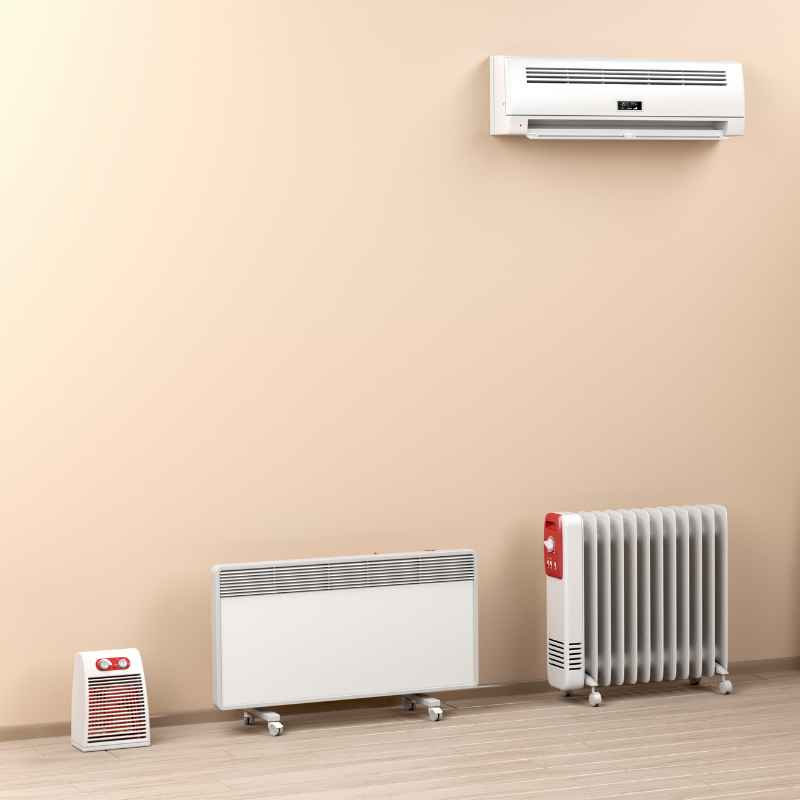
For individuals and property managers prioritizing safety and seeking to eliminate the risks associated with combustion appliances altogether, alternative heating methods are available. These options circumvent the need for fuel burning and the associated production of harmful byproducts. Electric resistance heating, for instance, is a common alternative that directly converts electrical energy into heat.
While it can be less energy-efficient than some high-efficiency gas furnaces in terms of monthly bills, it offers a completely safe indoor environment as there are no combustion gases produced.
Another increasingly popular and highly efficient alternative is the heat pump. Heat pumps work by transferring heat from one place to another, rather than generating it through combustion. In warmer months, they can extract heat from the indoor air and transfer it outside, acting as an air conditioner.
In colder months, they can extract heat from the outside air (even in cold temperatures) and transfer it indoors. This process is highly energy-efficient and produces no indoor emissions. Modern heat pumps are capable of providing comfortable heating even in very cold climates.
For those looking at central heating systems, electric furnaces or electric boilers are also options. These systems use electricity to generate heat and are typically designed with safety in mind, often with built-in safety shut-offs and no risk of CO leakage. While the cost of electricity can be a factor, the elimination of combustion-related risks provides a significant advantage for indoor air quality and occupant safety, aligning with the principles behind HUD’s preference for vented systems.
- Safe Heating Alternatives:
- Electric Resistance Heaters (e.g., baseboard heaters, portable electric heaters)
- Heat Pumps (air source, geothermal)
- Electric Furnaces
- Electric Boilers
- Underfloor Radiant Heating (electric or hydronic, with safe boiler source)
- Propane or Natural Gas heaters specifically designed for outdoor use only (e.g., patio heaters – NOT for indoor use)
The availability and suitability of these alternatives may depend on the property’s existing infrastructure, local climate, and budget. However, for properties where HUD compliance is a priority, or for any homeowner seeking to maximize safety, these options present compelling solutions that eliminate the inherent risks of combustion.
Frequently Asked Questions
What is the main reason HUD mandates vented heaters?
HUD mandates vented heaters primarily to protect residents from the dangers of carbon monoxide poisoning and other harmful combustion byproducts. Vented systems safely exhaust these gases outdoors, ensuring better indoor air quality and preventing potentially life-threatening conditions.
Are all ventless heaters dangerous?
All combustion-based ventless heaters pose a significant risk of releasing dangerous gases like carbon monoxide and moisture into living spaces. While some portable models might have oxygen depletion sensors, they do not eliminate the fundamental hazard of indoor gas emission and are strongly discouraged for primary or continuous heating by safety organizations.
Can a malfunctioning vented heater still be dangerous?
Yes, a malfunctioning vented heater can still be dangerous if the venting system is blocked, leaking, or improperly installed. This can lead to exhaust gases, including carbon monoxide, backing up into the home. Regular professional maintenance is crucial for all vented heating systems.
What are the health effects of prolonged exposure to low levels of CO from ventless heaters?
Prolonged exposure to low levels of carbon monoxide can lead to chronic health issues, including persistent headaches, fatigue, cognitive impairment, and cardiovascular problems. It can also worsen existing respiratory conditions like asthma and bronchitis.
Are there any exceptions to HUD’s ventless heater ban?
Generally, HUD strictly prohibits the use of unvented combustion space heaters in federally funded housing due to safety concerns. There are very few, if any, exceptions for the types of appliances typically considered “ventless heaters.” Safety regulations are typically non-negotiable in such contexts.
Final Thoughts
Understanding why HUD requires vented instead of ventless heaters boils down to an unwavering commitment to occupant safety. The risks associated with carbon monoxide and poor indoor air quality from combustion byproducts are simply too great to ignore. While ventless heaters may offer short-term cost savings, the potential for severe health consequences and property damage makes them an unacceptable choice for safe, modern living, especially in federally regulated housing.
Prioritizing vented systems or safer alternatives like electric heating ensures a healthier and more secure environment for everyone.
Sponsored / affiliate links. As an Amazon Associate I earn from qualifying purchases. I may earn additional commission from eligible campaigns.