Are There Covers for Baseboard Heaters to Protect Furniture?
Covers for baseboard heaters are an excellent solution for protecting your furniture from heat damage while maintaining a clean, finished look in any room. This post explains what these covers are, how they work, and what to consider before buying or building them.
Simply put, yes, there are specially designed covers and guards for baseboard heaters that shield furniture from direct heat exposure. These covers range from simple metal deflectors to full custom-built enclosures that redirect heat upward and outward, reducing the risk of scorched wood, melted plastics, or fabric damage.
Key Takeaways
- Covers for baseboard heaters are available as metal deflectors, magnetic guards, and custom enclosures to protect nearby furniture from heat.
- Proper baseboard heater covers improve safety by reducing fire risk and preventing furniture discoloration or warping.
- You can buy pre-made covers or build your own using heat-resistant materials like aluminum or steel.
- Installation is typically simple, but you must always maintain adequate airflow to prevent overheating and maintain heater efficiency.
- Choosing the right cover depends on your heater type, furniture placement, and room layout.
What Are Covers for Baseboard Heaters and How Do They Work?
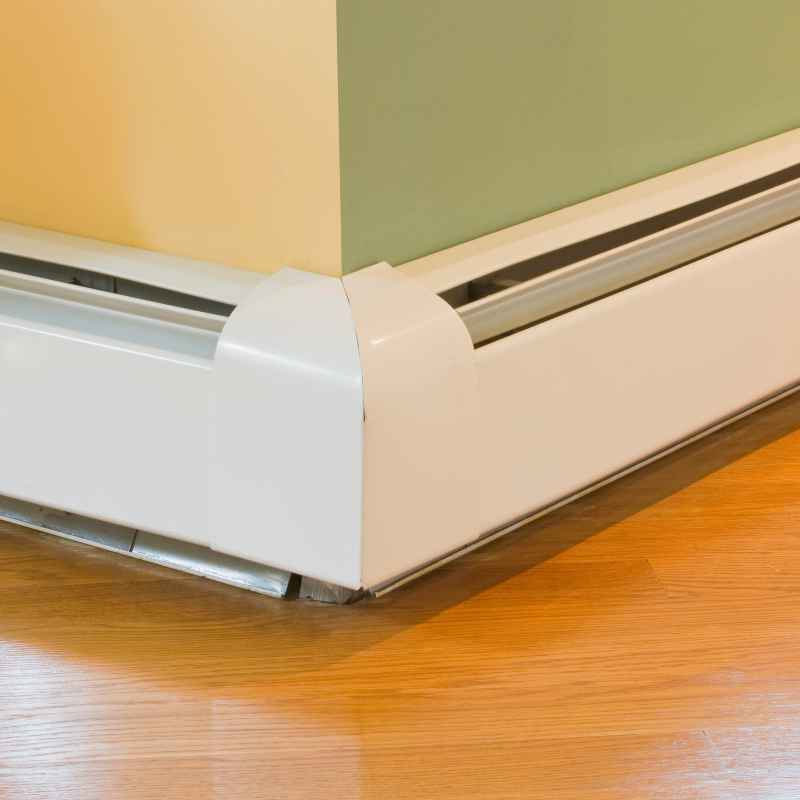
Baseboard heater covers are protective shields placed over or in front of your heating units to redirect heat flow and create a barrier between the hot surface and your furniture. They are typically made from metal, such as aluminum or steel, because these materials withstand high temperatures without warping or catching fire.
The primary function of these covers is to deflect hot air upward and away from furniture like sofas, beds, desks, and cabinets. Without a cover, the intense heat rising directly from a baseboard heater can cause wood to dry out and crack, fabric to fade or melt, and plastics to deform over time.
- Heat deflection – The cover angles hot air away from furniture legs and bases, preventing direct thermal contact.
- Physical barrier – A sturdy cover prevents furniture from accidentally touching the heater’s hot metal fins.
- Aesthetic improvement – Many covers are designed to match your trim and blend in with the room.
- Fire risk reduction – Keeps flammable materials like curtains, bedding, and upholstery a safe distance from the heat source.
- Airflow management – Properly designed covers maintain enough circulation so the heater operates efficiently.
Tip: Always measure the height, depth, and length of your baseboard heater before purchasing a cover. Most standard covers fit heaters that are 6–8 inches tall and 3–4 inches deep.
Why Should You Use a Cover for Your Baseboard Heater?
Many homeowners underestimate the amount of heat a baseboard heater produces during the winter months. Surface temperatures on the metal casing can reach 150–200°F (65–93°C), which is more than enough to damage furniture placed within a few inches. Using a dedicated cover minimizes this risk significantly.
Beyond furniture protection, covers also improve the overall safety of your home. According to the National Fire Protection Association (NFPA), heating equipment is a leading cause of home fires during the colder months, and keeping combustible materials at least three feet away from heaters is a critical safety guideline. A cover acts as a physical reminder and barrier that helps you maintain that distance.
| Benefit | Why It Matters |
|---|---|
| Prevents wood warping | Direct heat can cause wooden furniture legs to dry out, crack, or bend over time. |
| Protects upholstery | Fabric and foam can degrade, fade, or even melt when exposed to sustained heat. |
| Reduces fire hazard | Keeps drapes, bedding, and upholstery from contacting hot surfaces. |
| Improves heat distribution | Redirects warm air upward into the room instead of trapping it behind furniture. |
| Adds aesthetic value | Many covers are paintable and blend with baseboards for a built-in look. |
As the U.S. Department of Energy notes, baseboard heaters are most efficient when airflow is unobstructed. A well-designed cover actually enhances air circulation by channeling heat away from furniture and into the open space of the room, helping your heating system perform better.

What Types of Covers for Baseboard Heaters Are Available?
There are several categories of baseboard heater covers on the market, each suited for different needs and budgets. The right choice depends on your heater model, the type of furniture you need to protect, and your comfort level with DIY projects.
Most covers fall into one of three main types: magnetic deflectors, metal enclosures, and custom-built solutions. Each has its own set of advantages and limitations, so it helps to compare them side by side before making a decision.
- Magnetic deflector covers – These attach directly to the metal casing of the heater using built-in magnets. They are easy to install, require no tools, and are ideal for renters or temporary setups. They redirect heat upward and away from furniture positioned nearby.
- Metal box enclosures – These are full-length covers that fit over the entire heater unit. They are usually made of perforated steel or aluminum and are designed to match the room’s trim. They offer the most comprehensive protection and a polished look.
- Custom-built wooden or metal covers – For those who want a specific size or style, building a custom cover is a great option. These can be made from heat-resistant materials and painted to match baseboards exactly.
Important: Never use plastic, vinyl, or untreated wood for a cover. These materials can melt, warp, or catch fire. Always use metal or heat-rated materials only.
| Cover Type | Cost Range | DIY Difficulty | Best For |
|---|---|---|---|
| Magnetic deflector | $15–$40 | Very easy | Renters, quick fixes |
| Metal enclosure | $50–$150 | Moderate | Permanent protection |
| Custom build | $10–$60 (materials) | Hard | Unique sizes, custom look |
Magnetic deflectors are the most affordable and straightforward option. Metal enclosures offer the best balance of protection and appearance. Custom builds require more work but give you complete control over dimensions and finish.
What Are the Best Materials for Baseboard Heater Covers?
Choosing the right material is critical for both safety and durability. The material must withstand high temperatures without warping, cracking, or releasing harmful fumes. Aluminum and steel are the industry standards for a reason.
Aluminum is lightweight, corrosion-resistant, and conducts heat well, making it a popular choice for pre-made covers. Steel, especially powder-coated steel, is heavier and more durable, offering better protection against impacts and long-term wear. Both materials can be painted to match your baseboards.
- Aluminum – Lightweight, resists rust, easy to cut and shape, moderate cost. Best for most residential applications.
- Steel (galvanized or powder-coated) – Heavier, very durable, excellent heat resistance, higher cost. Best for high-traffic areas or long-term installations.
- Stainless steel – Extremely durable, corrosion-proof, premium cost. Best for kitchens, bathrooms, or humid environments.
- Heat-treated wood – Only use if lined with metal on the interior. Wood alone is not safe. Best for custom aesthetic projects.
- Ceramic or stone – Rare but possible. Very heavy and expensive. Best for specialized design applications.
According to the American Society of Heating, Refrigerating and Air-Conditioning Engineers (ASHRAE), aluminum and steel are rated as Class A materials for heat resistance, meaning they do not contribute to fire spread. Always check the material rating before purchasing or building a cover.
Warning: Never use acrylic, polycarbonate, PVC, or any plastic-based material for a baseboard heater cover. These can melt, emit toxic fumes, or catch fire when exposed to high heat.
How to Choose the Right Cover for Your Baseboard Heater
Selecting the best cover for your situation involves evaluating a few key factors. The first step is identifying your heater type — electric baseboard heaters and hydronic (hot water) baseboard heaters have different dimensions and heat profiles. Electric heaters tend to get hotter on the surface, so they benefit more from a full enclosure.
Next, measure the length, height, and depth of your heater. Most covers are sold in standard lengths (24, 36, 48, 60, and 72 inches) but some brands offer custom sizing. You also need to consider the clearance between the heater and your furniture — if your sofa is right up against the wall, a magnetic deflector might be the only option.
- Measure your heater – Use a tape measure to get the exact length, height, and depth. Write these down before shopping.
- Identify heater type – Electric units run hotter than hydronic ones. Choose a cover rated for the higher temperature.
- Check furniture placement – If furniture is less than 3 inches from the heater, prioritize a deflector-style cover.
- Decide on aesthetics – Choose a cover that can be painted to match your trim and blend into the room.
- Consider installation – Magnetic covers require no tools. Enclosures may need screws and a drill.
- Check local codes – Some building codes require a minimum clearance around heating units. Verify before installing.
The Consumer Product Safety Commission (CPSC) recommends maintaining at least 6 inches of clearance between furniture and any heating appliance. A good cover helps you achieve this even in tight spaces by deflecting heat away from the furniture surface.
How to Install a Baseboard Heater Cover Safely
Installation varies depending on the type of cover you choose, but the general process is straightforward. Magnetic deflectors simply snap onto the front of the heater casing. Enclosures typically require you to remove the front panel of the heater, slide the cover into place, and secure it with brackets or screws.
Always turn off the power to the heater at the circuit breaker before starting any installation. For hydronic systems, ensure the pipes are cool to the touch. Safety should always come first — working with live electrical components is dangerous.
- Step 1: Turn off power – Switch off the breaker for the room where you are working. Confirm the heater is cool.
- Step 2: Clean the heater – Remove dust and debris from the fins and casing. A clean surface ensures better heat transfer.
- Step 3: Position the cover – For magnetic covers, simply place it on the front. For enclosures, follow the manufacturer’s bracket instructions.
- Step 4: Secure the cover – Use magnets, screws, or clips provided. Make sure the cover is stable and does not rattle.
- Step 5: Test operation – Turn the power back on and let the heater run for 10 minutes. Check that the cover is not blocking airflow or making contact with the fins.
Tip: After installation, place a piece of cardboard between the heater and your furniture for the first few days. If the cardboard stays cool to the touch, your cover is working properly.
Most installations take 15–30 minutes for magnetic deflectors and 45–60 minutes for full enclosures. No special tools are required beyond a screwdriver and possibly a drill. If you are unsure about working with electrical systems, consult a licensed electrician.
What Are Common Mistakes to Avoid When Using Heater Covers?
Even with the best intentions, some homeowners make mistakes that reduce the effectiveness or safety of their baseboard heater covers. Being aware of these pitfalls will help you get the most out of your setup.
The most common error is blocking the top or bottom vents of the heater. Baseboard heaters rely on convection — cool air enters at the bottom, gets heated, and rises out the top. If your cover blocks either of these pathways, the heater will overheat and may shut off or even cause a fire.
- Blocking airflow – Never place furniture, rugs, or curtains directly in front of the cover. Leave at least 3 inches of clearance.
- Using plastic or wood covers – Only use metal or heat-rated materials. Plastics melt, and wood can char over time.
- Covering the thermostat – If your heater has a built-in thermostat, do not cover it. This causes inaccurate temperature readings.
- Forgetting to clean – Dust builds up on covers and reduces heat output. Clean your cover every month during heating season.
- Overtightening screws – Metal can warp if you over-tighten. Use firm but gentle pressure when securing brackets.
Important: The Occupational Safety and Health Administration (OSHA) emphasizes that heating appliances must never be obstructed. Even with a cover, maintain clearance as specified by the heater manufacturer.
Can You Build Your Own Baseboard Heater Cover?
Yes, building your own cover is a practical option for those with DIY skills and the right tools. Custom covers allow you to match the exact dimensions of your heater and the style of your room. However, safety must be the top priority — any homemade cover must be made from heat-resistant materials and designed to allow proper airflow.
For a basic metal cover, you will need sheet aluminum or galvanized steel, a metal cutting tool, a bending brake or straightedge, screws or magnets, and heat-resistant paint. The design should have a solid back panel and a perforated or slotted front panel to let heat escape while deflecting it upward.
- Materials needed – Sheet aluminum (recommended), metal snips, measuring tape, file/deburring tool, screws or magnets, high-heat spray paint.
- Basic design – Cut a rectangle that fits over the front of the heater. Add bent tabs at the top and bottom for stability. Drill ventilation slots or buy pre-perforated metal.
- Safety checks – Ensure no sharp edges. Test that the cover does not contact the heating fins. Paint only with paint rated for 400°F or higher.
- Time estimate – A simple custom cover takes 1–3 hours to build, depending on complexity and tools.
- Cost – DIY covers typically cost $10–$30 in materials, making them the most budget-friendly option.
If you are not experienced with metalworking, start with a pre-made cover. A poorly built DIY cover can be just as dangerous as no cover at all. Always test your cover with the heater on full blast for at least 30 minutes before placing furniture nearby.
How Do You Maintain a Baseboard Heater Cover?
Regular maintenance keeps your cover working effectively and extends its lifespan. The main task is cleaning — dust and pet hair accumulate quickly on the surface and inside the cover, reducing heat output by up to 25% according to some energy studies.
Use a vacuum with a brush attachment to clean the cover’s exterior and the slot openings. For deeper cleaning, remove the cover (if possible) and wipe it down with a damp cloth. Do not use abrasive cleaners that could scratch painted surfaces.
Check the magnets or screws periodically to ensure they are still secure.
- Monthly vacuuming – Use a brush attachment to remove dust from the cover surface and slots. This prevents buildup that blocks airflow.
- Seasonal deep clean – At the start and end of heating season, remove the cover and clean the heater fins with a soft brush.
- Check for warping – Inspect the cover for any signs of heat damage, discoloration, or warping. Replace if damaged.
- Retighten fasteners – Over time, screws or magnets can loosen. Check every 3–6 months and tighten as needed.
- Repaint if needed – If the paint chips or fades, use high-heat spray paint to refresh the look and protect the metal.
With proper care, a well-made baseboard heater cover can last 10–15 years or longer. Aluminum covers may need repainting every 3–5 years, while powder-coated steel covers hold their finish longer.
Frequently Asked Questions
Can you put furniture directly in front of a baseboard heater with a cover?
It is never recommended to place furniture directly in front of a baseboard heater, even with a cover. You should maintain at least 3–6 inches of clearance to ensure proper airflow and prevent heat buildup. The cover reduces risk but does not eliminate the need for safe spacing.
Do baseboard heater covers reduce heating efficiency?
No, a properly designed cover actually improves efficiency by redirecting heat into the room rather than letting it get trapped behind furniture. However, a poorly designed or blocked cover can reduce airflow and lower efficiency. Always choose a cover with adequate ventilation slots.
Are magnetic baseboard heater deflectors safe for electric heaters?
Yes, magnetic deflectors are safe for electric baseboard heaters as long as the magnets are strong enough to hold the cover in place and the cover does not contact the heating elements. They are one of the safest options because they attach externally and do not require any modification to the heater.
What is the best material for a DIY baseboard heater cover?
Sheet aluminum is the best material for a DIY cover because it is lightweight, easy to cut, corrosion-resistant, and handles high temperatures well. Galvanized steel is a heavier but more durable alternative. Never use plastic, PVC, or untreated wood.
How much does a baseboard heater cover cost?
Pre-made covers range from $15 for a simple magnetic deflector to $150 for a full custom-sized metal enclosure. DIY covers typically cost $10–$30 in materials. Prices vary based on material, size, and brand.
Final Thoughts
Covers for baseboard heaters are a practical and effective way to protect your furniture from heat damage while improving room safety. Whether you choose a simple magnetic deflector, a full metal enclosure, or a custom build, the key is ensuring proper airflow and using heat-resistant materials. Investing in a quality cover not only safeguards your furniture but also helps your heating system run more efficiently.
Take the time to measure your heater, choose the right type, and install it safely — your furniture and your peace of mind will thank you.
Sponsored / affiliate links. As an Amazon Associate I earn from qualifying purchases. I may earn additional commission from eligible campaigns.