Are Ventless Garage Heaters Legal in Washington County MN?
Ventless garage heaters in Washington County MN are a popular heating choice for homeowners seeking an efficient and cost-effective way to warm their garages during cold Minnesota winters. This post explores their legality, regulations, and key considerations to help you make an informed decision.
Simply put, ventless garage heaters are generally legal in Washington County MN, but they must comply with strict state and local building codes, including those from the Minnesota Department of Labor and Industry. Always verify with the county permit office before installation.
Key Takeaways
- Ventless garage heaters in Washington County MN are allowed under specific conditions, such as proper sizing and ventilation.
- Local codes often require a permit, adherence to National Fuel Gas Code NFPA 54, and clearance from combustible materials.
- Unvented gas heaters must be installed by a licensed professional and meet ANSI Z21.20 standards.
- Washington County enforces additional rules for garages attached to homes, including carbon monoxide detector requirements.
- Always consult the county building department for the latest amendments, as regulations can change.
What Are Ventless Garage Heaters?
Ventless garage heaters, also known as vent-free or unvented heaters, are heating units that do not require a flue, chimney, or vent pipe to exhaust combustion gases. They burn fuel—typically natural gas or propane—and release the heat directly into the room.
These heaters are designed for indoor use, including garages, and are popular because they offer high efficiency, often exceeding 99%, as reported by the U.S. Department of Energy. They also reduce heat loss compared to vented models, since no heated air escapes through a vent.
However, because they release combustion byproducts like carbon monoxide, nitrogen dioxide, and water vapor, their use is regulated to ensure safety. The American Lung Association notes that unvented gas heaters can contribute to indoor air quality issues if not used properly.
- Fuel types: natural gas, propane, or kerosene (less common)
- Heat output: typically 10,000 to 40,000 BTUs for garage use
- Efficiency: up to 99.9% efficiency, according to Energy Star
- Installation: wall-mounted, floor-standing, or portable
- Safety features: oxygen depletion sensors (ODS), tip-over switches
| Feature | Ventless Heater | Vented Heater |
|---|---|---|
| Installation Cost | Lower, no ductwork needed | Higher, requires venting system |
| Efficiency | Up to 99% | 70-85% |
| Indoor Air Quality | Lower, releases combustion byproducts | Higher, exhausts outside |
| Maintenance | Minimal, regular cleaning recommended | More, due to vent components |
Understanding these basics helps homeowners weigh the benefits against potential safety risks, especially in regulated areas like Washington County.
How Do Ventless Garage Heaters Work?
Ventless garage heaters operate by burning fuel in a sealed combustion chamber or open flame, then transferring heat through a fan or natural convection. The key difference from vented models is that combustion byproducts stay in the room rather than being expelled outside.
The units include oxygen depletion sensors that automatically shut off if oxygen levels drop too low, a critical safety feature mandated by ANSI standards. For example, a typical 20,000 BTU propane heater can warm a 400-square-foot garage in about 30 minutes.
Tip: Always set your ventless heater to the correct BTU for your garage size. Oversized units create excess moisture and combustion gases.
- Fuel enters through a gas line or propane tank connection.
- An igniter starts the burner, either manually or electronically.
- Heat radiates or is blown into the room using a built-in fan.
- An oxygen depletion sensor monitors air quality continuously.
- If O2 falls below 18%, the heater shuts off automatically.
The efficiency of these heaters comes from using nearly all the fuel energy, but this also means lower air quality if ventilation is insufficient. The Minnesota Department of Commerce recommends vent-free heaters only in rooms with adequate size and airflow.
Types of Ventless Garage Heaters
Ventless garage heaters come in several types, each suited for different garage setups and user preferences. The main categories include propane, natural gas, and electric models, though electric units are less common for full garage heating.
Propane ventless heaters are portable and ideal for garages without a gas line. Natural gas models require a permanent connection but offer lower operating costs. Both types must be rated for indoor use and carry an ANSI certification.
- Propane unvented heaters: Use 20 lb tanks, easy to move, BTU range 10,000–30,000
- Natural gas vent-free heaters: Piped directly, higher BTU, up to 40,000
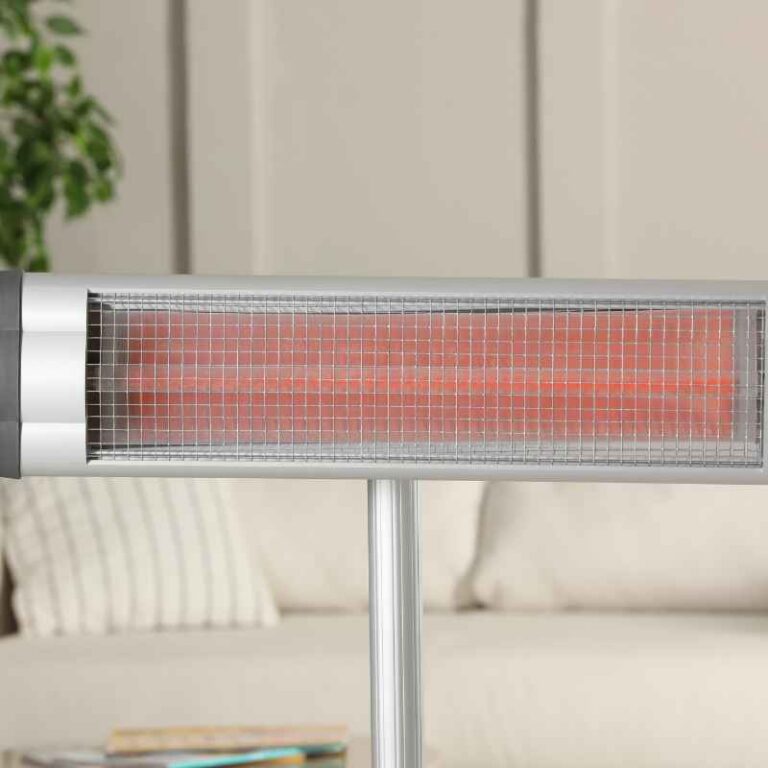
- Electric infrared heaters: No combustion, but higher electricity cost
- Radiant vs. forced air: Radiant heats objects, forced air circulates warm air
- Kerosene heaters: Less efficient, strong odor, not recommended for garages
| Type | Fuel | Best Use |
|---|---|---|
| Propane Cabinet Heater | Propane | Small to medium garages |
| Natural Gas Wall Heater | Natural gas | Permanent installations |
| Electric Infrared Panel | Electricity | Workshops with insulation |
Choosing the right type depends on your garage size, budget, and whether you need portability. For Washington County, propane and natural gas ventless heaters are most common, but they require compliance with local fuel gas codes.
Important: Only use heaters labeled for indoor use. Outdoor-rated heaters can produce dangerous carbon monoxide levels in enclosed spaces.
Legal Status of Ventless Garage Heaters in Washington County MN
The direct question: ventless garage heaters in Washington County MN are legal, but they are subject to the Minnesota State Building Code and local amendments. Washington County follows the Minnesota State Fire Code, which adopts the NFPA 54 National Fuel Gas Code and the International Residential Code.
Specifically, the county permits vent-free heaters in garages that meet the following conditions: the garage must be at least 500 cubic feet per 1,000 BTUs of heater input, have a ceiling height exceeding 7 feet, and include at least one operable window or door for natural ventilation. The Minnesota Department of Labor and Industry requires that all fuel-burning heaters be installed by a licensed contractor.
Warning: Installing a ventless heater without a permit in Washington County can result in fines up to $1,000, per the county building department.
The county also enforces restrictions in attached garages. If your garage shares a wall with your home, a carbon monoxide detector is mandatory within 10 feet of the connecting door. The heater must not be placed where it could ignite combustible materials like gasoline or paint fumes.
- Permit required for installation of any gas heater, ventless or vented.
- Heater must be listed with ANSI Z21.20 or UL 307B for unvented gas heaters.
- Clearance minimum of 36 inches from the front of the heater to any wall or object.
- Garage floor must be non-combustible under the heater location.
- No ventless heater allowed in garages used for chemical storage or woodworking.
Key Regulations and Codes in Washington County MN
Washington County has adopted the 2020 Minnesota State Building Code, which includes specific provisions for unvented room heaters. The code requires that these heaters be installed in spaces with a minimum volume of 50 cubic feet per 1,000 BTUs, which is stricter than the NFPA standard for some garages.
The county also follows the Minnesota Energy Code, which affects how garages are insulated and ventilated. This can impact the efficiency and safety of ventless heaters, especially in well-sealed modern garages. The Minnesota Office of the Revisor of Statutes also references ANSI Z21.20 for heater certification.
- Obtain a building permit from the Washington County office or city hall.
- Hire a licensed gas fitter (Minnesota requires a Class A or B license).
- Submit a plan showing heater location, BTUs, and garage dimensions.
- Pass an inspection after installation to verify safety and code compliance.
| Regulation | Requirement | Source |
|---|---|---|
| Minimum Garage Volume | 50 cubic ft per 1000 BTUs | 2020 MSBC |
| Carbon Monoxide Detector | Required in attached garages | Minnesota Statute 299F.51 |
| Heater Certification | ANSI Z21.20 or UL 307B | NFPA 54 |
| Professional Installation | Licensed gas fitter required | Minnesota DLI |
These regulations ensure that ventless heaters operate safely without creating health hazards. The Consumer Product Safety Commission advises that unvented heaters should not be used as a primary heat source in living spaces, but garages may be acceptable if codes are met.
Who Should Consider Ventless Garage Heaters?
Ventless garage heaters are ideal for homeowners who need quick, low-cost heat for occasional use, such as working on a car or woodworking in winter. They are also popular in detached garages where running a vent line is expensive or impractical.
However, they are not suitable for everyone. If you have respiratory issues like asthma or COPD, the combustion byproducts can worsen symptoms. The American Lung Association recommends avoiding unvented heaters in enclosed spaces unless ventilation is excellent.
- Best for: detached garages, small workshops, hobby spaces with good natural ventilation
- Not recommended for: attached garages with poor airflow, spaces storing flammable materials, homes with infants or elderly
- Alternatives: vented gas heaters, electric space heaters, or mini-split heat pumps
- Consideration: check your homeowners insurance policy; some companies may exclude coverage for ventless heaters
Tip: Use a programmable thermostat with your ventless heater to avoid overheating and reduce fuel costs.
A study by the Lawrence Berkeley National Laboratory found that unvented heaters can produce indoor CO levels as high as 25 ppm over 8 hours in poorly ventilated rooms. In Washington County, the building code aims to keep CO below the EPA standard of 9 ppm.
Pros and Cons of Ventless Garage Heaters
Before deciding, weigh the advantages and disadvantages. Ventless heaters offer impressive efficiency and low upfront costs, but they come with indoor air quality risks and regulatory hurdles.
The pros include instant heat, no heat loss through ducts, and simple installation. The cons include moisture buildup, potential for CO production, and strict code requirements in areas like Washington County.
- Pros: 99% efficiency, lower cost, easy to install, portable, silent operation
- Cons: Releases CO and NO2, increases humidity, requires permit, can cause condensation in cold garages
- Statistics: CPSC reports over 20,000 CO poisoning incidents yearly from fuel-burning appliances
| Factor | Ventless | Vented |
|---|---|---|
| Initial Cost | $200-$600 | $1,000-$2,500 |
| Annual Fuel Cost | $150-$300 (propane) | $200-$400 |
| Indoor Moisture | 1 gallon per hour per 20,000 BTU | 0.1 gallon per hour |
| CO Risk | Low with ODS, but present | Minimal if vented correctly |
These trade-offs highlight why Washington County regulates ventless heaters so closely. The county balances energy savings with public health, particularly in dense suburban areas like Woodbury or Stillwater.
Common Misconceptions About Ventless Heaters
Many homeowners believe ventless heaters are completely banned in Minnesota, but this is false. They are legal statewide, but local jurisdictions like Washington County may have stricter rules.
Another myth is that ventless heaters produce no carbon monoxide. They actually produce CO, but below dangerous levels when properly maintained. The Minnesota Department of Health stresses that annual cleaning of the burner and sensors is crucial.
- Myth: Ventless heaters are illegal everywhere in MN. Fact: They are legal with permits.
- Myth: They don’t need maintenance. Fact: Dust can block ODS sensors.
- Myth: You can use them in any garage. Fact: Size and volume limits apply.
Important: Never sleep in a garage with a ventless heater running. The CPSC warns that CO poisoning risk increases during sleep.
Finally, some think electric heaters are safer, but they can still cause fires if misused. The National Fire Protection Association reports that space heaters cause 44% of home heating fires, regardless of type.
Frequently Asked Questions
Can I install a ventless garage heater myself in Washington County MN?
No. Washington County requires a licensed gas fitter to install any gas-fired heater. Doing it yourself without a permit can lead to fines and insurance voidance.
Always hire a professional with a Minnesota license.
Do ventless heaters meet Minnesota energy codes in 2024?
Yes, ventless heaters can meet the Minnesota Energy Code if they have an ignition safety system and a thermostat. However, the code emphasizes air sealing, which may require additional ventilation in tight garages.
Are propane ventless heaters allowed in attached garages in Washington County?
Yes, but with conditions: a carbon monoxide detector near the connecting door, a minimum garage size of 500 cubic feet, and the heater must be at least 28 inches from the floor to avoid igniting fuel vapors.
What are the fines for illegal ventless heater installation?
Fines in Washington County can range from $50 to $1,000 per violation, depending on the severity. Repeat offenses may result in mandatory removal of the heater and legal action by the county attorney.
Can I use a ventless heater in a garage with drywall and insulation?
Yes, but the drywall must be fire-rated (Type X) and the insulation must be non-combustible near the heater. The county inspector will check for clearance distances and material ratings.
Final Thoughts
Ventless garage heaters in Washington County MN are a legal and efficient option, but they require careful planning and compliance with local codes. Always secure a permit, hire a licensed installer, and install carbon monoxide detectors. By following these guidelines, you can enjoy a warm garage safely and legally.
Sponsored / affiliate links. As an Amazon Associate I earn from qualifying purchases. I may earn additional commission from eligible campaigns.