Vent Free vs Vented Heaters: What’s the Real Difference?
Vent free vs vented heaters is a common dilemma for homeowners looking to add supplemental heat without breaking the bank. Each type has distinct advantages and drawbacks that directly impact indoor air quality, installation costs, and overall safety. This guide breaks down the real differences so you can pick the right heater for your space.
Simply put, vented heaters exhaust combustion byproducts outside, while vent free heaters burn fuel completely and release all gases into the room. Vented units offer superior air quality but require more installation work. Vent free heaters are easier to install but come with stricter room-size limits and potential moisture concerns.
Key Takeaways
- Vent free heaters are 99-100% efficient and require no chimney or ductwork, but they release moisture and trace gases into your living space.
- Vented heaters remove all combustion byproducts outside, making them safer for bedrooms and small rooms, but they lose up to 30% of heat through the vent.
- Local building codes restrict vent free heater use in several states and often prohibit them in bedrooms and bathrooms.
- Installation cost for a vented heater can be 2-3 times higher due to venting requirements and professional labor.
- Your final choice depends on room size, local codes, ventilation quality, and whether you prioritize efficiency or indoor air purity.
Quick Comparison Table
| Feature | Vent Free Heater | Vented Heater |
|---|---|---|
| Efficiency | 99-100% | 70-85% |
| Installation Cost | $200 – $800 | $800 – $2,500 |
| Indoor Air Quality | Moderate (adds moisture) | Excellent (vents outside) |
| Suitable for Bedrooms | Not recommended | Yes |
| Heat Output | Direct, instant | Loss through vent |
| Maintenance | Low | Moderate (vent cleaning) |
| Legal Restrictions | Banned in some states | Minimal |
The table above shows that vent free heaters win on efficiency and cost, but vented heaters dominate on air quality and legal flexibility. Each trade-off matters depending on your specific room and comfort needs.
What Are Vented Heaters?
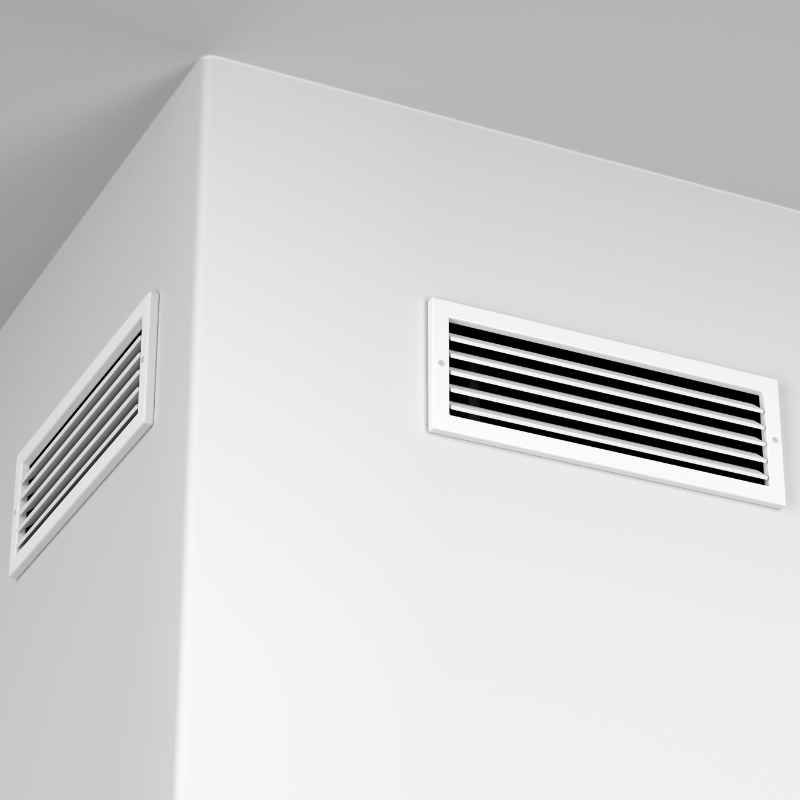
Vented heaters burn fuel — typically natural gas, propane, or kerosene — and route all combustion byproducts through a flue pipe, chimney, or direct vent system to the outdoors. This design means smoke, carbon monoxide, nitrogen dioxide, and water vapor never enter your living space.
These heaters come in several configurations: direct vent units pull air from outside for combustion and exhaust outside, while natural draft models rely on a chimney to carry gases upward. According to the U.S. Department of Energy, vented gas heaters can achieve efficiency ratings between 70% and 85%, meaning 15-30% of the heat produced escapes through the vent.
The main benefit is uncompromised indoor air quality. Since all exhaust leaves the room, vented heaters are approved for bedrooms, bathrooms, and small enclosed spaces where air exchange is limited. They also add no moisture to the air, making them ideal for dry climates or homes with humidity concerns.
Common Types of Vented Heaters
- Direct vent gas heaters: Sealed combustion system with pipes running through an exterior wall. Most efficient vented option at 82-85%.
- Natural draft gas heaters: Use an existing chimney or masonry flue. Less efficient (70-78%) but often cheaper to install if a chimney exists.
- Power vent gas heaters: Use an electric fan to force exhaust through a small-diameter vent. Can run sideways or downward for flexible routing.
- Vented kerosene heaters: Portable units with a small flue that connects to a window vent kit. Common in older buildings and workshops.
Important: The National Fuel Gas Code (NFPA 54) requires vented heaters to have a dedicated exhaust route to the outside. Never operate a vented heater without connecting its flue — doing so creates a serious carbon monoxide hazard.
What Are Vent Free Heaters?
Vent free heaters — also called ventless or unvented heaters — burn gas with such high efficiency that manufacturers claim they do not produce dangerous levels of combustion byproducts. Instead of exhausting gases outside, these units release all byproducts directly into the room. The U.S.
Consumer Product Safety Commission reports that vent free heaters must include an oxygen depletion sensor (ODS) that automatically shuts off the unit if oxygen levels fall below 18%.
These heaters achieve 99-100% combustion efficiency because no heat escapes through a vent. All the energy from the fuel stays in your room. This makes them extremely cost-effective for heating a single zone or supplementing a central system.
The American Gas Association notes that vent free heaters account for roughly 10% of all gas fireplace and heater sales in the United States each year.
However, the complete combustion claim has limits. While modern vent free heaters produce minimal carbon monoxide, they do release water vapor — about 1 gallon of moisture for every 100,000 BTUs burned. They also emit trace amounts of nitrogen dioxide and carbon dioxide.
Over time, these can degrade indoor air quality in tight, modern homes.
Common Types of Vent Free Heaters
- Blue flame heaters: Produce a blue flame that heats the air directly. Best for heating larger open areas like living rooms.
- Infrared gas heaters: Use a ceramic panel that glows red and radiates heat to objects and people. Ideal for spot heating in garages or workshops.
- Vent free gas fireplace inserts: Designed to fit into existing fireplace openings without a chimney. Popular for cosmetic appeal and supplemental heat.
- Wall-mounted vent free heaters: Permanent units installed flush against an interior wall. Common in basements, sunrooms, and additions.
Vent Free vs Vented Heaters: Key Differences
The differences between these two heater types go far beyond the presence of a vent. You need to consider efficiency, indoor air quality, installation complexity, operating costs, and legal compliance. Here is a detailed breakdown of the most important factors.
Efficiency and Heat Loss
Vent free heaters convert nearly all fuel into usable heat. No heat escapes up a chimney or through a vent pipe. Vented heaters, by contrast, lose 15-30% of their heat through the exhaust system.
In a direct comparison, a vent free unit uses less fuel to deliver the same warmth. But this efficiency comes at the cost of releasing combustion byproducts into your indoor air.
Indoor Air Quality and Moisture
Vented heaters win decisively here. All exhaust gases exit your home, so there is no buildup of carbon dioxide, nitrogen dioxide, or water vapor. Vent free heaters, while safe when used correctly, add moisture to the air.
In a well-sealed home, this can lead to condensation on windows, mold growth in corners, and a stuffy feeling. The Environmental Protection Agency (EPA) advises that homes with poor natural ventilation may experience elevated levels of nitrogen dioxide from unvented combustion appliances.
Tip: If you choose a vent free heater, keep a window cracked open about one inch to improve air exchange. This reduces moisture buildup and keeps combustion byproduct levels well within safety limits.
Installation Requirements
| Factor | Vent Free | Vented |
|---|---|---|
| Professional install required? | Often optional | Usually yes |
| Wall penetration needed? | No | Yes |
| Time to install | 1-2 hours | 4-8 hours |
| Structural modifications | None | Drilling, framing |
How Does Vent Free Heating Work?
Vent free heaters rely on a technology called oxygen depletion sensing (ODS) combined with precise gas-air mixing. The burner is engineered to achieve nearly complete combustion by controlling the ratio of gas to oxygen. When the air-fuel mixture is optimal, the flame burns cleanly and produces minimal carbon monoxide and soot.
The ODS system continuously monitors the oxygen level in the room. If oxygen drops below a safe threshold — typically 18% — the sensor triggers a thermocouple that shuts off the gas supply. This is the primary safety mechanism that makes vent free operation legal in most areas.
According to the American National Standards Institute (ANSI), all vent free gas heaters must pass ANSI Z21.11.2 testing, which includes ODS functionality and emission limits.
Because these heaters do not vent outside, the heat remains 100% in the room. This makes them extremely responsive: you feel warmth within seconds of ignition. However, the lack of venting also means that any impurities in the gas or dust in the burner can produce odors.
Regular maintenance — cleaning the burner and checking the ODS — is essential to keep emissions low.
Warning: Never use a vent free heater as your primary heat source in a tightly sealed home. If your house has energy-efficient windows, spray foam insulation, and minimal air leakage, the moisture and CO2 buildup can exceed safe levels even with an ODS sensor.
Which Heater Type Should You Choose?
Your choice between vent free and vented heaters depends on three main factors: the room itself, your local building codes, and your tolerance for maintenance and air quality trade-offs. Here is a decision framework to guide you.
Choose a Vent Free Heater If:
- You need to heat a single room or zone and want maximum fuel efficiency.
- You have no existing chimney or exterior wall accessible for venting.
- Your room is at least 400 square feet with decent natural air exchange.
- You live in a dry climate where added humidity is a benefit, not a problem.
- You want a low-cost installation with minimal structural work.
Choose a Vented Heater If:
- You are heating a bedroom, bathroom, or room smaller than 200 square feet.
- Your local building code restricts or bans vent free heaters.
- You or your family members have asthma, allergies, or respiratory conditions.
- Your home is tight and energy-efficient with low natural air leakage.
- You want the ability to install a thermostat-controlled, whole-room system.
Decision Matrix
| Scenario | Recommendation | Reason |
|---|---|---|
| Unfinished basement or shop | Vent free infrared | High efficiency, good ventilation, low cost |
| Master bedroom | Vented direct vent | Air quality and code compliance critical |
| Large living room with windows | Vent free blue flame | Good air exchange, high heat output |
| Home with allergy sufferers | Vented only | Zero indoor emissions |
| Rental property or mobile home | Check local codes first | Many areas restrict vent free in rentals |
Tip: If you are still unsure, buy a battery-operated carbon monoxide detector and test your air quality before making a final decision. Place it near the heater and check readings after 30 minutes of operation.
Safety Considerations for Vent Free Heaters
Safety is the most debated aspect of vent free heaters. While modern units include multiple safeguards, they are not risk-free. Understanding these risks helps you operate them responsibly.
Carbon Monoxide Risk
Vent free heaters produce very low levels of carbon monoxide when operating correctly. The Consumer Product Safety Commission (CPSC) tested dozens of models and found average CO emissions below 10 parts per million — well under the 50 ppm threshold for indoor air. However, if the burner is dirty or the ODS fails, CO levels can spike.
This is why annual maintenance is non-negotiable.
Moisture and Mold
The water vapor released by vent free heaters is often underestimated. A 30,000 BTU unit running for 8 hours releases roughly one gallon of water into the room. In a 500-square-foot room with average air exchange, this raises indoor humidity by 10-15%.
Over weeks, this can cause peeling paint, window condensation, and mold growth on cold surfaces.
Oxygen Depletion
The ODS system is designed to shut off the heater if oxygen falls below 18%. However, this threshold is a last resort. By the time the sensor triggers, you may already feel drowsy or headachy.
Never rely solely on the ODS — ensure your room has a source of fresh air, such as an adjacent hallway or a slightly open window.
Important: California, Massachusetts, and New York have statewide restrictions on vent free heaters in residential buildings. Many local codes in the Midwest and Northeast also limit their use. Always check with your local building department before purchasing.
Installation and Cost Comparison
The upfront and ongoing costs of each heater type differ significantly. Here is a realistic breakdown of what you can expect to pay.
Upfront Installation Costs
| Cost Item | Vent Free | Vented |
|---|---|---|
| Heater unit (typical) | $200 – $600 | $400 – $1,200 |
| Venting kit / pipe | $0 | $100 – $400 |
| Professional installation | $0 – $200 | $300 – $900 |
| Total installed cost | $200 – $800 | $800 – $2,500 |
Operating Costs
Because vent free heaters capture all heat, they use less fuel for the same warmth. For a typical 30,000 BTU unit running 6 hours daily, a vent free model costs roughly $35-55 per month in natural gas, while a vented model costs $45-70 per month. Over a 4-month heating season, the vent free heater saves you $40-60 annually.
Over 10 years, that savings offsets the lower upfront cost, but not dramatically.
Maintenance Costs
Both types need annual cleaning, but vented heaters require additional vent inspection and cleaning every 2-3 years. A professional vent cleaning costs $100-200. Vent free heaters only need burner and ODS cleaning, which you can often do yourself with a soft brush and compressed air.
Tip: If you choose a vented heater, look for a direct vent model with a sealed combustion chamber. These are 5-7% more efficient than natural draft models and prevent cold drafts from entering through the flue when the heater is off.
Frequently Asked Questions
Can I use a vent free heater in a bedroom?
Most building codes and manufacturer instructions prohibit vent free heaters in bedrooms because people sleep with doors closed, limiting fresh air exchange. The CPSC advises against using unvented combustion appliances in sleeping areas due to the risk of oxygen depletion and carbon monoxide buildup.
Do vent free heaters produce carbon monoxide?
Yes, but at very low levels when operating correctly. EPA studies show vent free heaters produce less than 10 ppm of CO — below the 9 ppm EPA outdoor standard. However, a dirty or malfunctioning burner can produce dangerous levels, so annual maintenance and a CO detector are essential.
Are vent free heaters legal in my state?
Vent free heaters are legal in most states but banned in California and Massachusetts for indoor residential use. New York restricts their use in bedrooms and bathrooms. Several other states have local code variations.
Check with your local building department or a licensed HVAC contractor before purchasing.
How much moisture does a vent free heater add to a room?
A 30,000 BTU vent free heater adds roughly one gallon of water vapor for every 100,000 BTUs burned. This means running the heater 6-8 hours a day can raise indoor humidity by 10-20%, potentially causing condensation on windows and promoting mold growth in poorly ventilated spaces.
Can I install a vented heater myself?
DIY installation of a vented heater is not recommended unless you have gas fitting and construction experience. Improper venting creates a serious carbon monoxide hazard. Most building codes require a licensed professional to install vented gas appliances, and many manufacturers void warranties on self-installed units.
Final Thoughts
Choosing between a vent free and vented heater comes down to your specific room, local codes, and comfort priorities. Vent free heaters offer unbeatable efficiency and easy installation but demand good room ventilation and regular maintenance. Vented heaters provide cleaner indoor air and broader legal approval but cost more upfront and lose some heat through the exhaust.
Assess your room size, check your local regulations, and invest in a quality carbon monoxide detector no matter which type you choose.
Sponsored / affiliate links. As an Amazon Associate I earn from qualifying purchases. I may earn additional commission from eligible campaigns.