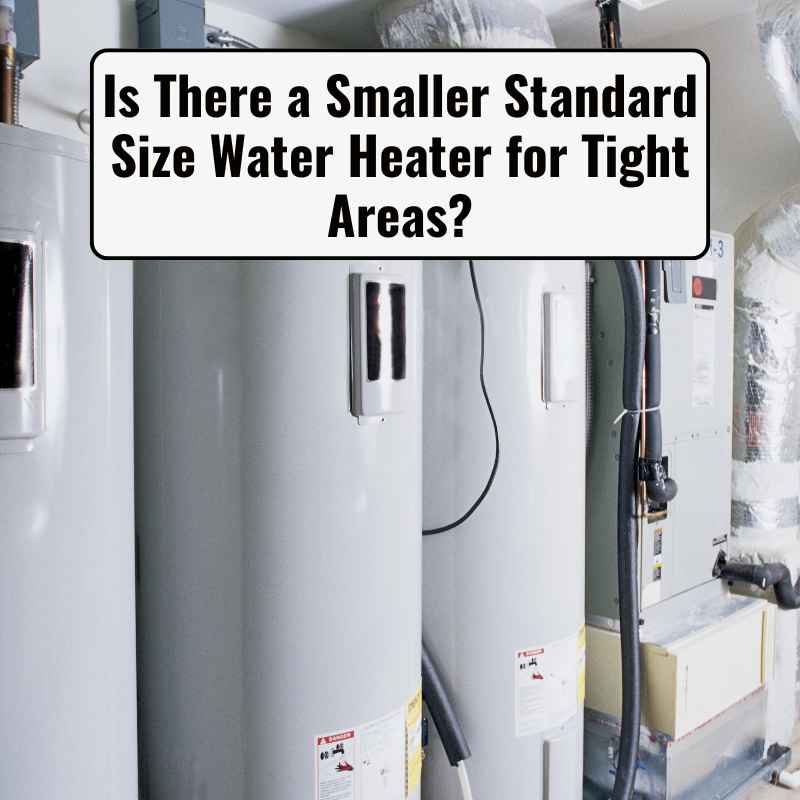
Is There a Smaller Standard Size Water Heater for Tight Areas?
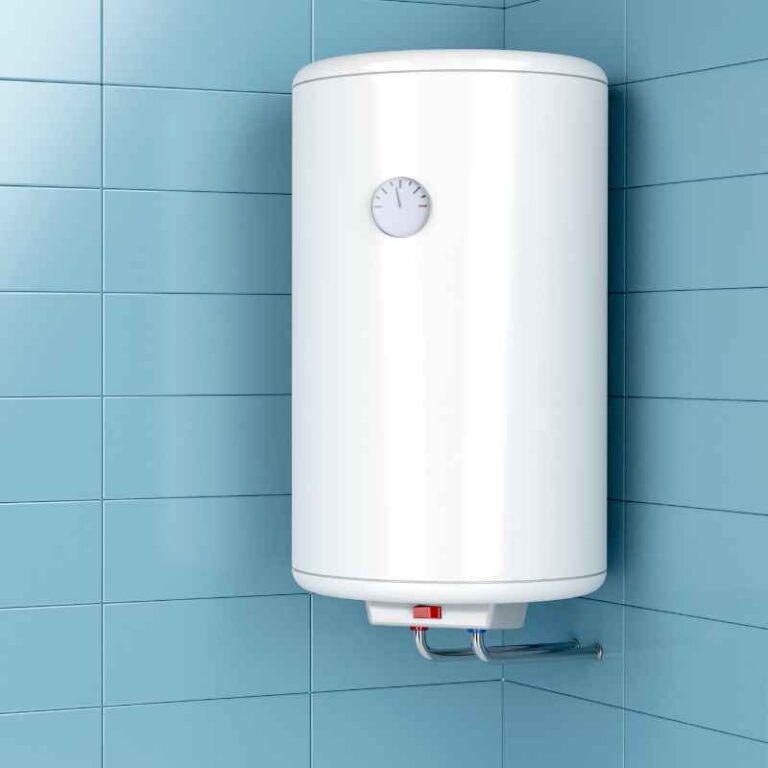
Smaller standard size water heaters are widely available and designed specifically for tight areas like under-counter spaces, small closets, and compact utility rooms. This guide covers the types, dimensions, and features of these space-saving units so you can choose the right one for your home.
Simply put, yes — smaller standard size water heaters exist in both tank and tankless forms, typically ranging from 10 to 40 gallons for storage units and slim 2–6 GPM for tankless models. These compact options fit under sinks, in crawlspaces, or inside small mechanical closets without sacrificing performance.
Key Takeaways
- Smaller standard size water heaters come in tank styles as low as 10 gallons and tankless models under 6 inches wide.
- Compact units are available in electric, propane, and natural gas configurations to suit different tight-space installations.
- Look for low-boy, under-counter, and point-of-use water heaters when space is limited.
- Proper venting, clearance, and plumbing access are critical for safe installation in cramped areas.
What Is a Smaller Standard Size Water Heater?
A smaller standard size water heater is a hot water unit designed with reduced physical dimensions while still meeting typical household performance requirements. These products follow standard industry volumes — 10, 15, 20, 30, or 40 gallons — but come in shorter or narrower profiles compared to full-size units.
Manufacturers like Rheem, Bradford White, and AO Smith produce compact versions that fit into spaces where conventional 50-gallon tanks cannot. For example, a standard 50-gallon tank measures about 20–22 inches in diameter and 55–60 inches tall. A smaller standard water heater in the 30-gallon range may be only 48 inches tall, while a 20-gallon low-boy model stands roughly 30 inches tall and 24 inches wide.
The U.S. Department of Energy notes that water heating accounts for approximately 18% of residential energy use. Choosing a smaller tank that matches your actual demand can reduce standby heat loss and save energy.
Compact units are especially popular in apartments, condos, tiny homes, and older houses with limited mechanical space.
- Designed for closets, under sinks, and crawlspaces
- Available in electric, gas, and tankless configurations
- Volumes from 2.5 gallons (point-of-use) up to 40 gallons
- Height reductions of 10–20 inches compared to standard tanks
- Low-boy models offer wide, flat profiles for tight ceiling clearance
- Many carry Energy Star certification for efficiency
How Do These Compact Water Heaters Work?
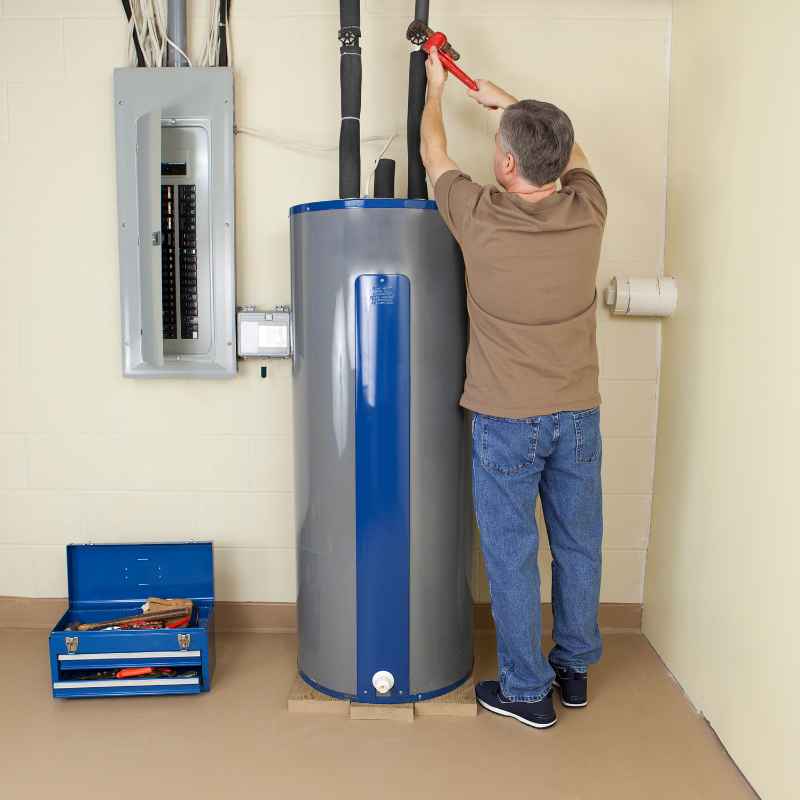
Compact water heaters operate on the same principles as full-size units but with adjusted tank geometry or heat exchanger design. Tank-style compact heaters use one or two electric elements or a gas burner to maintain stored water at a set temperature — typically 120–140°F. The difference lies in the tank dimensions: shorter height or smaller diameter reduces overall volume while still providing adequate hot water for low to moderate demand.
For tankless compact units, cold water passes through a heat exchanger when a hot water tap opens. A gas burner or electric heating element rapidly raises the water temperature. Because there is no storage tank, these units can be very thin — some as narrow as 5–6 inches wide.
They mount directly on a wall and require minimal clearance. The American Society of Heating, Refrigerating and Air-Conditioning Engineers (ASHRAE) recommends sizing tankless units based on peak flow rate rather than volume.
Both electric and gas tankless compact models are available. Electric tankless heaters draw significant power — often requiring a 60-amp dedicated circuit — while gas models need proper venting. Point-of-use (POU) electric tankless units are the smallest, fitting under a single sink and delivering 1–2 GPM.
These are ideal for a bathroom or kitchen where a full-house solution is unnecessary.
| Type | Typical Dimensions | Best For |
|---|---|---|
| 10-gal electric tank | 18″ diam x 20″ height | Under-sink or small closet |
| 20-gal low-boy electric | 24″ diam x 30″ height | Low-ceiling basements |
| 30-gal tall gas | 20″ diam x 48″ height | Narrow closets |
| 2–4 GPM tankless electric | 12″x8″x4″ | Point-of-use, one fixture |
| 6 GPM tankless gas | 18″x14″x7″ | Small homes, two fixtures |
This table shows the range of dimensions for compact water heaters. The 20-gallon low-boy is a popular choice when ceiling height is less than 36 inches.
What Are the Common Types of Smaller Water Heaters?
There are three primary categories of smaller standard size water heaters available for tight spaces. Each type serves a specific use case based on demand, fuel type, and installation constraints. Knowing the differences helps you match the unit to your actual hot water needs.
Electric tank heaters are the most straightforward option for compact installations. They require no venting and have lower upfront costs. Units from 10 to 30 gallons fit under counters or in small closets.
The National Association of Home Builders reports that over 40% of new multi-family units use electric tank-style water heaters due to space constraints. Electric tanks do need a dedicated 240-volt circuit for larger sizes, but smaller point-of-use models can plug into standard 120-volt outlets.
Gas tank heaters deliver faster recovery but require combustion air and venting. Compact gas tanks in the 20–30 gallon range are available from major brands. They need clearance around the unit for airflow — typically 6 inches on sides and back.
In very tight spaces, a power-vented gas model may be necessary to route exhaust horizontally.
Tankless water heaters are the slimmest option. Whole-house tankless gas units can be as narrow as 7 inches. Electric point-of-use units are even smaller.
They eliminate standby heat loss and provide unlimited hot water at a limited flow rate. According to Energy Star, tankless heaters can be 24–34% more energy-efficient than tank models for homes with low hot water usage (less than 41 gallons per day).
Tip: For a tight area under a bathroom sink, a 2.5-gallon electric point-of-use tank heater is often the smallest standard size available. It provides enough hot water for handwashing while fitting in a 14″x14″x14″ space.
What Are the Standard Dimensions for Compact Water Heaters?
Understanding the exact dimensions of smaller standard size water heaters is essential when planning an installation in a confined area. Tank diameters range from 14 to 26 inches. Heights vary significantly based on volume and whether the unit is a low-boy or tall design.
Low-boy models sacrifice height for width, making them ideal for spaces with low overhead clearance.
The following measurements represent common standard compact water heater sizes from leading manufacturers. Always check the specific product data sheet for your chosen model, as dimensions can vary slightly between brands even at the same gallon rating.
- 10-gallon electric: 18″ diameter x 20″ height, ideal for under-sink cabinets
- 20-gallon low-boy electric: 24″ diameter x 30″ height, fits under 36″ counters
- 30-gallon tall electric: 20″ diameter x 48″ height, fits in standard closets
- 20-gallon gas tall: 18″ diameter x 49″ height, requires vent clearance
- 40-gallon low-boy gas: 26″ diameter x 38″ height, for large low-clearance areas
- Whole-house tankless gas: 18″x14″x7″, wall-mounted
- Point-of-use electric tankless: 10″x6″x3″, mounts under one sink
Important: Always add 6–12 inches of clearance around a tank water heater for access and service. For gas units, combustion air clearance may require more space. Measure your alcove or closet carefully before purchasing.
Who Needs a Smaller Standard Size Water Heater?
Compact water heaters serve specific audiences who face spatial constraints or have unique hot water demands. The U.S. Energy Information Administration reports that about 23% of homes built before 1980 have mechanical rooms smaller than 5 feet by 5 feet.
Older homes, condos, and apartments often lack the footprint for a full-size 50-gallon tank.
Tiny house dwellers and RV owners are prime candidates for compact tanks. A 10-gallon or 6-gallon electric unit meets typical hot water needs for a single person or couple living in under 400 square feet. The portability and low power draw make these units practical for off-grid setups as well.
Point-of-use heaters are popular for additions or remodels where running long hot water pipes is impractical. Installing a small 2.5-gallon tank under a kitchen sink in a basement bar eliminates waiting for hot water from the main heater. Commercial spaces like small offices, salons, and coffee shops also use compact units to serve a single sink or small hand-washing station.
- Homeowners with small utility closets or under-stair spaces
- Apartment and condo residents with limited mechanical room area
- Tiny house and RV owners needing lightweight, small-footprint units
- DIY remodelers adding a sink or wet bar far from the main heater
- Business owners needing point-of-use hot water in small work areas
What Features Should You Look For in a Compact Water Heater?
When shopping for a smaller standard size water heater, several features directly impact performance, longevity, and ease of installation in a tight area. First, consider the First Hour Rating (FHR) for tank units. The FHR tells you how much hot water the heater can deliver in a busy hour.
For compact tanks, a higher FHR means better performance even with limited volume.
Energy efficiency matters both for utility bills and for the environment. Look for models with an Energy Factor (EF) rating of 0.90 or higher for electric units, or a Uniform Energy Factor (UEF) of 0.80 or above for gas units. Energy Star certification guarantees at least 10% better efficiency than minimum federal standards.
The average household spends $400–$600 per year on water heating, and a high-efficiency compact unit can trim that by $50–$90 annually, according to the U.S. Department of Energy.
Installation flexibility features are critical in tight areas. Look for front-access panels for servicing, side- or top-mounted plumbing connections, and detachable or rotating control valves. Some compact models offer zero-clearance installation on the sides, meaning they can sit flush against a wall.
For gas models, a power-vent system allows horizontal exhaust venting, which is essential when vertical venting is not possible.
- High First Hour Rating (FHR) for tank models
- Energy Star certification for efficiency savings
- Front-access service panels for tight alcove installations
- Top water connections for under-counter fit
- Power-vent gas option for horizontal exhaust routing
- 120-volt plug-in capability for small electric point-of-use units
- Corrosion-resistant anode rod for extended tank life
How to Choose the Right Smaller Water Heater for Your Space
Selecting the best smaller standard size water heater for a tight area involves matching demand, fuel availability, and physical clearance. Start by measuring your available space — height, width, and depth — and factoring in required clearances for venting and service. The International Residential Code (IRC) specifies minimum clearance distances for gas appliances.
Next, calculate your peak hot water demand. For a single bathroom sink, a 2.5-gallon point-of-use tank or a 1–2 GPM tankless unit suffices. For a shower and sink combination, a 20-gallon tank or 4 GPM tankless unit is more appropriate.
The Plumbing-Heating-Cooling Contractors Association recommends sizing based on the number of fixtures and occupancy. A family of two in a small home may only need a 30-gallon tank, while a single person can manage with a 10–15 gallon unit.
Fuel type is often determined by what is already available. Electric is easiest for retrofits since no gas line or venting is required. However, gas provides faster recovery.
If you have natural gas in the home, a 20-gallon gas tank offers quick recovery in a small footprint. Propane is an option for rural homes without natural gas. Tankless electric may require a costly electrical panel upgrade to handle the high wattage.
Warning: Installing a gas water heater in a tight closet requires proper combustion air vents to the outside. Without adequate air, the burner can produce carbon monoxide. Always consult a licensed plumber or HVAC contractor for gas installations in confined spaces.
| Space Type | Recommended Unit | Key Consideration |
|---|---|---|
| Under kitchen sink | 2.5 gal electric tank | 120V plug-in, no vent needed |
| Utility closet (36″ ceiling) | 20 gal low-boy electric | Wide footprint, short height |
| Bedroom closet conversion | 30 gal tall electric | Standard width, tall profile |
| Crawlspace or attic | 6 GPM tankless gas | Requires venting and gas line |
This table maps common tight spaces to suitable water heater types. For crawlspace installations, a tankless gas unit mounted on a wall keeps the unit off the ground and away from moisture.
Installation Considerations for Tight Spaces
Installing a smaller standard size water heater in a confined area requires careful planning. Access for future service should be a priority even when space is limited. Many compact units have front-removable panels and top or side connections that simplify replacement.
However, if the unit is tucked into an alcove with only a few inches of clearance, an annual flush and anode rod inspection may be difficult.
For gas compact tanks, proper venting is non-negotiable. The National Fuel Gas Code (NFPA 54) requires that gas water heaters have adequate combustion air. In a small closet, this typically means two vents — one high and one low — each with a free area of at least one square inch per 1,000 BTU of input.
A power-vent model reduces these requirements because it uses a fan to exhaust combustion gases through a small-diameter pipe.
Electric compact tanks are simpler to install but often require a dedicated 240-volt circuit for units over 15 gallons. Point-of-use 120-volt models plug into a standard outlet, making them ideal for DIY installations. Always install a drip pan with a drain line under tank units located above finished flooring to prevent water damage.
The International Plumbing Code recommends drain pans for all water heaters in ceilings or upper-floor locations.
- Measure available space including door clearance for bringing the unit in
- Verify minimum clearance for gas venting and combustion air
- Install on a level, reinforced platform rated for the full weight (tank + water)
- Use flexible supply lines for easier future replacement
- Add a shutoff valve and dielectric unions to prevent corrosion
- Test for gas leaks and carbon monoxide after gas unit installation
Frequently Asked Questions
What is the smallest standard size water heater available?
The smallest standard tank water heater is typically 2.5 gallons for point-of-use electric models. For whole-house use, 10-gallon electric tanks are the smallest standard size, measuring about 18 inches in diameter and 20 inches tall.
Can a smaller water heater replace a full-size unit?
Yes, but only if your hot water demand is lower. A 30-gallon compact tank can replace a 50-gallon unit for one or two people. For a family of four, a smaller unit will likely run out of hot water quickly unless you switch to a tankless model with adequate flow rate.
Do compact water heaters cost more than standard ones?
Smaller tank water heaters often cost less upfront — typically $200–$500 for a 20-gallon unit compared to $500–$800 for a 50-gallon tank. However, tankless compact units can cost $600–$1,200 plus installation, which may be higher if electrical or venting upgrades are needed.
How long does a compact water heater last?
Compact tank water heaters have similar lifespans to full-size units, typically 8–12 years for electric and 6–10 years for gas. Tankless units often last 15–20 years with proper maintenance. Regular flushing and anode rod replacement extend lifespan regardless of size.
Can I install a compact water heater in a mobile home?
Yes. Many compact electric and gas water heaters meet mobile home requirements. Look for models with HUD-approved certification and low clearance dimensions.
Point-of-use units are particularly common in mobile homes because they fit inside small cabinetry and serve specific fixtures.
Final Thoughts
Smaller standard size water heaters offer a practical solution for tight areas without sacrificing reliable hot water. Compact tanks in 10–30 gallon sizes and slim tankless units give homeowners real choices when space is limited. Measure your area, match the unit to your demand, and consider fuel type and venting requirements before purchasing.
A well-chosen compact water heater delivers comfort and efficiency in even the smallest mechanical room.
Sponsored / affiliate links. As an Amazon Associate I earn from qualifying purchases. I may earn additional commission from eligible campaigns.