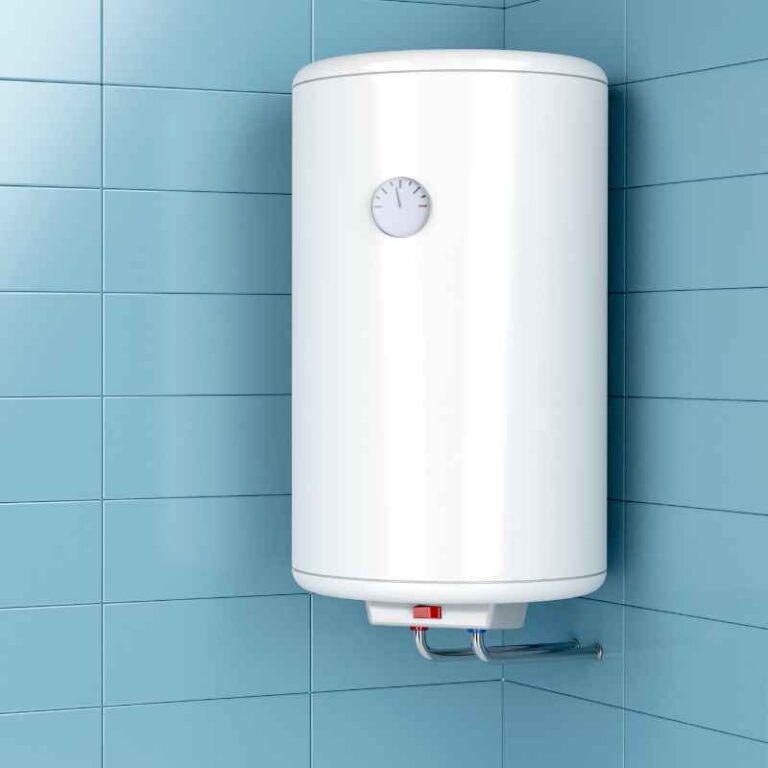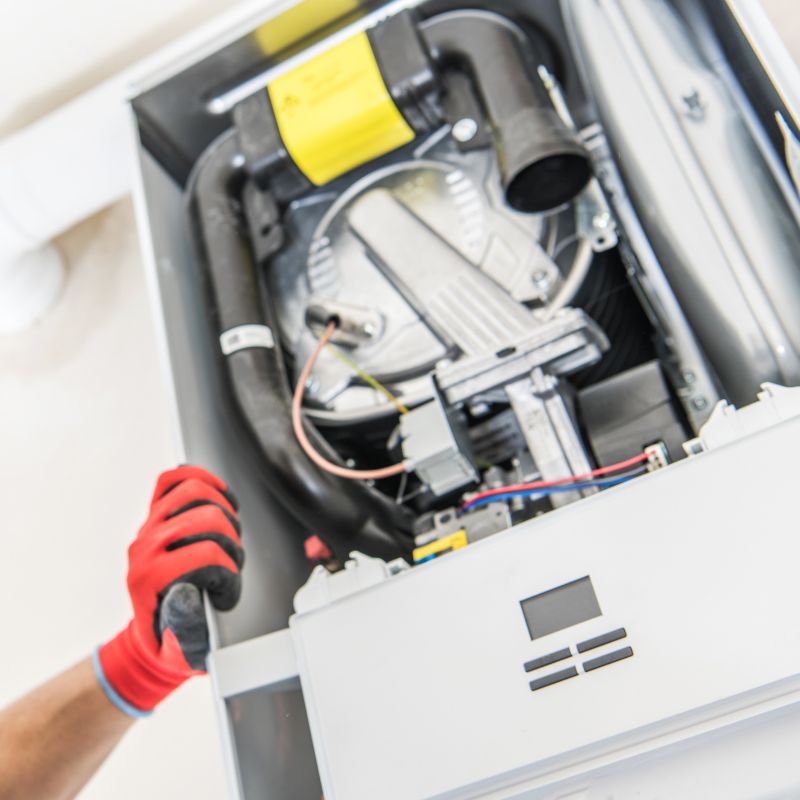
Most Common Issues With Heaters in Colorado: Key Fixes
Common issues with heaters in Colorado often stem from the state’s dry climate and high altitude. This guide helps you understand the top problems and how to fix them efficiently.
Simply put, Colorado’s unique conditions make heaters more prone to specific issues like pilot light problems, thermostat misreads, and dirty filters. Regular maintenance and altitude adjustments are key to keeping your system running smoothly.
Key Takeaways
- Common issues with heaters in Colorado include pilot light problems and thermostat inaccuracies.
- High altitude reduces oxygen, affecting combustion efficiency in gas furnaces.
- Heater issues in Colorado often require professional tuning for optimal performance.
- Preventive maintenance can extend your heater’s lifespan by up to 30%.
What Are the Most Common Heater Issues in Colorado?
Colorado homeowners face unique challenges with their heating systems due to the state’s dry air and high elevation. The most frequent problems include ignition failures, thermostat errors, and clogged air filters. Understanding these issues helps you address them before they escalate.
Ignition problems are particularly common in gas furnaces because the lower oxygen levels affect flame stability. Thermostats may also misread room temperatures, causing your system to cycle incorrectly. Dirty filters worsen airflow, leading to uneven heating and higher energy bills.
- Pilot light outages due to wind drafts or altitude changes
- Thermostat calibration errors from sensor drift
- Clogged air filters reducing efficiency by 15–20%
- Blower motor failures from dust buildup
- Heat exchanger cracks from thermal stress
Warning: Ignoring a cracked heat exchanger can lead to carbon monoxide leaks. Always schedule annual inspections for safety.
According to the U.S. Department of Energy, dirty filters cause up to 50% of heating system failures. Regular filter changes every 1–3 months prevent many common heater issues in Colorado.
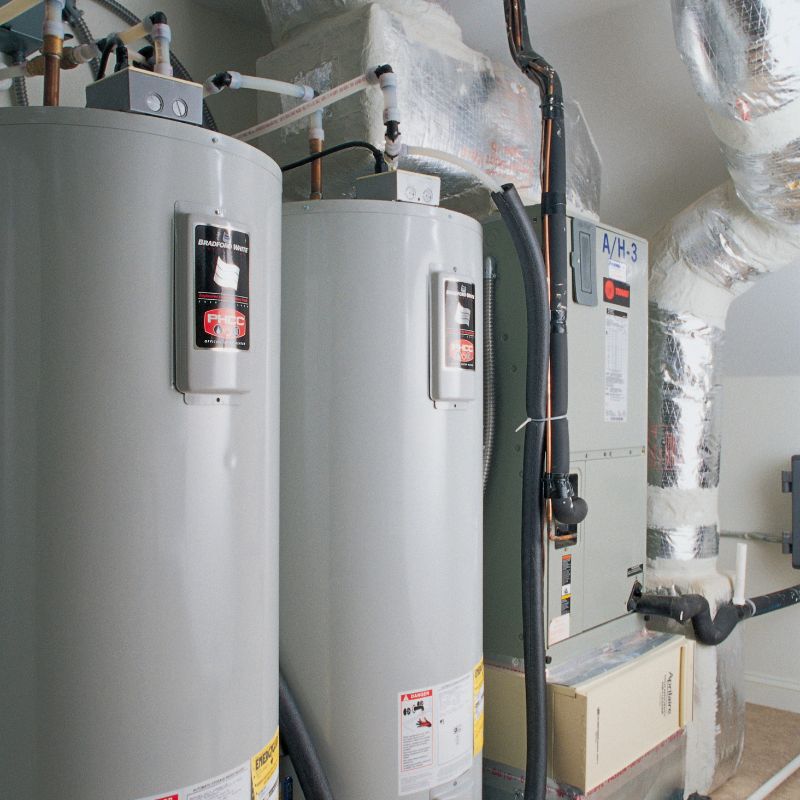
Why Colorado’s Climate Impacts Heater Performance
Colorado’s high altitude and dry climate directly affect how heating systems operate. At elevations above 5,000 feet, air density is lower, which means less oxygen for combustion. This can cause gas furnaces to run inefficiently if not adjusted properly.
Dry air reduces humidity levels, leading to static electricity and dust accumulation. This affects electronic components like thermostats and blower controls. Temperature swings between day and night also strain heaters, making them work harder to maintain comfort.
| Climate Factor | Impact on Heater |
|---|---|
| High Altitude | Reduces oxygen for combustion, causing incomplete burn |
| Dry Air | Increases static, affecting sensors and electronics |
| Temperature Swings | Causes thermal expansion, leading to part wear |
| Wind | Can extinguish pilot lights in older furnaces |
According to the Colorado Energy Office, heating accounts for over 40% of home energy use in the state. Proper altitude adjustments can improve efficiency by up to 10%.
How to Identify a Furnace Problem Early
Early detection of heater issues saves you money and prevents breakdowns. Look for signs like unusual noises, uneven heating, or higher energy bills. These indicators often point to underlying problems that need attention.
- Listen for banging or rattling – may indicate loose parts or debris in the blower.
- Check thermostat accuracy – use a separate thermometer to compare readings.
- Monitor energy bills – a sudden spike suggests reduced efficiency.
- Inspect air filters – clogged filters force the system to work harder.
- Feel for cold spots – uneven heating signals ductwork or airflow issues.
Tip: Use a programmable thermostat to track performance trends. It can alert you to inconsistencies before major problems occur.
The National Fire Protection Association reports that heating equipment causes over 44,000 home fires annually in the U.S. Early identification of common issues with heaters in Colorado can reduce this risk significantly.
Common Ignition System Failures in Colorado
Ignition systems in gas furnaces are prone to failure in Colorado due to altitude-related oxygen levels. The pilot light or electronic igniter may struggle to maintain a steady flame, leading to frequent shutdowns. This is one of the most common heater issues in Colorado.
- Pilot light sensor issues – dirty sensors can misread flame presence.
- Gas pressure fluctuations – altitude affects gas flow regulation.
- Igniter wear – frequent cycling degrades components faster.
- Flame rollout – improper combustion pushes flames out of the burner.
- Delayed ignition – gas builds up before igniting, causing loud pops.
To address these, ensure your furnace is set for altitude. Many manufacturers provide conversion kits for high elevations. Professional recalibration is often necessary for optimal performance.
Why Thermostat Issues Are Frequent at High Altitudes
Thermostats rely on temperature sensors that can drift in dry, high-altitude environments. This leads to inaccurate readings, causing your heater to run longer or cycle too often. Common heater problems in Colorado often trace back to thermostat calibration.
Digital thermostats are particularly sensitive to static electricity from dry air. Mercury-based thermostats are outdated but can still be affected. Upgrading to a smart thermostat with altitude compensation features is a reliable solution.
| Thermostat Type | Issue at High Altitude |
|---|---|
| Digital | Sensor drift due to dry air and static |
| Programmable | Battery life reduced in extreme temperatures |
| Smart | Wi-Fi connectivity issues in remote areas |
According to Energy Star, programmable thermostats can save homeowners about 10% a year on heating costs. However, in Colorado, model selection matters for altitude compatibility.
Important: Place thermostats away from drafts, windows, and heat sources for accurate readings. In Colorado, south-facing walls can cause false high readings.
When to Call a Professional for Heater Repairs
Some heater issues require professional intervention to ensure safety and efficiency. While DIY fixes work for simple problems like filter changes, complex issues like gas leaks or heat exchanger cracks need expert handling. Common issues with heaters in Colorado often involve specialized knowledge.
- Gas leaks – always requires a licensed technician due to safety risks.
- Heat exchanger damage – can lead to carbon monoxide poisoning.
- Electrical problems – faulty wiring poses fire hazards.
- Blower motor failures – need proper tools for replacement.
- Ignition system errors – require altitude-specific adjustments.
HVAC professionals in Colorado are trained to handle altitude-related issues. They can recalibrate systems for optimal performance at high elevations. Regular annual maintenance visits are recommended by the Air Conditioning Contractors of America (ACCA).
Warning: Never attempt to repair gas lines or heat exchangers yourself. Improper fixes can cause life-threatening hazards. Always hire certified professionals.
Preventive Maintenance Tips for Colorado Homeowners
Regular maintenance is the best way to prevent common heater issues in Colorado. Simple steps like changing filters and cleaning vents can extend your system’s life and improve efficiency. Here are key tips tailored for Colorado’s climate.
- Change air filters every 1–2 months – dust and dry air clog them faster.
- Schedule annual professional tune-ups – include altitude adjustments.
- Clean vents and registers – remove dust buildup from dry air.
- Inspect ductwork for leaks – Colorado homes often have duct issues due to settling.
- Test carbon monoxide detectors – crucial for gas furnace safety.
Tip: Use humidity control strategies in winter, such as placing water pans near vents, to reduce static electricity and dust.
The U.S. Department of Energy states that proper maintenance can save up to 30% on energy bills. In Colorado, where heating costs are high, these savings are significant.
How Colorado’s Energy Costs Affect Heater Choices
Energy costs in Colorado are influenced by natural gas prices and electricity rates. Heating expenses can vary widely depending on your system type and efficiency. Common heater issues in Colorado often relate to cost-saving decisions, like choosing undersized units.
Natural gas is the most common heating fuel in Colorado, used by over 60% of households. However, high elevation requires properly sized systems to avoid short cycling or overheating. Electric heat pumps are gaining popularity but may need auxiliary heating in cold spells.
| Heater Type | Average Annual Cost (CO) | Common Issue |
|---|---|---|
| Gas Furnace | $600–$900 | Ignition failure at altitude |
| Electric Heat Pump | $800–$1,200 | Reduced efficiency below 20°F |
| Dual Fuel | $500–$900 | Complex maintenance |
According to the Rocky Mountain Institute, upgrading to an Energy Star-certified furnace can cut heating costs by 20% annually. Considering Colorado’s cold winters, this investment pays off quickly.
Frequently Asked Questions
What are the most common heater issues in Colorado?
The most common issues include pilot light failures due to altitude, thermostat calibration errors from dry air, and clogged air filters. These problems are often linked to Colorado’s unique climate conditions.
How does high altitude affect heater performance?
High altitude reduces oxygen levels, which impacts combustion efficiency in gas furnaces. It can cause incomplete burn, leading to soot buildup and increased fuel consumption. Proper altitude adjustment is necessary.
Why does my heater cycle on and off frequently?
Frequent cycling can be due to a dirty filter, thermostat misreading, or oversized system. In Colorado, dry air can cause thermostat sensors to drift, triggering false readings. Check filters first.
Can I fix a heater problem myself in Colorado?
Simple tasks like filter changes and vent cleaning are safe for DIY. However, issues like gas leaks, heat exchanger cracks, or electrical problems require professional help. Always prioritize safety.
How often should I service my heater in Colorado?
Annual professional maintenance is recommended, ideally before winter. For Colorado’s high-altitude homes, tune-ups should include combustion analysis and airflow checks. Filter changes are needed every 1–2 months.
Final Thoughts
Common issues with heaters in Colorado are often linked to altitude and climate factors. Regular maintenance and professional adjustments can prevent most problems. Stay proactive to keep your home warm and your energy bills low.
Sponsored / affiliate links. As an Amazon Associate I earn from qualifying purchases. I may earn additional commission from eligible campaigns.