Individual Faucet Heaters: Do They Exist & How They Work?
Individual faucet heaters, often referred to as tankless faucet heaters or instant hot water dispensers, are designed to provide hot water directly at the tap without the need for a central water heater. These devices are gaining traction for their potential to offer on-demand hot water, which can be incredibly convenient for specific tasks and locations. This post will explore whether these individual units truly exist, how they function, their benefits, drawbacks, and what to consider if you’re thinking about installing one.
Yes, individual faucet heaters, also known as point-of-use electric water heaters or instant hot water dispensers, do exist. They are compact units installed directly at a faucet to provide immediate hot water, bypassing the need for a traditional large water heater for that specific location.
Key Takeaways
- Individual faucet heaters are real and provide on-demand hot water at a single tap.
- They work by heating water instantaneously as it flows through the unit, using electric elements.
- Benefits include energy savings, reduced water waste, and convenient instant hot water.
- Drawbacks can include limited flow rate, potential for insufficient temperature, and installation complexity.
- Consider flow rate, temperature output, power requirements, and installation space before purchasing.
What Are Individual Faucet Heaters?
Individual faucet heaters are small, specialized water heating appliances designed to be installed directly at a single faucet. Unlike traditional whole-house water heaters that heat a large volume of water stored in a tank, these units heat water on demand as it passes through them. This means that as soon as you turn on the hot water tap connected to the heater, you get hot water almost instantaneously.
These devices are often referred to by various names, including point-of-use (POU) electric water heaters, instant hot water dispensers, or tankless faucet heaters. They are particularly useful for applications where a constant supply of hot water isn’t necessary for the entire household, but immediate access to hot water at a specific location is highly beneficial, such as in a guest bathroom, workshop, or even a small kitchenette.
The primary appeal of an individual faucet heater lies in its efficiency and convenience. By heating water only when it’s needed and only at the point of use, they can significantly reduce the energy wasted by keeping a large tank of water hot all the time. This targeted approach also minimizes the time and water that would otherwise be used waiting for hot water to travel from a distant central heater.
- Point-of-Use Heating: Heats water precisely where it’s needed.
- On-Demand Operation: No waiting for water to heat up.
- Compact Design: Small enough to fit under most sinks.
- Energy Efficiency: Heats only when used, reducing standby losses.
- Water Conservation: Less wasted water waiting for hot temperatures.
How Do Individual Faucet Heaters Work?
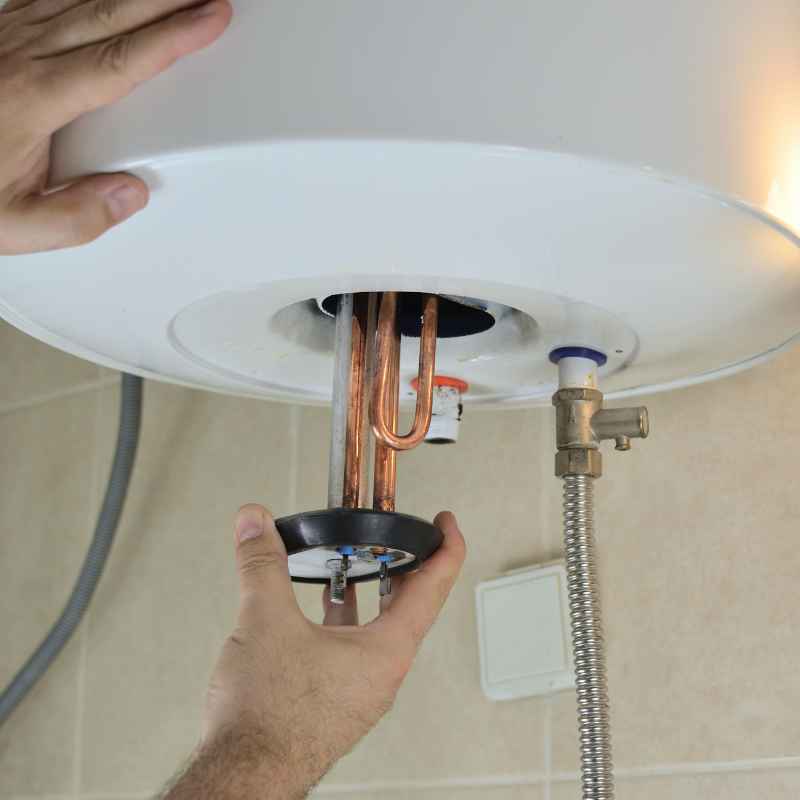
The operational principle behind an individual faucet heater is straightforward yet effective. When you turn on the hot water faucet, water begins to flow through the heater. Inside the unit, there’s typically a powerful electric heating element, similar to those found in kettles or immersion heaters.
As the water passes over or around this element, it is rapidly heated to the desired temperature.
The unit is activated by the flow of water. A flow sensor detects when water is running and signals the heating element to turn on. Once the water reaches the set temperature, it continues to flow to the faucet.
When you turn off the faucet, the water flow stops, and the heating element automatically shuts off, preventing energy waste.
Temperature control is usually managed by an adjustable thermostat within the unit. You can set the desired hot water temperature, though it’s important to note that the maximum temperature attainable can vary significantly between models and is often limited by the unit’s power output and flow rate. Some models might only reach a lukewarm temperature, while others can provide nearly boiling water, depending on their specifications and design.
- Water Flow Detection: Water pressure from turning the faucet on activates a flow sensor.
- Heating Element Activation: The sensor signals the electric heating element to engage.
- Rapid Heating: Water flows over the element and is heated almost instantly.
- Temperature Regulation: An internal thermostat maintains the set temperature.
- Shut-off: When the faucet is turned off, the flow stops, and the element deactivates.
Benefits of Individual Faucet Heaters
The advantages of installing an individual faucet heater are numerous, primarily revolving around convenience, efficiency, and targeted functionality. For specific use cases, these units can offer a superior solution to traditional plumbing setups.
One of the most significant benefits is the immediate availability of hot water. Imagine washing your hands in a chilly guest bathroom or needing hot water for a quick clean-up in a detached garage workshop. With an individual heater, there’s no need to wait for water to heat up and travel from a distant central unit.
This can save significant time and reduce water wastage, especially in situations where only a small amount of hot water is needed.
Energy savings are another key advantage. Traditional tank water heaters are constantly on, using energy to maintain a large volume of water at a high temperature, even when no hot water is being used. This “standby loss” can account for a substantial portion of a home’s energy bill.
Since individual faucet heaters only operate when water is flowing, they eliminate standby energy losses, making them much more energy-efficient for specific applications.
- Instant Hot Water: Perfect for quick tasks like handwashing or rinsing.
- Reduced Water Waste: No need to run the tap waiting for hot water.
- Energy Savings: Eliminates standby heat loss common with tank heaters.
- Lower Installation Costs for Specific Areas: Cheaper than running hot water pipes from a central heater to remote locations.
- Space Saving: The compact units take up minimal space.
- Targeted Heating: Ideal for garages, workshops, RVs, or small secondary kitchens.
| Feature | Mini-Tank Heater (Under-Sink) | Inline Tankless Heater (Connected to Faucet) |
|---|---|---|
| Heating Method | Stores and heats a small volume of water | Heats water instantaneously as it flows |
| Temperature Output | Consistent temperature from stored water | Dependent on flow rate and power; can fluctuate |
| Installation Complexity | Requires plumbing connection and electrical outlet | Often simpler, directly connects to faucet supply lines |
| Typical Use Case | Kitchen or bathroom sink for handwashing, small dishes | Bar sink, workshop, RV, or areas with infrequent hot water needs |
While both mini-tank and inline tankless heaters offer point-of-use hot water, they have distinct operational differences and suit slightly different needs based on installation and performance.
Drawbacks and Considerations
Despite their advantages, individual faucet heaters are not without their limitations. It’s crucial to understand these drawbacks before deciding if one is the right solution for your needs. The most common issue relates to the water flow rate and temperature consistency.
Since these units are small and often powered by standard household electrical outlets (though some may require dedicated circuits), they have a limited heating capacity. This means that if you open the faucet too wide, the water may not have enough contact time with the heating element to reach a very high temperature. For tasks requiring large volumes of very hot water, like filling a bathtub or doing extensive dishwashing, an individual faucet heater will likely be insufficient.
They are best suited for low-flow applications.
Installation can also be a hurdle. While some models are designed for DIY installation, others might require electrical work or specialized plumbing knowledge. You need to ensure you have adequate space under the sink or near the faucet for the unit, as well as access to a suitable power source.
For units requiring a dedicated circuit, you may need to consult an electrician, adding to the overall cost.
- Limited Flow Rate: High flow demands can result in cooler water.
- Temperature Fluctuations: Output temperature can vary with flow and demand.
- Insufficient for Large Tasks: Not ideal for filling bathtubs or high-demand applications.
- Electrical Requirements: Many units need dedicated electrical circuits, increasing installation complexity and cost.
- Potential for Scale Buildup: Hard water can lead to mineral deposits, requiring regular maintenance.
- Shorter Lifespan: Compared to large tank heaters, smaller units may have a shorter operational life.
What Types of Individual Faucet Heaters Are Available?
When looking for an individual faucet heater, you’ll encounter a few main categories, each with its own characteristics and ideal applications. Understanding these differences will help you choose the most suitable unit for your specific needs.
The most common types are the compact under-sink electric water heaters, often referred to as mini-tank heaters. These units store a small amount of water (typically 1-6 gallons) and heat it to a set temperature. They are plumbed into the cold water line and the hot water outlet connects to the faucet.
They provide consistent hot water at a set temperature until their small tank is depleted, then they reheat. These are great for providing a ready supply of warm water for handwashing at a sink.
Another type is the inline tankless or on-demand heater. These units do not store water. Instead, they heat water instantaneously as it passes through.
They are directly plumbed between the cold water supply and the faucet. Their heating capacity is directly linked to their power draw and the water flow rate. These are often smaller and designed for very specific, low-demand uses where instant, but not necessarily scalding, hot water is needed.
A variation on the inline tankless is the dispenser-style unit. These often come integrated with a faucet, offering both filtered cold water and instant hot water from a single spout. They are popular for kitchens where instant hot water is desired for tea, coffee, or quick food preparation.
However, these are typically more expensive and may have more complex installation requirements.
-
Mini-Tank Electric Water Heaters:
- Stores 1-6 gallons of water.
- Heats water to a set temperature, providing a ready supply.
- Ideal for sinks needing consistent warm water for handwashing.
- Requires plumbing and an electrical outlet nearby.
-
Inline Tankless Electric Water Heaters:
- Heats water instantaneously as it flows through.
- No storage tank means unlimited hot water supply within its capacity.
- Temperature output is dependent on flow rate and power.
- Often requires higher electrical power than mini-tanks.
-
Faucet Integrated Hot Water Dispensers:
- Combines a faucet with an instant hot water heating element.
- Often includes a water filter.
- Stylish design for kitchen use.
- Can be more costly and complex to install.
Choosing the Right Individual Faucet Heater
Selecting the best individual faucet heater involves carefully assessing your specific needs and the limitations of these devices. The key factors to consider are the intended use, desired temperature, required flow rate, available power, and installation space.
First, determine what you will be using the hot water for. If it’s primarily for handwashing in a guest bathroom or a small utility sink, a small mini-tank heater or a low-power inline unit might suffice. If you need hotter water for tasks like making tea or rinsing dishes, you’ll need a unit capable of higher temperatures and potentially a higher power draw.
Always check the manufacturer’s specifications for maximum temperature output and flow rates.
Power requirements are critical. Many smaller units can run on a standard 15-amp or 20-amp household circuit, often plugging into a nearby outlet. However, more powerful units that can deliver hotter water or higher flow rates may require a dedicated circuit, meaning you’ll need to run a new electrical line from your breaker box.
If you’re unsure about your electrical capacity or the installation process, it’s always best to consult a qualified electrician or plumber.
- Intended Use: Handwashing, quick rinsing, tea/coffee, dishwashing?
- Temperature Requirements: Warm, hot, or near-boiling?
- Flow Rate Needs: Low flow for rinsing, higher flow for filling?
- Electrical Capacity: Can your current circuits support the unit, or is a dedicated circuit needed?
- Installation Space: Measure available room under the sink or nearby.
- Water Hardness: Consider units with good scale resistance or plan for regular maintenance.
- Budget: Costs can range from under $100 for basic inline heaters to $300+ for faucet dispensers.
Installation and Maintenance
The installation process for individual faucet heaters can vary significantly depending on the type of unit and your existing plumbing and electrical setup. For a mini-tank heater, you’ll typically connect it to the cold water supply line and then connect the hot water outlet to your faucet’s hot water inlet. This usually involves some basic plumbing fittings, such as flexible connectors.
Inline tankless heaters are generally simpler to install, often connecting directly to the faucet’s existing supply lines. They might require cutting into the existing cold water line and inserting the heater. In both cases, ensuring watertight connections is paramount to avoid leaks.
If the unit requires a dedicated electrical circuit, this is a task best left to a qualified electrician to ensure safety and compliance with codes.
Maintenance for these units typically involves descaling, especially if you live in an area with hard water. Mineral deposits can build up inside the heating element or tank, reducing efficiency and potentially causing damage. Manufacturers usually provide instructions for flushing the unit or using descaling solutions.
Regular inspection of connections for any signs of corrosion or leaks is also recommended to ensure longevity and safe operation.
- Read the Manual: Always follow the manufacturer’s specific installation and maintenance instructions.
- Gather Supplies: Ensure you have all necessary fittings, tools, and potentially electrical supplies.
- Turn Off Water Supply: Crucial step before any plumbing work to prevent flooding.
- Make Connections: Connect the heater to the cold water line and faucet inlet.
- Electrical Connection: Plug in or wire the unit according to its requirements and safety standards.
- Test for Leaks: Turn the water supply back on slowly and check all connections.
- Test Heater: Run hot water to ensure it heats properly and the unit operates as expected.
- Regular Maintenance: Schedule periodic descaling and inspections, especially in hard water areas.
Frequently Asked Questions
Are individual faucet heaters safe?
Yes, individual faucet heaters are generally safe when installed correctly and according to manufacturer guidelines. Like any electrical appliance connected to water, proper installation by a qualified professional, especially for units requiring dedicated circuits, is crucial to prevent electrical hazards.
How much electricity do they use?
Electricity consumption varies greatly depending on the unit’s wattage, how often it’s used, and the temperature setting. A small unit might use around 1-3 kWh per day if used moderately. Compared to a large tank heater which can lose 10-20% of its energy to standby heat loss daily, point-of-use heaters are more efficient for their specific application.
Can I use an individual faucet heater for my shower?
Most individual faucet heaters are not designed for shower use. Showers require a much higher flow rate and a sustained supply of very hot water than these compact units can typically provide. Attempting to use one for a shower would likely result in lukewarm water or a very weak stream.
What is the lifespan of an individual faucet heater?
The lifespan can vary widely based on the quality of the unit, usage, and water conditions. Generally, a well-maintained unit in an area with soft water might last 5 to 10 years, while units in harder water areas or those subjected to heavy use might have a shorter lifespan of 3 to 5 years.
Do I need a dedicated circuit for an individual faucet heater?
It depends on the wattage of the unit. Lower wattage models (e.g., 750-1500W) might be usable on a standard 15-amp or 20-amp household circuit, provided it’s not overloaded. Higher wattage units (e.g., 2000W or more) typically require a dedicated circuit to prevent tripping breakers and ensure safe operation.
Final Thoughts
Individual faucet heaters are a viable and often beneficial solution for providing on-demand hot water at specific locations. While they won’t replace a whole-house water heater for major demands like showers or filling large appliances, they excel at delivering instant warmth for handwashing, quick tasks, and in remote areas like workshops or garages. Carefully assessing your needs against the unit’s capabilities and installation requirements is key to a successful and satisfactory experience with these convenient devices.
Sponsored / affiliate links. As an Amazon Associate I earn from qualifying purchases. I may earn additional commission from eligible campaigns.
 ARCORA 72-Inch Faucet Hose Connects Kitchen Bathroom Sink to Water Supply, Stainless Steel cUPC Supply Lines with 3/8-Inch x 3/8-Inch Female Compression Thread 1 Pair
 Faucet Hose Connector, 39 Inch Length Faucet Water Supply Lines 2 PCS Braided Stainless Steel 3/8" Comp x 1/2" Comp for Bathroom Kitchen Sink Faucet (1 Pair)