Are Tankless Water Heaters Noisier Than a Regular Tank?
Are tankless water heaters noisier than traditional tank models is a common concern for homeowners considering an upgrade. The short answer is yes, tankless units typically produce more operational noise due to their high-powered burners and internal fans.
This post breaks down the noise differences, explains why tankless models sound the way they do, and helps you decide which system fits your home best.
Simply put, tankless water heaters are generally louder than tank models during operation. The noise comes from the combustion blower and gas burner firing up on demand. However, the sound only lasts while you use hot water, unlike a tank unit that may rumble or pop even when idle.
Key Takeaways
- Tankless water heaters produce 50-70 decibels of operational noise, comparable to a dishwasher or quiet conversation.
- Regular tank models are quieter during normal operation but can develop loud popping or rumbling sounds from sediment buildup.
- Indoor tankless units are louder than outdoor models because sound reflects off walls and cabinets.
- Noise from tankless heaters is temporary — it only occurs when hot water is actively being used.
- Proper installation and maintenance can significantly reduce noise levels for both types.
How Tankless Water Heaters Produce Noise
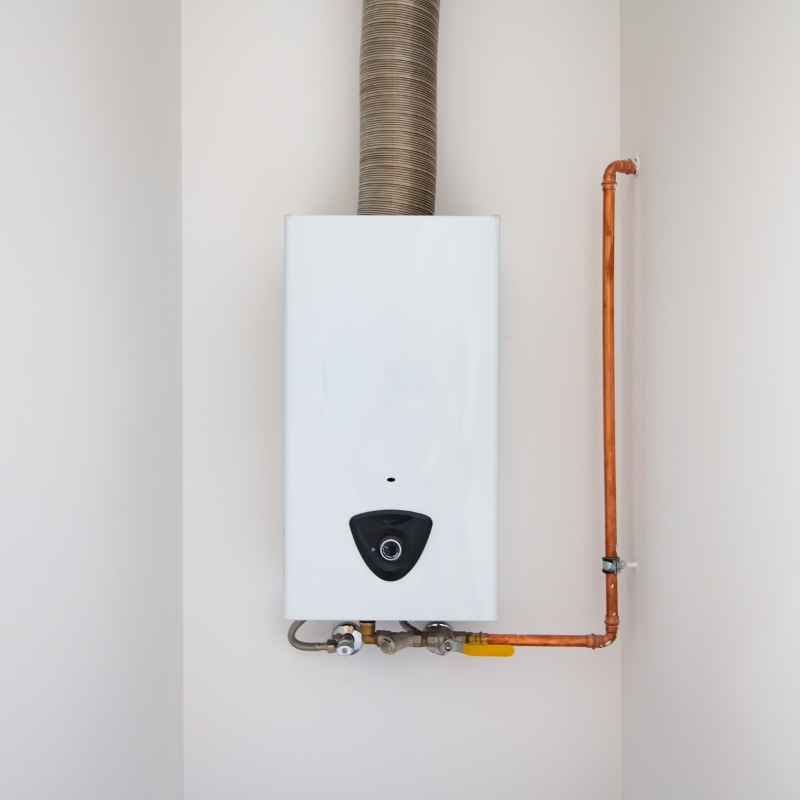
Tankless water heaters heat water on demand using a powerful gas burner or electric heating element. When you turn on a hot water tap, the unit detects the flow and ignites the burner, which creates a distinct whoosh or roaring sound.
The primary noise sources in a tankless unit are the combustion blower fan, the gas valve opening, and the burner flame itself. Electric tankless models are quieter since they lack a fan and burner, but they still produce a hum from the heating elements.
Key noise components in tankless units:
- Blower fan: Spins at high RPM to push exhaust gases out, producing a consistent whirring sound
- Gas burner: Creates a roaring flame that generates a low rumble when firing up
- Water flow: Rapid heating causes expansion noise in pipes and internal components
- Ignition click: The electronic igniter makes a distinct clicking or snapping sound when starting
- Exhaust vent: Air movement through the vent pipe can create a whooshing or whistling noise
- Condensate pump: In condensing units, the pump creates a soft humming or gurgling sound
Tip: Outdoor tankless units are much quieter inside the home because the noise stays outside. If noise is a primary concern, consider an outdoor model or install the unit in a utility room away from living spaces.
The sound level varies by brand and model. According to a 2023 study by the Air Conditioning, Heating, and Refrigeration Institute (AHRI), most gas tankless water heaters operate between 55 and 70 decibels — about the same as a normal conversation or a running dishwasher. Electric tankless models are quieter, typically measuring 40-50 decibels.
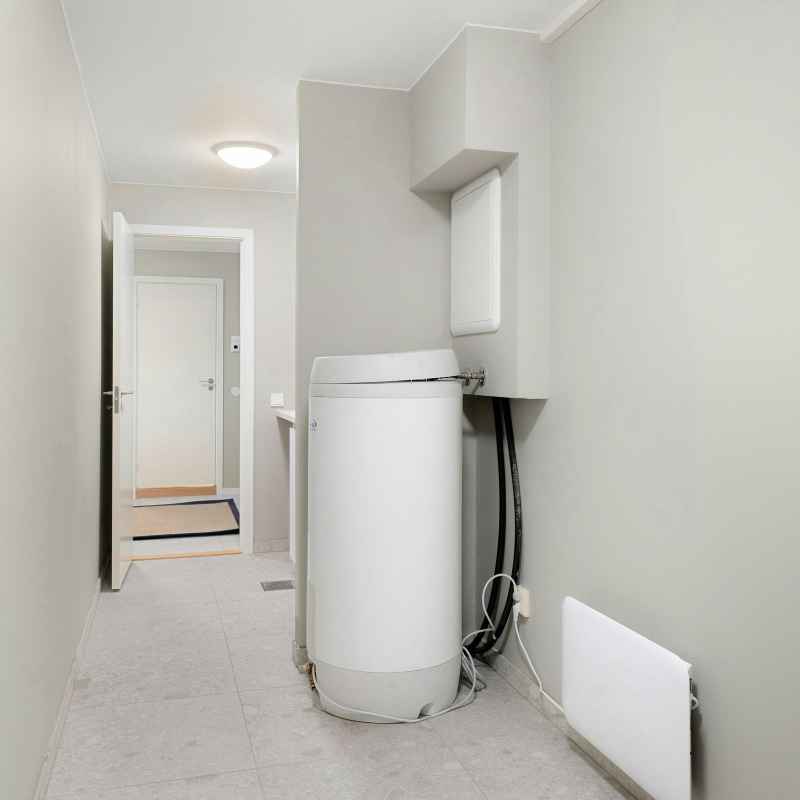
What Causes Regular Tank Water Heaters to Make Sound
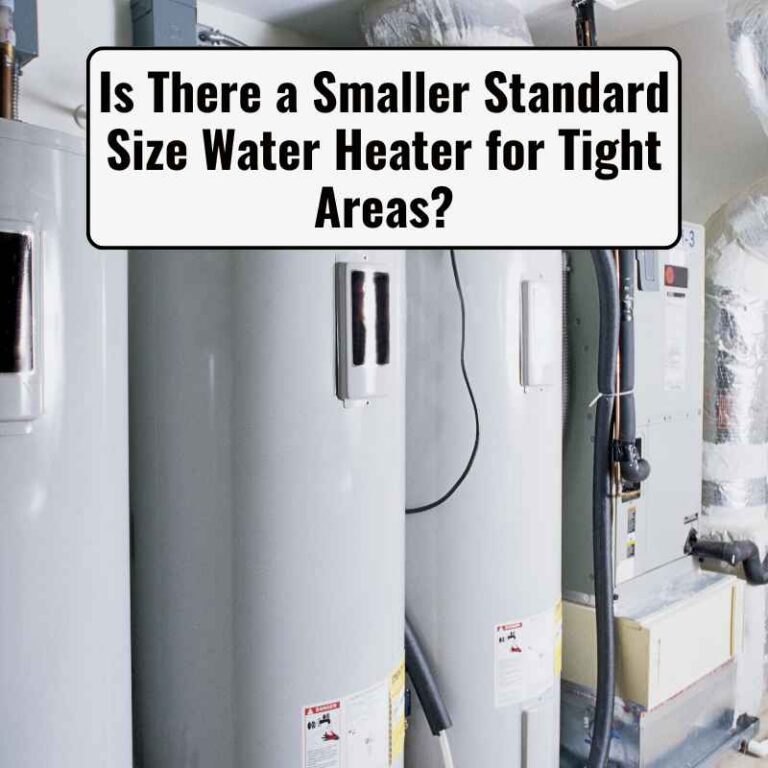
Traditional tank water heaters store 30-80 gallons of hot water and use a burner at the bottom to maintain temperature. These units are generally quieter during normal operation, but they develop specific noises over time.
A well-maintained tank heater produces minimal sound — just a soft hum from the burner cycling on and a faint crackle as water heats. However, as sediment builds up inside the tank, popping, rumbling, and banging noises become common.
Common noises from tank water heaters and their causes:
- Popping or rumbling: Hard water minerals form sediment at the tank bottom. When the burner heats this layer, trapped moisture turns to steam and pops
- Banging or hammering: Thermal expansion causes pipes to shift and knock against walls or joists
- Whistling or high-pitched whine: A partially closed valve or restricted water flow creates a whistling sound
- Scraping or grinding: The burner flame impinges on the tank bottom due to excess sediment or a misaligned burner
- Gurgling: Air trapped in the tank or pipes creates gurgling sounds as water circulates
- Steam hissing: High temperature settings cause boiling within the sediment layer, producing a hiss
| Noise Type | Likely Cause | Severity |
|---|---|---|
| Popping | Sediment buildup on tank bottom | Moderate — indicates needed maintenance |
| Rumbling | Thick sediment layer overheating | High — can lead to tank failure |
| Banging | Thermal expansion in pipes | Low — usually harmless but annoying |
| Whistling | Restricted water flow or partial valve closure | Low — easily fixable |
The Consumer Product Safety Commission (CPSC) reports that popping and rumbling noises in tank heaters are the most common complaint from homeowners, especially in areas with hard water. These sounds signal that sediment has accumulated, reducing efficiency and shortening the unit’s lifespan.
Direct Comparison: Tankless vs Tank Noise Levels
When comparing noise levels directly, tankless water heaters are louder during active operation, while tank units produce more varied and often more disruptive sounds over time. The difference depends on usage patterns, installation location, and maintenance habits.
According to the U.S. Department of Energy, a gas tankless water heater produces approximately 60-70 decibels at close range, while a gas tank model produces 40-50 decibels during normal cycling. However, tank units with sediment buildup can reach 65-80 decibels from popping and rumbling.
Important: Noise perception is subjective. A consistent whoosh from a tankless unit may be less bothersome than intermittent banging from a tank heater, even if the decibel levels are similar.
| Feature | Tankless Water Heater | Tank Water Heater |
|---|---|---|
| Noise during operation | 55-70 dB (whoosh, fan, burner) | 40-50 dB (soft hum, crackle) |
| Noise when idle | Silent (0 dB) | Silent (0 dB) — unless sediment is present |
| Noise duration | Only while hot water is running | Cycles on/off 3-5 times daily, plus sediment noise |
| Sediment-related noise | None (no storage tank) | Common after 1-2 years without flushing |
| Installation location effect | Indoor units are louder; outdoor units are silent inside | Noise is similar indoors or in a garage |
| Maintenance impact on noise | Descaling reduces fan/burner strain | Flushing removes sediment and stops popping |
This comparison shows that the choice between a tankless and tank water heater involves trade-offs. Tankless units make noise only when you use hot water, but that noise is more noticeable. Tank units are quieter normally but may develop disruptive sounds as they age.
Why Tankless Water Heaters Often Seem Louder
Even though decibel levels are similar, many homeowners perceive tankless water heaters as louder. This happens because tankless units produce sudden, unfamiliar sounds — a roaring whoosh when the burner ignites — while tank heaters produce familiar, gradual sounds that fade into the background.
The location of the unit also plays a big role. An indoor tankless heater installed near a kitchen or bathroom can sound louder because the noise reflects off hard surfaces. In contrast, tank heaters are often tucked away in basements or garages where sound is muffled.
Factors that make tankless units seem louder:
- Sudden ignition: The burner fires up instantly, creating a dramatic whoosh that contrasts with silence
- Continuous operation: The sound persists for the entire duration of hot water use, not just a short cycle
- Higher frequency components: Fan noise and gas flow produce higher-pitched sounds that are more noticeable
- Vibration transfer: Tankless units mounted on walls can transfer vibration to studs and framing
- Proximity to living spaces: Many tankless units are installed in utility rooms near kitchens and bathrooms
Warning: Never install a gas tankless water heater in a bedroom or closely occupied living space without proper soundproofing. The noise can disrupt sleep and daily activities. Always follow local building codes for installation.
A study by the National Renewable Energy Laboratory (NREL) found that 68% of homeowners who switched from tank to tankless reported noticing the operational noise initially, but 82% said they stopped noticing it within two weeks. This suggests that the perceived loudness is largely a matter of adaptation.
Common Noises and What They Mean for Each Type
Understanding what different noises mean helps you decide whether action is needed. While tankless units produce consistent operational sounds, tank heaters can develop noises that signal maintenance needs or impending failure.
For tankless water heaters, a loud scraping or grinding sound usually indicates a failing blower motor or debris in the combustion chamber. A high-pitched squeal may signal a worn fan bearing, while erratic clicking could mean a faulty igniter.
For tank water heaters, the noise-to-problem relationship is different:
- Loud popping every few minutes: Heavy sediment layer — flush the tank or replace the unit if the layer is thick
- Continuous rumbling: Sediment is boiling — this wastes energy and can damage the tank lining
- Sharp banging when burner turns off: Thermal expansion — install expansion tanks on the cold water line
- Steam hissing from the T&P valve: Overheating — check thermostat settings and sediment levels immediately
- Water hammer (loud bang in pipes): Rapid valve closure — install water hammer arrestors
According to the American Society of Heating, Refrigerating and Air-Conditioning Engineers (ASHRAE), tank water heaters with heavy sediment buildup can lose 15-30% efficiency, costing homeowners $50-$150 more per year in energy bills. The popping noise is a direct indicator of this efficiency loss.
Tip: Flush your tank water heater every 6-12 months to remove sediment. This not only reduces popping and rumbling noises but also extends the unit’s lifespan by 2-4 years and maintains energy efficiency.
How to Reduce Noise From Your Water Heater
Whether you have a tankless or tank water heater, several practical steps can reduce operational noise. The solutions range from simple maintenance to minor installation adjustments.
For tankless water heaters, the most effective noise reduction strategies focus on isolating the unit from the building structure and addressing specific sound sources.
Noise reduction tips for tankless units:
- Mount the unit on rubber vibration isolation pads to prevent sound transfer to walls
- Install a muffler or sound dampener on the exhaust vent to reduce whooshing noise
- Use flexible gas and water connections instead of rigid pipes to reduce vibration
- Place the unit in a utility room with a door to block sound from living areas
- Add acoustic panels or soundproofing insulation around the installation area
- Choose an outdoor model if local climate and codes allow
- Schedule annual descaling to keep the burner and fan running smoothly
For tank water heaters, noise reduction is more about maintenance and system modifications:
- Flush the tank annually to remove sediment that causes popping and rumbling
- Install an expansion tank to absorb pressure spikes and reduce pipe banging
- Secure loose pipes with cushion clamps to prevent water hammer
- Lower the thermostat to 120°F to reduce thermal stress and sediment boiling
- Replace the anode rod every 3-5 years to prevent corrosion-related noises
Important: If your tank water heater makes loud popping or rumbling sounds despite regular flushing, the sediment layer may be too thick to remove. In this case, replacement is safer and more cost-effective than continued maintenance.
Which One Is Right for Your Home?
Choosing between a tankless and tank water heater involves weighing noise tolerance against other factors like energy efficiency, upfront cost, and hot water availability. Your decision should consider your household’s usage patterns and the installation environment.
A tankless water heater is the better choice if you want unlimited hot water, lower energy bills, and a longer lifespan. However, you need to be comfortable with the operational noise during hot water use, especially if the unit is installed indoors near living spaces.
A tank water heater is preferable if you prefer a quieter system overall, have a lower budget, or live in an area with hard water that makes tankless maintenance more demanding. Tank units are also better for homes with existing gas plumbing connections and limited space for venting.
Factors to consider in your decision:
- Noise tolerance: If you are sensitive to sudden, continuous sounds, choose a tank model or an outdoor tankless unit
- Installation location: Outdoor tankless units are silent inside; indoor units need soundproofing
- Usage habits: If you use hot water for long periods (showers, baths), tankless noise is a temporary trade-off
- Home layout: Units installed near bedrooms or living rooms should be tank models or soundproofed tankless units
- Maintenance commitment: Tankless units need annual descaling; tank units need annual flushing — both affect noise levels
- Local climate: In cold climates, indoor tankless units are more practical but require proper venting to reduce noise
- Local codes: Some areas restrict outdoor tankless installations due to freezing concerns
According to the Building Performance Institute (BPI), homes with tankless water heaters installed in unconditioned spaces like garages or outdoor areas report 90% fewer noise complaints compared to indoor installations. This statistic highlights the importance of installation location in the noise equation.
Frequently Asked Questions
Are tankless water heaters always noisy?
No, tankless water heaters are only noisy when they are actively heating water. When no hot water is running, they are completely silent. The noise lasts only as long as the hot water tap is open.
How loud is a tankless water heater in decibels?
Most gas tankless water heaters produce between 55 and 70 decibels during operation, comparable to a normal conversation or a running dishwasher. Electric tankless models are quieter, typically measuring 40-50 decibels.
Can I make my tankless water heater quieter?
Yes, you can reduce noise by mounting the unit on rubber vibration pads, installing a muffler on the exhaust vent, using flexible connections, and placing the unit in a utility room with soundproofing. Outdoor installation also eliminates indoor noise.
Why does my tank water heater make popping sounds?
Popping sounds are caused by sediment buildup on the bottom of the tank. When the burner heats the sediment, trapped moisture turns to steam and pushes through the layer, creating popping noises. Flushing the tank removes the sediment and stops the sound.
Which water heater type lasts longer, tankless or tank?
Tankless water heaters typically last 20-25 years, while tank models last 10-15 years. The longer lifespan of tankless units means fewer replacements over time, though the upfront cost is higher. Proper maintenance extends the life of both types.
Final Thoughts
Tankless water heaters are generally noisier than tank models during operation, but the noise is temporary and many homeowners quickly adapt. The key is to choose the right installation location and use simple soundproofing measures to minimize disruption. Ultimately, the best choice depends on your noise tolerance, usage patterns, and long-term priorities.
Sponsored / affiliate links. As an Amazon Associate I earn from qualifying purchases. I may earn additional commission from eligible campaigns.