When Did Hot Showers Become Common?
Hot showers became standard in American homes between the 1920s and 1970s – decades after Benjamin Waddy Maughan invented the first gas water heater in 1868, since early versions lacked safety venting. Most 1940s households still heated water on a stove or bathed cold. This guide covers the 1868 invention, the U.S. Census data behind the slow rollout, and why showers beat baths in America today.
The Early Days of Bathing
Bathing wasn’t always about hot showers. Civilizations like the Egyptians, Greeks, and Romans were big on bathing, but it wasn’t like flipping a switch for hot water. The Egyptians, around 2000 BCE, used water heated over fires for ritual baths. The Greeks built public bathhouses with communal pools warmed by fires or hot springs. The Romans went furthest: their bathhouses, called thermae, used underfloor pipes and furnaces (a system called a hypocaust) to heat water and rooms at once.
These were mostly for the wealthy or for public use – the average person didn’t have a private hot bath at home. Bathing was a social event, and hot water was a luxury. During the Middle Ages, bathing fell out of favor in Europe because of health myths – people believed soaking in water could spread disease. Instead, most people relied on quick sponge baths, often with cold water, since heating and carrying water was a real hassle.
The Industrial Revolution Sparks Change
By the 1700s, wealthier homes in Europe and early America had rudimentary water-heating systems – copper tanks heated by coal or wood fires. These were clunky and expensive; you’d have to plan a bath hours in advance, nothing like an instant hot shower today.
By the mid-1800s, gas water heaters started showing up. In the USA, cities like New York and Philadelphia were getting piped water systems by the 1830s, but indoor plumbing was still out of reach for most households, which still relied on wells and buckets.
The Rise of Indoor Plumbing
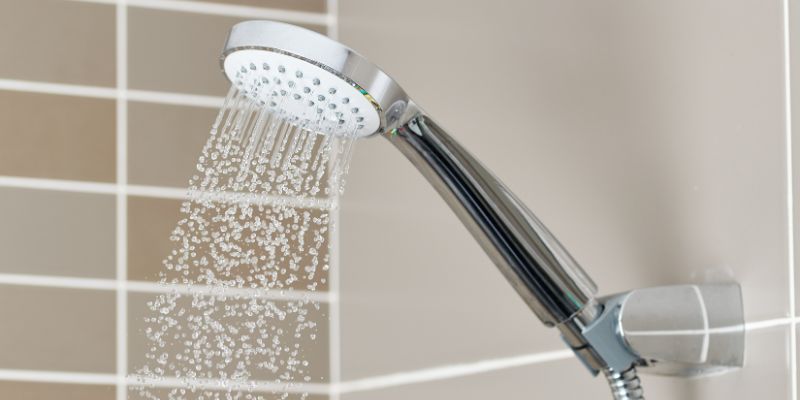
By the late 1800s, indoor plumbing started becoming more common in American cities. Wealthy homes had bathrooms with tubs, and some had early shower setups – though these weren’t sleek showerheads, more like a contraption of pipes and valves spraying water in every direction.
The real breakthrough came with electric water heaters in the 1890s. Companies such as Ruud could heat water faster and more reliably than gas or coal. By the early 1900s, middle-class homes in the USA were starting to get indoor bathrooms with hot and cold running water. Showers were still less common than bathtubs, but they were gaining ground because they were quicker and used less water.
Here’s a quick look at how plumbing evolved during this time:
| Time Period | Key Development | Impact on Hot Showers |
|---|---|---|
| 1700s | Copper tanks heated by fire | Hot water for wealthier homes, slow process |
| 1868 | First gas water heater (“Geyser”) | On-demand hot water, but unsafe (no vent) |
| 1889 | Ruud safety water heater | Reliable, efficient hot water for homes |
| 1920s-1940s | Indoor plumbing spreads to cities | Showers become practical for more people |
📊 In 1920, only about 1% of U.S. homes had electricity and complete indoor plumbing; by 1940, nearly half of U.S. houses still lacked hot piped water, a bathtub or shower, or a flush toilet. – Source: U.S. Census Bureau, Historical Census of Housing Tables: Plumbing
The 20th Century: Hot Showers Go Mainstream
By the 1920s, indoor plumbing was becoming standard in new American homes, especially in cities, as suburbs grew and houses were built with bathrooms that included showers. World War II slowed construction, but the 1950s brought a housing boom. Manufacturers like Kohler and American Standard made affordable fixtures, and electric water heaters became compact and efficient. Tankless models also started appearing, though they were pricier – a tradeoff that still applies today, since tankless water heaters can struggle to keep up with back-to-back showers in a large household.
By the 1960s and 1970s, hot showers were no longer a luxury – they were expected. My grandmother once told me her family shared one bathroom with a tub and a handheld shower in the 1940s; by the time she raised her own kids in the 1970s, their house had two full bathrooms with modern showers. That’s how fast things changed in just three decades.
“My grandmother shared one bathroom with a handheld shower and a tub as a kid in the 1940s – by the time she was raising her own children in the 1970s, her house had two full modern bathrooms. That single family jump is the whole history of the American hot shower in miniature.”
Technology Makes Showers Better
By the late 20th century, technology was transforming the bathroom. Manufacturers started designing bathroom fixtures like showerheads with adjustable sprays, water-saving features, and massage settings. Water heaters got smarter too – tankless models became more popular in the USA in the 2000s, heating water only on demand so a long shower doesn’t run cold halfway through.
Solar water heaters also started appearing for eco-conscious homeowners, and smart shower systems now let you set the perfect temperature from your phone before you even step in. If your existing showerhead feels weak or dated, replacing a showerhead is one of the cheapest upgrades in the whole history of bathroom plumbing.
Best Water-Saving Showerhead Pick
Niagara Conservation Tri-Max Showerhead – $15.96
WaterSense-certified at 0.5-1.5 GPM – the modern answer to the pressure-compensation problem that made 1970s-era showerheads either weak or wasteful.
- Best for: cutting water/heating bills without losing pressure
- Why we picked it: EPA WaterSense certified, matches the efficiency story this guide covers
- Main drawback: plastic housing feels less premium than metal models
Compare more water-saving showerhead options
 Option 1 Earth Spa 3-Spray Showerhead – $21.95
|
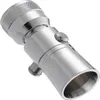 Option 2 Delta Single-Spray Showerhead – $17.36
|
 Option 3 High Sierra Classic Metal 1.25 GPM – $44.95
|
As an Amazon Associate we earn from qualifying purchases.
Why Hot Showers Matter to Us
A hot shower is more than just getting clean. Warm water relaxes muscles, reduces stress, and can help with sleep – it increases blood flow and triggers endorphin release, which is why it feels so good after a long day.
Culturally, showers have become a daily ritual in the USA. Unlike some countries where baths are still preferred, Americans lean toward showers for their speed and convenience – home renovation shows consistently highlight walk-in showers as a top buyer request when remodeling a bathroom.
Challenges and the Future of Hot Showers
Hot showers use real water and energy. Showering accounts for nearly 17% of residential indoor water use in the USA, and heating that water takes energy too. Switching to a WaterSense-labeled showerhead, a tankless heater, or simply shortening shower time can meaningfully cut both.
📊 The average American shower uses about 15.8 gallons of water and lasts 7.8 minutes, at an average flow rate of 2.1 gallons per minute. – Source: U.S. EPA WaterSense Program
Looking ahead, smart showers that let you save water without thinking about it, water-recycling systems, and solar heaters are all emerging – the same pattern that took hot water from a rich person’s luxury to a universal expectation over the last century is still playing out today.
Frequently Asked Questions
When did most American homes get hot showers?
Most American homes had hot showers by the 1950s-1970s. By 1940, roughly half of U.S. houses still lacked hot piped water, a bathtub, or a shower according to the U.S. Census Bureau. The postwar suburban housing boom of the 1950s, combined with affordable gas and electric water heaters, pushed hot showers from a minority feature to a near-universal one within about 30 years.
When were hot showers invented?
The first shower designed to deliver hot water was England’s Regency Shower around 1810, though it recirculated the same water. The bigger leap came in 1868, when English inventor Benjamin Waddy Maughan patented the “Geyser,” the first gas water heater – but it had no vent for exhaust gases, making it dangerous. In 1889, Norwegian-American engineer Edwin Ruud fixed that flaw with a safer thermal-valve design, which became the template for modern water heaters.
How did people heat water for bathing before modern showers?
Before modern plumbing, people heated water over fires in pots or copper tanks. In ancient times, some used hot springs or furnace-heated bathhouses like the Roman thermae. By the 1700s, wealthier homes had coal or wood-fired copper tanks, but the process was slow and labor-intensive, so most people made do with cold sponge baths.
Why are hot showers so popular in the USA?
Hot showers are popular in the USA because they’re quick, convenient, and relaxing compared to a bath. Warm water helps with stress relief and muscle relaxation, and culturally, a daily shower became the American norm by the late 20th century once tankless and electric water heaters made hot water available on demand.
Are hot showers bad for the environment?
Hot showers use real water and energy – the average American shower uses about 15.8 gallons at a 2.1 gallon-per-minute flow rate, per EPA WaterSense data, and heating that water adds to home energy use. WaterSense-labeled showerheads, tankless heaters, or simply shorter showers all reduce the impact without giving up hot water.
What’s the future of hot showers?
The future points toward smart showers that control temperature and water use automatically, plus wider adoption of water-recycling systems and solar heaters. These innovations aim to keep hot showers comfortable while cutting the water and energy cost that comes with them.
Conclusion
Hot showers went from a rare treat for the wealthy to an everyday expectation in about a century – from the Romans’ wood-fired thermae, to Maughan’s flawed 1868 Geyser, to the 1950s suburban boom that finally put a shower in most American homes. The next shift is already underway: lower-flow, smarter fixtures that keep the comfort while cutting the water and energy bill behind it.
Sponsored / affiliate links. As an Amazon Associate I earn from qualifying purchases. I may earn additional commission from eligible campaigns.