Toilet Cleaning Checklist: The Supplies Every Home Should Keep
A basic toilet cleaning checklist commonly has about 5 items: toilet bowl cleaner, a toilet brush, disinfecting wipes or spray, rubber gloves, and a plunger; add an enzyme cleaner and a pumice stone only if deep-cleaning is a regular need. Skip the wrong supplies and you can spread germs, scratch porcelain, or waste money on products you never use. This guide breaks the kit into daily cleaning, deep cleaning, and clog response so you can buy only what belongs in your home.


Must-have toilet cleaning supplies
Start with the tools that handle routine cleaning and the most common messes. One cleaner handles the bowl. A separate wipe or spray handles the seat, lid, and handle. Keep a plunger in the bathroom for clogs, but do not treat it as a cleaning tool.
Toilet brush

A toilet brush should have firm but non-scratching bristles or silicone fins, a head shape that reaches under the rim, and a handle long enough to keep your hand clear of the bowl. A handle around 16 inches is a practical target for reach without awkward bending. A holder or caddy matters too, because a wet brush left in open air can drip and spread odor.
The BOOMJOY set uses silicone rather than traditional bristles, which can be easier to rinse clean and less likely to shed. The tradeoff is that silicone may not scrub heavy mineral buildup as aggressively as stiff bristles on older stains. Replace a brush head when it stays bent, smells after cleaning, or no longer reaches tight rim areas. For many homes, that means every few months, sooner with frequent use.
Toilet bowl cleaner

Choose a bowl cleaner that matches your routine: acidic formulas help with rings and hard-water stains, while bleach-free, septic-safe cleaners fit many homes that want a gentler option. The cleaner should cling to the bowl, especially under the rim, so it has time to work before scrubbing. On most labels, the safe contact step is simple: apply, wait the stated dwell time, then scrub and flush.
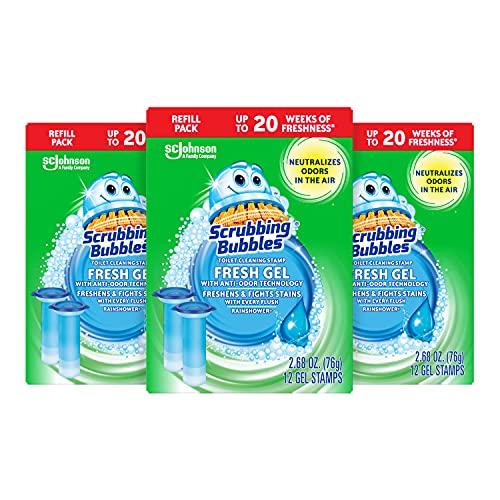
Lysol Toilet Bowl Cleaner Clinging Gel is a bleach-free, septic-safe option with a clinging gel format and an angled neck for under-rim application. The drawback is that a gel cleaner can still need repeat treatment on heavy yellow staining or stubborn limescale. It is a cleaner, not a disinfectant for every surface in the bathroom, so keep that role separate in your kit.
Rubber cleaning gloves
Gloves protect skin from cleaner residue, grime, and repeated wet work. Look for a fit that stays snug at the fingers and palm without pinching. Loose gloves can slip on the handle of a brush or towel, and overly thin gloves tear faster during scrubbing.
Keep gloves dry between uses. Hang them or store them in a ventilated bin, not tossed into a damp drawer. If the cuffs stay wet or the inside starts to smell, replace them.
What supplies should every home keep for toilet cleaning?
Every home should keep a minimal kit that covers daily cleaning, stain treatment, and an unexpected clog. A shortest useful list is often about 8 items: toilet bowl cleaner, toilet brush, disinfecting wipes or spray, rubber gloves, microfiber cloths, toilet paper or paper towels, a plunger, and a bucket or spray bottle. That covers the bowl, the seat and handle, and the floor around the base.
For larger households, add a backup brush head or refill pack before you add specialty products. A second bottle of bowl cleaner is usually more useful than a pile of niche cleaners that do the same job.
Daily-use items versus backup items
Daily-use items are the ones that come out for routine cleaning: bowl cleaner, brush, gloves, and a wipe or spray for high-touch parts. Backup items are there for spill control and repairs to your routine, such as paper towels, a spare brush head, and an extra cleaner refill. Keep the plunger in the bathroom, but only because clogs happen fast.
Picture a guest bath that gets used only on weekends. That room still needs a brush, gloves, and a small cleaner bottle, but it does not need a large cache of refills. A main family bath may need faster restocking because the brush and cleaner get used more often.
Nice-to-have toilet cleaning supplies
These items make the work faster and cleaner, especially if you clean the bowl, seat, lid, walls, and floor in one pass. They are useful, but most homes do not need a separate product for each bathroom. One organized kit can move from room to room.
Disinfecting wipes or spray
Use disinfecting wipes or spray on the seat, lid, handle, flush lever, and nearby contact points. Check the label for surface compatibility, because some sprays should not stay on delicate finishes or unsealed materials. Contact time matters: if the label says to leave the surface wet for a set time, do not wipe it off early.
Choose a fragrance level that fits the room. A heavy scent can mask odor for a moment without solving the source. For homes that prefer bleach-free routines, a disinfecting product can still be useful if the label allows the toilet surfaces you plan to clean.
Microfiber cloths
Microfiber cloths are useful for wet and dry wiping because they are lint-free and less likely to scratch porcelain, plastic seat surfaces, or finished hardware. Keep one cloth for the outside of the toilet and another for the floor or base area if you want to avoid cross-contamination. A small stack is better than one cloth that gets overloaded.
Wash them after use and dry them fully before storing. Damp microfiber can hold odor, and a dirty cloth can streak the toilet lid or leave residue behind.
Bucket or spray bottle
A spray bottle helps if you mix a cleaner or dilute a citric acid solution for walls and floor. A bucket is better when you need rinse water or want to carry supplies from room to room. Label the bottle clearly so it is never confused with a fabric spray or glass cleaner.
Store both under the sink only if the cabinet stays dry and out of reach of children and pets. If the space is crowded or humid, move the bottle to a ventilated bin instead.
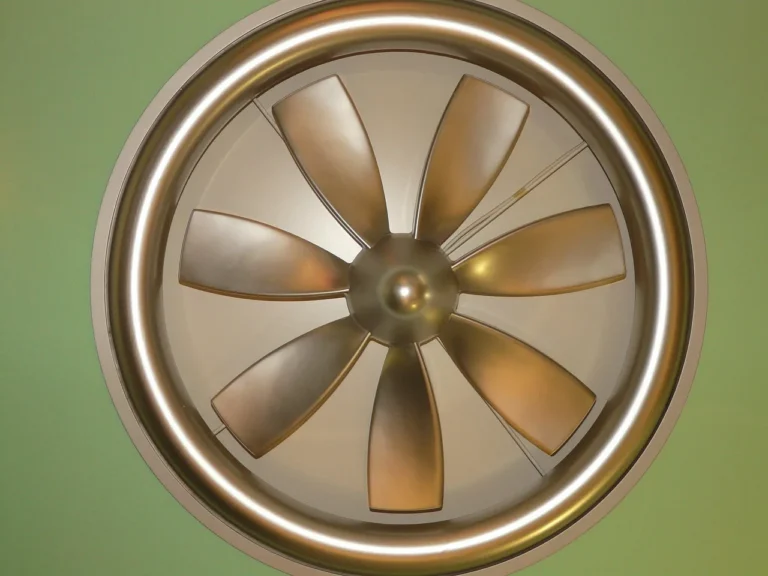
Ventilation fan
A ventilation fan helps control odor and moisture while you clean, and it also reduces lingering dampness after you finish. Keep it running during acidic cleaning, especially if the label calls for better air movement. Dust can build up on the fan grille, so regular cleaning matters.
The bathroom exhaust fan should be cleaned 3-4 times a year. That keeps airflow steadier and helps the room dry faster after scrubbing.
Do you need a plunger in every bathroom?
Not every bathroom needs its own plunger, but every home should have quick access to one. A plunger is generally for emergency unclogging rather than routine toilet cleaning. In a small home, one plunger near the most-used toilet is enough if you can reach it fast.
Cup versus flange design
A cup plunger works best on flat drains and some sinks. A flange plunger has an extended rubber collar that helps form a stronger seal in toilet bowls. For a toilet, a flange design is usually the better choice because it seats more securely in the bowl opening.
If your home has older fixtures or unusually shaped bowls, look for a design that seals on more than one bowl shape. A beehive style can fit many bowl shapes, which is useful in mixed bathroom layouts.
Seal type and bathroom compatibility
Good plungers rely on a flexible rubber seal that forms a tight ring against the bowl. A weak seal means more effort and less pressure. Bathroom compatibility matters because a plunger that works well in one toilet may not sit properly in another.
The Korky Beehive MAX uses a beehive shape and a telescoping handle. That shape helps it fit many bowl shapes, but the telescoping handle can be bulkier than a fixed handle when you are short on storage space.
Best storage location
Store the plunger near the toilet it serves, but not where it will drip onto towels or contact other supplies. A closet floor, a ventilated bin, or a protected corner works better than an open shelf. Keep it separate from cloths and paper goods.
A common first-timer mistake is tucking the plunger behind the toilet base with no airflow. That keeps it hidden, but it also traps moisture and odor.
Consumables and spares
Consumables are the items you will replace most often. They matter because a toilet kit fails when the cleaner is empty, the cloths are ragged, or the brush no longer reaches the rim. Build around refill timing, not just the first purchase.
Toilet paper or paper towels
Use toilet paper or paper towels for spot treatment, wiping cleaner from tight edges, and cleaning up small drips. Paper towels absorb better, but toilet paper is easier to flush in small amounts when you are blotting a treated stain. Do not use either as a substitute for a proper bowl brush on heavy buildup.
Keep a small backup roll or a folded stack in the cleaning bin so you are not searching for supplies mid-task. If you use a stronger cleaner on yellow stains, paper is often the easiest way to remove product before scrubbing.
Replacement frequency for brushes and cloths
Brushes should be replaced when the bristles splay, the head stays discolored, or the handle no longer feels stable. Cloths should be rotated out when they start to smell after washing or leave lint behind. Reusing worn tools can spread residue and make streaks more likely.
For everyday cleaning, keep at least two microfiber cloths available so one can dry while the other is in use. That small backup keeps the kit functional without adding clutter.
Cleaner refills and label checks
Before buying refills, check that the cleaner still matches your surfaces and your water conditions. A formula that handles limescale may be the right choice for hard-water rings, while a milder product may be enough for routine maintenance. Labels can also change, so confirm safe contact time and storage directions each time you restock.
Do not mix products in the same spray bottle unless the label allows it. A labeled bottle avoids confusion and helps prevent accidental cross-use with glass cleaner, fabric spray, or bleach.
Toilet cleaning kit inventory
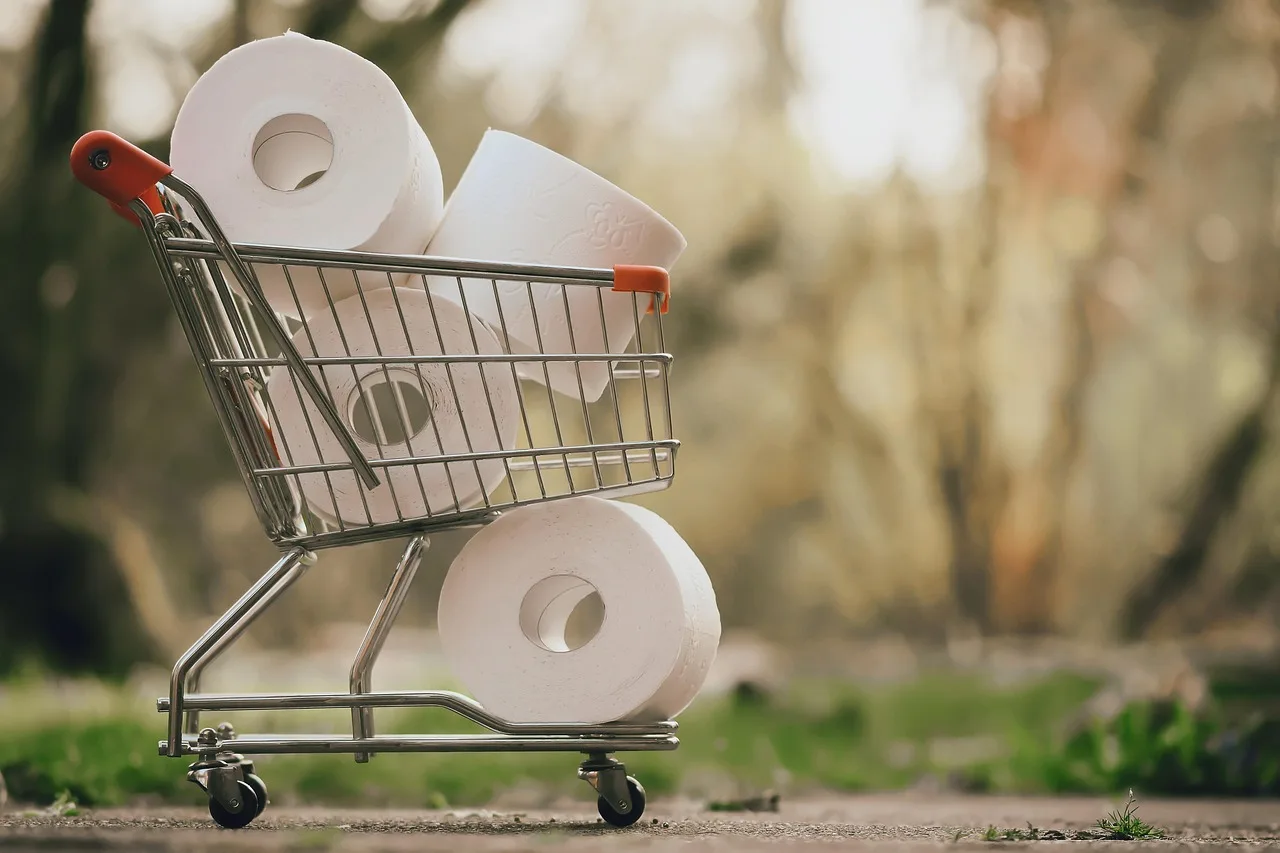
The table below separates a minimal 8-item kit from optional deep-clean add-ons. It also shows when each item should be restocked so the kit stays ready without overbuying. Keep the list practical: daily cleaning first, deep-clean extras second, and unclogging tools separate.
| Item | Purpose | When to restock |
|---|---|---|
| Toilet bowl cleaner | Routine bowl cleaning and stain removal; choose acidic or bleach-free as needed | When the bottle is about one-third full or after heavy stain runs |
| Toilet brush | Scrubs the bowl, rim, and waterline without scratching porcelain | When bristles splay, stay bent, or smell after washing |
| Rubber cleaning gloves | Protects skin from cleaner residue and wet grime | When the gloves tear, stretch out, or trap odor |
| Disinfecting wipes or spray | Cleans seat, handle, lid, and other touch points | When the pack is low or the spray no longer covers evenly |
| Microfiber cloths | Lint-free wet or dry wiping for the seat, base, and nearby surfaces | When cloths stay rough, streak, or hold odor after washing |
| Toilet paper or paper towels | Spot-treatment cleanup, blotting, and wiping away loosened soil | When the cleaning stash runs low |
| Plunger | Emergency unclogging tool for toilet backups | Replace only if the seal cracks or the handle loosens |
| Bucket or spray bottle | Mixing, dilution, or carrying rinse water and labeled solutions | When the bottle cracks, the label fades, or the cap leaks |
| Citric acid | Deep-clean add-on for walls and floor when mineral film returns | When hard-water residue starts to show again |
| Pumice stone | Deep-clean add-on for stubborn mineral rings on porcelain only | When yellow or brown rings return after regular cleaning |
| Enzyme cleaner | Deep-clean add-on for odor recurrence and organic residue | When odor returns after the bowl and base are cleaned |
Storage note: Keep the brush, cleaner, gloves, wipes, and cloths under the sink only if the cabinet is dry, locked or child-resistant, and clear of leaks. Move citric acid, pumice stone, and spare chemicals to a ventilated storage bin if the cabinet is cramped, damp, or within easy reach of children or pets.
What belongs under the sink?
Bathroom cabinet storage should hold the items you use most often and can access safely: bowl cleaner, gloves, wipes, cloths, and a labeled spray bottle. A plunger can sit nearby if the space is dry, but many homes keep it in a ventilated bin instead. Safety comes first when children or pets can reach the cabinet.
Safe bathroom cabinet storage
Under-sink storage works best for sealed bottles, dry cloths, and tools you reach for during routine cleaning. Use a tote or bin to keep the brush upright and prevent the handle from touching other supplies. That also makes it easier to spot leaks before they spread.
What should move to a ventilated bin?
Move anything damp, odor-prone, or bulky to a ventilated bin. That usually includes the plunger, a used brush, and any cleaning pad or head that needs airflow between uses. A bin with holes or open sides dries faster than a closed cabinet.
Child and pet safety
If children or pets can open the cabinet, keep chemical cleaners out of reach or use a locked storage area. Even bleach-free products can irritate skin, eyes, or mouths if handled the wrong way. A higher shelf or a latched bin is better than a low cabinet door with no lock.
Suppose a household has one full bath and two children under 8. In that setup, the safest choice is a small locked caddy under the sink for cleaner and gloves, with the plunger stored higher or in a ventilated closet bin. That keeps the kit close enough to use without leaving it exposed.
Budget setups
Choose a setup based on how many bathrooms you have and how often you clean. A starter kit covers one bathroom and basic upkeep. A mid-level kit adds better stain control. A serious kit suits larger homes or households that want a spare brush head and stronger deep-clean options.
| Setup | What to buy | Best for |
|---|---|---|
| Starter | Toilet bowl cleaner, toilet brush, gloves, wipes or spray, microfiber cloth, plunger, paper towels, spray bottle | One bathroom and routine upkeep |
| Mid | Starter kit plus an extra brush head, citric acid, and a better ventilated storage bin | Hard-water homes and weekly deep cleaning |
| Serious | Mid kit plus enzyme cleaner, a second cleaner type, and a backup plunger if you have multiple bathrooms | Larger households and frequent clog response |
Frequently asked questions
What is the best toilet brush to keep under the sink?
Look for a brush with a head that reaches under the rim, a handle that stays comfortable to use, and a holder or caddy that keeps drips contained. Silicone brushes are easier to rinse clean, while traditional bristles can scrub mineral buildup more aggressively. Storage matters as much as shape.
Do I need a plunger and toilet cleaner for every bathroom?
Not necessarily. One plunger can cover a small home if it is easy to reach quickly. Toilet cleaner is better stored near the bathrooms most often used. Homes with multiple busy bathrooms may want duplicates, but many do fine with one well-stocked kit and one nearby backup plunger.
What should I use to clean yellow toilet stains?
Yellow stains often need an acidic cleaner, and the guide’s stain treatment calls for acidic detergent and toilet paper, followed by a 2-3 minutes dwell time before scrubbing with a brush. For walls and floor, citric acid mixed with lukewarm water is a practical bleach-free option when the label allows it.
What supplies are safe to keep in the bathroom cabinet?
Dry gloves, sealed bowl cleaner, wipes or spray, microfiber cloths, and a labeled spray bottle are usually fine in a bathroom cabinet if the space is dry and out of reach of children and pets. Avoid storing damp tools in a closed cabinet, and move odor-prone items to a ventilated bin.
How do I stock a toilet cleaning kit without using bleach?
Choose a bleach-free bowl cleaner, disinfecting wipes or spray that match your surfaces, microfiber cloths, gloves, and a plunger. For mineral film, citric acid is a useful add-on. For odor recurrence, an enzyme cleaner can help. This setup works well for many septic-safe routines.
What’s the difference between a toilet brush, cleaner, and disinfectant?
The brush removes soil by scrubbing. The bowl cleaner loosens rings, mineral buildup, and grime inside the bowl. A disinfecting wipe or spray is for high-touch surfaces such as the seat, handle, and lid, and it needs the correct contact time to work as labeled. Each tool has a different job.
How often should I clean the toilet bowl and surrounding floor?
The bowl and surrounding floor should be cleaned on a regular schedule, with high-use bathrooms cleaned more often than guest baths. Many homes do the bowl weekly and spot-clean the seat, handle, and floor whenever visible soil appears. If odors return quickly, clean sooner and check ventilation, not just the bowl.
Sponsored / affiliate links. As an Amazon Associate I earn from qualifying purchases. I may earn additional commission from eligible campaigns.