How to Clean a Toilet Brush and Holder Safely
Clean a toilet brush and holder regularly with hot water and dish soap, then disinfect with a bleach solution only on bleach-safe plastic or metal. Skip bleach on rust-prone finishes and silicone. Buildup brings odors, drips, and residue into the bathroom. This guide covers plastic, metal, silicone, and lidded holders, plus when replacement makes more sense than cleaning.
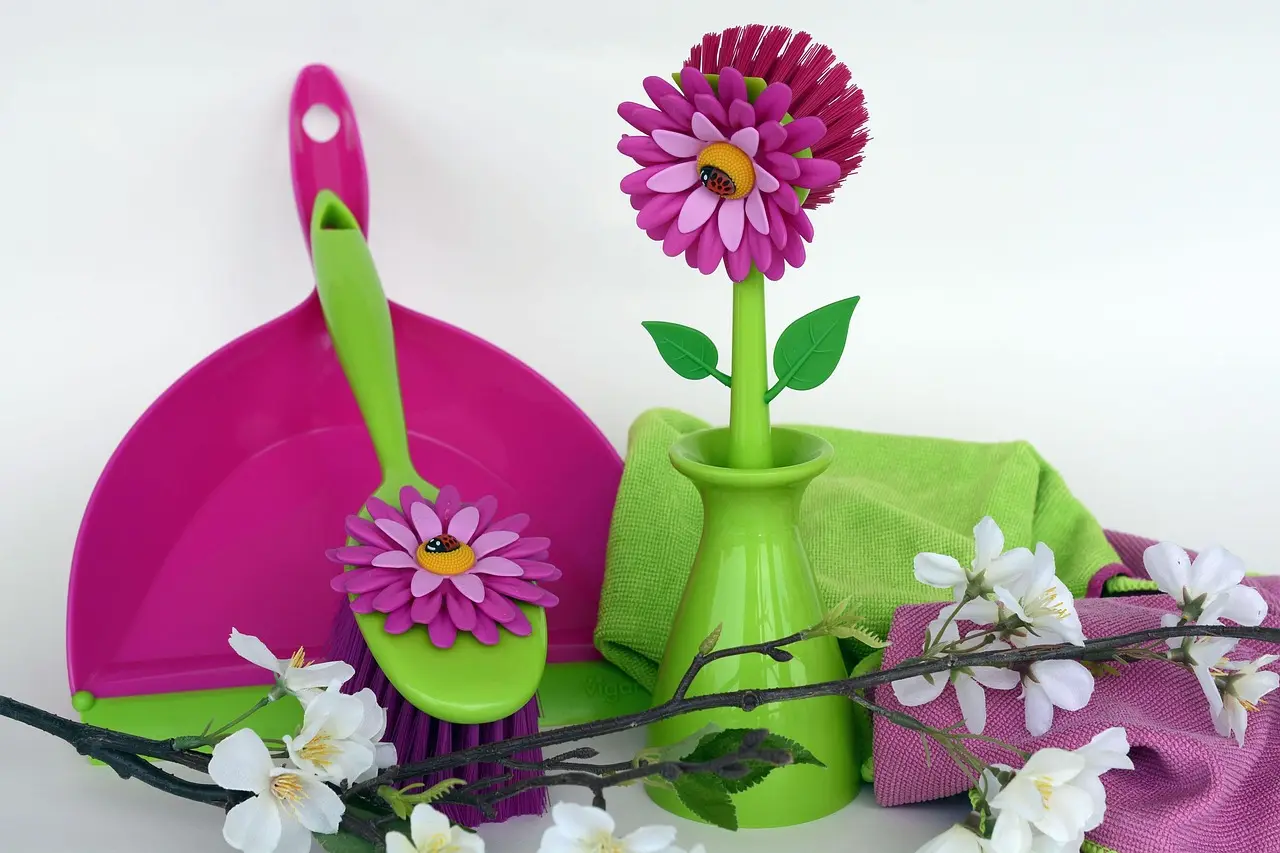
What you’ll need


- Rubber gloves
- Access to ventilation: an open window, door, or airy space
- Dish soap or a mild bathroom cleaner
- Bleach only if the label allows the surface and dilution you plan to use
- White vinegar for routine cleaning only on acid-tolerant materials
- Disinfectant spray that lists bathroom surfaces you actually have
- A dedicated sink, bucket, or tub for rinsing
- Paper towels or a dedicated cleaning cloth
- A spare tray or newspaper for drips while drying
Safety prep before you start
Open the room so fresh air moves through, put on rubber gloves, and flush the toilet first. That leaves less visible debris in the bowl and lowers splash risk. Keep bleach away from vinegar and ammonia, including urine residue. The CDC and EPA both warn not to mix bleach with ammonia or acids, and the bleach label should always control dilution and contact time.
Set up a drip zone before you lift the brush. A tray, folded paper towels, or an old towel keeps runoff off the floor. Which? recommends a color-coded cleaning system to reduce cross-contamination, so keep this brush and holder separate from kitchen or sink-cleaning tools.
- Rinse the brush in hot water first to remove loose debris.
- Choose a cleaning method that matches the brush head and handle material.
- Scrub the bristles, ferrule, and handle with dish soap or a material-safe cleaner.
- Use bleach only on bleach-safe plastic or metal, and only at the label dilution.
- Rinse again, shake off excess water, and set the brush where it can drain.
Cleanipedia recommends soaking the brush in bleach for an hour, but that only fits bleach-safe parts and a well-ventilated area. For silicone or finishes that corrode, a mild cleaner or disinfectant spray labeled for the surface is the safer choice. The EPA also emphasizes using disinfectants for the full label contact time, not just a quick wipe. A common first-timer mistake is leaving the brush wet in the holder. That traps odor fast.
Say your brush has nylon bristles and a plain plastic handle. Hot water and dish soap usually handle routine grime, then a bleach solution can disinfect if the label allows it. Very warm tap water is enough for routine rinsing; water hot enough to soften plastic can warp heads, handles, or ferrules. If the bristles are warped, split, or permanently bent, replacement beats another cleaning cycle.
The safest method depends on the holder material. Plastic usually tolerates soap, many disinfectant sprays, and a labeled bleach solution. Chrome, stainless steel, and coated metal need more caution because bleach can pit or dull finishes. Silicone often handles soap well but can hold odor if water sits inside. Lidded holders need the lid, hinge, and base cleaned too.
Scrub the interior and exterior surfaces with the right cleaner, then rinse well. Clean the base, drain holes, and any rim where water collects. For disinfecting products, keep the surface visibly wet for the label contact time. The same source says to rinse the holder with boiling hot water, but skip that on plastic unless the label allows it; boiling water can warp plastic parts.
Suppose you have a wall-mounted holder with a closed bottom. Remove the insert if it comes out, clean the hidden ledges, and dry every seam before putting it back. If water keeps pooling in the same spot, the design is making odor control harder, and replacement may be the better fix.
Brush and holder decision table
| Holder material | Safest cleaning method | Drying method | Replacement signs |
|---|---|---|---|
| Plastic | Dish soap, then disinfectant spray or labeled bleach solution if the plastic is bleach-safe | Air-dry upside down; drain fully before reassembly | Cracks, clouding, warped sides, trapped odor after cleaning |
| Metal | Mild cleaner or disinfectant spray; use bleach only if the finish is bleach-safe | Wipe dry, then air-dry with good airflow | Rust, pitting, flaking finish, odor that returns after drying |
| Silicone | Dish soap and warm water; disinfectant spray if the label allows silicone | Drain well, then air-dry fully | Persistent smell, deformation, sticky residue, stains that do not lift |
| Wall-mounted or lidded holder | Clean the insert, lid, hinge, and mounting area with a material-safe cleaner | Leave open to dry; do not close the lid until dry | Moisture under the lid, mildew at seams, cracked mounts, trapped water |
When should you replace the brush or holder?
Replace the brush or holder when cleaning no longer fixes the problem. Warped nylon bristles do not sweep well, split bristles trap residue, and cracked plastic or rusted metal can hold moisture and odor. Silicone heads can also start to retain smell when the surface stays scratched, tacky, or deformed. If the holder stays stained, smells sour, or keeps water in hidden corners after a full clean and dry cycle, it is past simple cleaning.
Persistent odor can also mean the part is holding moisture internally. If the smell remains after a thorough clean, the safer call is to replace the part rather than keep forcing harsher chemicals onto a failing surface. That applies to lidded designs with hidden seams as well as open cups.
Let the brush drain fully after each use, keep the holder open or vented, and return the brush only when the head is dry enough not to pool water at the base. A weekly clean is a common target, and one guide recommends cleaning the brush and holder once a week; another suggests every 1 to 2 weeks. After illness or heavy use, clean sooner.
Between cleanings, keep the brush in a holder that does not trap runoff. If the design stays damp, move it to a more open spot where air can circulate. Which? recommends cleaning up after flushing, and that same habit helps here because fewer splashes end up on the handle and holder.
How often to clean
Plan on once a week if the brush sees regular use, and sooner if the bathroom stays humid or the holder traps water. For lighter use, every 1 to 2 weeks can be enough if you are also rinsing and drying it after each cleaning pass. Clean it after any obvious contamination or illness in the household.
A full clean does not need to be long. Which? says a thorough toilet clean should take around 10 minutes, and a brush-and-holder cleanup often fits that range when the parts are not damaged and do not need a soak.
When to replace
Replace the brush or holder when the material no longer dries cleanly or the odor keeps returning. Signs include bent nylon bristles, scratched or sticky silicone, rust on chrome or coated metal, cracked plastic, warped shapes, or seams that hold moisture. Once a brush head or holder starts trapping residue in a way normal cleaning cannot remove, replacement is more reliable than repeated disinfecting.
Common mistakes to avoid
- Mixing bleach with vinegar or ammonia. Which? warns both reactions can happen, and ammonia can be present in urine residue.
- Putting a damp brush back in the holder. That invites odor and mildew.
- Skipping the holder interior. The inside is where runoff collects.
- Using boiling hot water on plastic without checking the label first.
- Using vinegar on bleach-cleaned parts before every trace of bleach is gone.
- Ignoring rust, cracks, warped bristles, or a lid that traps moisture.
White vinegar is commonly used as a routine cleaner only when the material can handle acid. It is not a bleach partner, and it is not a fix for rust-prone finishes. If you use a disinfectant spray, coat both the inside and outside of the holder and follow the contact time on the label.
If it still smells after cleaning
| Likely cause | Next step |
|---|---|
| Trapped water in the base or under the rim | Drain longer, dry every seam, and leave the holder open to air out fully |
| Hidden seam residue in a lid, hinge, or closed-bottom design | Open removable parts, scrub the seams, and disinfect with the correct contact time |
| Warped or split bristles holding debris | Replace the brush head or full brush instead of re-cleaning it |
| Rust or corrosion on metal parts | Stop using bleach on that finish and replace the corroded part if odor keeps returning |
| Closed-lid poor airflow | Leave the lid open after use or switch to a better-vented holder |
FAQ
Can you use bleach to clean a toilet brush?
Yes, if the brush materials and label allow it. Use sodium hypochlorite-based bleach at the dilution on the product label, in ventilation, and never with vinegar or ammonia. Keep the soak limited to the label directions, and do not use bleach on rust-prone finishes or silicone unless the label says it is safe.
Should I let a toilet brush dry before putting it back?
Yes. A wet brush carries water into the holder, which raises odor and mildew risk. Drain it upside down or on a tray first, then return it only when excess water is gone and the holder is dry enough not to trap runoff.
What is the safest way to clean a toilet brush holder?
Use the mildest cleaner that fits the material: soap and warm water for many holders, then a disinfectant spray or labeled bleach only on bleach-safe plastic or metal. Clean the lid, base, and seams, then leave the holder open to dry completely before reuse.
Can I use vinegar on a toilet brush and holder?
Sometimes, but only for routine cleaning on acid-tolerant materials. Do not use vinegar with bleach, and do not use it on finishes that can dull, corrode, or stain from acid. If the holder is metal or the brush hardware is rust-prone, soap and a disinfectant spray are safer choices.
Why does my toilet brush still smell after cleaning?
The most common reason is moisture trapped in the holder, especially in lidded or narrow designs. The next step is to dry every part longer, clean hidden seams, and switch to a safer cleaner that fits the material. If the odor stays after that, replace the brush or holder.
Sponsored / affiliate links. As an Amazon Associate I earn from qualifying purchases. I may earn additional commission from eligible campaigns.