How Often to Replace a Toilet Brush, Plunger, and Cleaner
Replace a nylon toilet brush about every 6 to 12 months, a silicone brush about every 1 to 2 years, a plunger about every 3 to 5 years, a brush holder about every 1 to 3 years if it starts cracking or trapping odor, and liquid toilet cleaner by the label’s expiration date or about 1 to 2 years after opening if the label gives no better guidance. Those are practical maintenance ranges, not hard deadlines. Earlier replacement makes sense after illness in the home, in heavy-use bathrooms, or when tools dry poorly between uses.
Toilet care replacement table


| Item | Replace when | Keep/clean longer |
|---|---|---|
| Nylon brush | At about 6 to 12 months, or sooner if bristles are fraying, bent, discoloured, or smell after cleaning. | Rinse after each use, dry fully, and clean the brush weekly if the bristles still hold their shape. |
| Silicone brush | At about 1 to 2 years, or sooner if the head tears, warps, stains badly, retains odor, or no longer scrubs well. | Rinse after each use, let it dry outside the holder until fully dry, and keep the holder clean so moisture does not linger. |
| Plunger | At about 3 to 5 years, or sooner if suction drops, the rubber cracks, the cup stiffens, or the flange no longer seals. | Keep it dry, store it away from the brush, and inspect the rubber edge before each use. |
| Brush holder | At about 1 to 3 years, or sooner if it is cracked, rusted, warped, or keeps odor after washing and drying. | Clean every 1 to 2 weeks, dry it well, and use a ventilated holder that does not trap standing water. |
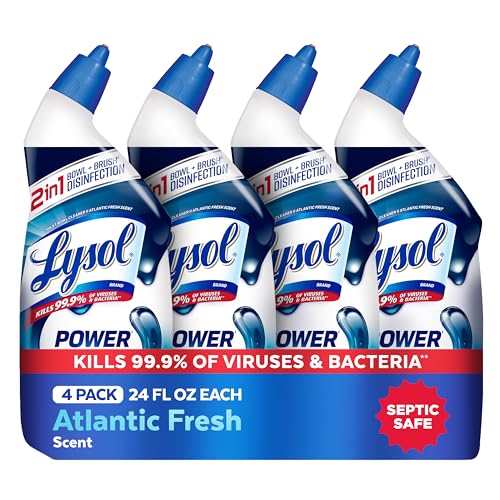
| Liquid cleaner | By the expiration date, or about 1 to 2 years after opening if the label does not give a shorter timeline. | Follow the label dwell time, store the cap tightly closed, and check material compatibility before using bleach-based products. |
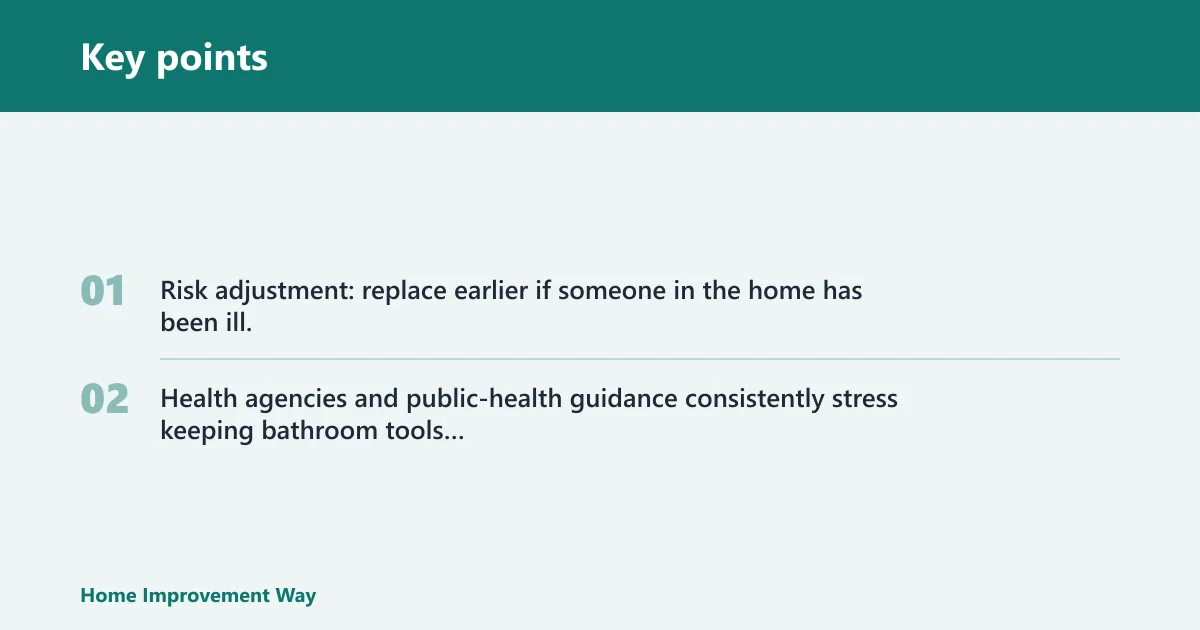
Risk adjustment: replace earlier if someone in the home has been ill, if the bathroom gets heavy daily use, or if the brush, holder, or plunger dries slowly in a closed or damp space. Health agencies and public-health guidance consistently stress keeping bathroom tools clean, dry, and separated from one another to reduce contamination risk.
How often should you replace a toilet brush?
A nylon or plastic toilet brush is usually a 6- to 12-month item. If the brush is used often, dries slowly, or has visible wear, replace it closer to the short end of that range. That practical window aligns with manufacturer guidance for many cleaning tools and with hygiene guidance that prioritizes drying and visible condition over a fixed calendar alone.
Nylon brush replacement window
Traditional nylon and plastic brushes should be updated about every 6 to 12 months. Replace sooner if the bristles become discoloured, bent out of shape, frayed, or smelly after cleaning. Those are signs that the head is holding residue and moisture even after rinsing.
Rinsing after each use helps reduce contamination, but it does not restore damaged bristles. If the brush head starts to fan out, misses edges, or drips dirty water even after rinsing, it is usually past its useful life.
Signs it is time to throw it out
Throw away a toilet brush even if it still looks usable when odor persists, the bristles stay bent, or the head keeps staining after cleaning. A brush that smells after washing has likely trapped residue in the bristles or handle area. In that case, replacement is the cleaner option.
How long does a silicone toilet brush last?
A silicone toilet brush can often last about 1 to 2 years in normal use. Silicone is less porous than nylon, so it is usually easier to rinse and less likely to hold moisture in the same way. That said, a silicone brush is not permanent and still needs cleaning, drying, and inspection for wear.
Silicone vs nylon
Silicone has a smoother, less porous surface than bristle material, which makes it easier to clean and less likely to trap residue. Nylon brushes can scrub well, but the bristles are more likely to hold moisture and buildup. The advantage of silicone is slower wear and easier drying, not immunity to grime.
When a silicone brush still needs replacing
Replace a silicone brush when it tears, warps, loses scrubbing power, or keeps a smell after a thorough wash. A silicone head can last much longer than nylon, but only if it still flexes properly and drains well. If the edges split or the surface stays tacky, stop keeping it.
If a silicone brush is still cleaning well but the holder stays damp, fix the drying problem first. Replace the brush if odor or residue remains after you improve storage, because the storage setup is often part of the problem.
Cleaning steps that extend service life
Rinse the brush after each use to remove visible soil. Give it a more thorough clean at least weekly, and more often in a busy bathroom. Drying matters most: CDC and public-health guidance on bathroom hygiene consistently emphasizes removing moisture promptly because damp storage supports odor and microbial growth.
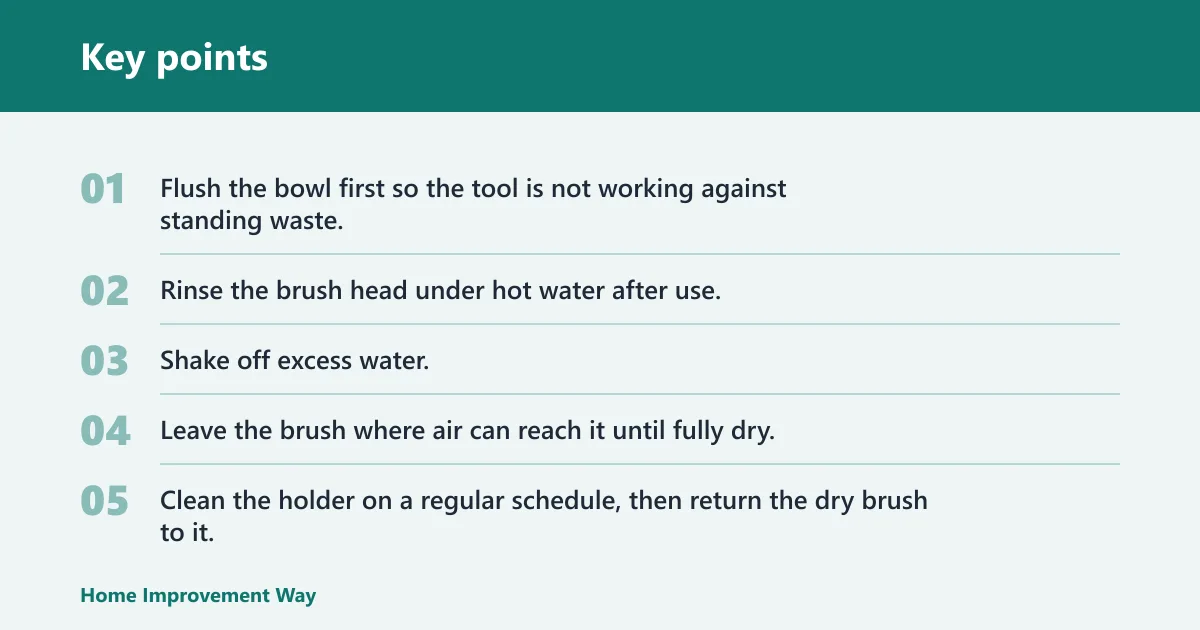
- Flush the bowl first so the tool is not working against standing waste.
- Rinse the brush head under hot water after use.
- Shake off excess water.
- Leave the brush where air can reach it until fully dry.
- Clean the holder on a regular schedule, then return the dry brush to it.
When should you replace a toilet plunger?
Replace a toilet plunger about every 3 to 5 years, or sooner if suction drops, the rubber cup cracks, or the seal no longer forms around the toilet opening. A plunger should compress and rebound cleanly; if the rubber has hardened or distorted, replacement is usually more effective than forcing a weak tool.
Wear that lowers suction
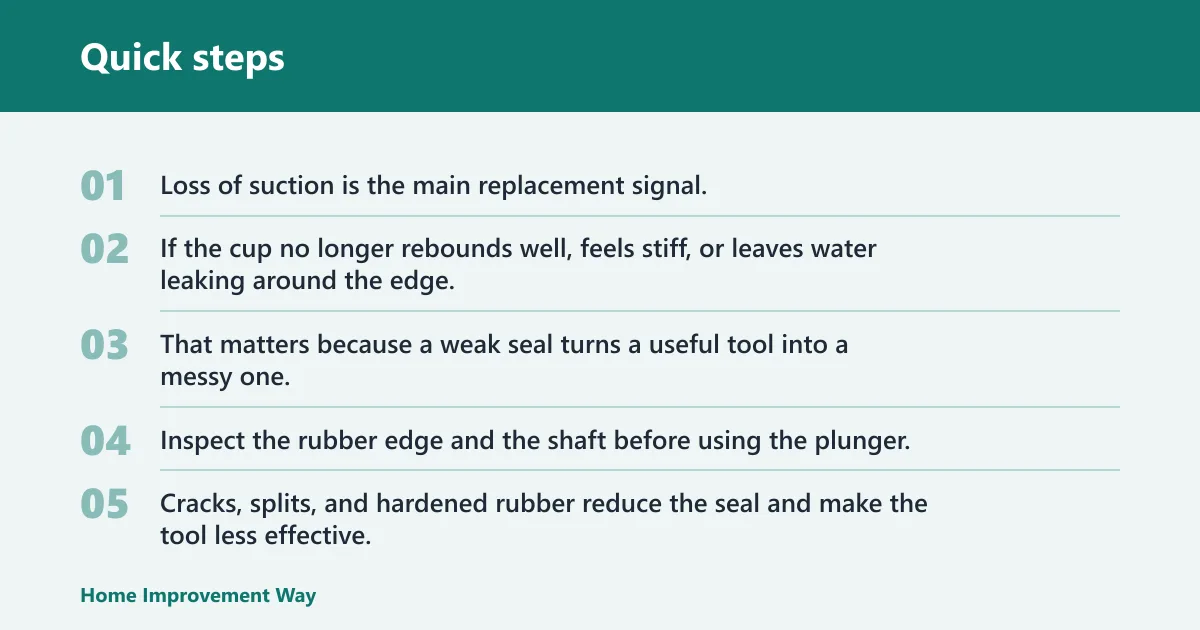
Loss of suction is the main replacement signal. If the cup no longer rebounds well, feels stiff, or leaves water leaking around the edge, it is not making a strong seal. That matters because a weak seal turns a useful tool into a messy one.
Cracks, stiffness, and seal failure
Inspect the rubber edge and the shaft before using the plunger. Cracks, splits, and hardened rubber reduce the seal and make the tool less effective. A plunger that still looks clean can still be spent if the cup no longer flexes against the bowl opening.
If the seal only works at an awkward angle, the issue is not just technique. The rubber has likely worn enough that cleaning will not restore performance.
Why a flange plunger is the better fit for many toilets
Flange plungers are often the better default for toilets because the extended rubber lip fits the bowl opening more securely than a flat cup. If you are replacing a plunger anyway, a flange style is usually the practical choice. Keep it stored separately from the brush.
Does toilet cleaner expire?
Yes. Bottled toilet cleaner should be checked against the label, and many products are best used before the expiration date or about 1 to 2 years after opening. EPA and label guidance are the key references here: cleaner performance and safety depend on the active ingredients, the container, and the stated contact time.
What to check on the label
Look for the expiration date, the recommended dwell time, and the material compatibility notes. Dwell time matters because the cleaner needs contact time to disinfect or break down mineral deposits. If the label says to leave it in place for a specific number of minutes, follow that instruction.
Bleach-based cleaners and material compatibility
Some toilet cleaners contain bleach. That can be useful, but only when the product label supports it and the toilet surface can handle it. Do not mix bleach with ammonia, acids, vinegar, or other cleaners; public-health and poison-safety guidance warns that those combinations can release dangerous gases. Use gloves and ventilation when working with strong chemicals.
When a bottle should be replaced
Replace the bottle if the cleaner is expired, the liquid has separated, or the formula no longer performs as expected. A bottle that has thickened, gone cloudy in a way the label does not explain, or lost cleaning power is no longer dependable for bowl disinfection or hard-water removal.
Brush holder signs and cleaning
The holder matters as much as the brush. A damp holder can keep the brush from drying and can leave odor behind, so clean it every 1 to 2 weeks and dry it well. If the holder is cracked, rusted, warped, or keeps smells after cleaning, replace it instead of trying to mask the problem.
When cleaning is enough
Clean the holder with hot, soapy water on a regular schedule. If the holder still drains well, has no rust, and dries quickly, cleaning is usually enough. A ventilated design is easier to maintain than one that traps water at the base.
When the holder should be replaced
Replace the holder if it has a crack that traps liquid, rust that does not wash out, or an odor that returns right after cleaning. A holder that keeps moisture around the brush can shorten the life of the brush itself.
How drying and ventilation reduce odor and growth
Airflow and complete drying are the main controls here. A holder with air gaps or an open top is easier to keep clean than one that traps water at the base. If the holder stays wet for hours after use, the storage setup needs to change even if the brush is new.
Household risk changes the schedule
Illness in the home, heavy-use bathrooms, and poor-drying storage all justify a shorter replacement schedule. Contamination risk matters more in homes with immunocompromised people, older adults, or children, so earlier replacement and more frequent cleaning are the safer choice.
Illness in the home
Should you replace toilet cleaning tools sooner after illness in the house? Yes, especially if the brush, holder, or plunger came into contact with contaminated surfaces during the illness. Replace sooner when odors linger, the holder stayed wet, or the tool was used repeatedly during a period of close contact with germs.
Heavy-use bathrooms
High-traffic bathrooms wear through tools faster. A family bathroom used many times a day will need more frequent rinsing, more frequent holder cleaning, and likely an earlier brush replacement than a guest bath. If the brush shows wear on schedule, do not try to stretch it for convenience.
Poor-drying storage and higher-risk households
Wet storage speeds buildup, so poor drying should move replacement earlier. That matters even more where immunocompromised people, elderly people, or children are in the home. If you cannot keep the brush and holder dry, a silicone brush, a ventilated holder, or a shorter replacement cycle is the better maintenance plan.
Frequently asked questions
How long does a silicone toilet brush last compared with nylon?
Silicone toilet brushes may last about 1 to 2 years, while nylon and plastic brushes are usually due sooner. Silicone is less porous and tends to dry more easily, but it still needs replacement when it tears, smells, or stops scrubbing well.
When should I throw away a toilet brush even if it’s still usable?
Throw it away when odor persists after cleaning, the bristles stay bent or discoloured, or the head no longer scrubs effectively. A brush that has been exposed during a household illness is another candidate for early replacement. Visible damage is only part of the decision; smell and performance matter too.
How often should I replace a toilet plunger?
Replace a toilet plunger about every 3 to 5 years, or sooner if suction weakens, the rubber cracks, or the seal fails around the bowl. A plunger that still looks clean can still be worn out if the rubber no longer flexes properly.
Does a toilet cleaner bottle have an expiration date?
Yes. Check the label and replace the bottle by its expiration date or about 1 to 2 years after opening if the label gives no other guidance. Also replace it if the cleaner separates, changes in appearance, or no longer removes bowl soil or hard-water marks as expected.
What’s the best way to keep a toilet brush hygienic between replacements?
Rinse it after each use, dry it completely before returning it to the holder, and clean the holder every 1 to 2 weeks. Store the plunger separately. Use gloves and ventilation with strong cleaners, and do not mix bleach with other products. Drying does the most work.
Sponsored / affiliate links. As an Amazon Associate I earn from qualifying purchases. I may earn additional commission from eligible campaigns.