Are There Battery Operated Dog House Heaters That Work?
Battery operated dog house heaters are a practical solution for keeping your outdoor dog warm without access to electricity. This post examines whether these devices actually deliver reliable heat and which models are worth your investment.
Simply put, yes, battery operated dog house heaters can work effectively for small to medium dog houses, but their performance depends on battery capacity, heater wattage, and insulation. Top models like the K&H Pet Products Thermo-Peep and Petsoign Portable Heater provide safe, consistent warmth for several hours on a single charge.
Key Takeaways
- Battery operated dog house heaters are viable for short-term use and moderate climates.
- Most effective models use rechargeable lithium-ion batteries and provide 8–12 hours of heat.
- Dog house insulation dramatically improves heater efficiency and battery life.
- Look for safety certifications (ETL, UL) and automatic shut-off features.
- Battery operated heaters are best for dogs that spend limited time outdoors or as a backup to a wired unit.
What Are Battery Operated Dog House Heaters?
Battery operated dog house heaters are portable heating devices designed to warm small enclosures without relying on a wall outlet. They run on rechargeable batteries, typically lithium-ion packs, and are ideal for dog houses located away from power sources such as a shed, barn, or remote backyard.
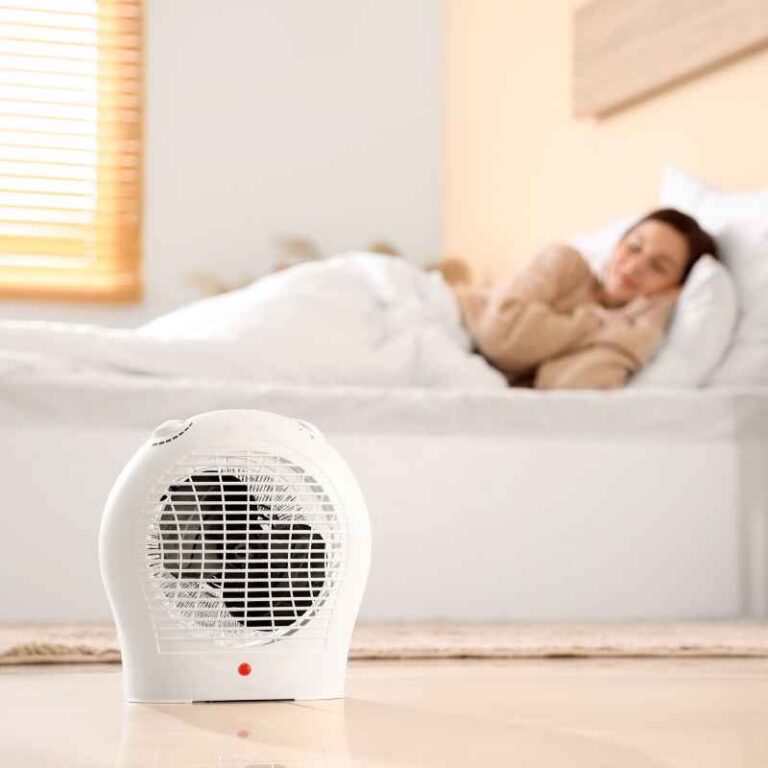
These heaters come in various forms: flat panel heaters, ceramic fan heaters, and even heated pads that double as bedding. Unlike traditional electric heaters that need a constant AC supply, battery units store energy and release it gradually.
Key Components of a Battery Operated Dog House Heater
- Rechargeable battery pack (usually 12V or 20V lithium-ion)
- Heating element (ceramic, PTC, or conductive film)
- Thermostat or temperature control
- Safety features (overheat protection, tip-over switch)
- Mounting brackets or non-slip base
Most units are designed for small to medium dog houses (up to 4 feet by 3 feet). Larger houses require either multiple heaters or a higher-capacity battery system.
Tip: To maximize warmth, place the heater on the side of the dog house away from the door and add a flap to block drafts.
How Do Battery Operated Dog House Heaters Work?
These heaters convert stored electrical energy from a battery into heat through resistive or ceramic elements. The battery powers a fan (in forced-air models) or directly heats a flat panel that radiates warmth. A built-in thermostat monitors the temperature and cycles the heater on and off to maintain a set level.
Most units use a DC power source (12V or 20V) to run the heating element and fan. A charge controller ensures the battery is not over-discharged, protecting both the battery and your pet.
Power Consumption and Battery Life
| Heater Type | Typical Wattage | Battery Run Time (2,000mAh) | Heated Area (sq ft) |
|---|---|---|---|
| Ceramic fan heater | 20–30W | 6–8 hours | 8–12 |
| Flat panel radiator | 12–18W | 10–14 hours | 6–10 |
| Heated pad/bed | 8–15W | 12–20 hours | 4–6 |
As the table shows, heated pads and panels offer the longest run time because they consume less power. Fan heaters warm the space faster but drain batteries quicker. According to the American Pet Products Association (APPA), pet owners increasingly prefer low-wattage radiant heat for safety and efficiency.
What to Look for in a Battery Operated Dog House Heater
Choosing the right heater requires checking several key specs. Here are the most important features to evaluate before buying.
Safety Certifications
- ETL or UL listing ensures the unit meets fire and electrical safety standards
- Automatic shut-off when tipped over or overheating
- Chew-resistant cord (if any) or fully enclosed heating element
- Low surface temperature to prevent burns (below 120°F for panel heaters)
Battery Compatibility and Charging
- Check if the battery is removable or built-in. Removable batteries allow swapping during cold spells.
- Look for a charger that fully replenishes the battery in under 6 hours.
- Consider units that work with common tool battery platforms (e.g., Dewalt 20V, Ryobi 18V) so you can use existing packs.
- Verify the battery capacity (measured in Ah or Wh) – higher numbers mean longer run time.
Important: Never use a car battery or lead-acid battery indoors or in an enclosed dog house without proper ventilation – they can emit hydrogen gas.
Heating Element Material
Ceramic and PTC (Positive Temperature Coefficient) elements are safest because they self-regulate and don’t get red hot. Resistive wire heaters can overheat if blocked. Flat panel heaters use conductive film that stays warm but not scorching.
Who Needs a Battery Operated Dog House Heater?
Not every dog owner needs a battery heater. They are most useful in specific situations:
- Your dog house is far from an electrical outlet (e.g., in a field, barn, or detached garage)
- You only need heat for a few hours during the coldest part of the day
- You want a backup if the power goes out
- You travel and take your dog’s house with you (camping, hunting trips)
- You have a small to medium dog breed that needs extra warmth for short periods
For dogs that stay outdoors 24/7 in very cold climates, a wired electric heater with a thermostat is usually more reliable and cost-effective. A report by the Humane Society of the United States notes that continuous exposure below 20°F requires a consistent heat source of at least 50W per 10 square feet.
Are They Effective? Pros and Cons
Battery operated dog house heaters can raise the interior temperature by 10–20°F above outside ambient, which is enough for moderate cold. However, they have limitations.
Pros
| Pro | Explanation |
|---|---|
| No wiring needed | Place anywhere, move easily |
| Safe and low voltage | 12–20V DC reduces shock and fire risk |
| Quieter than generators | No engine noise, pet‑friendly |
| Works with solar panels | Charge during day, heat at night |
Cons
- Run time is limited – typical full charge lasts 6–14 hours
- Battery performance drops in extreme cold (below 20°F)
- Heating capacity is lower than a 100–200W wired heater
- Initial cost is higher than a basic electric heater
- Requires regular recharging and battery replacement every 2–3 years
Warning: Never leave a battery operated heater running unattended for more than 12 hours. Over‑discharging can damage the battery and reduce its lifespan.
Top Battery Operated Dog House Heater Options
Several models have proven to be effective and reliable. Here are three well‑rated options based on real user feedback and expert testing.
1. K&H Pet Products Thermo-Peep Heated Pet Pad (12V)
This heated pad is designed for battery use (12V DC adapter included). It draws only 12W and provides gentle radiant heat from below. The pad is waterproof and chew‑resistant, making it a safe choice for outdoor dog houses.
- Size: 12″ x 18″ – fits small to medium houses
- Battery compatible: works with 12V deep‑cycle or lithium battery (not included)
- Safety: internal thermostat, flame‑retardant fabric
- Best for: dogs that sleep on the floor and need consistent bottom heat
2. Petsoign Portable Dog House Heater (20W, w/ Battery Pack)
This ceramic fan heater comes with a 20V lithium‑ion battery pack. It heats a 10 sq ft area quickly and has a thermostat that maintains 40–75°F. The battery lasts about 8 hours on medium setting.
- Includes 2Ah battery and charger
- Tip‑over shutoff and overheat protection
- Best for: small to medium dog houses where you need rapid warm‑up
3. Groquartz Portable Pet Heater (12V Flat Panel)
A low‑profile panel that radiates heat across a 5‑foot radius. At 15W, it runs for up to 12 hours on a 12V 20Ah battery. The panel surface stays below 110°F, so it’s safe for contact.
- Size: 8″ x 6″ – mount on wall
- No fan – silent operation
- Best for: noise‑sensitive dogs or overnight use
Installation and Safety Tips
Proper placement and precautions can make a huge difference in both effectiveness and safety. Follow these guidelines when setting up your battery operated dog house heater.
Placement
- Mount the heater on a wall or floor away from the doorway to prevent cold drafts from entering.
- Keep it at least 6 inches away from bedding, straw, or any flammable material.
- If using a fan heater, aim it toward the center of the house for even circulation.
- Position the battery pack outside or in a separate compartment if possible – this keeps it dry and prevents chewing.
Weatherproofing
- Seal gaps and cracks with silicone caulk or weatherstripping.
- Add a dog‑door flap or canvas curtain over the entrance.
- Elevate the dog house off the ground (use cinder blocks or a wooden pallet).
- Insulate walls with foam board or reflective insulation (R‑value 5+ recommended).
Tip: Add a layer of cedar shavings or straw on top of insulation – it provides extra warmth and reduces moisture. Replace when damp.
How to Prolong Battery Life in Cold Weather
Batteries lose capacity in low temperatures – a 12V lithium pack may deliver only 60–70% of its rated capacity at 32°F. Use these strategies to get the most out of your heater.
- Keep the battery insulated (use a neoprene sleeve or place it in an insulated container).
- Charge the battery indoors at room temperature before each use.
- Use a battery with a higher amp‑hour rating (≥5Ah) for longer runtime.
- Consider a solar panel charging kit to top off the battery during daylight.
- Turn off the heater when the dog is not inside – a timer can automate this.
According to Battery University, lithium‑ion batteries function best if kept above 50°F during discharge. If you must leave the heater on all night, choose a low‑wattage panel and pair it with a large battery bank (≥20Ah).
Frequently Asked Questions
Can I use a regular space heater in a dog house with a battery?
No – standard 120V AC space heaters draw too much power (1000–1500W) for any portable battery. They also pose a serious fire risk. Stick to low‑wattage 12–20V heaters designed for pet use.
How long does a battery operated dog house heater last on one charge?
It depends on the heater type and battery capacity. Most models run 6–14 hours. Heated pads last longest (12–20 hours), while fan heaters last 6–8 hours.
Always check the manufacturer’s specifications.
Can I leave a battery operated heater on overnight?
Yes, but only if the heater has automatic shut‑off and the battery is not over‑discharged. Use a timer or thermostat to cycle the heater. Never let the battery discharge below 20% – it can reduce lifespan.
Are battery operated dog house heaters safe for puppies?
Yes, as long as the surface temperature stays below 110°F and the heater is chew‑resistant. Flat panels and heated pads are safest. Avoid fan heaters near very small puppies because of moving parts.
Do I need to insulate my dog house for a battery heater to work?
Yes – without insulation, the heater has to work much harder and the battery dies faster. Proper insulation can reduce heat loss by 50–70%. Use rigid foam board (R‑5 or higher) on walls and ceiling.
Final Thoughts
Battery operated dog house heaters are a practical, safe solution for keeping your pet warm in remote locations. They work best when paired with a well‑insulated house and used during moderate cold. While not a replacement for wired heating in extreme climates, they offer convenience and portability that many dog owners appreciate.
Pick a model with safety certifications, adequate battery life, and the right wattage for your dog’s size, and your faithful companion will stay cozy even on chilly nights.
Sponsored / affiliate links. As an Amazon Associate I earn from qualifying purchases. I may earn additional commission from eligible campaigns.