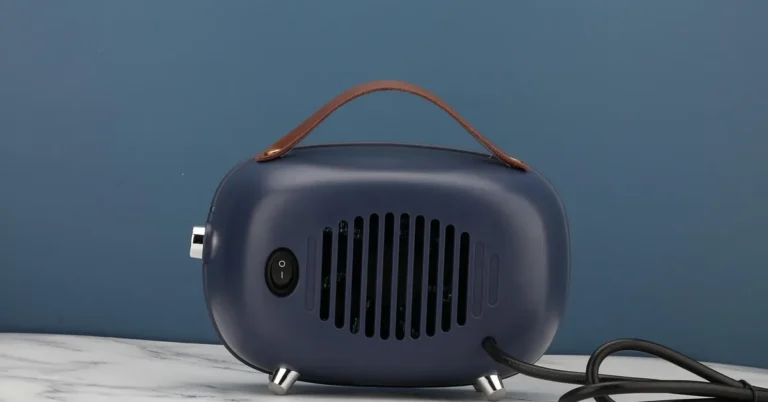
Are Portable Heaters Safe For Birds? What You Need To Know
Keeping our homes warm is something we all do. Sometimes, we need a little extra heat in a specific room. This is where portable heaters come in handy.
But if you have pets, especially birds, you might wonder about their safety. Birds are sensitive creatures. Their lungs are different from ours.
So, it’s wise to think carefully before using something new around them. This article will help you understand the risks and the best ways to keep your birds warm and safe. We’ll look at what makes certain heaters dangerous and what to do instead.
Portable heaters can pose risks to pet birds due to potential fumes, dry air, and fire hazards. It is crucial to prioritize bird safety by understanding these dangers and opting for alternative heating methods that do not put their delicate respiratory systems at risk.
Understanding the Risks of Portable Heaters for Birds
Portable heaters are designed to warm up a space quickly. They come in many types. Some use electricity.
Others burn fuel like propane or kerosene. While they work well for people, they can be very dangerous for birds. Birds have special lungs.
They need clean air to breathe. Even small amounts of bad air can make them very sick. This is the main reason why we need to be very careful.
We need to understand exactly what makes these heaters a problem for them.
One big issue is the air they can produce. Electric heaters might not make much smell. But some can still dry out the air too much.
Dry air irritates a bird’s lungs. This can lead to breathing problems. It can make them cough or wheeze.
It can also make them more likely to get infections. Think about how dry air feels on your own skin. For a bird, it’s much worse for their whole body, especially their breathing.
Fuel-burning heaters are even more risky. Heaters that burn gas or oil can release fumes. These fumes are often invisible.
They can also be odorless. But they are toxic to birds. Carbon monoxide is a big concern.
So are other gases like sulfur dioxide. Birds can’t process these gases well. Their lungs are very efficient at taking in oxygen.
But they are also very efficient at taking in harmful fumes. This means they get sick much faster than we do.
Another danger is heat. Birds can overheat. They don’t sweat like we do.
They get rid of heat by panting. If a heater makes their cage too hot, they can get heatstroke. This can be fatal.
We need to make sure the temperature is just right. Not too hot, not too cold. This balance is hard to find with a portable heater right next to a cage.
Fire is also a worry. Portable heaters have hot surfaces. They can cause fires if they are too close to flammable things.
Bird cages often have perches and toys. These can be made of wood or other natural materials. A heater placed too close could easily start a fire.
This is a risk for any home, but especially with pets who can’t escape danger quickly on their own.
How Birds Breathe Differently
To really grasp why heaters are a problem, we need to look at bird lungs. It’s not like our lungs at all. Humans have lungs that act like balloons.
They fill up and empty out. Birds have something special. They have lungs and air sacs.
These air sacs help them get a lot of oxygen. They have a one-way flow of air. This means fresh air is always moving through their lungs.
This system is great for flying. Birds need a lot of energy. They need lots of oxygen.
But this system is also very sensitive. It means that anything in the air gets taken in very quickly. If there are fumes or dust, they go right in.
They don’t get trapped like they might in our lungs. So, even small amounts of bad stuff can cause big problems for birds.
Think about it like this: our lungs are like a two-way street. Air goes in, air goes out. Bird lungs are more like a tunnel.
Air flows in one direction. This constant flow is very efficient. But it also means that if the air is bad, the bad stuff keeps moving through.
It doesn’t get held up. This is why birds can get sick so fast. They can show signs of illness quickly if the air quality changes.
Because their breathing is so efficient, they can also overheat more easily. When they get too warm, they can’t cool down by sweating. They pant.
If the air is also dry from a heater, panting might not be enough. Their bodies need a steady, comfortable temperature. Portable heaters can easily disrupt this balance.
Types of Portable Heaters and Their Specific Dangers
Not all portable heaters are the same. Each type has its own set of risks for birds. Understanding these differences can help you make a safer choice for your home and your pet.
Electric Heaters
Electric heaters are common. They use electricity to create heat. There are a few types:
- Convection heaters: These heat air. The warm air then moves around the room. They can make the air very dry. This is bad for birds’ lungs.
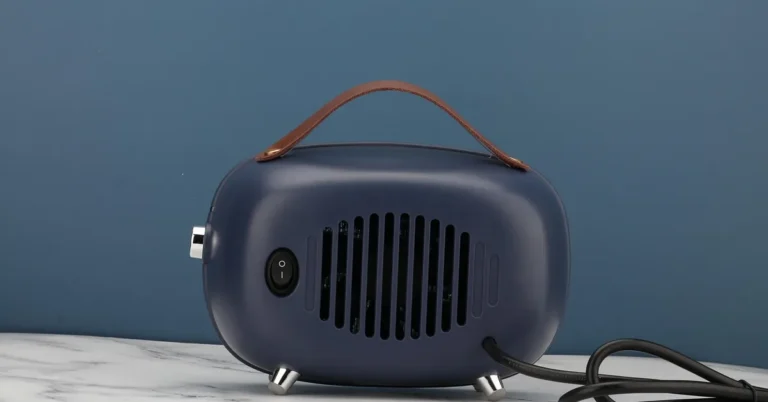
- Ceramic heaters: These have a ceramic element. They often have a fan. Like convection heaters, they can dry out the air. Some have glowing elements which could be a fire risk if too close.
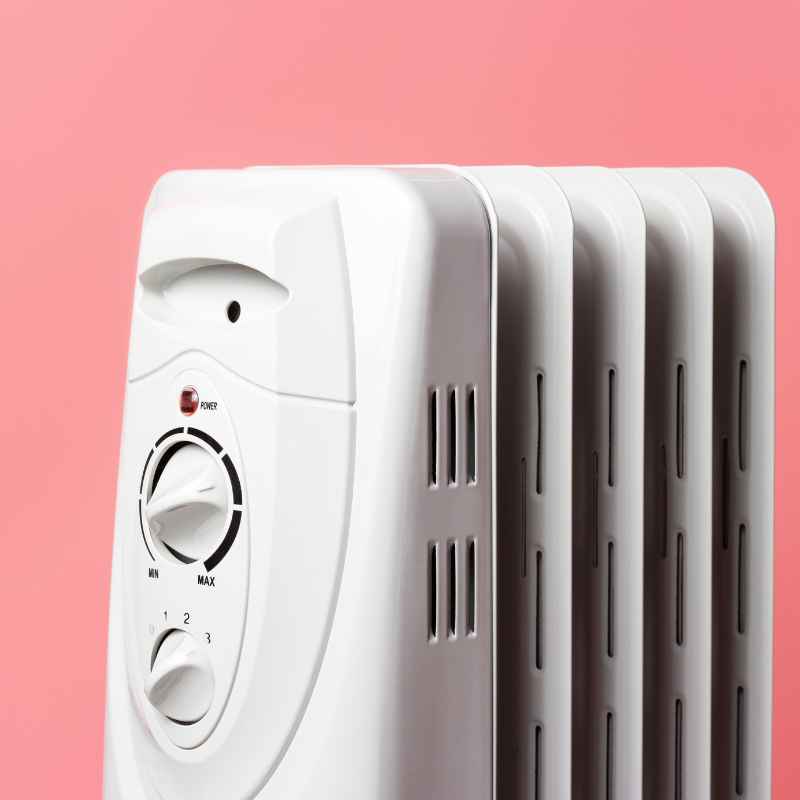
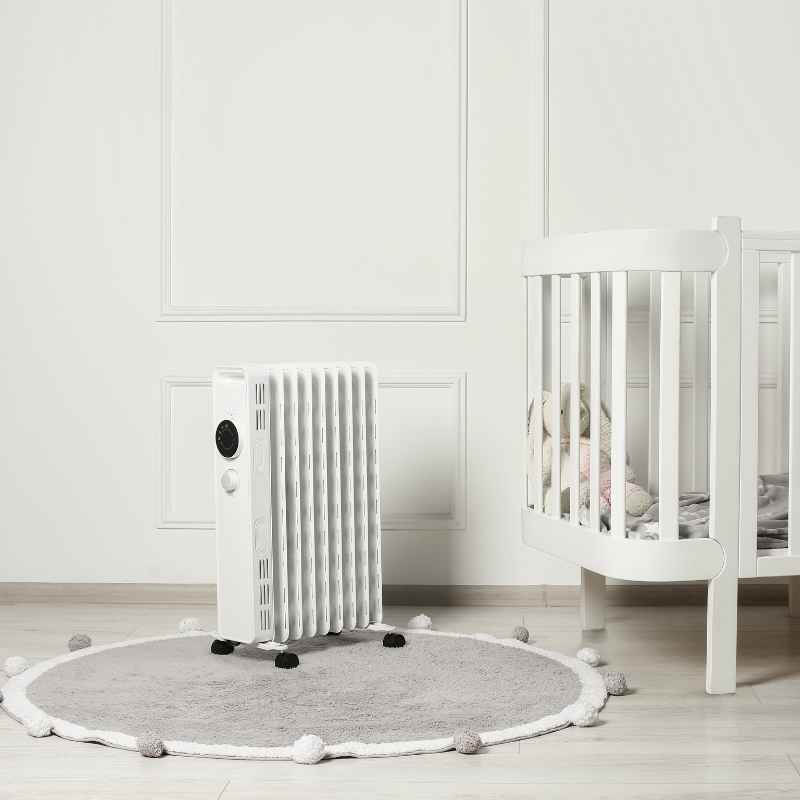
- Oil-filled radiators: These are often seen as safer. They heat up slowly. They tend to not dry out the air as much. But they still get very hot. They take a long time to cool down. So, they can still be a burn risk. They also use electricity.
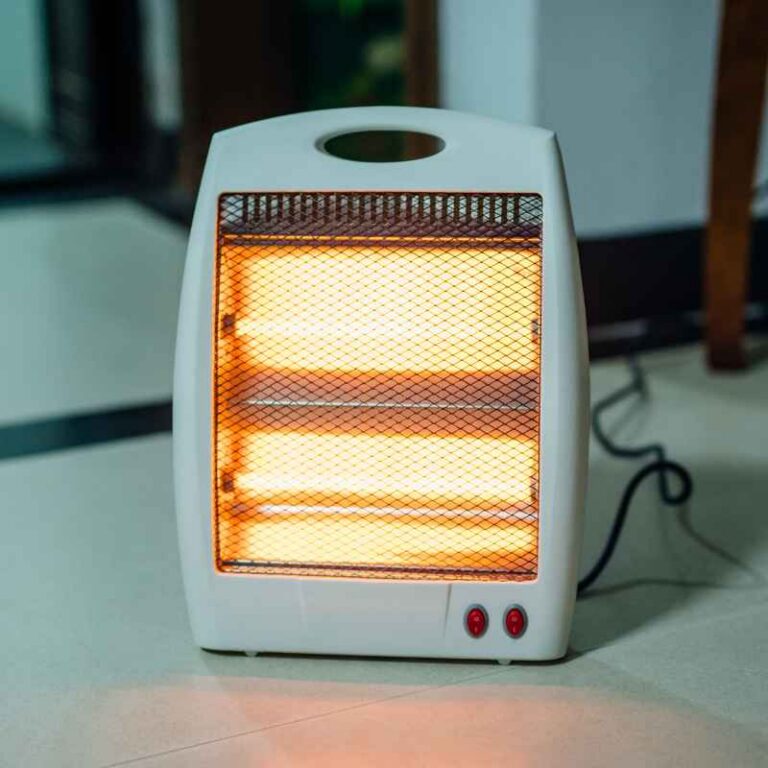
- Infrared or radiant heaters: These heat objects directly, not just the air. They have glowing elements. The direct heat can be intense. They also pose a fire risk. The light they emit can also be bothersome to birds.
The main danger with electric heaters is the drying effect on the air. They can also pose a fire hazard. Even if they don’t produce fumes, the dry air can cause respiratory issues.
A bird might start with a dry nose. Then it could lead to more serious lung problems over time. It’s a slow burn, but still dangerous.
Fuel-Burning Heaters
These heaters burn something to make heat. This is where the fume risk is highest.
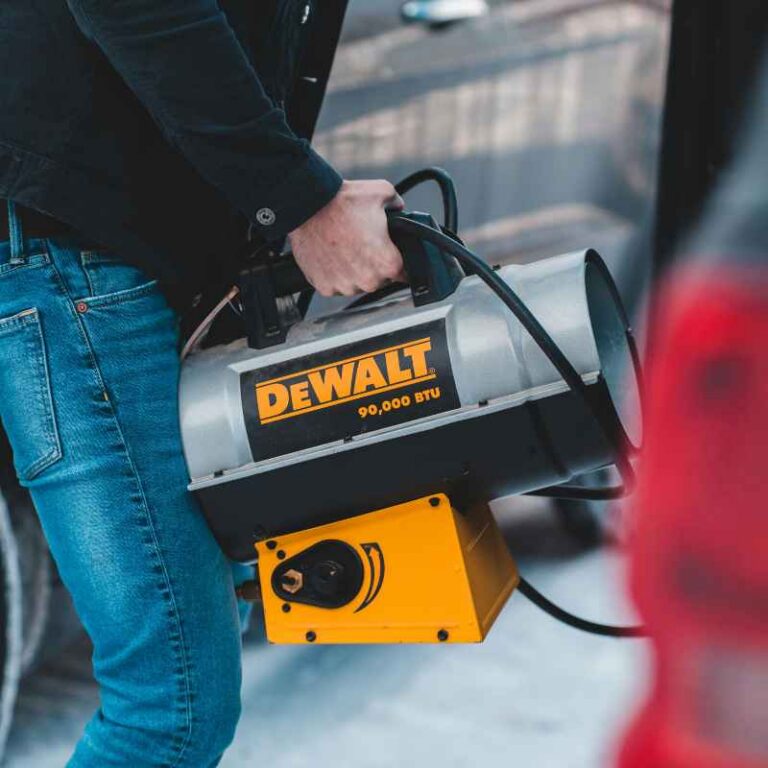
- Propane heaters: These are often used outdoors. They can produce carbon monoxide and other gases. They are very dangerous indoors.
- Kerosene heaters: Similar to propane heaters, these produce harmful fumes. They also smell strongly. This smell can bother birds. And the fumes are toxic.
- Natural gas or propane space heaters: These are sometimes used inside homes. They need proper ventilation. Without it, they can fill a room with dangerous gases. They can also produce a lot of heat very fast.
These are generally the worst option if you have birds. The gases they release are deadly. Birds can inhale them quickly.
Symptoms can appear within minutes. It is extremely important to avoid these heaters if birds are in the home. Always ensure any fuel-burning appliance is used in a well-ventilated space.
And never place it where a bird can be exposed to its exhaust.
Portable Heater Comparison for Bird Safety
Electric Heaters:
- Pros: No fumes. Easy to use.
- Cons: Dry out air. Fire risk. Can overheat.
Fuel-Burning Heaters:
- Pros: Can heat large areas.
- Cons: High risk of toxic fumes (CO, SO2). Strong odors. Fire risk. Very dangerous for birds.
When is the Risk Highest?
The danger level isn’t always the same. It depends on a few things. Where the heater is placed matters.
How long it’s on matters. And the type of bird you have matters.
Proximity to the Bird’s Cage: If a heater is right next to the bird’s cage, the risk is very high. The bird is exposed to dry air or fumes directly. The heat can also be too intense.
Even a few feet can make a difference. But closer is always worse. Birds cannot easily move away from a constant source of heat or bad air.
Their cage is their safe space. Putting a danger inside that space is not good.
Ventilation Issues: In a small, closed-off room, the danger is much greater. If a heater dries out the air, that dry air stays there. If it produces fumes, those fumes build up.
Birds in poorly ventilated rooms are at much higher risk. Think about a small bathroom. If you run a heater there, the air quality changes fast.
Birds need fresh air circulating. This is vital for their health.
Bird’s Health Condition: Some birds are more vulnerable. Older birds might have weaker lungs. Birds with existing respiratory problems are at extreme risk.
Young birds (chicks) can also be more sensitive. Any bird that seems unwell should be kept away from potential hazards. If your bird sneezes often, or seems lethargic, consider the air quality around them.
It might be the heater.
Duration of Use: Running a heater all day and night increases the risk. The longer the exposure, the more harm can be done. Even small problems can add up.
Consistent exposure to dry air can lead to chronic health issues. Consistent exposure to low levels of fumes can also be damaging over time. It’s not always about one big event.
It can be a slow buildup of harm.
My Own Scare with a Space Heater
I remember one cold winter. I had a new parakeet, Pip. I wanted his room to be extra cozy.
I set up a small electric space heater. It had a thermostat, so I thought it was safe. I put it across the room.
But I didn’t realize how much it dried out the air. After a few days, Pip seemed off. He was sitting on his perch, puffed up.
He was breathing a bit fast. I felt so guilty. I immediately turned off the heater.
I opened a window to let in fresh air. I gave him a bath (he loved that!). He perked up quickly.
That experience taught me a lot. Birds are not like us. Their needs are very different.
I learned to be much more cautious.
Safe Alternatives for Warming Your Bird’s Space
So, if portable heaters are risky, what can you do? Thankfully, there are safer ways to keep your bird warm. The goal is to provide gentle, consistent warmth.
And to avoid anything that pollutes the air.
Thermotherapy Perches
These are special perches. They are designed to be warm. They plug into an outlet.
But they don’t get super hot. They provide a gentle, consistent heat. The bird can choose to sit on it or not.
This is good. They can regulate their own temperature. This is like having a warm spot to rest.
Make sure the cord is safe and out of reach. Birds love to chew things.
I’ve used these for my older parrots. They seem to really appreciate the warm perch. Especially on chilly mornings.
It’s a much more direct way to warm the bird. It doesn’t affect the air quality. It doesn’t create a fire risk unless the perch itself malfunctions.
Which is rare with good quality ones. It’s a smart way to target heat.
Brooder Lamps (with extreme caution)
Brooder lamps are used for baby chicks. They provide a broad heat source. They are usually ceramic heat emitters or radiant heat bulbs.
These can be good, but need careful setup. You need to control the temperature very precisely. A thermostat is absolutely essential.
Birds can easily get too hot under these. They need to be placed safely above the cage. And the bird needs room to move away from the heat.
These are often better for very young or sick birds that cannot regulate their own temperature well.
If you use a brooder lamp, always use a thermometer in the cage. Monitor the bird’s behavior closely. Ensure there’s a cooler zone.
This is critical. Many people get this wrong. They create a hot box.
That’s not good for any animal.
Room Heating (Central Heating)
The best way to heat a room where a bird lives is with central heating. Your home’s main heating system is usually the safest. It provides consistent, even warmth.
It doesn’t dry out the air as much as some portable heaters. It doesn’t produce fumes. It heats the entire space gently.
If your central heating isn’t enough, consider ways to improve it. Seal drafts around windows and doors. Use heavier curtains.
Sometimes, just blocking the cold air flow makes a big difference. This is a more holistic approach to home comfort. It benefits everyone, including your bird.
Humidifiers
If your home air is very dry, especially in winter, a humidifier can help. This is not a heat source. But it improves air quality.
Healthy air is important for birds, especially if they have any breathing sensitivities. A humidifier adds moisture back into the air. This can prevent dry throats and lungs.
It can make breathing easier for your bird. Use a cool-mist humidifier. Clean it regularly to prevent mold growth.
Mold spores are also bad for birds.
I use a humidifier in my bird room year-round. In winter, it fights the dryness from the furnace. In summer, it helps if the air conditioning makes things too dry.
It’s a simple tool that makes a big difference. My birds seem happier with the slightly moister air. They sneeze less.
Quick Scan: Safer Heating Options
| Option | Pros | Cons | Best For |
|---|---|---|---|
| Thermotherapy Perch | Direct, gentle warmth. Bird controls heat. No fumes. | Needs outlet. Bird must be able to use perch. | Birds that like perching. Cold spots. |
| Brooder Lamp (with thermostat) | Broad heat. Can warm large area. | Risk of overheating. Needs precise control. Not for all birds. | Sick/young birds needing constant warmth. Requires setup. |
| Central Heating | Even, whole-room warmth. No fumes. Safe. | Can still dry air. May not reach all rooms. | General home heating. Primary heat source. |
| Humidifier (Cool Mist) | Improves air quality. Prevents dryness. | Does not add heat. Needs regular cleaning. | Dry climates or winters. Any bird with dry airways. |
Recognizing Signs of Discomfort or Illness in Birds
Even with the best intentions, things can go wrong. Or you might just want to be extra sure your bird is comfortable. Knowing the signs of distress is key.
Birds are masters at hiding illness. So, you need to be observant. Changes in behavior are your biggest clue.
Breathing Issues
This is the most critical sign related to heaters. Watch for:
- Rapid breathing or panting (more than usual)
- Open-mouth breathing
- Tail bobbing (their tail goes up and down with each breath)
- Wheezing or clicking sounds
- Sneezing more often
- Discharge from the nostrils
If you see any of these, the air quality is likely poor. Or the temperature is too high. Turn off the heater immediately.
Get fresh air into the room. Consult your avian vet.
Changes in Activity Level
A healthy bird is usually active. They move around their cage. They play.
They talk. If your bird suddenly becomes very quiet and still, that’s a concern. They might sit on the bottom of the cage.
This is often a sign of weakness or illness.
A bird that is too hot might pant or hold its wings away from its body. This is an attempt to cool down. A bird that is too cold might huddle.
They will fluff up their feathers to trap heat. They might shiver.
Feather and Skin Condition
Dry air can affect a bird’s skin and feathers. Their skin might become dry and flaky. Their feathers might look dull or ruffled.
They might preen more than usual. This is them trying to fix the dryness. Sometimes, they can develop feather cysts or skin irritation.
If you notice your bird constantly chewing at its feathers or skin, it could be a sign of irritation. This irritation could be from dry air or mild fumes.
Behavioral Changes
Is your bird eating less? Drinking more? Is it vocalizing less?
Or maybe it’s more aggressive than usual? Any significant change in personality or routine is worth noting. Birds communicate their well-being through their actions.
Changes are their way of telling you something is wrong.
I had a cockatiel who would always sing in the morning. One day, he was silent. He just sat on his perch, looking dull.
I realized the room had gotten very cold overnight. The furnace had turned off. I immediately put on a small ceramic heater on a low setting, far from his cage.
Within an hour, he was back to his usual self. It’s these subtle changes that you need to watch for.
Contrast: Normal Bird Behavior vs. Distress Signals
Normal Bird Behavior:
- Active, curious, playful.
- Clear eyes, smooth feathers.
- Normal breathing patterns (no panting or tail bobbing).
- Eating, drinking, and vocalizing regularly.
- Sitting upright on perches.
Signs of Distress:
- Lethargy, sitting on cage bottom.
- Puffed up feathers when not trying to sleep.
- Tail bobbing with breaths.
- Open-mouth breathing or panting.
- Wheezing, clicking, or abnormal chirps.
- Discharge from eyes or nostrils.
- Reduced appetite or increased thirst.
- Feather plucking or skin irritation.
What About Specific Bird Species?
Different birds have different needs. Some are more sensitive than others. Generally, smaller birds and those from tropical climates are more prone to issues from dry air or temperature swings.
Larger parrots might be a bit more resilient, but still at risk.
- Finches and Canaries: These small birds have fast metabolisms. They are very sensitive to air quality. Dry air can cause respiratory infections easily. They need stable, clean air.
- Parakeets (Budgies) and Cockatiels: These are common pets. They can tolerate some temperature changes. But they are still susceptible to dry air. They can develop sinus issues.
- Parrots (African Greys, Amazons, Macaws): These larger birds have complex respiratory systems. African Greys, in particular, are known for being very sensitive to air quality. Any fumes or dryness can trigger serious issues.
- Doves and Pigeons: While hardy, they still need good air. They can suffer from respiratory problems if the air is too dry or polluted.
No matter the species, the fundamental principle remains: birds need clean, appropriately humidified air. And a stable, comfortable temperature. Portable heaters often disrupt one or both of these.
It’s always best to err on the side of caution.
Tips for Maintaining a Safe Environment for Your Bird
Beyond choosing the right heating, there are other things you can do. These help make your bird’s home a safe haven.
Monitor Temperature and Humidity
Use a reliable thermometer and hygrometer in your bird’s room. This helps you know the actual conditions. Aim for a temperature between 65-75°F (18-24°C) for most birds.
Humidity should be between 40-60%. If your central heating makes it too dry, use a humidifier. If it’s too cold, use a safe alternative heat source.
Don’t guess. Measure.
Air Quality is King
Avoid anything that pollutes the air. This includes:
- Smoking (cigarettes, vaping)
- Candles and incense
- Air fresheners and strong perfumes
- Non-stick cookware (PTFE fumes are deadly)
- Cleaning products with strong chemicals
- Aerosol sprays
All these can damage a bird’s sensitive lungs. If you must use a heater, ensure it’s in a different room, or very far away, and only if it doesn’t produce fumes. But it’s better to avoid it altogether.
Regular Cage Cleaning
Dust from old food, droppings, and feather dander can affect air quality. Clean your bird’s cage regularly. Use bird-safe cleaning products.
Good hygiene helps keep the air cleaner for your pet.
Provide a “Warm Corner” if Needed
If your bird seems cold, even with good room heating, you can create a warm spot. A thermotherapy perch is ideal. Or a small, safe ceramic heat emitter lamp on a thermostat, far from the cage, can create a warm zone.
Ensure the bird can easily move away if it gets too warm.
When to Consult an Avian Veterinarian
If your bird shows any signs of respiratory distress or illness, contact your avian vet right away. They can diagnose the problem. They can prescribe treatment.
It’s better to be safe than sorry. Birds can go downhill very fast.
Mention if you have been using any portable heaters. This information is very important for your vet. It can help them understand what might be causing the problem.
They can also give you specific advice for your bird’s needs.
Conclusion: Prioritize Your Bird’s Health Above All Else
Keeping your bird safe and warm is a top priority. Portable heaters, while convenient for us, often pose too great a risk. The potential for toxic fumes, dry air, overheating, and fire makes them a dangerous choice.
By understanding how bird respiratory systems work, you can see why they are so sensitive. Focus on safer alternatives. Utilize central heating, thermotherapy perches, and proper humidification.
Always monitor your bird for any signs of distress. With careful planning, you can ensure your feathered friend stays healthy and comfortable all year round. Your bird relies on you to create a safe and nurturing environment.
Make smart choices for their well-being.
Frequently Asked Questions About Portable Heaters and Birds
Can I use a small electric heater in the same room as my bird?
It is strongly discouraged. Even electric heaters can dry out the air significantly, which is harmful to a bird’s respiratory system. If you must use one, place it as far away as possible from the bird’s cage in a very large, well-ventilated room.
Monitor your bird closely for any signs of distress. Safer alternatives are always recommended.
Are propane or kerosene heaters safe for bird rooms?
Absolutely not. These heaters produce dangerous carbon monoxide and other toxic fumes that are deadly to birds. They should never be used in any room where birds are present.
Ensure they are used only in well-ventilated outdoor spaces if needed.
My bird’s cage is near a window, and it gets cold. What should I do?
Seal drafts around the window with weather stripping or draft stoppers. Use heavier curtains to insulate the window. If the room is still too cold, consider using your central heating to warm the whole room.
A thermotherapy perch can provide localized warmth for the bird without affecting the air quality.
How can I tell if the air is too dry for my bird?
Watch for signs like increased sneezing, dry and flaky skin, ruffled or dull feathers, and respiratory sounds like wheezing or clicking. Using a hygrometer in the room will give you an exact humidity reading. Aim for 40-60% humidity.
Can a bird get heatstroke from a portable heater?
Yes, birds can overheat if exposed to excessive heat. Unlike humans, they cannot sweat effectively to cool down. They pant.
If a heater makes their environment too hot, they can suffer from heatstroke, which can be fatal. Always ensure the bird has a cooler area to retreat to.
What’s the best way to keep my bird warm in winter without a heater?
Your home’s central heating is the best method. Supplement with thermotherapy perches for localized warmth. Ensure the room temperature is stable and comfortable (65-75°F or 18-24°C).
Maintain good humidity levels with a cool-mist humidifier. Block drafts from windows and doors.
Sponsored / affiliate links. As an Amazon Associate I earn from qualifying purchases. I may earn additional commission from eligible campaigns.