How to Utilize Apartment Heater Space Efficiently
Utilizing apartment heater space efficiently is crucial for maximizing comfort and functionality in smaller living areas. Many apartment dwellers face the challenge of bulky heating units taking up valuable floor space, often leading to cramped rooms and awkward layouts. This guide will explore practical strategies and smart solutions to help you make the most of your apartment’s heating setup, ensuring warmth without sacrificing precious square footage.
Simply put, efficiently utilizing apartment heater space involves choosing compact heating solutions, strategic placement away from high-traffic areas, and integrating them into your decor or furniture to minimize their visual and physical footprint, thereby enhancing both comfort and usability of your living area.
Key Takeaways
- Choosing the right heater type is paramount for space efficiency, with options like wall-mounted, panel, and compact electric heaters offering significant advantages.
- Strategic placement of heaters can prevent them from becoming obstacles, utilizing overlooked areas like corners or under furniture.
- Integrating heaters into your apartment’s design, through custom covers or furniture solutions, can hide them effectively.
- Regular maintenance ensures your heater operates efficiently, preventing the need for replacements that might be larger or less space-saving.
- Understanding local regulations regarding heater installation and placement is essential for safety and compliance.
What are the Best Space-Saving Heater Types for Apartments?
When it comes to apartment living, every inch counts. The type of heater you choose can make a significant difference in how effectively you can utilize your available space. Traditional freestanding heaters, while effective, can often be bulky and become tripping hazards or awkward obstructions in smaller rooms. Fortunately, modern heating technology offers several excellent space-saving alternatives designed with apartments in mind.
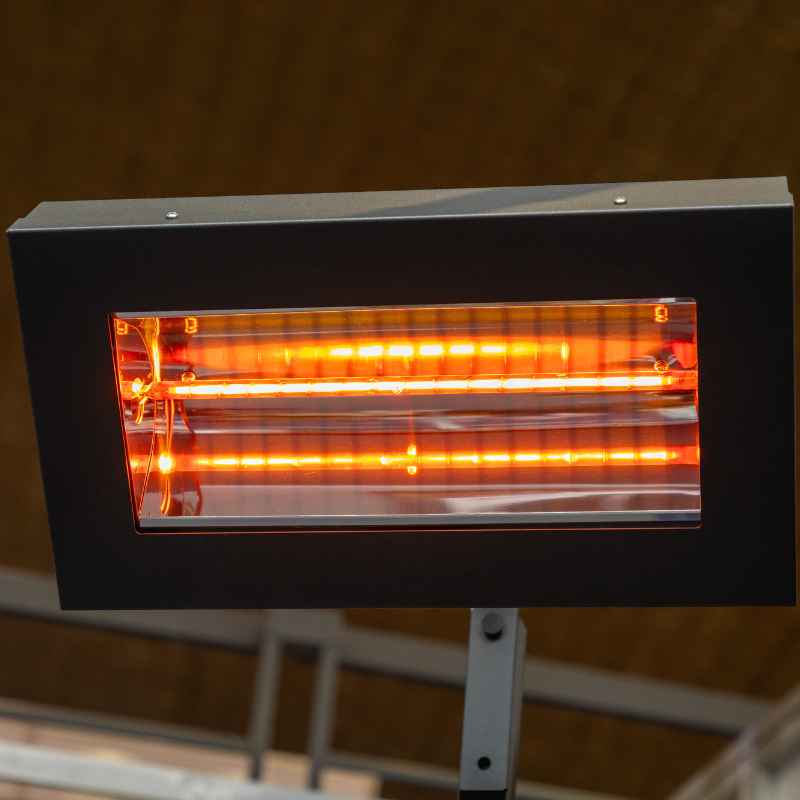
Wall-mounted panel heaters are a fantastic option. These units attach directly to your wall, freeing up valuable floor space entirely. They come in various styles, from slim, minimalist designs that blend seamlessly with your decor to more robust models. Many offer programmable thermostats and remote controls, adding convenience without taking up extra room. Infrared panel heaters, a subset of this category, not only provide heat but also emit infrared radiation that warms objects directly, offering a comfortable and efficient heating experience without blowing air, which can help maintain air quality.
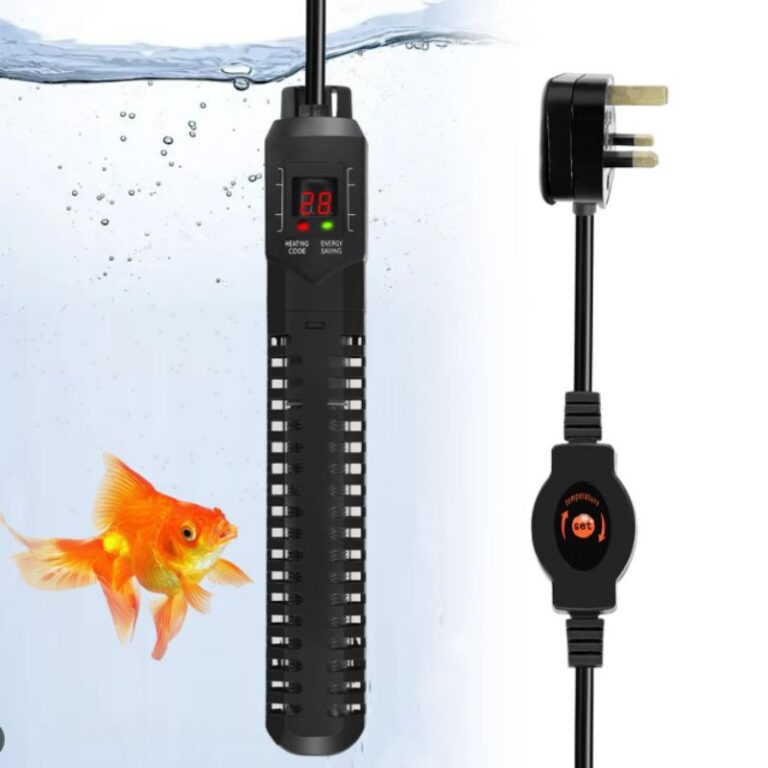
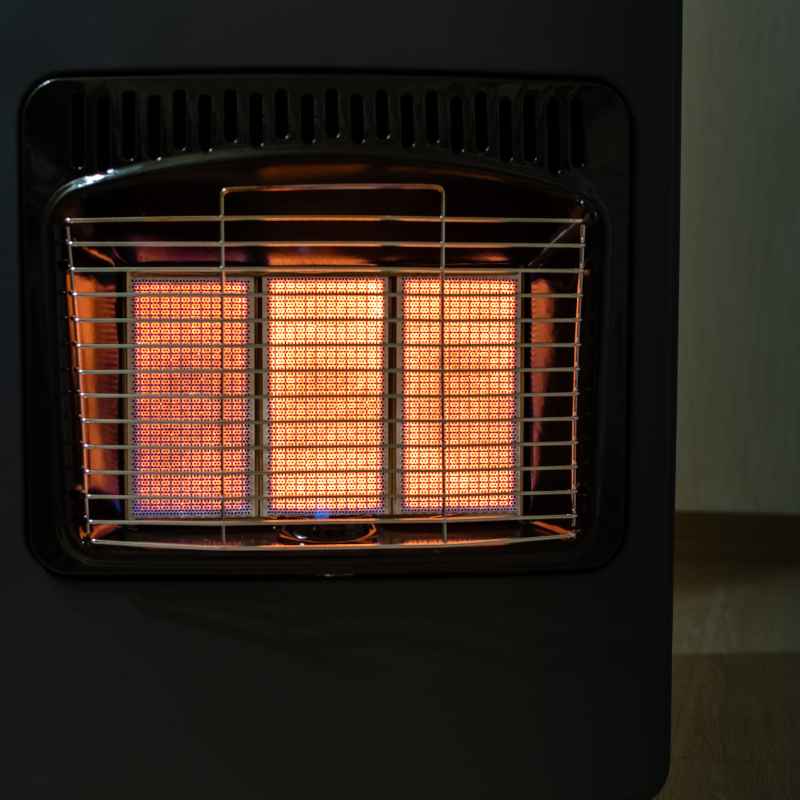
Compact electric heaters, such as ceramic or oil-filled radiators, are also worth considering. While they do occupy floor space, their small footprint makes them manageable. Look for models with upright designs and minimal protruding elements. Some even feature built-in carrying handles and cord storage, making them easier to move and store when not in use, which is ideal for apartments where seasonal storage might be an issue. Choosing a heater that is appropriately sized for your room is also key; an oversized heater won’t necessarily heat better and will just take up more space than necessary.
Finally, consider a space heater with multiple functions, like a fan or air purifier, if space is extremely limited and you need to consolidate appliances. Always ensure any heater you select meets current safety standards and is certified for use in residential settings. The initial investment in a space-saving heater can pay dividends in terms of enhanced living space and overall comfort.
- Wall-mounted panel heaters: Mount directly to the wall, saving all floor space.
- Infrared panel heaters: Warm objects directly, offering efficient heating without air circulation.
- Compact electric heaters: Small footprint, upright designs, easy to move and store.
- Multifunctional heaters: Combine heating with fan or air purification features.
- Appropriately sized units: Match heater capacity to room size to avoid unnecessary bulk.
Pros and Cons of Space-Saving Heater Types
| Heater Type | Pros | Cons |
|---|---|---|
| Wall-mounted Panel Heaters | Saves floor space, sleek appearance, can be integrated into decor. | Requires professional installation for some models, initial cost can be higher. |
| Compact Electric Heaters | Portable, generally affordable, easy to use, no installation needed. | Takes up floor space, can be a tripping hazard if not placed carefully. |
| Infrared Panel Heaters | Efficient warming, silent operation, good for sensitive individuals, no air circulation. | Can be more expensive, heat distribution might feel different than convection. |
Choosing the right heater type is the first step toward optimizing your apartment’s space. Many modern options are designed specifically for smaller living areas, prioritizing efficiency and minimal footprint.
Best For: Apartments where floor space is at a premium and integrated, unobtrusive heating is desired.
Strategic Placement: Maximizing Functionality, Minimizing Obstruction
Once you’ve selected the right type of heater, its placement is the next critical factor in how well you utilize your apartment space. A heater that is placed poorly can disrupt the flow of a room, create safety hazards, and simply look out of place. The goal is to position your heater where it can effectively warm the space without becoming an impediment to daily living.
Corners are often excellent locations for heaters. They are typically underutilized areas and can accommodate a unit without interfering with furniture arrangements or pathways. If you have a freestanding heater, placing it in a corner can help direct heat into the main part of the room. For wall-mounted units, corners provide a stable and often less visually intrusive mounting point.
Consider placing heaters under windows. Many apartment heaters are designed to counteract the cold air that often spills from window panes. Placing a heater here can help create a warm air barrier, preventing drafts from making the room feel chilly. Just ensure there’s enough clearance, as specified by the manufacturer, to prevent any materials from coming into contact with the heating element. Oil-filled radiators, for instance, are generally safe to place near curtains as they heat up gradually and don’t have exposed elements.
Think about furniture arrangement. If you have a compact electric heater, position it so that furniture is not directly in front of it, blocking the heat. However, you might be able to place it discreetly behind a sofa or a side table, provided there’s adequate ventilation. For wall-mounted units, ensure they don’t interfere with the opening and closing of doors or drawers.
Finally, consider high-traffic areas. Avoid placing heaters in hallways or near doorways where people are constantly moving. This minimizes the risk of accidental bumps or trips. Always adhere to the manufacturer’s recommended clearance distances from walls, furniture, and combustible materials to ensure safe and efficient operation. Proper placement not only saves space but also enhances safety and heating performance.
- Place heaters in corners to utilize often-unused space and direct heat flow.
- Position heaters under windows to combat cold drafts effectively.
- Ensure furniture does not obstruct heat output, especially for freestanding units.
- Avoid placing heaters in high-traffic areas or near entryways.
- Always follow manufacturer guidelines for clearance distances to walls and other objects.
Safe Clearance Distances for Apartment Heaters
Here’s a general guideline for safe clearance distances, but always refer to your specific heater’s manual:
- From Walls: Typically 1-3 feet (30-90 cm) depending on the heater type and heat output.
- From Furniture: Minimum 3 feet (90 cm) from sofas, chairs, beds, and other upholstered items.
- From Curtains and Drapes: At least 3 feet (90 cm) to prevent them from overheating or igniting.
- From Combustible Materials: Keep a safe distance from paper, clothing, bedding, and any flammable items.
- From Vents and Air Returns: Do not block your apartment’s central heating or air conditioning vents.
These distances are crucial for preventing fires and ensuring your heater operates efficiently without overheating.
Best For: Anyone looking to maximize their apartment’s layout and ensure safe, efficient heating without clutter.
Integrating Heaters into Your Decor and Furniture
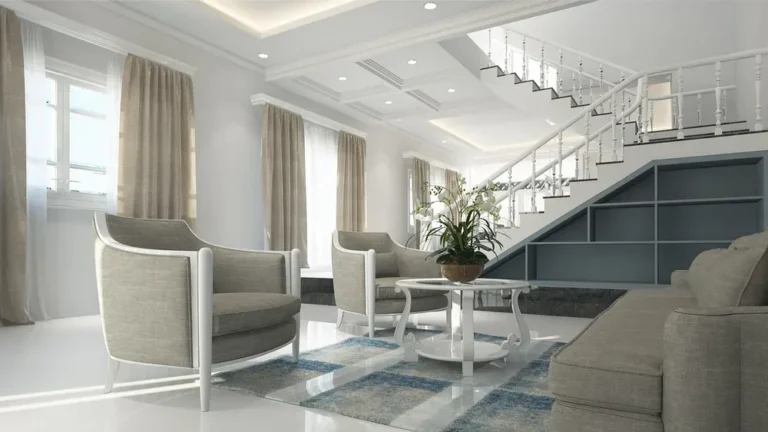
Making a heater less of an eyesore and more of a functional part of your apartment’s aesthetic is a key strategy for utilizing space efficiently. Instead of letting a heater be a bulky, standalone object, consider ways to integrate it into your existing decor or furniture. This approach not only hides the heater but can also add utility and style to your living space.
Custom heater covers are an excellent way to achieve this. For wall-mounted panel heaters, you can find or create covers that mimic artwork or decorative wall panels. This allows the heater to blend in seamlessly with your wall art. For floor-standing units, consider covers that double as shelving or benches. A well-designed wooden heater cover, for example, can serve as a convenient bench in an entryway or hallway, providing extra seating while concealing the heating unit beneath.
Look for multi-functional furniture pieces. Some modern furniture designs incorporate heating elements or are designed to accommodate them discreetly. For instance, a low-profile media console might have a vented section designed to house a slim heater, directing its warmth towards the living area. Coffee tables or side tables can also be found with built-in heating features.
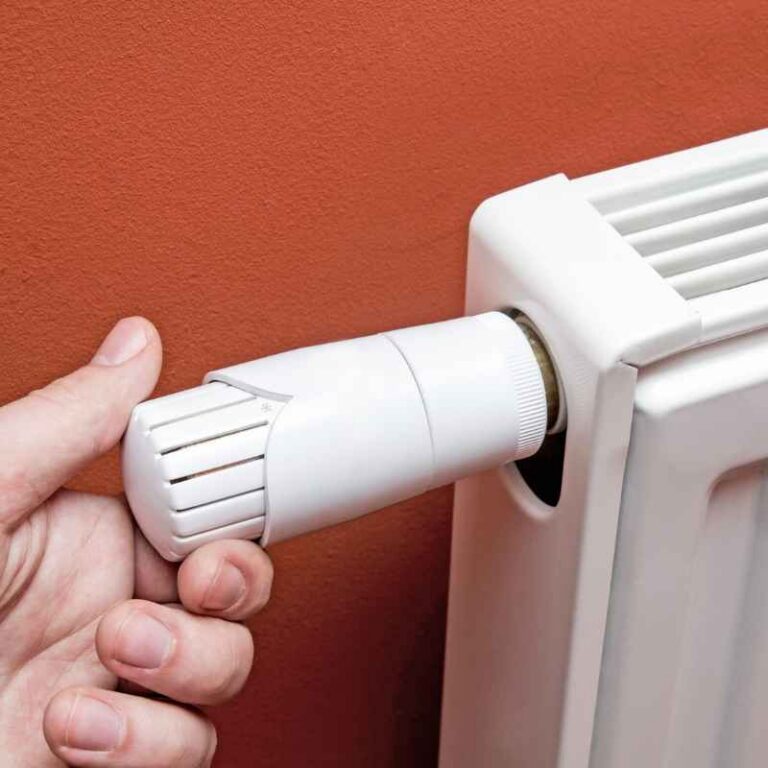
If you have a radiator, consider a radiator cover that also provides shelf space. These covers can be made from wood, metal, or MDF and can be painted to match your room’s color scheme. Adding a shelf on top allows you to display decorative items, plants, or even books, transforming a functional necessity into a decorative feature.
Even simple solutions can make a difference. Painting a heater to match your wall color can help it recede visually. For very small heaters, positioning them behind a strategically placed plant or a decorative screen can help them disappear into the background. The key is to think of the heater not as an obstruction, but as an element that can be incorporated into your apartment’s overall design plan, thereby reclaiming visual and physical space.
- Use decorative heater covers that double as benches, shelving, or artwork.
- Choose multi-functional furniture designed to conceal or integrate heating units.
- Install radiator covers with added shelf space for decorative items.
- Paint heaters to match wall colors for better visual integration.
- Discreetly place small heaters behind plants or decorative screens.
DIY Heater Cover Ideas
Making your own heater cover can be a cost-effective way to customize and integrate your heating unit.
- Bench Cover: Build a simple wooden frame large enough to enclose your heater, adding a hinged lid for access. Top with a comfortable cushion.
- Decorative Screen: Use a folding room divider or build a custom frame with decorative fabric or lattice to hide a floor heater.
- Shelf Unit: Construct a shallow shelving unit that fits over or around a wall-mounted heater, with an open front or ventilated sides.
- Artwork Integration: Mount a lightweight heater on the wall and frame it with decorative molding, making it appear as a unique wall art piece.
These DIY projects allow for creative solutions tailored to your apartment’s specific needs and style.
Best For: Apartment dwellers who want to enhance their home’s aesthetics while optimizing their heating solution.
Maintenance and Efficiency: Keeping Your Heater Space-Smart
The most space-efficient heater is one that works optimally. Regular maintenance not only ensures your heater runs efficiently, saving energy and money, but also prolongs its lifespan and maintains its intended compact form. Neglecting maintenance can lead to decreased performance, potential safety issues, and the eventual need for a replacement, which might be bulkier or less efficient.
One of the most crucial maintenance tasks is cleaning. Dust and debris can accumulate on heating elements, vents, and filters, impeding airflow and reducing heat output. This means your heater has to work harder and longer to achieve the desired temperature, consuming more energy and taking up more space in terms of operational time. For electric heaters, regularly vacuuming or wiping down the exterior and ensuring vents are clear is essential. If your heater has a removable filter, clean or replace it according to the manufacturer’s instructions.
Check power cords and plugs for any signs of damage. Frayed wires or loose connections can be a fire hazard and indicate that the unit is nearing the end of its life. If you notice any damage, discontinue use immediately and consider replacement.
For oil-filled radiators, while they require minimal maintenance, it’s wise to check the seals periodically and ensure they aren’t leaking. If you notice any oil, it’s time to consider a replacement unit. Panel heaters, especially those that are flush-mounted, may require professional servicing for internal cleaning or checks, so follow the manufacturer’s recommendations for such maintenance.
Ensuring your heater is the correct size for your apartment is also a form of efficiency. An undersized heater will struggle to warm the room, running constantly and wasting energy. An oversized heater, while it may heat the room quickly, can cycle on and off frequently, leading to uneven temperatures and also taking up more physical space than necessary. Matching the BTU (British Thermal Unit) output to your room’s square footage is key for both efficiency and appropriate space utilization.
By keeping your heater clean, well-maintained, and appropriately sized, you ensure it functions at its peak performance, making your chosen heating solution truly space-smart.
Essential Heater Maintenance Checklist
- Regular Cleaning: Wipe down exterior surfaces and clear vents of dust and debris.
- Filter Maintenance: Clean or replace air filters as recommended by the manufacturer.
- Cord and Plug Inspection: Check for any signs of wear or damage and replace if necessary.
- Leak Checks: For oil-filled radiators, inspect seals for any signs of oil leakage.
- Professional Servicing: Adhere to manufacturer recommendations for any periodic professional checks.
- Thermostat Accuracy: Ensure the thermostat is functioning correctly for optimal temperature control.
- Proper Storage: If storing seasonally, clean thoroughly and store in a dry place.
When to Consider Replacing Your Heater
- Visible Damage: Frayed cords, cracked casing, or damaged heating elements.
- Reduced Efficiency: The heater takes much longer to warm a room than it used to.
- Strange Noises: Unusual grinding, buzzing, or rattling sounds can indicate internal problems.
- Foul Odors: Burning smells or electrical odors are serious safety concerns.
- Frequent Tripping Breakers: This can indicate an electrical fault or excessive power draw.
- Age: Most portable heaters have a lifespan of 5-10 years; older units may be less efficient and less safe.
Replacing an old, inefficient heater with a modern, space-saving model can significantly improve your apartment’s comfort and functionality.
Best For: Apartment residents who want to ensure their heating system is always operating at peak efficiency and safety.
Understanding Apartment Heating Regulations and Safety
While maximizing space and comfort is the primary goal, it’s crucial to operate within the bounds of safety and local regulations. Apartment buildings often have specific rules regarding heating appliances to prevent fires and ensure electrical systems aren’t overloaded. Understanding these guidelines is paramount for a safe and efficient living environment.
Fire safety is the most significant concern. Many apartment complexes prohibit the use of certain types of portable heaters, particularly those with exposed heating elements or that lack automatic shut-off features in case of tipping. Always check your lease agreement or with your building management for a list of approved heater types and any placement restrictions. Some buildings may only allow electric heaters, while others might have specific requirements for wattage or safety certifications.
Electrical safety is another critical aspect. Overloading circuits is a common hazard, especially in older buildings or when multiple high-wattage appliances are used simultaneously. Ensure your heater is plugged directly into a wall outlet and not into an extension cord or power strip, unless the power strip is specifically rated for the high amperage an appliance like a heater requires. If your breaker frequently trips when you turn on the heater, it’s a sign that your apartment’s electrical system might not be able to safely support its power draw.
Ventilation requirements are also important. While you want to trap heat, adequate airflow is necessary for most heaters to operate safely and efficiently. Some heaters, especially electric or fan-forced models, can overheat if their vents are blocked. Wall-mounted heaters and panel heaters often have specific installation requirements to ensure proper ventilation and prevent heat buildup against walls.
Furthermore, some jurisdictions may have regulations regarding the energy efficiency of heating appliances. While this might not directly impact space utilization, opting for energy-efficient models can lead to lower utility bills, which is always a plus for apartment dwellers. Look for Energy Star certifications or other recognized efficiency labels when purchasing a new heater.
Adhering to these regulations not only keeps you and your neighbors safe but also helps maintain the integrity of your apartment building’s infrastructure. Prioritizing safety and compliance ensures that your efforts to utilize space efficiently don’t come at the expense of well-being.
Key Safety Features to Look for in Apartment Heaters
- Automatic Tip-Over Shut-off: The heater automatically turns off if it’s knocked over.
- Overheat Protection: The unit shuts down if it reaches unsafe internal temperatures.
- Cool-Touch Exterior: Reduces the risk of burns on the outer casing.
- Flame-Resistant Materials: Housing made from materials that resist high temperatures.
- UL or ETL Certification: Indicates the product has been tested and meets safety standards.
- Adjustable Thermostat: Allows for precise temperature control, preventing overheating.
Common Apartment Heater Violations
- Using Prohibited Heater Types: Operating heaters not approved by building management.
- Blocking Vents or Fire Safety Equipment: Placing heaters near smoke detectors or sprinklers, or blocking air vents.
- Using Damaged Cords or Plugs: Employing heaters with exposed wires or faulty connections.
- Overloading Electrical Circuits: Plugging too many high-draw appliances into one circuit.
- Improper Placement: Heaters too close to curtains, furniture, or walls.
Understanding and avoiding these common violations is crucial for apartment safety and compliance.
Best For: Apartment residents who want to ensure their heating choices are safe, legal, and compliant with building regulations.
FAQs
Frequently Asked Questions
What is the best type of heater for a small apartment?
For small apartments, compact electric heaters, wall-mounted panel heaters, or infrared heaters are generally the best options. They offer efficient heating without taking up excessive floor space, and many models are designed for portability and easy integration into decor.
Can I use a portable heater in my apartment?
Yes, you can often use portable heaters in apartments, but it’s crucial to check your lease agreement and building management rules. Many apartments allow electric portable heaters, but some may have restrictions on types or require specific safety certifications like UL or ETL. Always ensure proper placement and ventilation.
How far should a heater be from furniture?
Generally, a portable heater should be kept at least three feet (about 90 cm) away from furniture, curtains, bedding, and any other combustible materials. This clearance is essential to prevent overheating and potential fire hazards. Always refer to your heater’s manual for specific recommendations.
Are wall-mounted heaters good for apartments?
Yes, wall-mounted heaters are excellent for apartments as they free up valuable floor space, making rooms feel larger and less cluttered. They offer a sleek, integrated look and can provide efficient, consistent heating. Installation might require professional help, but the space-saving benefits are significant.
What are the energy efficiency considerations for apartment heaters?
When choosing an apartment heater, look for models with adjustable thermostats, programmable timers, and Energy Star ratings to maximize energy efficiency. Efficient heaters heat your space effectively without wasting electricity, which is beneficial for both your utility bills and the environment. Proper sizing for your room is also key to efficiency.
Final Thoughts
Effectively utilizing apartment heater space transforms a cramped dwelling into a more comfortable and functional home. By carefully selecting space-saving heater types, strategically placing them to avoid obstruction, integrating them into your decor, and maintaining them diligently, you can enjoy warmth without sacrificing valuable living area. Always prioritize safety and adhere to building regulations to ensure a secure and compliant heating solution.
Sponsored / affiliate links. As an Amazon Associate I earn from qualifying purchases. I may earn additional commission from eligible campaigns.