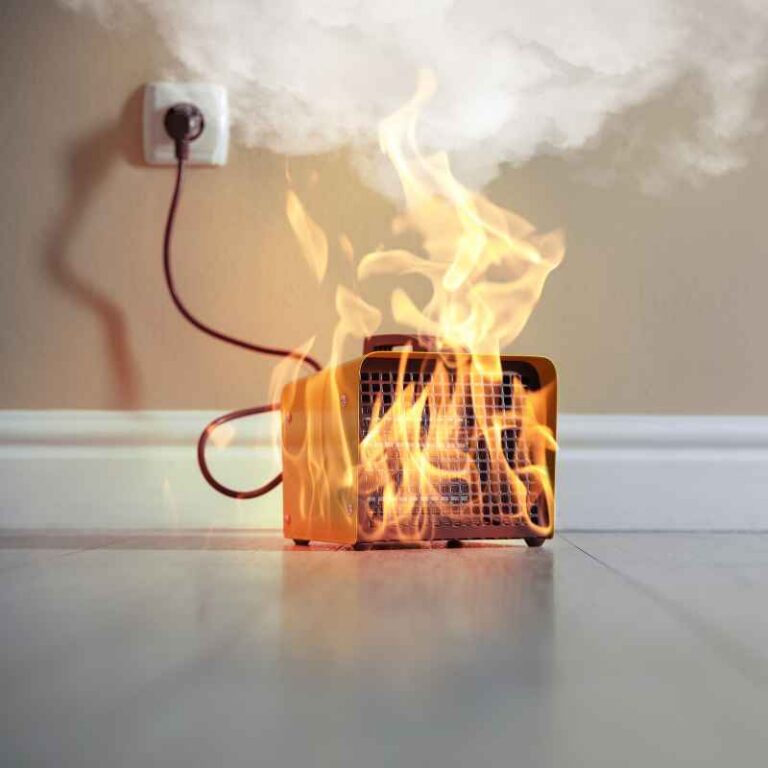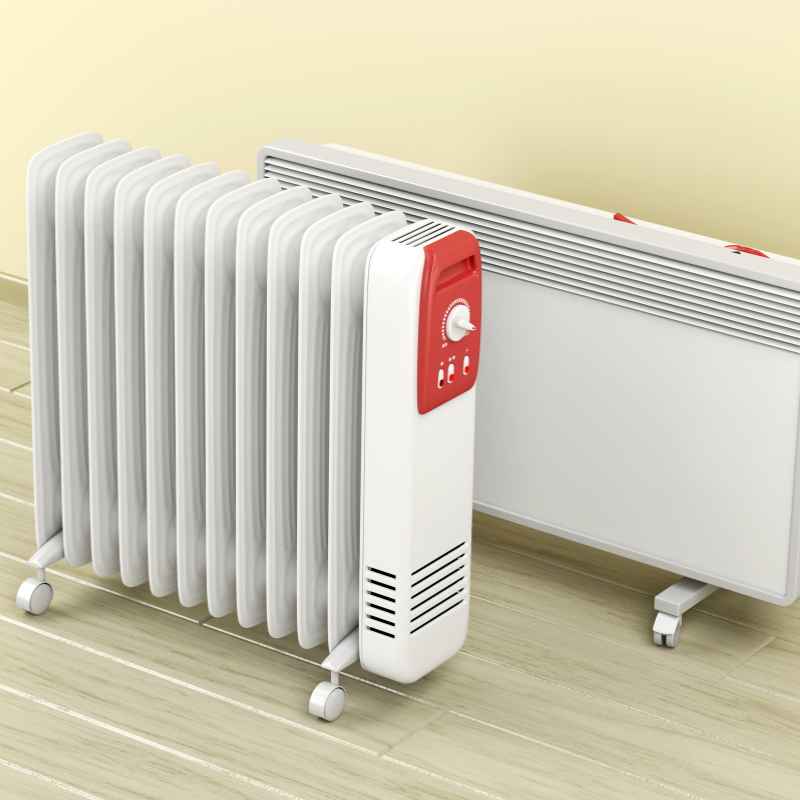
Radiant Heaters vs. Convection Heaters for Apartments
Radiant heaters can be a highly efficient choice for apartment heating, especially when you understand how they work compared to other systems. Unlike convection heaters that warm the air, radiant heaters transfer heat directly to objects and people in the room, making them feel warmer faster and often using less energy for targeted comfort. This post breaks down the efficiency of radiant heaters for apartments, helping you decide if they’re the right fit for your living space.
Simply put, radiant heaters are often more efficient for apartments because they heat objects and people directly, bypassing the need to heat the entire air volume, which can lead to faster perceived warmth and lower energy consumption for targeted heating zones.
Key Takeaways
- Radiant heaters offer targeted warmth by heating surfaces and people, not just air.
- Convection heaters warm the air, which can escape easily in drafty apartments.
- The efficiency of radiant heaters depends on room layout, insulation, and usage patterns.
- Infrared radiant heaters are particularly effective for quick, direct heating in smaller spaces.
- Consider installation costs and safety features when choosing between radiant and convection options.
What are Radiant Heaters and How Do They Work?
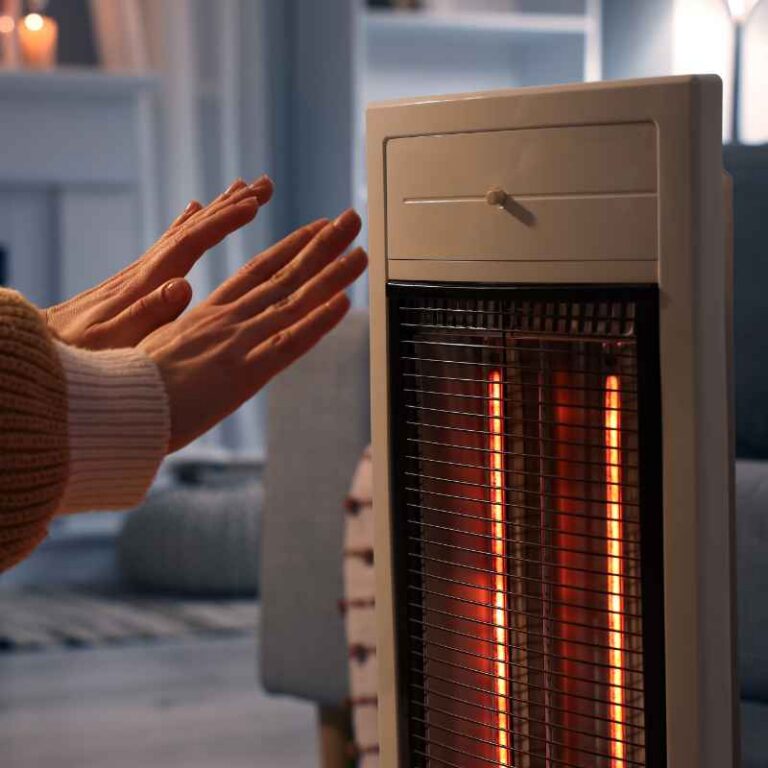
Radiant heaters operate on a simple principle: they emit electromagnetic radiation, much like the sun. This radiation travels in straight lines and warms any object it encounters. When this radiation hits your skin, furniture, or walls, those objects absorb the energy and re-radiate heat, warming the space from the inside out. This is fundamentally different from convection heaters, which rely on heating the air.
Convection heaters work by warming the air around them. This warm air then rises and circulates throughout the room. While effective in well-insulated, sealed spaces, this method can be less efficient in apartments where air leaks and drafts are common. The warmed air can quickly escape through windows, doors, or gaps, meaning the heater has to continuously work to reheat the air that has been lost.
The direct heating nature of radiant units means you feel the warmth almost instantaneously once the heating element is active. This can lead to greater user satisfaction and the ability to set thermostats lower when you’re in the direct line of the radiant heat. This targeted approach is a significant factor in their potential for greater energy efficiency in certain apartment scenarios.
- Mechanism: Emits infrared radiation.
- Heat Transfer: Direct to objects and people.
- Perceived Warmth: Immediate.
- Air Movement: Minimal to none.
- Energy Use: Potentially lower for targeted heating.
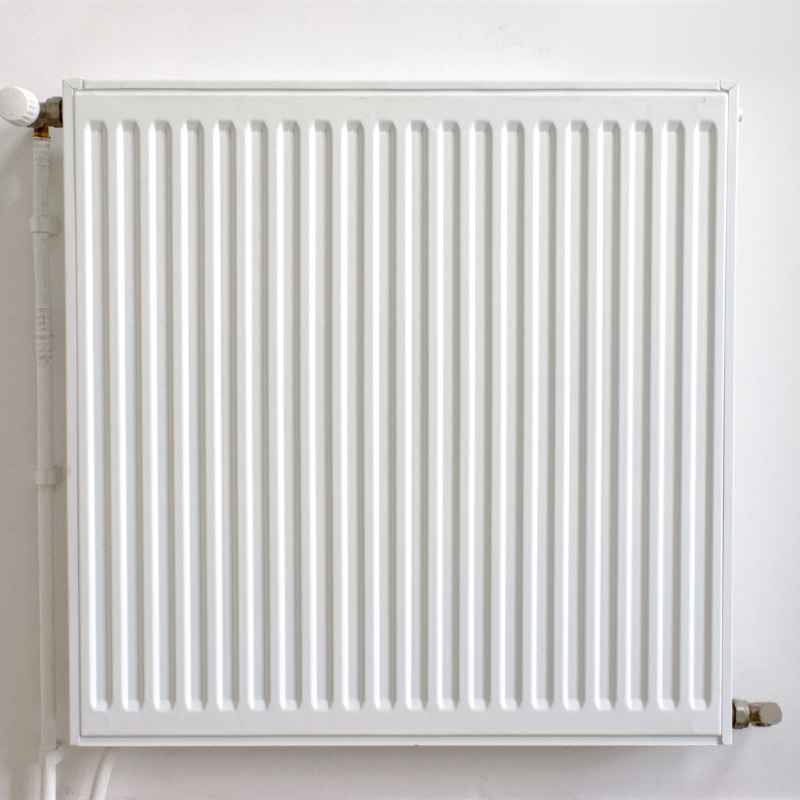
Understanding Convection Heaters
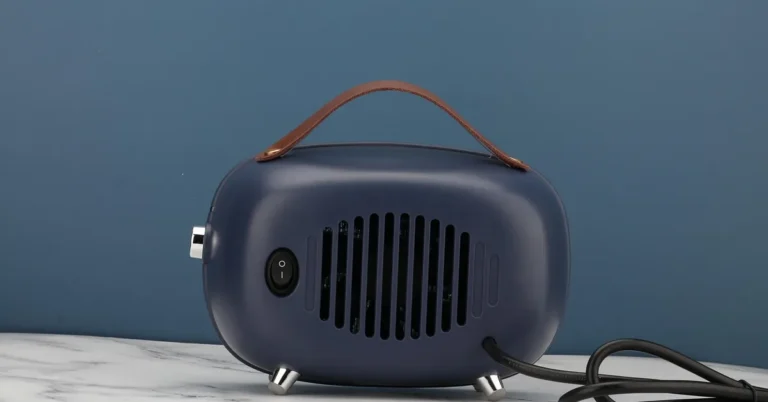
Convection heaters are the most common type of electric heater, often found as baseboard units or portable space heaters. They draw in cooler air from the room, heat it using a heating element, and then release the warmer air. This warm air is less dense and rises, creating a natural circulation pattern known as convection currents that move through the room.
The primary advantage of convection heating is its ability to warm an entire room evenly, assuming good air circulation and minimal heat loss. However, this method is inherently dependent on the air itself. If there are drafts or leaks in an apartment, the warm air will escape, and the heater will have to work harder and longer to maintain the desired temperature. This can lead to higher electricity bills.
For example, if you have an older apartment with single-pane windows, a convection heater will struggle to keep the room cozy as warm air escapes and cold air seeps in. The constant battle between heated air and escaping heat means the unit might run almost continuously, negating some of its potential energy savings.
| Convection Heater Feature | Description |
|---|---|
| Heating Method | Warms air, which circulates. |
| Room Coverage | Can heat entire room evenly. |
| Efficiency in Drafty Spaces | Lower, as warm air escapes. |
| Perceived Warmth | Takes time for air to heat up and circulate. |
Convection heaters are best suited for well-sealed rooms where consistent ambient temperature is the priority.
Radiant Heaters: Efficiency Advantages for Apartments
For apartments, especially older ones or those with less-than-perfect insulation, radiant heaters often present a more efficient heating solution. The core benefit lies in their ability to direct heat where it’s needed most – towards people and surfaces. Imagine sitting on your couch; a radiant heater positioned nearby will warm you directly, making you feel comfortable even if the ambient air temperature is slightly lower than it would need to be with a convection heater.
This targeted heating means you can potentially turn down the thermostat for the entire apartment and still feel warm and cozy in the main living areas. This directly translates to energy savings. According to the U.S. Department of Energy, direct heating can reduce overall energy consumption by up to 20% compared to air-based heating systems in specific applications. Radiant systems can also heat objects like walls and furniture, which then re-radiate heat back into the room, creating a more sustained and even warmth that feels different from air heating.
Furthermore, radiant heat isn’t affected by drafts in the same way convection heat is. While air leaks will still cool surfaces, the radiant energy already absorbed by those surfaces will continue to radiate heat. This makes radiant heaters a more stable and predictable heating source in apartments prone to drafts from windows or doors. They provide a sense of comfort without continuously fighting the environment.
- Targeted Warmth: Heats people and objects directly.
- Faster Comfort: Feel warm almost instantly.
- Reduced Energy Waste: Less heat lost to drafts.
- Lower Thermostat Settings: Achieve comfort at lower ambient temperatures.
- Consistent Feel: Surfaces radiate heat, providing sustained warmth.
Types of Radiant Heaters for Apartment Use
When considering radiant heaters for an apartment, you’ll primarily encounter two main types: infrared and electric radiant panels. Infrared heaters are the most common and direct form of radiant heat. They use heating elements to generate infrared rays, which are then emitted into the room. These rays are invisible but palpable as heat on your skin.
Electric radiant panels, often seen as sleek wall-mounted units or as part of fan heaters, also use radiant principles but may incorporate some convection to distribute heat. Some advanced models can mimic the sun’s warmth very effectively. The choice between them often comes down to aesthetics, installation requirements, and the specific heating needs of the apartment.
There are also outdoor radiant heaters and industrial versions, but for typical apartment living, you’ll be looking at portable infrared units or fixed radiant panel heaters. Portable units offer flexibility, allowing you to move the heat source to where you need it most, whether it’s by your desk, in front of the sofa, or near your bed. Fixed units, like wall-mounted panels, offer a more permanent and often more aesthetically pleasing solution, blending into the room’s decor.
| Radiant Heater Type | Key Characteristics | Best For |
|---|---|---|
| Infrared Heaters (Portable) | Emit direct heat rays, fast warm-up, often have tip-over protection. | Targeted personal heating, quick comfort in any room. |
| Electric Radiant Panels | Sleek design, wall-mountable, can provide a broader radiant effect. | Permanent room heating, aesthetic integration, efficient ambient warmth. |
| Micathermic Heaters | Combines radiant and convection heating, lightweight, silent operation. | Balanced heating, quiet environments, good for moderate heating needs. |
Choosing the right type ensures you maximize the efficiency benefits for your specific apartment setup.
Factors Affecting Radiant Heater Efficiency in Apartments
While radiant heaters offer inherent advantages, their efficiency in an apartment setting isn’t guaranteed and depends on several factors. The size and layout of your apartment play a crucial role. A large, open-plan apartment might require multiple radiant units or a larger capacity one to provide sufficient warmth, whereas a smaller, compartmentalized unit might be perfectly heated by a single, well-placed unit.
Insulation is another critical factor. Even radiant heaters will struggle to be efficient if the heat they generate can easily escape. Poorly insulated walls, old windows, and drafty doors will still lead to heat loss, though the direct heating effect might mitigate the discomfort longer than with convection. The International Energy Agency reports that improving building insulation can reduce heating energy demand by up to 50%.
Usage patterns are also key. Radiant heaters are most efficient when used to heat specific zones or at specific times. For instance, using a portable radiant heater to warm your immediate workspace while the rest of the apartment remains cooler is highly efficient. If you run a radiant heater constantly in an empty room hoping to heat the entire apartment through re-radiation, you’re likely negating some of its energy-saving potential.
Important: Always consider the placement of your radiant heater. Aim to direct its heat towards where you spend most of your time to maximize efficiency and comfort.
Here’s a checklist to consider:
- Apartment size and layout.
- Quality of insulation (walls, windows, doors).
- Presence of drafts and air leaks.
- Your typical daily routine and heating needs.
- Number and wattage of heating units.
- Thermostat settings and desired comfort level.
By carefully assessing these elements, you can ensure your radiant heater operates at peak efficiency for your apartment.
Installation and Safety Considerations
When choosing radiant heaters for an apartment, safety and installation are paramount, especially if you’re renting. Portable infrared heaters are generally the easiest option as they require no installation. You simply plug them into a standard electrical outlet. However, always ensure the unit has safety features like automatic tip-over shut-off and overheat protection.
Fixed radiant panels, like wall-mounted units, might require professional installation, which could be an issue in rental properties. Always check your lease agreement and landlord’s policies before installing any permanent fixtures. Some units may also require dedicated electrical circuits, especially if they have higher wattage.
Regardless of the type, always maintain a safe distance between the heater and any combustible materials like curtains, furniture, or bedding. The Consumer Product Safety Commission (CPSC) advises keeping a minimum of three feet of clearance around portable electric heaters. Also, ensure the heater is placed on a stable, level surface to prevent tipping. Regular cleaning of dust and debris from the heating elements and vents is also essential for safe and efficient operation.
Warning: Never leave a portable radiant heater unattended while it is operating, especially in areas with children or pets. Ensure cords are not tripping hazards and are not placed near heat sources.
Here are key safety points:
- Always read and follow the manufacturer’s instructions.
- Ensure proper ventilation, especially with higher wattage units.
- Keep children and pets away from the heater.
- Do not cover the heater or block its vents.
- Use only with properly grounded electrical outlets.
- Inspect the unit and power cord regularly for damage.
Prioritizing these safety measures ensures you can enjoy the efficient warmth of your radiant heater without worry.
Comparing Radiant vs. Convection Heaters for Apartments
To definitively answer if radiant heaters are more efficient for apartments, a direct comparison with convection heaters is helpful. The efficiency of any heating system is often measured by its ability to deliver comfort while consuming the least amount of energy.
In a drafty apartment, a convection heater will constantly battle heat loss, leading to higher energy consumption. For example, a convection heater might need to run at 1500 watts for extended periods to maintain a temperature that feels comfortable. A radiant heater, on the other hand, might provide sufficient personal warmth at a lower wattage or for shorter durations, making its overall energy draw lower for that specific user.
However, if an apartment is exceptionally well-insulated and airtight, a convection heater can be very efficient at warming the entire space uniformly. In such a scenario, the radiant heater’s direct heating might not offer a significant energy advantage if the goal is whole-room heating. The key differentiator remains the directness of heat transfer.
| Feature | Radiant Heater | Convection Heater |
|---|---|---|
| Heating Principle | Directly heats objects and people via radiation. | Warms air, which circulates throughout the room. |
| Speed of Warmth | Immediate sensation of heat. | Takes time for air to circulate and warm the room. |
| Efficiency in Drafty Apartments | Generally higher due to direct heating. | Lower; warm air escapes easily. |
| Best Use Case | Targeted zone heating, quick personal comfort. | Whole-room heating in well-sealed spaces. |
| Installation | Often portable; some panel options. | Portable units and built-in baseboards. |
In most apartment scenarios, especially older buildings, the direct, targeted heating of radiant units offers a tangible efficiency edge.
Tips for Maximizing Radiant Heater Efficiency in Your Apartment
To get the most out of your radiant heater, strategic placement is key. Position the unit so that it directly faces the area where you spend the most time, whether that’s your desk, a favorite armchair, or your bed. Avoid placing it directly against walls or behind large furniture, as this can obstruct the heat rays and reduce their effectiveness.
Consider using zone heating effectively. Instead of trying to heat an entire apartment with one powerful heater, use smaller, portable radiant units to heat only the rooms or areas you are currently using. This is far more energy-efficient than running a central heating system at a high setting. For example, use a personal radiant heater at your desk during the day and move it to the bedroom at night.
Ensure your apartment’s insulation is as good as it can be. While you may not be able to make major changes in a rental, sealing drafts around windows and doors with weatherstripping or draft stoppers can make a significant difference. This helps retain the heat generated by your radiant heater, making it more effective. Simple DIY solutions can go a long way.
Tip: Use your radiant heater to supplement your existing central heating. By warming just your immediate space, you might be able to lower your central thermostat by a few degrees, saving significant energy.
Here are some practical tips:
- Positioning: Aim the heater directly at occupants.
- Zoning: Use multiple small units for different areas instead of one large one.
- Draft Sealing: Insulate windows and doors to prevent heat escape.
- Supplementing: Use it to boost comfort in specific zones without raising the main thermostat.
- Thermostat Use: Set lower temperatures for unused rooms.
- Smart Plugs: Use smart plugs to schedule heating times for maximum efficiency.
- Maintenance: Keep the unit clean for optimal performance.
By implementing these strategies, you can ensure your apartment stays warm and cozy without an exorbitant energy bill.
Frequently Asked Questions
Are radiant heaters safe for apartments with pets?
Yes, most modern radiant heaters, especially portable infrared models, come with safety features like tip-over shut-off and cool-touch exteriors, making them generally safe for apartments with pets. However, always ensure pets cannot chew on cords and maintain a safe distance between the pet and the heating element.
How quickly do radiant heaters heat a room?
Radiant heaters provide almost instantaneous warmth because they heat objects and people directly. You will feel the heat within seconds of turning the unit on, rather than waiting for air to circulate and warm up the entire space.
Can radiant heaters be used as a primary heat source in an apartment?
For smaller apartments or specific zones within a larger apartment, radiant heaters can serve as a primary heat source. However, in very large or poorly insulated spaces, they may need to be supplemented by other heating methods to maintain a comfortable ambient temperature throughout.
What is the energy consumption of a typical apartment radiant heater?
The energy consumption varies by wattage, but typical portable infrared radiant heaters range from 750 to 1500 watts, similar to convection heaters. Their efficiency advantage comes from heating directly, meaning they might achieve comfort at lower wattages or for shorter durations compared to convection heaters.
Do radiant heaters dry out the air in an apartment?
Radiant heaters do not heat the air itself, so they are less likely to dry out the air compared to some convection heaters that can create very dry air. They transfer heat through radiation, which is a more natural form of warming, similar to sunlight.
Final Thoughts
Radiant heaters offer a compelling and often more efficient way to heat apartments, particularly those prone to drafts or with less-than-ideal insulation. Their ability to directly warm occupants and objects means quicker comfort and the potential for lower energy bills by enabling lower thermostat settings. While convection heaters have their place, the targeted, direct heat of radiant units makes them a superior choice for achieving efficient warmth in many apartment settings.
Sponsored / affiliate links. As an Amazon Associate I earn from qualifying purchases. I may earn additional commission from eligible campaigns.