Room Heaters That Get Above 130°F: Safety and Facts
Are there room heaters that get above 130°F? The answer is yes, but the exact temperature depends on whether you measure the internal element, the exterior surface, or the output air. This post breaks down how hot different types of space heaters actually get and what those temperature ranges mean for your safety and comfort.
Simply put, most electric space heaters reach internal temperatures well above 130°F, with output air often hitting 150–200°F at the vent. However, no standard residential heater is designed to raise an entire room’s ambient temperature to 130°F. Built-in thermostats and safety cutoffs prevent this for safety and energy efficiency.
Key Takeaways
- Room heaters commonly reach surface and output temperatures above 130°F, especially ceramic and forced-air models.
- The internal heating element itself can exceed 500°F, but safety guards and housings keep touchable surfaces cooler.
- Ambient room temperature seldom exceeds 85–90°F because heaters cycle off via thermostats to prevent overheating.
- UL 1278 and similar safety standards require automatic shutoffs when internal temps become dangerously high.
- Knowing the difference between output air, surface heat, and ambient room temp helps you use a heater safely and effectively.
What Does It Mean When a Room Heater Reaches 130°F?
The phrase “room heaters that get above 130°F” can be ambiguous. You have to consider three distinct temperature zones: the internal heating element, the exterior housing, and the outlet air. Each of these zones operates at a completely different temperature range during normal use.
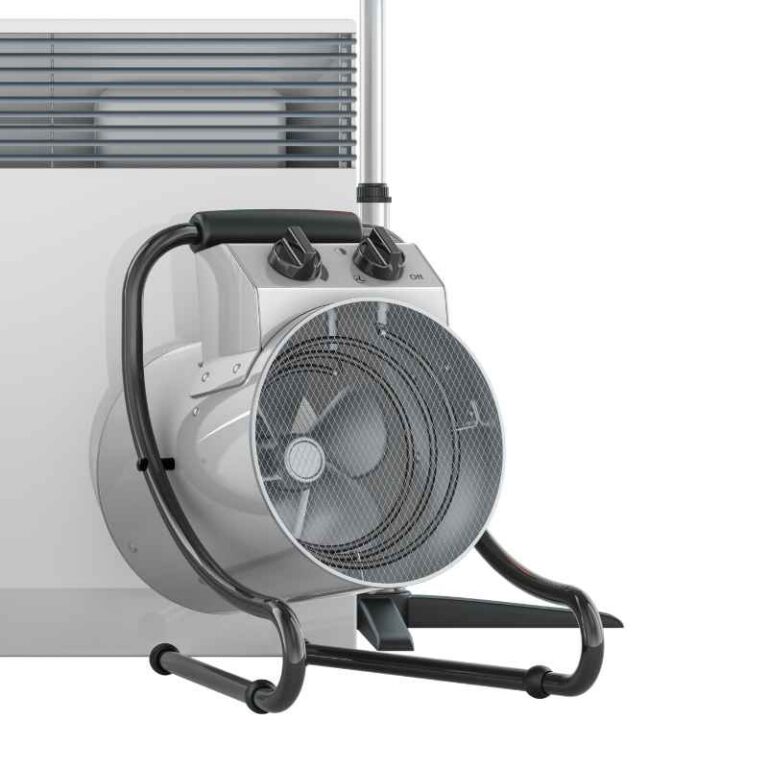
For example, the nichrome wire inside a metal-coil fan heater can glow orange at roughly 1,000°F. Meanwhile, the plastic housing you touch is designed to stay below 130°F thanks to thermal insulation and airflow design. The air coming out of the grill might land between 140°F and 180°F, which is why direct contact with the outlet grille can cause burns.
The Three Temperature Zones of a Space Heater
- Internal Element Temperature: Often 400°F to 1,200°F depending on the type (quartz, ceramic, metal coil).
- Exterior Surface Temperature: Usually 100°F to 180°F depending on the material and fan speed; high-end models stay cooler to the touch.
- Output Air Temperature: Typically 120°F to 200°F measured 1–2 inches from the grille; it drops rapidly within a few feet.
How Hot Can Different Types of Space Heaters Get?
Not all heaters are created equal. Some are designed for intense, focused heat (infrared), while others prioritize gentle, room-wide warmth (oil-filled radiators). The table below shows typical peak temperatures for common types of room heaters that get above 130°F.
| Heater Type | Internal Element Temp | Output Air Temp (at grille) | Max Housing Temp |
|---|---|---|---|
| Ceramic Fan Heater | 450°F – 800°F | 140°F – 180°F | 120°F – 150°F |
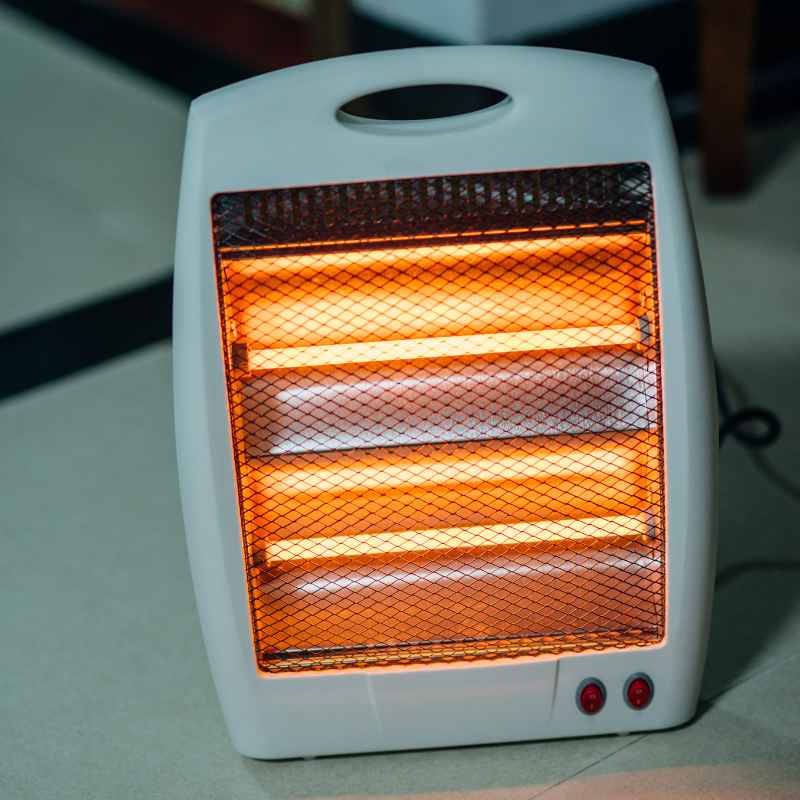
| Infrared Quartz Heater | 1,000°F – 1,500°F | 180°F – 220°F | 140°F – 180°F |
| Oil-Filled Radiator | 200°F – 350°F (oil temp) | N/A (convection only) | 150°F – 200°F (fins) |
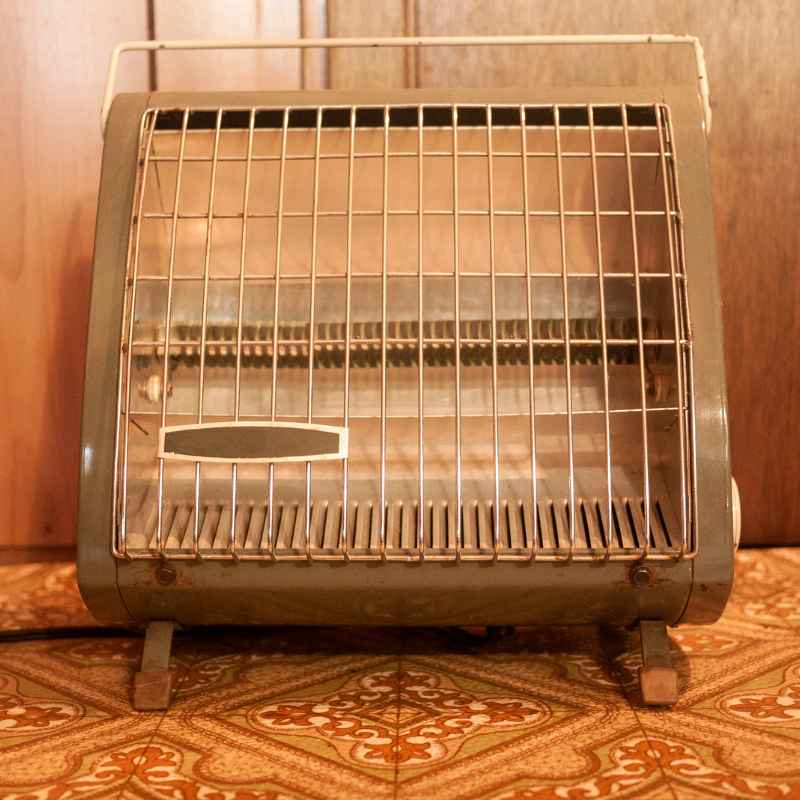
| Mica/Panel Heater | 400°F – 600°F | 150°F – 190°F | 160°F – 210°F |
As you can see, every common heater type blows air or radiates heat well above 130°F at the source. The key safety factor is how quickly that heat dissipates and whether the outer housing remains safe to touch.
Warning: Skin contact with surfaces above 130°F can cause second-degree burns in as little as 5–10 seconds, according to ASTM C1055 standards. This is why heater grilles and fins must be treated with caution during operation.
Why Is 130°F a Critical Safety Threshold for Heaters?
The 130°F mark is a well-established benchmark in safety engineering. Underwriters Laboratories (UL), the Consumer Product Safety Commission (CPSC), and ASTM International all reference this temperature in their guidelines for burn prevention and fire safety.
For room heaters that get above 130°F, manufacturers must implement multiple layers of protection. Thermal fuses, tip-over switches, and thermostatic controls are all designed to prevent the heater from ever reaching a point where it could ignite nearby materials or cause serious burns.
Key Safety Standards Governing Heater Temperatures
- UL 1278: Standard for electrically heated space heaters; requires thermal cutoffs and temperature limits on accessible surfaces.
- UL 1042: Standard for baseboard heaters; limits enclosure temperatures to safe levels.
- NFPA 5000: Building codes that restrict ambient room temperatures to safe occupancy levels (typically 85°F max for habitable spaces).
- ASTM C1055: Standard guide for heated system surface temperatures that cause burns; defines 130°F as the threshold for safe touch.
Important: According to the NFPA, space heaters were involved in 43% of U.S. home heating fires between 2016 and 2020. Most of these incidents occurred when heaters were placed too close to combustible materials, not because the heater itself failed at a specific temperature.
How Do Thermostats and Sensors Regulate Heater Temperature?
Every modern space heater includes some form of temperature regulation. Without it, a room heater would simply climb until it either melted its own components or started a fire. These safety devices are why most heaters cycle on and off rather than running continuously.
The most common control system is a bimetallic strip thermostat. As the heater warms up, the strip bends and eventually breaks the electrical contact, shutting off the power. When the heater cools down, the strip straightens and reconnects the circuit.
More advanced heaters use thermistors (electronic temperature sensors) paired with a microcontroller for precision control.
Common Safety Features Found in Today’s Heaters
- Thermal Fuse: A one-time, non-resettable fuse that blows at a specific temperature (usually around 400°F internal) and permanently shuts off the heater if it overheats.
- Auto Tip-Over Switch: A weight-sensitive switch that cuts power the instant the heater is tilted or knocked over, preventing fires even if the unit keeps generating heat.
- Thermostatic Control: Allows the user to set a target ambient temperature (e.g., 72°F). The heater cycles on and off to maintain that setpoint.
- Cool-Touch Housing: Double-walled plastic or specially coated metal that stays below 130°F even when the internal element is red-hot.
- Overheat Protection: A secondary thermal cutoff that activates if the primary thermostat fails, ensuring the heater cannot run unsupervised into dangerous temperatures.
What Is the Ambient Temperature Limit for a Heated Room?
This is where most confusion arises. Even though the output air of a room heater that gets above 130°F is very hot, the ambient temperature of the room rarely climbs above 85°F. That’s because the heater’s thermostat cuts off power long before the entire room reaches dangerous temperatures.
If you set your heater to 90°F, the unit will turn off when the air near the thermostat hits 90°F. In practice, the heater cycles on and off so frequently at high setpoints that the average room temperature stays much lower than the output temperature of the air stream. Additionally, heat loss through walls, windows, and ceilings constantly pulls heat out of the room, creating a dynamic equilibrium.
Why 130°F Ambient Room Temperature Is Unlikely and Unsafe
- Thermostat Limits: Most consumer heaters have a max setpoint of 75°F to 90°F. Exceeding this requires disabling safety controls.
- Building Codes: ASHRAE Standard 55 recommends indoor temperature ranges of 67°F to 82°F for occupied spaces. Code enforcement prevents permanent installations from exceeding these ranges.
- Health Risks: Prolonged exposure to ambient temperatures above 95°F can cause hyperthermia, heat exhaustion, and heat stroke. A room at 130°F would be life-threatening within minutes.
- Fire Risk: At 130°F ambient, many common household materials (paper, curtains, bedding) are preheated and much easier to ignite. The heater itself would likely melt electrical insulation.
Tip: Instead of cranking the thermostat past 80°F, improve your room’s insulation and use a heater with a programmable timer. This keeps your space comfortable without forcing the heater to run at extreme temperatures.
What Are the Best Types of Heaters for High-Output Warmth?
If your goal is to quickly warm a specific spot (spot heating), you want a heater that produces output air well above 130°F. Infrared and ceramic fan heaters excel at this. However, if your goal is to maintain a comfortable ambient temperature across a whole room, a convection heater like an oil-filled radiator is often a better choice.
| Need | Best Heater Type | Why It Works |
|---|---|---|
| Immediate spot heat | Infrared quartz | Direct radiant heat warms objects instantly, even at high ceilings |
| Whole room comfort | Oil-filled radiator | Slow, even convection; surface temps moderate but steady |
| Small desk or office | Ceramic fan heater | Compact, fast output, auto shutoff if tipped |
| Large living area | Panel/mica heater | Thin profile, convection + radiant, 1500W output |
Regardless of the type you choose, look for models certified by UL, ETL, or CSA. These certifications confirm that the room heater has been tested for safe operation at its maximum rated temperature, including tests for abnormal overheating.
Features to Prioritize When Buying a High-Output Heater
- Adjustable thermostat with a wide range (some offer 45°F to 90°F) so you can fine-tune your desired warmth.
- Multiple heat settings (low, medium, high) to avoid running full power when you only need a small boost.
- Overheat protection that shuts off the heater if the internal temperature exceeds safe limits.
- A tip-over switch that activates at a slight tilt angle (usually 20–30 degrees).
- Cool-touch exterior panels, especially important if children or pets might contact the housing.
Common Mistakes When Using Heaters That Exceed 130°F
Many people treat space heaters as “set and forget” appliances, but high-output temperatures demand respect. Even though manufacturers build in safety features, user error remains the most common cause of heater-related incidents. The CPSC estimates that 1,200 fires annually are linked to space heaters, with the majority involving cord problems or placement issues.
Mistakes to Avoid with High-Temperature Heaters
- Using Extension Cords: A 1500W heater draws 12.5 amps. Most extension cords are rated for 10 amps or less, causing overheating of the cord itself.
- Placing Near Curtains or Bedding: Output air at 180°F can ignite fabric within minutes if the heater is closer than 3 feet from the material.
- Blocking Air Intake: Placing the heater flush against a wall or under furniture starves it of air, causing internal temperatures to spike and triggering thermal cutoffs.
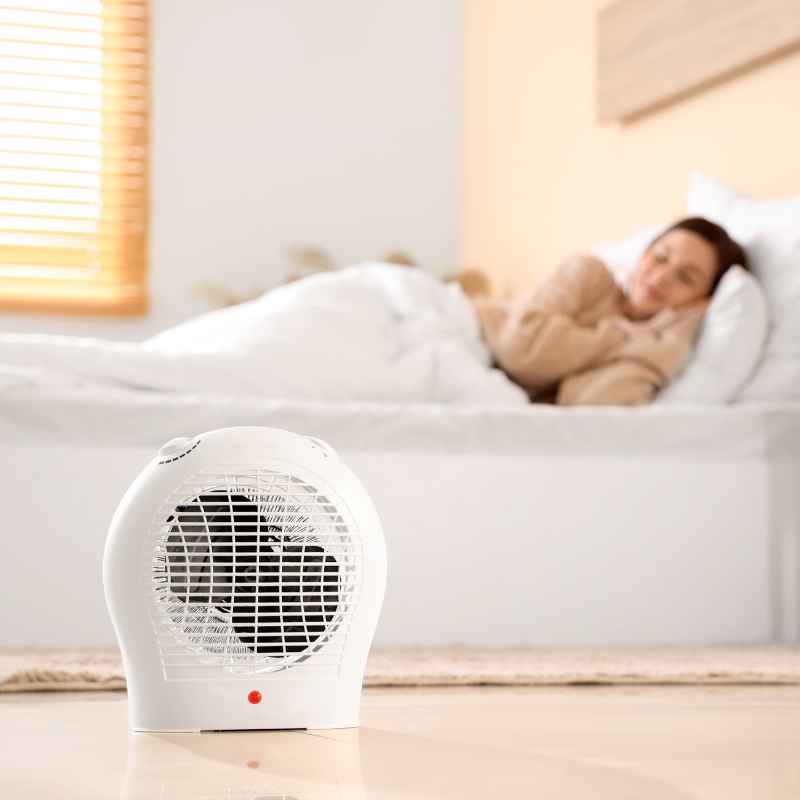
- Running Overnight Unattended: Even with tip-over switches, it’s safer to turn off heaters when you sleep, unless the unit is specifically rated for 24/7 operation.
- Ignoring “Burning Smells”: A slight smell on first use (burning off dust) is normal. A persistent acrid smell indicates melting plastic or electrical failure.
Warning: If your heater’s plug feels hot to the touch, or the wall outlet shows signs of discoloration (black or brown marks), stop using the heater immediately and have the outlet inspected by a licensed electrician.
Frequently Asked Questions
Is it safe for a room heater to have a surface temperature of 150°F?
Yes, for most metal or ceramic heating elements, 150°F is within normal operating range. However, the exterior housing should feel cool to the touch (under 130°F) due to thermal barriers. Always check the manufacturer’s specifications for touchable surface limits.
Can a space heater make the whole room 130°F if I leave it on long enough?
No, not with standard safety features in place. Every residential heater includes a thermostat that shuts off the power when the air around it reaches the set temperature. Even if you set it to maximum, the heater cycles off long before ambient temperatures become dangerous.
What does “overheat protection” mean on a room heater?
Overheat protection refers to a thermal fuse or bi-metallic switch that cuts power to the heating element if internal temperatures exceed a safe threshold (usually 400°F–500°F). This prevents the heater from melting internal wiring or igniting nearby items.
Do infrared heaters get hotter than ceramic fan heaters?
Yes, infrared heaters typically have higher element temperatures (over 1,000°F) and hotter output air at the grille. Ceramic fan heaters operate at lower internal temperatures but move more air, making the heat feel more diffuse and uniform throughout the room.
Should I avoid heaters that advertise “instant heat” above 130°F?
No, but you should use them with caution. “Instant heat” usually means high wattage and tight focus, which is perfect for spot heating. Just ensure the unit has a tip-over switch, a thermostat, and overheat protection, and keep it away from flammable materials.
Final Thoughts
Most room heaters that get above 130°F are perfectly safe when used correctly, because the high temperatures are contained within the internal element or dissipated quickly in the output air stream. The real risk comes from bypassing safety features or ignoring placement guidelines. By choosing a certified heater, keeping it on a stable surface, and respecting the 3-foot clearance rule, you can enjoy fast, effective warmth without compromising safety.
Always read the manual and test your smoke alarms regularly during heating season.
Sponsored / affiliate links. As an Amazon Associate I earn from qualifying purchases. I may earn additional commission from eligible campaigns.