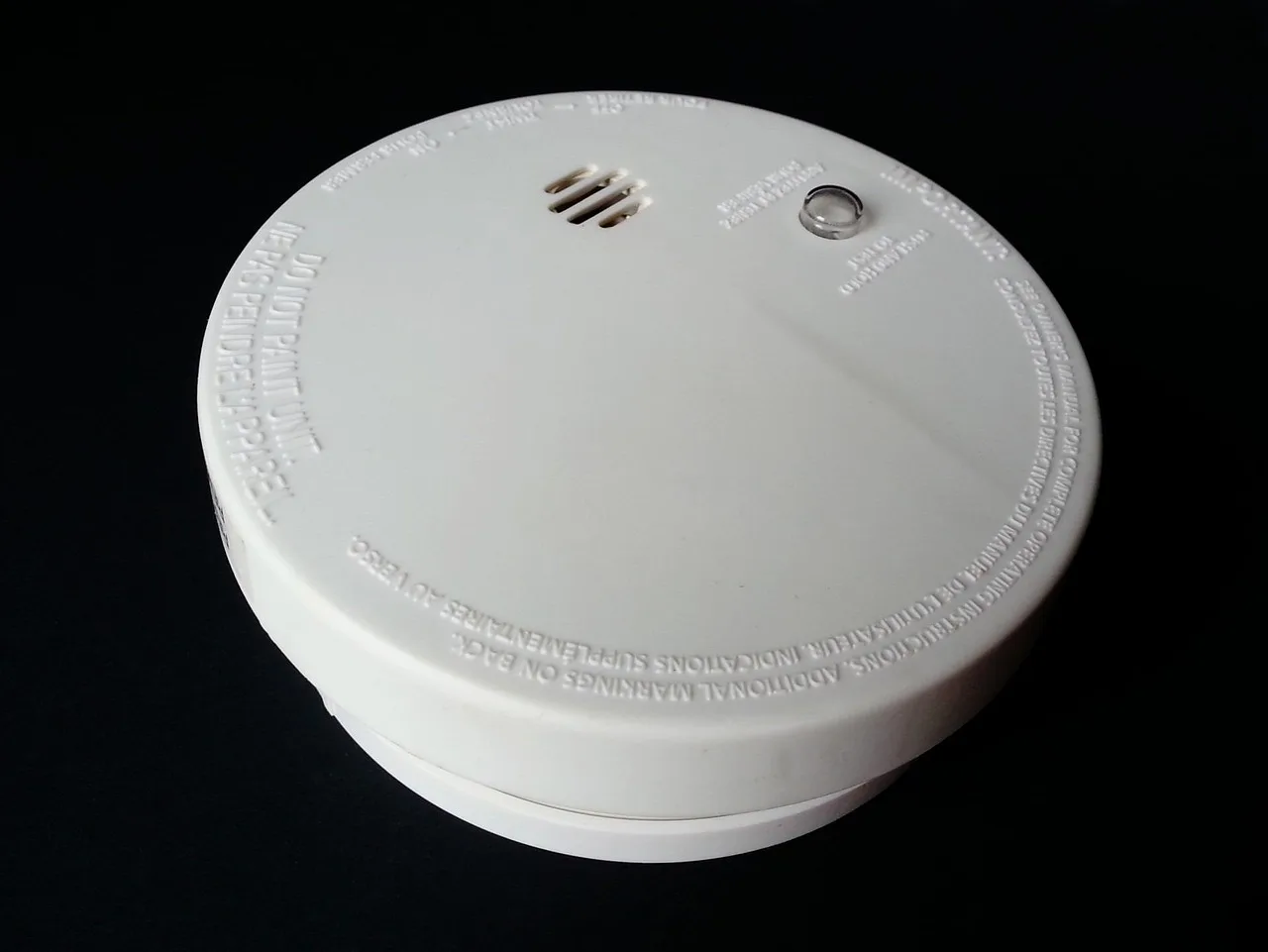
Home Safety Detectors: Types, Placement, and Upkeep
Reviewed by: Home safety editorial team
Article type: Placement and maintenance guide for smoke alarms and carbon monoxide alarms
Last reviewed: October 9, 2026
Sourcing standard: This guide aligns its core placement and maintenance advice with widely cited fire-safety authorities including the National Fire Protection Association (NFPA), the U.S. Consumer Product Safety Commission (CPSC), and the U.S. Fire Administration (USFA), then defers to local code and the alarm manufacturer’s instructions where they are more specific.
Related guides: photoelectric vs ionization smoke detector guide, carbon monoxide detector placement guide, home fire escape plan checklist, and room-by-room fire prevention checklist.
Install smoke alarms inside bedrooms, in the hall or common area outside sleeping areas, and on each floor; add carbon monoxide alarms outside sleeping areas and on levels with fuel-burning appliances, fireplaces, wood stoves, or an attached garage, then follow each unit’s instructions for placement and replacement. Bad placement or expired devices can miss a fast-moving fire or rising carbon monoxide, while poor locations cause nuisance alarms that people start to ignore. This guide maps the right detector to each room, shows where not to mount it, and covers testing, cleaning, batteries, and end-of-life replacement.
Build your detector plan by hazard, not by device aisle


Match each room to the hazard it actually has
A good plan starts with the room, then the hazard. Bedrooms need early warning while people sleep. Areas near kitchens need smoke coverage that will not chirp every time toast burns. Furnace rooms, fireplaces, and attached garages add carbon monoxide risk that smoke alarms cannot detect.
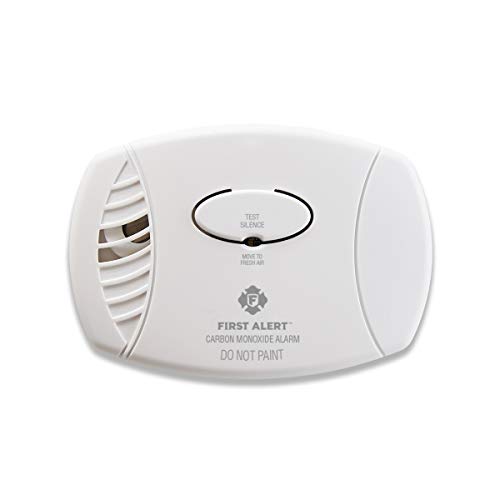
Smoke alarms respond to airborne signs of fire, including the fine particles from fast flaming fires and the larger particles common in smoldering fires, a distinction long reflected in NFPA and CPSC consumer guidance on alarm types. Carbon monoxide alarms detect CO only. They do not detect smoke or explosive gases such as natural gas, propane, and methane.
Start with sleeping areas, fuel-burning equipment, and each level
The baseline whole-home layout is simple: smoke alarms inside each bedroom, outside sleeping areas, and on every level. Then add carbon monoxide alarms outside sleeping areas and on levels or in areas where fuel-burning appliances, fireplaces, wood stoves, or an attached garage create CO risk, as local code may require. That baseline mirrors standard NFPA smoke-alarm recommendations and common state CO-alarm rules built around sleeping areas and fuel-burning risks.
That baseline count answers most “how many do I need?” questions better than a rough square-foot estimate. A two-story house with four bedrooms split into two sleeping wings will usually need more devices than a one-story house of similar size because warning has to reach both wings and both floors.
Use code and the manufacturer instructions as the final check
Local building and fire code may be stricter than a general guide, especially for new work, major remodels, or combo units in certain locations. Manufacturer instructions control final mounting height, spacing from corners, and exclusions near air movement or moisture.
Entry-level smoke alarms often start around $15, and basic carbon monoxide alarms often start around $20. Price matters, but placement matters more; a low-cost alarm in the wrong spot is still a poor plan. (consumerreports.org)
If this article’s general placement advice conflicts with your local building department, fire marshal, permit inspector, or the printed instructions that came with the alarm, follow the stricter rule. In practice, that means code decides whether a location or interconnection method is required, while the manufacturer decides whether that exact wall, ceiling, distance from a corner, or nearby vent is acceptable for that specific model.
For replacement work in older homes, it also helps to check whether local rules trigger upgrades when you remodel bedrooms, finish a basement, add sleeping rooms, or replace hardwired alarms. Those projects often require interconnected alarms, battery backup, or additional coverage that goes beyond a like-for-like swap. For adjacent planning, see the hardwired vs battery smoke alarm guide and interconnected smoke alarm planning guide.
📊 Basic smoke detectors cost as little as $15. Source: Smoke & Carbon Monoxide Detector Buying Guide.
What home safety detectors does every house need?
Most homes should have smoke alarms inside bedrooms, outside sleeping areas, and on every level, plus carbon monoxide alarms outside sleeping areas and wherever fuel-burning appliances or an attached garage could create CO risk. Combination units can save space, but separate devices may fit some rooms and local code better.
Smoke alarms: the baseline for all homes
Smoke coverage belongs in sleeping rooms, in the hall or common area outside them, and on every floor including basements and finished attics used as living space. That is the baseline even before special risks are added, and it matches NFPA’s standard home smoke-alarm layout.
Power options include battery-only units, sealed long-life battery units, and hardwired alarms with battery backup. Hardwired interconnected systems are common in newer homes and remodels, while wireless interconnection can make sense when running cable is impractical.
Carbon monoxide alarms: add them where sleeping and fuel-burning risks overlap
CO planning is hazard-based. If a home has gas or oil heat, a gas water heater, fireplace, wood stove, or an attached garage, carbon monoxide protection usually belongs outside sleeping areas and on the level where that source exists, subject to local code.
A digital display or voice alert can make troubleshooting easier, especially in homes with multiple appliance zones. Still, the key point is function: a CO alarm detects carbon monoxide only, not smoke, and not a fuel-gas leak, as CPSC and USFA consumer guidance both emphasize.
When separate devices are smarter than combo units
A combination smoke and carbon monoxide alarm puts both sensors in one unit and may be available in battery, hardwired, smart, or interconnected versions. That can save ceiling space in bedroom halls or living areas where both hazards are relevant.
Separate devices make more sense when the best smoke location is a poor CO location, or the best CO location is a poor smoke location. A damp laundry corridor near a bathroom, for example, may be fine for a nearby CO alarm placement per instructions but a poor place for an ionization smoke unit because steam can trigger nuisance alarms.
Suppose your home has a finished basement with a gas furnace at one end and a guest bedroom at the other. A combo unit in the bedroom hall may cover both hazards there, but a separate CO alarm near the furnace zone and a separate smoke alarm in the bedroom area can give cleaner coverage.

What is the difference between smoke and carbon monoxide detectors?

Smoke alarms detect fire byproducts in the air, while carbon monoxide alarms detect carbon monoxide gas only. A smoke alarm cannot stand in for a CO alarm, and a CO alarm cannot stand in for smoke protection. Gas-leak detection for natural gas or propane is a different product category entirely.
What smoke alarms detect
Smoke alarms respond to airborne products of fire. Sensor type matters because fires develop differently. Ionization smoke detectors are best at detecting small particles from fast, flaming fires, while photoelectric smoke detectors are best at detecting smoky, smoldering fires, a distinction used in NFPA educational materials and long reflected in consumer-safety guidance.
That difference is why one alarm type does not fit every room equally well. A hallway outside bedrooms may benefit from broader coverage, while a kitchen-adjacent alarm needs lower nuisance sensitivity to cooking residue.
What carbon monoxide alarms detect, and what they do not
Carbon monoxide alarms detect CO only. They do not detect smoke or explosive gases. If a homeowner wants warning for natural gas, propane, or methane leaks, that requires a separate gas detector chosen for that fuel.
CO is also a placement problem, not only a product problem. An alarm tucked into a dead-air corner or blasted by an HVAC register may not perform as intended even if the sensor itself is correct.
Why gas-leak detectors are separate
Some shoppers see “CO” and assume any gas hazard is covered. It is not. Gas-leak detectors address different gases, different placement logic, and often different mounting height instructions than smoke or CO alarms.
Should you choose photoelectric, ionization, or dual-sensor detectors?
Choose the sensor by room hazard and nuisance-alarm risk. Photoelectric alarms are often the better fit near kitchens and for smoldering fires, ionization responds faster to many flaming fires but false-alarms more from burnt food and steam, and dual-sensor or multicriteria units offer broader coverage across mixed rooms.
Photoelectric alarms: better near kitchens and for smoldering fires
Photoelectric units are best at detecting smoky, smoldering fires. They are also less prone to false alarms from burnt food, which is why they are often preferred in kitchen-adjacent areas, dining spaces, and open-plan first floors where cooking smoke can drift.
They are still smoke alarms, so they should not be mounted inside the kitchen unless the manufacturer specifically allows it. The goal is nearby warning without placing the sensor directly in the nuisance zone.
Ionization alarms: strong on flaming fires, weak near steam and cooking
Ionization units are best at detecting small particles from fast, flaming fires. They are poor at detecting smoky, smoldering fires, and they are prone to false alarms from burnt food and steam.
That makes ionization a poor choice near kitchens or bathrooms. If an ionization unit is the only alarm near a shower hall or cooking area, nuisance trips may teach people to silence or ignore it, which is the exact failure to avoid.
Dual-sensor and multicriteria alarms: broader coverage with fewer bad fits
Dual-sensor smoke detectors combine ionization and photoelectric technology. Multicriteria alarms use multiple sensing methods and decision logic to cover both flaming and smoldering fires while reducing nuisance alarms compared with a poorly matched single-sensor device.
For many homeowners, these are the best upgrade for bedroom halls, basements, and large open living areas where no single fire profile dominates. They cost more, but they simplify room-by-room planning.
Picture a 1,900-square-foot two-story house with an open kitchen, a fireplace, and three upstairs bedrooms. Photoelectric near the kitchen-adjacent hall, dual-sensor outside the upstairs bedrooms, and CO alarms near the sleeping hall and fireplace level is a cleaner plan than scattering the same sensor type everywhere. If you are choosing among alarm technologies, the photoelectric vs ionization smoke detector guide can help narrow the best fit.
Where should smoke detectors be installed in a home?
Install smoke alarms inside bedrooms, outside sleeping areas, and on every level, then add coverage in living areas, basements, finished attics, and stair paths as needed by layout. Keep them out of kitchens, bathrooms, strong airflow, and dead-air spots where nuisance alarms or delayed response are more likely.
Bedrooms, halls, stairways, and each floor
Start inside every bedroom. Then place another smoke alarm in the hall or common area outside those rooms. Add at least one on each level, including basements; finished attics used as living space should also have smoke protection.
Stair landings often help connect coverage between levels, especially in taller homes where smoke from a lower floor may not quickly reach a distant bedroom hall. Large floors with separated sleeping wings may need more than one outside-bedroom alarm.
Kitchen-adjacent placement without inviting nuisance alarms
Kitchen-adjacent does not mean over the stove, in the kitchen doorway, or beside a return air path that carries cooking aerosols straight into the sensor. A photoelectric alarm nearby is often the better fit because it is less prone to false alarms from burnt food than ionization.
A common first-time mistake is mounting an ionization alarm just outside a galley kitchen and across from a steamy half-bath. Burnt toast in the morning and shower steam at night can create a cycle of nuisance chirps, battery pulls, and eventually no useful warning at all.
Basements, utility areas, and finished attics
Basements need smoke coverage because fires often start around storage, electrical equipment, or mechanical systems. Utility areas may need nearby smoke coverage, but direct mounting in dusty or damp conditions can be a poor fit unless the unit is listed for that environment.
Finished attics used as bedrooms, offices, or playrooms should generally be treated like living space. If they are isolated from the main sleeping hall, a separate smoke alarm there is usually part of a sensible level-by-level plan.
Where smoke alarms should be avoided
Avoid mounting smoke alarms too close to cooking appliances, bathrooms with showers, HVAC supply registers, ceiling fans, open windows, and dead-air spaces near the tops of vaulted ceilings unless the manufacturer’s instructions allow those locations. Garages are also poor smoke-alarm locations because vehicle exhaust, dust, and temperature swings can cause trouble.
For attached-garage planning, focus smoke coverage in adjacent living areas and egress paths, not inside the garage unless the manufacturer instructions and local requirements clearly support it. For adjacent risk reduction, pair alarm placement with a garage fire safety checklist.
Where should carbon monoxide detectors be placed?
Place carbon monoxide alarms outside sleeping areas and on levels where fuel-burning appliances, fireplaces, wood stoves, or an attached garage could introduce carbon monoxide. Keep them out of damp spots, direct supply airflow, and blocked corners, and follow the unit instructions for wall or ceiling mounting height.
Outside sleeping areas and on affected levels
The sleeping-area hall is the core CO location because the point is to wake occupants before symptoms progress. Add CO protection on any level with a fuel-burning source or attached garage exposure, especially basements with furnaces or main floors with fireplaces.
How many CO alarms a home needs depends on the number of sleeping areas, levels, and risk zones. A single-story house with one bedroom wing may need fewer than a split-level house with a basement furnace, attached garage, and a second-floor sleeping area.
Near attached-garage paths and appliance zones, but not in the wrong spot
Attached garages deserve special planning. Do not rely on the garage itself for smoke alarm placement if nuisance alarms are likely. Instead, place CO protection in adjacent living areas and outside sleeping rooms, following local code and manufacturer instructions.
Near fuel-burning appliances does not mean directly over the appliance, in a mechanical closet without proper guidance, or beside a forced-air supply vent. Use the appliance zone as a reason for coverage on that level, then choose the actual mounting point by the device instructions.
Where CO alarms should be avoided
Avoid direct moisture, supply registers, ceiling fan wash, open windows, and blocked dead-air corners. If a hallway is interrupted by a linen cabinet niche or a high, stagnant corner, do not assume that is a good sensor location. Clear airflow matters for both smoke and CO devices. For a deeper room-by-room breakdown, see the carbon monoxide detector placement guide.
Room-by-room detector placement matrix
Whole-home placement and upkeep table
| Home area | Recommended detector type | Hazard covered | Where not to place it | Maintenance interval |
|---|---|---|---|---|
| Bedroom | Smoke alarm; combo smoke/CO only if local code and room conditions allow | Sleeping-area fire warning; CO only if combo unit is used appropriately | Near ceiling fan wash, windows, or HVAC supply register | Test monthly; vacuum vents several times per year; replace at listed end-of-life |
| Hallway outside bedrooms | Dual-sensor or multicriteria smoke alarm; add CO alarm or combo unit if needed | Shared warning for bedroom wing; CO warning during sleep | Dead-air corners, right outside bathroom doors, or in strong airflow | Test monthly; verify interconnect after battery changes or outages; replace at listed end-of-life |
| Kitchen-adjacent area | Photoelectric smoke alarm or multicriteria alarm | Smoldering or developing fire near cooking area with lower nuisance risk | Inside kitchen, over range, or too close to cooking appliances | Test monthly; clean dust and grease film as needed; replace at listed end-of-life |
| Living room | Smoke alarm; combo smoke/CO if fireplace or nearby CO risk exists | Open-area fire warning; possible CO warning from fireplace zone | Above fireplace draft path, near fan blades, or by open windows | Test monthly; inspect after painting or remodeling dust; replace at listed end-of-life |
| Stair landing | Smoke alarm, often interconnected | Early warning between levels and egress path | Peaked dead-air apex, fan wash, or supply register path | Test monthly; verify all linked alarms sound; replace at listed end-of-life |
| Basement | Smoke alarm; add CO alarm on the level if fuel-burning equipment is present | Storage or electrical fire; CO from furnace or water heater | Right next to dusty workshop tools, damp corners, or vents | Test monthly; clean dust more often in unfinished spaces; replace at listed end-of-life |
| Furnace or utility area | CO alarm for the level; nearby smoke coverage as listed by manufacturer | CO from fuel-burning equipment; nearby fire warning | Directly above appliance, in hot or damp equipment space, or in blocked corners | Test monthly; check after service work or power interruptions; replace at listed end-of-life |
| Laundry area | Smoke alarm nearby if part of circulation path; CO if gas dryer or appliance zone affects level | Lint or electrical fire; CO if applicable | High humidity spots, steam path, or direct dryer exhaust influence | Test monthly; clean lint and dust from openings; replace at listed end-of-life |
| Attached-garage transition area | CO alarm in adjacent living area; smoke alarm in nearby living circulation area | CO migration and fire warning on path into the house | Inside the garage, beside vehicle exhaust path, or in door draft path | Test monthly; verify interconnect; replace at listed end-of-life |
| Finished attic | Smoke alarm; combo unit if occupied and CO risk exists on that level | Fire warning in isolated upper room; CO if relevant | Extreme heat pockets, dead-air peaks, or near operable windows | Test monthly; inspect after seasonal heat stress; replace at listed end-of-life |
Decision path for mixed homes
- Count bedrooms and identify each sleeping wing or separated sleeping area.
- Place smoke alarms inside each bedroom, outside each sleeping area, and on every level.
- Mark every fuel-burning source: furnace, boiler, water heater, fireplace, wood stove, gas range, or gas dryer.
- Add carbon monoxide alarms outside sleeping areas and on levels affected by those sources or by an attached garage, as local code may require.
- Choose photoelectric for kitchen-adjacent areas, avoid ionization near bathrooms or cooking zones, and use dual-sensor or multicriteria alarms in mixed-risk halls and open floors.
- Decide whether interconnection should be hardwired or wireless, then confirm mounting details and replacement dates from the device label.
Are smart or interconnected detectors worth it?
Interconnected detectors are often worth it because when one alarm activates, all alarms sound, improving warning coverage across the house. Smart detectors add phone alerts, low-battery notices, and remote hush control, but they work best as an upgrade to required coverage, not as a shortcut around code-compliant placement.
Why interconnection changes whole-house warning coverage
Interconnected systems make all alarms sound when one detects smoke or CO. That matters when a basement fire starts far from upstairs bedrooms, or when CO rises on one level while people are sleeping on another.
Hardwired interconnection is common in newer installations. Wireless interconnection can bring the same all-house alert to finished homes where opening walls is not practical.
What smart alarms add, and what they do not replace
Smart detectors can send smartphone alerts when you are not home. They can also alert on low batteries and allow remote hush control. Some connect via Wi-Fi; others need a bridge or hub.
Those features are useful for second homes, travel, or simply keeping track of multiple devices. They do not replace required room-by-room coverage, and they do not remove the need to test the interconnect function in person.
When a combo smart alarm makes sense
A smart combination smoke and carbon monoxide alarm can be a clean upgrade in a bedroom hall, living room, or finished attic where both hazards are relevant and the location suits both sensors. Separate smart devices may still be better when the ideal smoke spot differs from the ideal CO spot.
If remote alerts are a priority, combine them with basics that save lives first: the right number of alarms, interconnection, and a practiced home fire escape plan checklist.
How often should home safety detectors be tested, cleaned, and replaced?
Test detectors monthly, check them after power outages or battery changes, clean dust from sensor openings several times a year, and replace each unit at its listed end-of-life date. Replacement timing is not universal; many smoke alarms are commonly listed for 10 years, while many CO alarms are listed for 5 to 10 years. NFPA public guidance commonly advises replacing smoke alarms when they are 10 years old, and CO alarm life varies by model, so the printed label and end-of-life signal control.
Testing, interconnect checks, and battery attention
Monthly testing is the floor, not the whole plan. Test after any outage, after replacing batteries, and after adding a new interconnected alarm so the chain is confirmed end to end.
Battery-only alarms need fresh batteries as directed by the manufacturer. Sealed long-life battery models reduce routine battery swaps but still need testing and full replacement at end-of-life. Hardwired alarms still depend on backup batteries if the model uses them.
Cleaning and contamination control
Dust, lint, and grease can interfere with alarms or trigger nuisance alerts. Clean vents or openings with the manufacturer-approved method, usually light vacuuming or gentle dust removal. Do not paint alarms, and do not leave them uncovered through sanding or remodeling dust.
In basements, laundry areas, and utility-adjacent spaces, dirt buildup can happen faster. Those locations deserve more frequent visual checks even if the test schedule is the same.
When to replace a detector
Check the manufacture date and end-of-life marking on each unit. If there is no readable date, replacement is the safer choice. Frequent unexplained nuisance alarms after cleaning and reviewing placement, failure to respond to the test button, end-of-life chirps, corrosion, physical damage, or paint contamination are all reasons to replace the unit.
Many smoke alarms are commonly listed for 10 years, and many CO alarms for 5 to 10 years, but the label controls. A combination alarm follows the listed service life for that model, which may be shorter than the homeowner expects. If one alarm in an older group reaches end-of-life, it is often a good time to review the whole system and compare it with a current whole-home detector placement checklist.
Frequently asked questions
How many smoke detectors do you need in a house?
At minimum, install smoke alarms inside every bedroom, outside each sleeping area, and on every level of the home. Add more if the layout has separated sleeping wings, long halls, basements, finished attics, or large open floors that need their own early warning.
How many carbon monoxide detectors do you need in a home?
Start with carbon monoxide alarms outside sleeping areas, then add one on each level with a fuel-burning appliance, fireplace, wood stove, or attached-garage exposure. Larger homes with multiple sleeping areas or split levels often need more than one.
Where should detectors be avoided, like bathrooms, kitchens, or vents?
Avoid smoke alarms too close to stoves, ovens, bathrooms with showers, HVAC supply registers, ceiling fans, open windows, and dead-air corners. Avoid CO alarms in direct moisture, strong airflow, or blocked niches, and avoid placing smoke alarms inside garages unless the instructions and local code specifically support it.
Should I choose photoelectric, ionization, or dual-sensor detectors?
Choose photoelectric near kitchens and where smoldering-fire detection matters most. Choose ionization only away from cooking aerosols and steam. Choose dual-sensor or multicriteria alarms for bedroom halls, basements, and mixed-risk areas where broader fire coverage is the better fit.
How often should home safety detectors be replaced or tested?
Test alarms monthly and after outages or battery changes. Clean them several times a year. Replace them at the manufacturer’s end-of-life date; many smoke alarms are listed for 10 years, while many CO alarms are listed for 5 to 10 years.
Are smart or interconnected detectors worth it?
Yes, interconnected alarms are usually worth it because one triggered alarm sounds throughout the house. Smart features are useful for remote alerts and maintenance reminders, but they do not replace correct placement, interconnection, testing, or code-required coverage.
The simplest way to finish your plan is to walk the house level by level, mark sleeping areas, mark fuel-burning sources, and then compare each room with the table above. Once coverage is in place, support it with a home fire escape plan checklist, a home fire extinguisher placement guide, and a room-by-room fire prevention checklist so detection, escape, and prevention all work together.
Sources
- National Fire Protection Association (NFPA): consumer guidance on smoke alarm placement, interconnection, testing, and 10-year replacement of smoke alarms.
- U.S. Consumer Product Safety Commission (CPSC): consumer guidance on carbon monoxide alarms, alarm function, and placement basics.
- U.S. Fire Administration (USFA): home fire-safety education on sleeping-area coverage, escape planning, and alarm maintenance.
- consumerreports.org and Smoke & Carbon Monoxide Detector Buying Guide for general retail price context.
Sponsored / affiliate links. As an Amazon Associate I earn from qualifying purchases. I may earn additional commission from eligible campaigns.
 RKUVPAE Smart Bedroom Home Small Air Purifier, Mini Basement for Home Basement Bathroom Wardrobe Dehumidification
 COWAY Air Purifiers for Home Large Room Up to 1,860 ft², Washable Pre-Filter and HEPA Filter for Smoke, Allergies, Pet Dander, Odor, AQI, Smart & Rapid Mode, Timer, 3yr Warranty, Airmega 250