Smart Smoke Detectors: Are They Worth It for Homeowners?
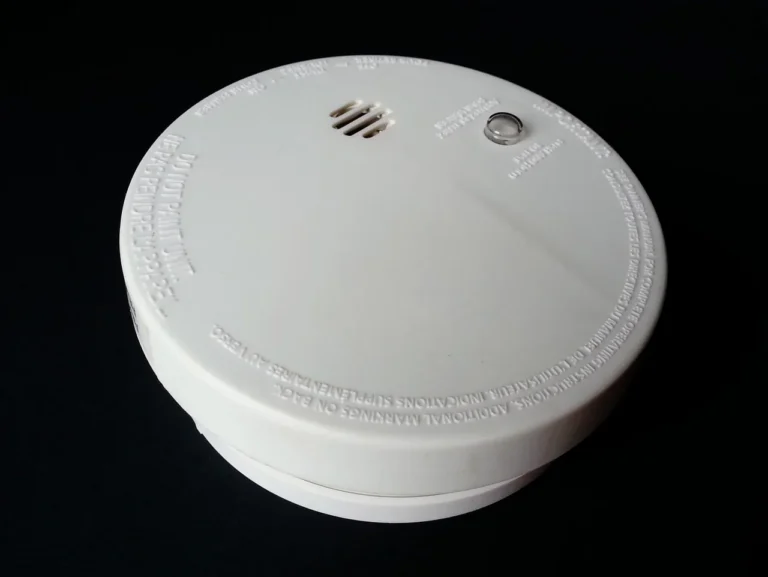
Yes, smart smoke detectors are worth it for many homeowners, but only if you need remote alerts, hearing support, or tighter control over false alarms. If you do not need those features, a good interconnected standard alarm is usually the better buy. Skip the premium and you may avoid slower warnings, extra nuisance alarms, and app features you never touch. This guide explains which features matter, where smart detectors fall short, and which models fit different households.
Verdict


“Worth it” here means the device solves a real household problem, not that it has the longest feature list. If you travel often, live in a larger home, need louder or clearer alerts, or want smoke and carbon monoxide coverage in one unit, the premium can make sense. If you are replacing a simple alarm in a small home with reliable hardwired coverage, skip the app layer and spend less.
Specs at a glance
| Item | What it offers |
|---|---|
| Power | Hardwired with AA battery backup |
| Alerting | App-enabled mobile alerts |
| Detection | Smoke and carbon monoxide |
| Interconnection | Interconnected alarm support across hardwired alarms in the home |
| False-alarm control | Hush false alarms via phone |
| Testing | Enhanced sensing technology and voice alerts |
Who it
Smart smoke detectors fit homeowners who need alerts beyond the walls of the house. That includes frequent travelers, commuters with long workdays, and people who want phone warnings if a detector sounds while they are away. They also help in homes where a loud alarm is not enough on its own.
They are also useful for households with hearing limits, sleeping children, older adults, or rooms spread across multiple floors. Voice alerts can name a room or zone, which can help children and other occupants react faster than with a single generic siren.
A common first-timer mistake is buying app alerts first and fixing the wrong problem. If the issue is a hallway alarm that keeps going off during cooking, placement or detector type may matter more than Wi-Fi.
Decision matrix
| Criterion | Score | Why it matters |
|---|---|---|
| Away-from-home alerts | 5/5 | Strong fit if you want fire warnings when you are out of the house |
| False-alarm control | 4/5 | App silencing and better sensing help, but they do not fix bad placement |
| CO coverage | 4/5 | Worth extra when you want smoke and carbon monoxide in one unit |
| Whole-home interoperability | 4/5 | Strong when it links with your existing ecosystem or hardwired alarms |
| Power backup | 4/5 | Backup matters because Wi-Fi and house power can fail |
| Installation complexity | 2/5 | More setup than a basic alarm, especially with hardwiring or app pairing |
| Monthly fees | 2/5 | Some models add monitoring or ecosystem costs over time |
| Family usefulness | 5/5 | Voice prompts, phone alerts, and hush controls can help the whole household |
Recommendation band: worth it if away-from-home alerts, hearing support, or nuisance-alarm control solve a real household problem; optional if you mainly want app convenience; skip if your home already has dependable interconnected alarms and you do not need remote features.
Are smart smoke detectors worth it for homeowners?
They are worth it when the premium solves a specific problem: being away from home, needing clearer alerts, managing cooking false alarms, or tying into an existing security or smart-home setup. They are less compelling if you only want basic smoke coverage and already have interconnected alarms that you trust.
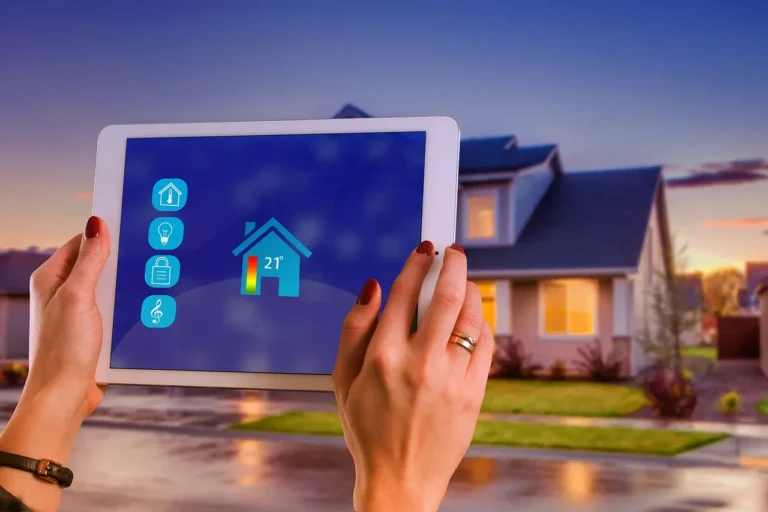
Smart smoke detectors can use Wi-Fi to alert you if there’s a fire in your home, and those alerts can reach you even when you are away from home. That matters most in larger homes, homes with detached garages or basements, and households that spend long stretches away from the property.
What works well
Phone alerts are the main reason to buy one. Low-battery notifications and device malfunction alerts can also reduce the chance that a dead sensor goes unnoticed for months. For busy homeowners, that can be more valuable than another loud alarm in the ceiling.
App-based silencing is another useful feature. If a skillet starts a nuisance alarm, you may be able to hush the device from the phone instead of climbing a chair and reaching the unit. That helps more in kitchens, near bathrooms, and in tall stairwells.
Voice alerts can be more useful than a single beeping tone. When the detector names a room or zone, occupants can move toward the right exit faster. That is especially helpful for children, guests, and anyone who may freeze when an alarm sounds.
What does not?
Smart features do not replace correct detector placement, interconnection, or regular replacement. They also do not guarantee better smoke detection in every situation. A poorly placed alarm that is too close to a kitchen still may nuisance-trip, smart or not.
They also depend on the app, your phone settings, and the home network for remote features. If you want a device that works with no extra setup, a standard interconnected alarm is simpler and often cheaper.
Do smart smoke detectors work when Wi-Fi goes out?
Yes, they still sound locally, but remote alerts and app control often stop when Wi-Fi is down. That is the key limit to understand before you buy. The alarm should still warn people inside the house, but you may lose phone notifications, remote silencing, and app status checks until connectivity returns.
Backup power matters because it protects the device from short power cuts, but battery backup does not restore Wi-Fi. Hardwired units can keep the alarm alive through a home power loss if the battery backup is healthy, while battery-only models avoid wiring issues but still rely on the sensor and battery being in good shape.
Failure cases to plan
- Wi-Fi outage: local sirens should still sound, but no app alert reaches your phone.
- Dead sensor or low battery: look for malfunction alerts and keep replacement on a schedule.
- App dependency: do not buy a model if the phone app is the only reason it fits your home.
- Weak mesh coverage: large homes may need stronger router placement or a different setup.
Suppose a detector goes off in a basement at 2 a.m. while your phone is silent upstairs. If Wi-Fi is down, the household still needs a loud local alarm and working backup power. That is why the smart layer should be a bonus, not the only warning path.
Can they reduce cooking false alarms?
Sometimes, but not always. App-based silencing can help with nuisance alarms from toast, a pan, or a little steam, and some models use sensing logic aimed at reducing nuisance trips. Still, if the detector is in the wrong place, a smart unit can keep reacting to the same cooking plume.
Temporarily disabling the alarm from your phone is useful when you know the smoke is benign and you want to clear the kitchen without climbing for the test button. The downside is obvious: remote silence is convenient, but it should never become a habit if you have not identified the real cause.
Limits of false-alarm control
False-alarm control is strongest when it works with placement, not instead of placement. Keep detectors out of the direct path of stove steam and too-close ceiling corners when you can. If a device still trips often, the room may need a different alarm type, not a smarter app.
Cooking smoke control also varies by model. SimpliSafe’s detector can distinguish cooking smoke from a growing fire, which is useful in homes where kitchen nuisance alarms are common. That feature does not make it a pass for bad placement, but it can reduce unnecessary panic.
Product picks and fit
Google Nest Protect
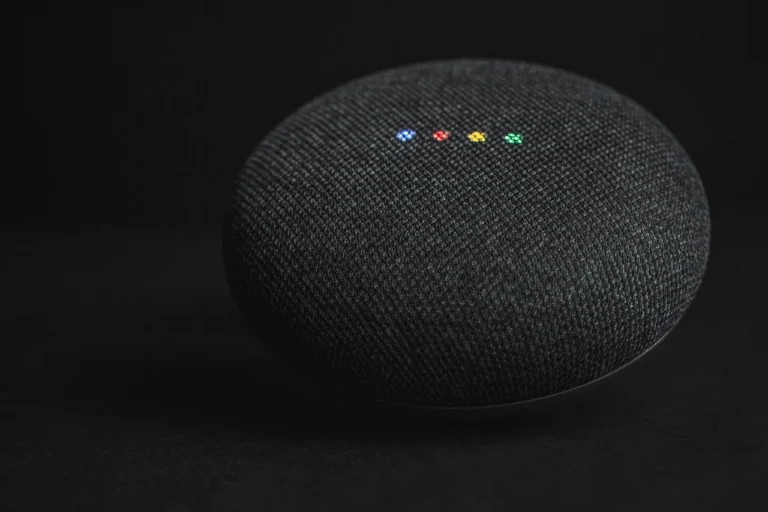
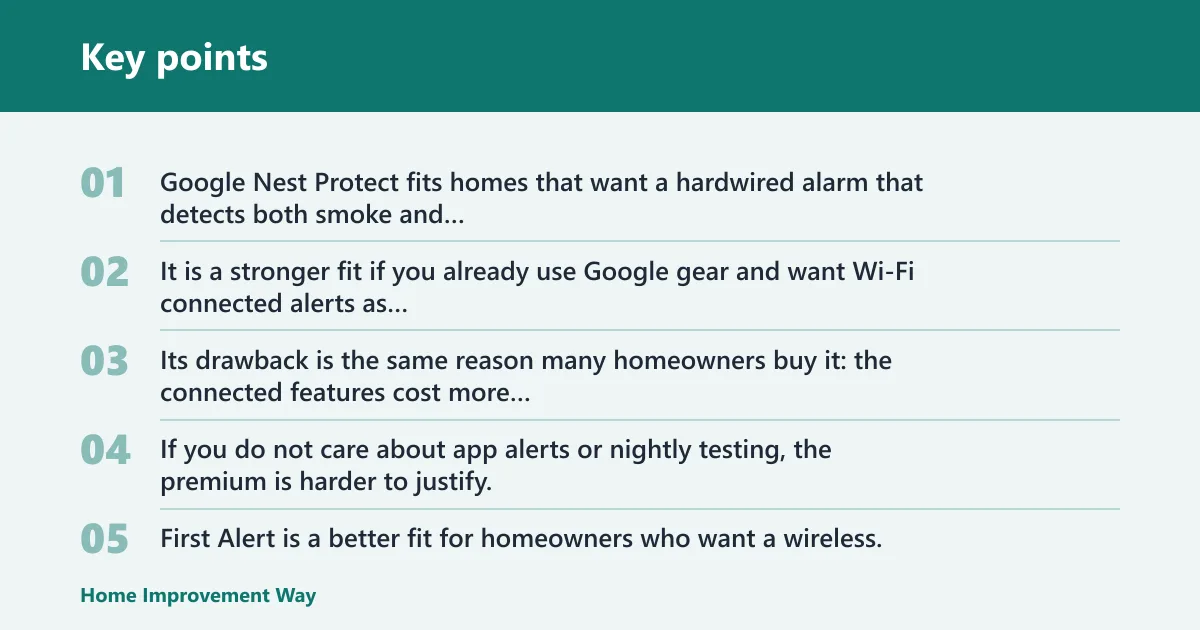
Google Nest Protect fits homes that want a hardwired alarm that detects both smoke and carbon monoxide, sends alerts straight to your phone, and performs nightly sensor testing. It is a stronger fit if you already use Google gear and want Wi-Fi connected alerts as part of one system.
Its drawback is the same reason many homeowners buy it: the connected features cost more than a standard alarm, and the setup is more involved than a basic replacement. If you do not care about app alerts or nightly testing, the premium is harder to justify.
First Alert smoke and carbon monoxide alarm
First Alert is a better fit for homeowners who want a wireless, Z-Wave compatible alarm that works with Ring Alarm Security System and sends mobile device warnings. It covers smoke and carbon monoxide, so it suits homes that already use Ring and want one more device inside that ecosystem.
The drawback is ecosystem lock-in. If you are not already on Ring or Z-Wave, the value drops fast, because you may be paying for compatibility you never use.
Kidde smart home safety alarm
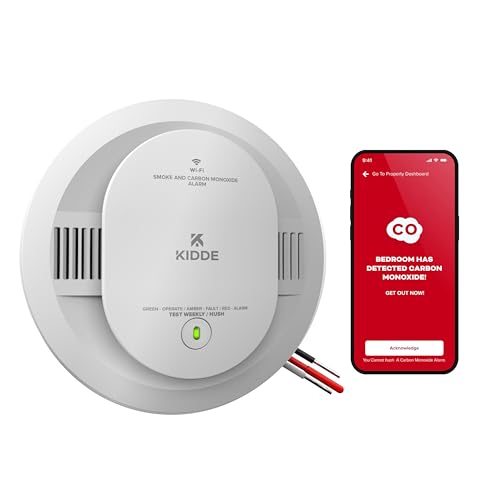
Kidde’s smart home safety alarm fits homeowners who want hardwired, UL Listed, all-in-one smoke and carbon monoxide protection with indoor air quality monitoring and a 10-year battery backup. It is the most practical choice when reliability and whole-home coverage matter more than app novelty.
The trade-off is installation complexity. Hardwired units are less casual to add, and the smart features still add app dependency that some homeowners will never use.
X-Sense Wi-Fi smart smoke detector XS01-WX
X-Sense XS01-WX is a good match for households that want Wi-Fi, real-time notifications, and shared app access for up to 12 users. That makes it useful for families, vacation homes, or properties where more than one adult needs the same alert.
Its drawback is that app-based monitoring works best when the Wi-Fi is stable and everyone is willing to keep the app installed. If you want a simpler single-device path, this may feel like more setup than you need.
SimpliSafe smoke & carbon monoxide detector
SimpliSafe fits homeowners who already use the SimpliSafe app and want a detector that distinguishes cooking smoke from a growing fire, with 24/7 professional monitoring and optional emergency personnel response. It is the strongest fit for people who want smoke alarms tied directly to security monitoring.
The drawback is subscription dependence. If you do not want ongoing monitoring fees, the value changes quickly, and the device becomes less attractive than a plain interconnected alarm.
Should you buy one?
Worth it: buy one if you travel often, live in a larger home, need better alerts for hearing or mobility needs, or want smoke and carbon monoxide coverage with app control. Also buy if a specific ecosystem fit matters, such as Nest, Ring, SimpliSafe, or a shared-app setup for multiple adults.
Optional: buy one if you like the convenience of phone alerts and hush controls, but your current alarms already cover the home well. In that case, the upgrade is about convenience and family fit, not basic protection.
Skip: skip smart smoke detectors if your home is small, your current interconnected alarms work reliably, and you do not need remote alerts, monitoring, or app-based silencing. A standard alarm system may be the cheaper, simpler answer.
For renters, the best choice is often a battery-powered or no-rewire option that does not require landlord approval. For older adults, choose the clearest voice alerts and the simplest app or no-app setup. For large homes with weak Wi-Fi, favor a model with strong local warning and backup power over one that leans on cloud features.
Frequently asked questions
Can smart smoke detectors send alerts when I’m away from home?
Yes. Wi-Fi-connected smart smoke detectors can send alerts when you are away from home, which is one of their main advantages over standard alarms. That feature is most useful for travelers, long commutes, and second homes where nobody is present to hear the alarm.
Are smart smoke detectors better than regular smoke alarms?
Not automatically. They are better only when their extra features solve a household problem such as remote warnings, voice alerts, or app silencing. A regular interconnected alarm is still a strong choice when you want dependable local warning without subscriptions, app setup, or ecosystem lock-in.
How much do smart smoke detectors cost?
They typically cost more than regular smoke alarms. The bigger issue is lifetime cost, which can include replacement batteries, app or hub dependencies, and possible monitoring fees. A device that looks affordable up front can become more expensive than a standard alarm over several years.
Do smart smoke detectors detect carbon monoxide too?
Some do, and some do not. If your home has fuel-burning appliances, an attached garage, or any carbon monoxide concern, a combo unit is often the better buy. If you already have separate CO protection, a smoke-only smart alarm may be enough.
Sponsored / affiliate links. As an Amazon Associate I earn from qualifying purchases. I may earn additional commission from eligible campaigns.
 SITERLINK Smoke Detectors 10 Year Battery Operated,UL217-9th Listed Smoke Alarm with Test-Silence Button,Photoelectric Sensor Fire Alarms Smoke Detectors with LED Lights for Home, GS525A (6 Pack)
 POWAW Smart Air Purifier for Pet House Upgrade, Eliminator with Infrared Protection, 4 Modes, Air Ionizer, Indoor Pet Care Solution, White