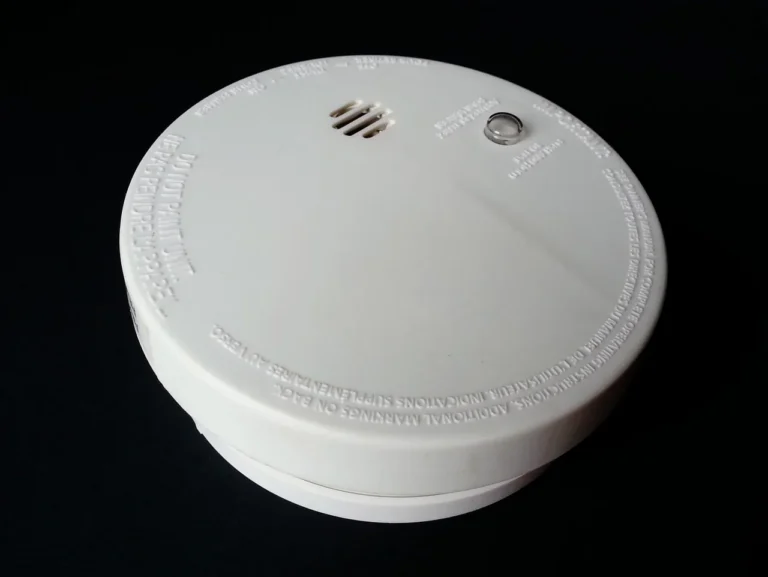
Are Combination Smoke and Carbon Monoxide Detectors Worth It?
Yes. Combination smoke and carbon monoxide detectors make sense if you want one device to cover both hazards in the same spot, simpler setup, and fewer alarms to track. Separate alarms are better when you want smoke and CO on different placement plans and replacement schedules. Bad placement or skipped maintenance can leave you with no warning when it matters most. This guide explains when one combo alarm fits, when separate units are the better call, and what to check before you buy.
Verdict

A combo alarm is a convenience-first choice, not a full substitute for every smoke and CO device in a home. You still need alarms on every level and outside sleeping areas, and you may need extra units where code or the manufacturer requires them. The best value comes when one unit can protect one location well, with the right mounting, the right power source, and the right interconnect plan.
Specs at a glance
| Feature | What to look for | Why it matters |
|---|---|---|
| Smoke sensing | Photoelectric smoke sensor | Common in combo alarms and often favored in consumer guidance for smoldering fires |
| CO sensing | Electrochemical carbon monoxide sensor | Standard method for detecting odorless carbon monoxide gas |
| Power options | Battery, sealed 10-year battery, or hardwired | Lets you match the alarm to a retrofit, rental, or wired home |
| Backup power | Battery backup on hardwired models | Helps the alarm keep working during an outage |
| Voice alerts | Available on some models | Announces fire or carbon monoxide instead of only sounding a generic beep |
| Interconnect | Wired or wireless on compatible models | Lets alarms sound together across rooms, which matters in larger homes |
| Standards | UL 217 10th Edition plus the correct CO listing standard | Use both as purchase and compliance checks for combo units |
First Alert says its combo alarms provide 2-in-1 protection from both dangers, and it offers battery operated, hardwired, and 10-year sealed battery models. Kidde also offers combo alarms in battery powered and hardwired versions, plus a wire-free interconnect model and a 10-year battery option. Those features matter more than brand slogans do.
Smoke and CO matrix table
| Scenario | Recommended setup | Why a combo works or does not work | Maintenance burden | Caveat about placement or interconnect |
|---|---|---|---|---|
| New construction | Hardwired combo alarms with battery backup and interconnect | Works well because wiring is already available and whole-home sound is easier to plan | Moderate; wiring checks and periodic testing still matter | Place alarms per code and manufacturer instructions, not as one unit for the whole home |
| Retrofit with hardwiring | Hardwired combo alarms if existing wiring can support them | Good fit when you want one unit to replace two devices with minimal wall or ceiling changes | Moderate; more involved install now, less battery swapping later if battery backup is used | Confirm compatibility with existing interconnect wiring before you buy |
| Rental apartment | Battery or 10-year sealed battery combo alarms, if allowed by the lease and local rules | Works when you need fast installation and limited landlord-approved changes | Low to moderate; sealed models reduce routine battery swaps | Do not assume one hallway alarm is enough for every room or floor |
| Multi-story family home | Interconnected combo alarms, often hardwired or wireless | Works well because alarms can sound together and warn across levels faster | Moderate; more devices to test, but fewer separate smoke and CO units to manage | Interconnect is helpful, but you still need correct placement on each level and outside sleeping areas |
| Elderly-in-place home | Combo alarms with voice alerts and sealed 10-year battery or hardwired backup | Works well when simpler upkeep and clearer alerts matter more than separate devices | Low to moderate, depending on power source | Voice alerts help, but placement must still avoid dead zones and follow manufacturer guidance |
Who it
A combo alarm is best for homeowners who want one device per location without giving up smoke and CO protection. It is also a practical pick for buyers replacing older alarms with minimal wiring changes, especially when a battery or sealed-battery model fits the space.
Households that value voice alerts, faster whole-home sound, and fewer devices to track are the strongest match. Picture a two-story home with bedrooms upstairs and a basement utility room below; an interconnected combo setup can simplify coverage if you still place alarms where they belong, not just where installation is easiest.
Another good fit is a landlord-approved retrofit where opening walls is off the table. A 10-year sealed battery combo model can reduce routine maintenance while still giving one unit both smoke and CO sensing.
What works
Two-in-one protection is the clear advantage. A combination smoke and carbon monoxide alarm uses a photoelectric smoke sensor and an electrochemical carbon monoxide sensor in one unit, so you get dual protection from a single ceiling- or wall-mounted device.
Simpler installation is another plus. Fewer boxes on the ceiling means less drilling, less wiring in some homes, and less clutter in hallways and bedrooms. Kidde and First Alert both offer battery-powered and hardwired choices, so you can match the alarm to the room instead of forcing one power style everywhere.
Voice alerts are genuinely useful in a noisy house. First Alert says voice alerts identify the type and location of danger, and Kidde lists voice alerts on a 10-year battery combo model. That matters when a generic chirp would leave you guessing whether the problem is smoke or carbon monoxide.
Interconnect support helps larger homes. If one alarm senses danger, interconnected alarms can sound together across rooms. That is especially useful on multiple floors, where a bedroom alarm should be heard in a basement or across the house. First Alert says some battery-operated combo alarms can be interconnected, and Kidde sells a wire-free interconnect combo alarm.
Suppose your home has a main floor hallway, upstairs bedrooms, and a finished basement. A combo alarm can be a sensible choice if each level still gets its own device and the units are placed by the manufacturer’s instructions. The convenience comes from fewer devices, not from replacing good placement.
What does not?
The biggest drawback is failure concentration. If one combo alarm fails at a location, you lose both smoke and CO protection there at once. Separate devices spread that risk out, which can matter in homes where smoke and CO hazards are not equally likely in every room.
A combo alarm is also not ideal in every room. Kitchens, attached garages, utility areas, and rooms near fuel-burning appliances can create placement tradeoffs. Manufacturers often caution against placing a CO alarm too close to fuel-burning equipment, so “near the source” is not the same thing as “right next to it.”
Maintenance can be easier, but it is not free of tradeoffs. Sealed 10-year battery alarms remove yearly battery swaps, yet they still need end-of-life replacement as a whole unit, and fault or end-of-life chirps can still happen. A hardwired combo alarm also needs battery backup checks and testing.
There is also a long-term cost question. The sticker price may be only one part of the bill; wiring labor, replacement cadence, and the number of devices in the house all affect the real total. A cheaper single unit can cost more over time if it is hard to install or hard to maintain.
Another common first-timer mistake is assuming one hallway combo alarm covers the whole home. It does not. It can be part of the plan, but alarms still need to be placed where smoke and CO warning is actually useful: on every level, outside sleeping areas, and in any other location required by code or the manufacturer.
Alternatives

Google Nest Protect Wired is the better choice if you want a wired smart alarm with phone alerts and spoken location cues. Based on the published product details, it adds more connected-home features than a basic combo unit, but that also makes it far more expensive at $549.99, and it still depends on compatible wiring and app support.
Separate smoke alarms and CO alarms are the more conservative option when you want each hazard covered on its own schedule and you want to replace or upgrade one function without touching the other. This approach usually costs less up front for basic units, but it adds more devices to install, test, and replace.
Hardwired interconnected smoke alarms with separate CO units make sense in homes that already have smoke interconnect wiring and want the strongest separation of functions. That setup can be better in larger homes, but it is more complex to plan and maintain than a single combo alarm at each location.
Battery-only separate alarms are a practical fallback for rentals or light retrofits where you cannot open walls or change wiring. They are simple to place, but you will manage two device types and more batteries, which is exactly where a sealed-battery combo can save time.
Should you buy it?
Buy a combo alarm if convenience is the main goal and your home layout makes one unit per location a good fit. That usually means you want faster installation, fewer devices to manage, and features like voice alerts, sealed batteries, or interconnect support without buying separate smoke and CO units everywhere.
Skip it if you need the strongest functional separation, if placement is awkward near kitchens or fuel-burning appliances, or if your home already has a separate smoke and CO layout that works. The deciding question is not whether combo alarms are good. It is whether one device makes sense for each spot in your home.
Before you choose, check three things: placement, interconnect compatibility, and replacement schedule. If any one of those is awkward, separate alarms may fit better even when a combo model looks simpler on paper.
Frequently asked questions
Are combination smoke and carbon monoxide detectors worth it?
Yes, if you want fewer devices, simpler installation, and faster whole-home warning within a room or zone. They are especially worth it in homes that benefit from voice alerts, sealed batteries, or interconnect support. They are less attractive when you want smoke and CO coverage to stay separate.
Should I buy a combo smoke and CO alarm or two separate detectors?
Choose a combo alarm when convenience, space, and easier installation matter most. Choose separate detectors when you want independent placement, independent replacement cycles, or a more conservative layout near kitchens, garages, and fuel-burning appliances. The best option depends on the room, not just the product price.
Do combination smoke and carbon monoxide detectors meet safety standards?
They should. For smoke, look for UL 217 10th Edition. For carbon monoxide, make sure the unit also carries the appropriate CO listing standard. A combo alarm needs both checks, because smoke compliance alone does not make it a complete dual-hazard product.
Where should I install a combo smoke and CO detector?
Install it where a smoke alarm and CO alarm would normally be needed, not as a single central fix for the whole house. That usually means on every level and outside sleeping areas, with placement adjusted for the room and the manufacturer’s instructions. Avoid assuming one hallway unit does everything.
Do combo detectors need hardwiring or can they be battery powered?
They can be either. Manufacturers offer battery-powered, 10-year sealed battery, and hardwired combo alarms, and some hardwired models include battery backup. Battery units are easier to install, while hardwired units can fit better in homes that already have compatible wiring or interconnect systems.
Will a combo alarm reduce nuisance alarms from cooking?
It may help if the model uses a photoelectric smoke sensor and is placed correctly, because that sensor type is commonly associated with smoldering fires rather than fast bursts of cooking smoke. But placement still matters more than marketing. A badly placed alarm can still nuisance-trip in a kitchen-adjacent space.
Sponsored / affiliate links. As an Amazon Associate I earn from qualifying purchases. I may earn additional commission from eligible campaigns.
 SITERLINK Smoke Detectors 10 Year Battery Operated,UL217-9th Listed Smoke Alarm with Test-Silence Button,Photoelectric Sensor Fire Alarms Smoke Detectors with LED Lights for Home, GS525A (6 Pack)
 POWAW Smart Air Purifier for Pet House Upgrade, Eliminator with Infrared Protection, 4 Modes, Air Ionizer, Indoor Pet Care Solution, White