Best Smart Air Purifiers for Rooms: We Compared
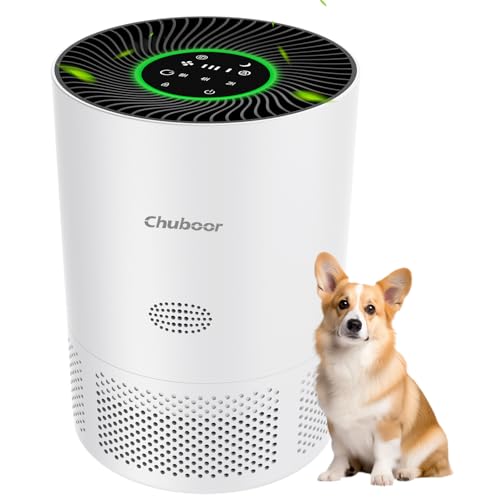
For room-by-room control, smart air purifiers work best when each closed room gets its own matched unit, with a CADR that fits the room’s square footage and automation for schedules, fan changes, and air-quality triggers. Pick the wrong size, and one room stays underfiltered while another wastes power. This guide compares smart purifiers by room size, app control, sensor features, ownership cost, and zoning strategy, using EPA and AHAM guidance on clean-air delivery and room sizing.
Quick comparison
| Product | Badge | Best for | Price | ||
|---|---|---|---|---|---|
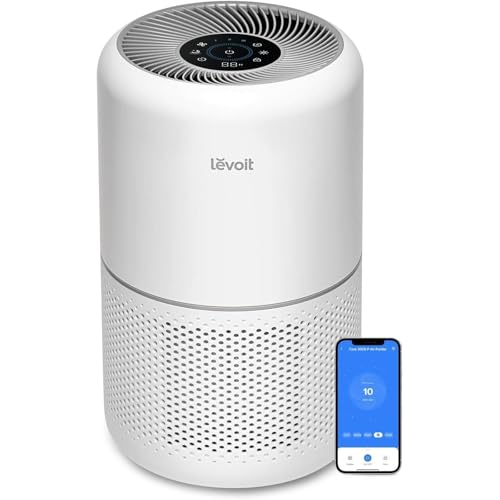 |
LEVOIT Air Purifiers for Home Pets BedroomLevoit | Our pick | Smart WiFi · HEPA · White | $149.99
Price as of 10 Nov 2026
|
View |
 |
GoveeLife Air Purifier for Home Large RoomGoveeLife | Budget pick | Smart app · PM2.5 · RGB | $87.99
Price as of 10 Nov 2026
|
View |
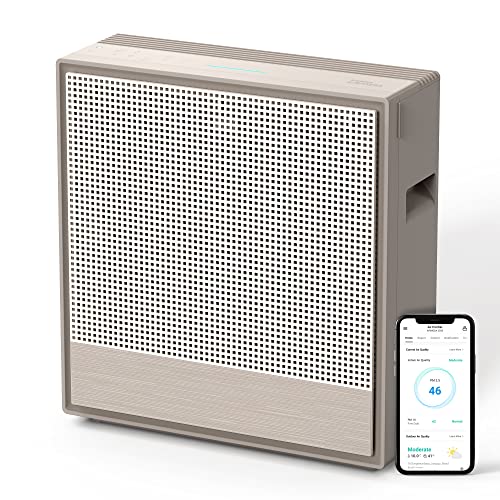 |
COWAY Air Purifiers for Home Large Room Up to 1,860 ft²Coway | Upgrade pick | WiFi app · HEPA · Large room | $449.00
Price as of 10 Nov 2026
|
View |
 |
Dyson Purifier Big+Quiet Formaldehyde BP03Dyson | Also great | Big+Quiet · HEPA H13 · Formaldehyde | $899.99
Price as of 10 Nov 2026
|
View |
Use the comparison below as a zoning tool, not a brand ranking. The right choice depends on which room gets used, how often odors or allergies show up there, and whether you want one portable unit or multiple smaller units with separate schedules.
For room-by-room control, a bedroom usually needs quiet HEPA-first cleaning. A kitchen needs carbon filtration first, then particle capture. Apartments often do better with compact units and app control, because coverage can move from room to room without much effort.
How we chose
Buyer checklist: Start with the closed-room square footage, then check CADR, noise, filter stack, app ecosystem, filter replacement interval, and annual filter cost. AHAM’s room-sizing guidance is based on CADR, while EPA notes HEPA is a particle standard and carbon is needed for many odors and VOCs. Manufacturer “up to” coverage is often optimistic for room-by-room control because it assumes ideal airflow, open layouts, and lighter cleaning demand.
Next came filtration type. HEPA matters for dust, pollen, and fine particles; activated charcoal or carbon matters for odors, smoke, and VOCs. EPA guidance is the neutral baseline here: HEPA-style filters target particles, while carbon media is the common add-on for gases and odors.
Then came control depth. Smart app control, schedules, air-quality sensors, alerts, and ecosystem support matter most when you want different rooms to behave differently. If a purifier only works as a manual tower, it is not a strong zoning tool.
Finally, ownership cost. Filter replacement interval, portability, and whether you need one unit or several change the real cost more than the sticker price alone. Annual filter cost is the best way to compare setups, not just sticker price.
Room control matrix
This matrix is the main buying tool for room-by-room control. Published coverage is included as a “closed-room” use case, not a whole-home promise, and the better strategy may be two smaller units if one larger unit would be stretched across multiple doors or zones.
| Room type | Recommended filter type | Ideal square-foot range | Noise priority | Automation need | Single unit or multiple units |
|---|---|---|---|---|---|
| Bedroom | HEPA first; carbon only if odors are present | Up to a few hundred square feet | Very high | Medium; sleep timer and auto mode help | Single unit for a closed room |
| Kitchen | Carbon plus HEPA | Small to medium closed kitchen | Medium | High; odor-triggered auto mode is useful | Single unit near the source, or multiple if open to living space |
| Living room | HEPA with carbon if pets, smoke, or cooking odors spread there | Medium to large, based on room separation | Medium | High; app scheduling and sensor-based fan changes help | Single unit for one closed zone; multiple units for open layouts |
| Nursery | HEPA first; carbon only if odor control is needed | Small to medium | Very high | Medium; quiet auto mode is more important than remote tweaks | Single unit |
| Apartment main area | HEPA with carbon if odors travel between rooms | Small rooms and short hallways | Medium | High; app control, schedules, and reminders matter | Multiple portable units often work better |
| Home office | HEPA, plus carbon if printer or pet odors matter | Small to medium | Low to medium | Medium; live readings are useful during work hours | Single portable unit |
Levoit Core300S-P: best for bedrooms
This is the best fit if you want a bedroom purifier with app control, voice support, and a sleep-friendly profile. Based on the published product details, it pairs HEPA filtration with Auto Mode and Sleep Mode, and it supports Alexa and Google Assistant for simple room-based routines. Levoit’s own product pages and app listings are the best source for current compatibility specifics.
The main draw is control without complexity. You can set schedules, respond to changing air conditions, and use it as a compact bedroom unit rather than a whole-home answer.
The tradeoff is room scope. It is a better fit for one closed room than for a large open-plan area, so it should not be treated as a substitute for separate coverage in a second room.
GoveeLife smart purifier: best for budget zoning
This is a strong pick for buyers who want a lower-cost smart purifier for a small room, apartment, or office. The published details point to app control, PM2.5-based Auto Mode, Alexa and Google Assistant voice control, and Sleep Mode, which makes it easy to run separate zones without a large upfront cost. Check GoveeLife’s app page for current routine support and alert behavior.
Its biggest strength is flexibility for multiple rooms on a budget. A compact, portable unit is easier to move between a bedroom and a home office than a larger tower built for one spot.
The drawback is that budget-friendly smart units often ask you to accept fewer premium ownership features. That can mean less confidence in long-term app polish, fewer advanced controls, or a shorter comfort margin in bigger rooms.
Coway Airmega 250S: best for larger rooms
This model fits buyers who need smart control in a larger closed room and want app scheduling plus notifications. The published product details also point to a washable pre-filter, HEPA filtration, and an air quality indicator that can support automatic adjustment. Coway’s own spec page should be the first stop for current room-size, sensor, and app compatibility details.
That mix matters in rooms where dust and pet dander build up faster. A washable pre-filter can help with coarse debris before the HEPA stage handles finer particles.
The drawback is cost. At $449.00, it sits well above budget picks, so it makes the most sense when a larger room or more demanding use case justifies the price.
This is the premium option for buyers who want a large-space purifier with app control and HEPA H13 filtration. The published details say it is controlled through the MyDyson app and designed for large spaces, which makes it a candidate for users who want more formal automation and a cleaner visual profile. Dyson’s product page is the best source for current app and sensor behavior claims.
Its advantage is breadth of use in a sizable room and a higher-end control experience. If you want one premium unit to anchor a larger zone, this sits at the top end of the list.
The drawback is obvious: $899.99 is a steep buy-in for room-by-room control, and it can be more purifier than many apartments need.
Can one purifier control different rooms separately?
One smart purifier can be scheduled differently over time, but it generally cannot clean separate rooms at the same moment unless air can move freely between them. App control helps with timing, fan changes, and reminders, yet separate rooms usually need separate coverage or at least separate portable units rotated by schedule.
What smart scheduling can do
Smart scheduling can turn one unit on before bedtime, run a higher fan setting during cooking, and drop to a quieter mode overnight. That is useful when a room changes by time of day, and it is one reason app control matters more than a basic manual switch.
Where one unit falls short
A purifier in a bedroom does not solve a closed office with the door shut, and a kitchen unit will not fully handle a separate upstairs nursery. If airflow does not connect the spaces, the purifier should not be expected to act like a whole-home system.
When two smaller units work better
Two smaller units often make more sense when you want different settings in a bedroom and a living room, or when one room needs stronger odor control than another. That approach can be cheaper than one oversized model that spends most of its time underused.
Bedroom: best for sleep
Bedrooms need low noise first, because a purifier that cleans well but keeps waking you up is the wrong fit. HEPA-first filtration is usually the right starting point here, and a quiet sleep mode with dimmed indicators matters more than flashy app extras.
What to look for in auto mode
Air quality sensors are useful in a bedroom when they respond to particulates and adjust fan speed without constant manual changes. Live readings or clear color indicators help you tell whether the unit is idling quietly or working harder after a dusty day.
Why HEPA usually comes first here
Bedrooms usually deal more with dust, pollen, and fine particles than smoke or cooking odors. HEPA filters are the recognized standard for particle capture, and EPA guidance is clear that gas and odor control generally requires carbon media in addition to particle filtration.
Say your bedroom is 160 square feet and you keep the door closed at night. A compact smart purifier with sleep mode and HEPA filtration is the better fit than a larger open-room unit, because quiet operation and room match matter more than raw size. If the maker’s “up to” room claim assumes an open floor plan, treat it as optimistic for a shut bedroom with the door closed.
Kitchen and odors: best for smoke and VOCs

Kitchens need odor control first, and that is where activated charcoal or carbon filters matter most. For smoky or smelly rooms, look for carbon plus HEPA filtration, because the carbon layer targets odors and some VOCs while the particulate filter handles fine airborne particles. EPA guidance is the safest baseline here: carbon helps with gases and odors, but it is not a universal cure.
Why carbon matters most here
Cooking smells, grease-related odors, and some VOCs are not solved by particulate filtration alone. Carbon adds adsorption alongside particle capture, which is why a HEPA-only purifier can fall short in a kitchen even if it handles dust well.
Why particulate filtration still matters
Cooking can also throw fine particles into the air. A purifier that only chases odor can miss that side of the problem, so the better answer is usually carbon plus HEPA rather than carbon alone.
When portability helps
Portable air purifier form factors matter in kitchens because the source of odor changes. A compact tower or desktop unit can move between the stove area, a dining nook, and a nearby living space faster than a fixed setup.
Suppose your apartment has an open kitchen-living area and dinner smoke lingers after searing food. A carbon plus HEPA purifier placed near the cooking zone can reduce the smell more effectively than a quiet bedroom-focused unit placed across the room.
Apartment: best for small-space zoning
Apartments usually reward compact units, smart app control, and a multi-room strategy more than one oversized purifier. Portable units are easier to move between a bedroom, living area, and office nook, and app scheduling lets you treat each area as its own zone. That is where smart-home routines actually earn their keep.
Why compact form factors matter
Compact purifiers are emphasized for small spaces like dorm rooms, and the same logic applies to many apartments. They fit better in tight layouts, are easier to relocate, and can make more sense financially when you need coverage in more than one room.
What smart-home compatibility to check
Check for Alexa routines, Google Home routines, and app-triggered smart-home automation before buying if you want room-by-room control. Alexa compatibility and Google Home compatibility are the most common ecosystem hooks; Apple HomeKit support is less common and should be verified explicitly if you need it. Manufacturer app pages are the right place to confirm what the purifier can actually trigger.
Shared apartments often need separate fan schedules because one roommate may want quieter sleep while another wants stronger daytime cleaning. A purifier with room-based control is more useful than one that only offers a single on-off routine.
Which one should you buy?
Buy for the room first, then for the app. If you want the best all-around bedroom pick, start with the Levoit Core300S-P. If budget matters most and you need flexible zoning, the GoveeLife unit is the easiest entry point.
Choose by room size
For a small closed room, a compact portable unit is usually enough. For a larger room, the Coway or Dyson choices make more sense, but only if the room is actually closed off enough to benefit from the extra coverage. When manufacturer coverage is listed as “up to,” treat that as the optimistic ceiling, not the real-world target for a shut room.
Choose by allergy or odor priority
If dust, pollen, and pet dander are the main issue, HEPA is the priority. If smoke, cooking smells, or pet odors are the problem, choose carbon plus HEPA and place the unit where the source is most active.
Choose by budget and replacement cost
The purchase price is only part of ownership cost. Filter replacement interval, reminders from the app or indicator lights, and how many rooms you want to cover all affect what you pay over time.
Choose by ecosystem support
If the house already uses Alexa, Google Home, or HomeKit routines, pick a purifier that fits that setup. If not, do not pay extra for platform support you will not use. Apple HomeKit is uncommon in this category, so verify support rather than assuming it.
Frequently asked questions
What is the best smart air purifier for room-by-room control?
The best smart air purifier for room-by-room control is the one that matches a specific room’s size, noise needs, and air-quality problem. For most bedrooms, a quiet HEPA-first unit with app scheduling works best. For odor-heavy rooms, choose carbon plus HEPA and treat the purifier as a zone-specific tool.
Can one air purifier control different rooms separately?
No single purifier can clean two closed rooms separately at the same time. Smart app control can change schedules, fan speed, and alerts, but separate rooms usually need separate units or at least a deliberate rotation plan. Open layouts are the only case where one unit may influence more than one zone.
Which smart air purifier works best for apartments with multiple rooms?
For apartments with multiple rooms, compact portable purifiers usually work best because they are easier to move and cheaper to duplicate. Look for app control, auto mode, and clear filter reminders. Google Home or Apple HomeKit support helps only if it fits your existing routines.
Do smart air purifiers need HEPA and carbon filters?
Not always, but many do better with both. HEPA is the priority for dust, pollen, and fine particles, and carbon helps with smoke and odors. For smoky or smelly rooms, carbon plus HEPA is the better match; for a quiet bedroom, HEPA alone may be enough.
How many square feet should a smart air purifier cover?
It should cover the size of the room you actually plan to close off, not the whole floor plan. Coverage should be matched to room size to avoid over- or under-buying. Small rooms can use compact purifiers, while a few hundred square feet usually calls for a larger-capacity unit. AHAM’s clean-air guidance is based on CADR, so a published square-foot number is only useful if the room and fan setting are realistic.
Can I control an air purifier from my phone or smart home app?
Yes, many smart air purifiers support phone control, schedules, status alerts, and sometimes voice commands. That makes them useful for room-by-room routines, especially when you want different rooms to run on different schedules. Check for ecosystem compatibility before buying if you rely on Google Home or Apple HomeKit.
Sources
EPA: Air Cleaners and Air Filters in the Home; AHAM clean air delivery rate and room-size guidance; manufacturer spec pages for Levoit, GoveeLife, Coway, and Dyson referenced above for published room coverage, noise, filter intervals, app features, and ecosystem compatibility.
Sponsored / affiliate links. As an Amazon Associate I earn from qualifying purchases. I may earn additional commission from eligible campaigns.