
Best Detector Types for Attached Garages (2026): Research Shows
For an attached garage, the best choice is usually a fixed-temperature or rate-of-rise heat detector in the garage rather than a smoke alarm; place smoke alarms in adjoining rooms, and add CO alarms if the garage shares air with fuel-burning equipment. A hallway-style smoke alarm in the garage can false alarm from exhaust, miss an overheating event, or fail early in extreme heat or cold. This guide explains which detector belongs where, how temperature affects performance, and how to link alarms to the home without false trips.
Quick comparison
| Product | Badge | Best for | Price | ||
|---|---|---|---|---|---|
 |
First Alert BRK Hardwired Heat Alarm with Battery Backup,First Alert | Our pick | Hardwired · Battery backup · Heat alarm | $29.79
Price as of 28 Oct 2026
|
View |
 |
Siterlink Hardwired Interconnected Smokesiterlink | Also great | $148.37
Price as of 28 Oct 2026
|
View |
Use the comparison table to match the detector to the hazard, not to copy the alarm in the hallway. In attached garages, the right choice changes with vehicle exhaust, workshop dust, fuel-burning appliances, and cold weather.
📊 EPA Indoor AirPlus says attached garages may need an exhaust fan with at least 70 cfm. Source: PNNL.
How we chose
The comparison below is based on manufacturer specs, listing details, published buyer feedback, and installation notes tied to local code context. The goal is simple: separate garage fire detection from home smoke detection, then add carbon monoxide protection where the layout makes sense.
Also check whether each product fits the environment it is meant for, because a garage can be hot, cold, dusty, or full of exhaust. Where a listing did not give enough detail, verify the manufacturer’s manual before buying.
For attached garages, two details matter as much as the detector itself: the temperature range it is listed for, and whether it can be interconnected with other alarms in the home. If either piece is missing, the device may be the wrong fit even if the price looks good.
First Alert heat alarm: best for attached garages
This is the clearest match for most attached garages because it is a hardwired heat alarm with battery backup, not a smoke alarm. It is meant for areas where smoke alarms are a poor fit, and the rate-of-rise sensing is useful when heat changes faster than smoke builds.
That makes it the better garage choice for cars-only spaces, many workshops, and other rooms where dust or exhaust would make a smoke alarm nuisance-prone. A garage heat detector can also be tied into the home’s alarm layout when the device listing and local rules allow it, which helps the whole house respond to one alarm event.
The drawback is plain: it does not replace smoke alarms in living areas, and it does not solve every garage hazard. If your garage also has a furnace, a water heater, or a strong exhaust problem, you may still need carbon monoxide detection and ventilation in addition to heat detection.
Siterlink smoke detector: best for living areas
This six-pack is better understood as a house smoke alarm set, not a garage detector. It fits the normal smoke-alarm role in hallways, bedrooms, and other living spaces where photoelectric smoke detection makes sense and where garage fumes are not the daily environment.
For attached homes, that is still useful because smoke alarms in the house should be part of the same life-safety layout as the garage detector. When one device sounds, the others should follow only if the listing, the wiring, or the wireless system is designed for interconnection.
The drawback is that this is not the right substitute for a garage heat detector. A smoke alarm in the garage can nuisance-alarm from ordinary exhaust, dust, or temperature swings, and local rules may not treat it as the correct device for that location.
What kind of detector should go in an attached garage?
For most attached garages, the first choice is a heat detector, not a smoke alarm. The reason is the hazard profile: garages collect vehicle exhaust, dust, solvent vapors, and fast heat rise from a fire, while the living area next to it usually needs smoke alarms instead.
That separation matters because an attached garage can send smoke, fumes, and carbon monoxide into the home through shared walls, ceilings, doors, and penetrations. Choose the garage device for the garage itself, then link it into the home only when the device listing and local code support it.
A common first-timer mistake is to copy the hallway alarm into the garage because it seems simpler. Picture a 2-car attached garage in January: a smoke alarm near the overhead door may nuisance-alarm from exhaust on a cold morning, while a listed heat detector is less likely to react to normal garage air.
Do I need a smoke detector in my attached garage?
Usually, no. A smoke alarm belongs in the house, where it can warn people in sleeping rooms and hallways, but it is not the best detector for the garage hazard profile. Smoke alarms also are not interchangeable with a heat detector for garage use.
That does not mean a garage is ignored. It means the garage itself often needs a different device, while the nearby living spaces keep their smoke alarms. If your local rules call for a specific garage device, follow that rule and the manufacturer’s installation instructions together.
Suppose a garage has a workbench, a table saw, and solvent cans. A smoke alarm there may react to dust or normal garage air long before it provides useful fire warning, which is why garage detection and house smoke detection should be treated as separate jobs.
Should I use a heat detector or carbon monoxide detector in a garage?
Use a heat detector for fire detection in the garage itself, and add carbon monoxide detection when the garage can collect exhaust or has fuel-burning equipment nearby. A CO alarm detects combustion gas, but it does not detect flames, overheated wiring, or other fire conditions on its own.
That is the key distinction. CO protection helps with vehicle exhaust and appliance-related exposure, while heat detection handles the fire side of the risk. If a garage has a furnace or water heater, CO detection becomes more relevant, but it still does not replace a garage heat detector.
Do not treat a combo smoke/CO alarm as a garage fix. It is still not a substitute for the right garage detector, and the listing may not allow it for that environment. Check the manufacturer’s instructions before placing any detector in a garage space.
Can a smoke alarm be installed in an attached garage?
It can sometimes be installed there if the listing and local rules allow it, but it is usually the wrong device for the job. The safer guidance is to use a garage-rated heat detector in the garage and keep smoke alarms in the adjoining living areas.
Why the caution? Smoke alarms are built for the home’s breathing spaces, not for garage fumes, temperature swings, or dust. In an attached garage, a smoke alarm can become a nuisance source or the wrong alarm type for the hazard you are trying to cover.
If you are unsure, check the exact device listing and your local code before mounting anything. When the garage is attached to sleeping rooms, the room-to-room alarm plan matters more than simply placing another smoke alarm on the ceiling.
Best detector type for garage scenarios
| Garage use case | Primary hazard | Recommended detector type | Why it fits | Common mistake to avoid |
|---|---|---|---|---|
| Attached garage with cars only | Vehicle fire, exhaust, heat rise | Heat detector; add CO alarm if exhaust exposure is a concern | Handles garage heat without the nuisance of a smoke alarm | Using a hallway smoke alarm as the garage device |
| Garage workshop | Dust, fumes, electrical fire | Heat detector; consider CO if fuel-burning tools or appliances are present | Less likely to false alarm from sawdust or routine shop air | Mounting a smoke alarm above a dusty bench area |
| Garage with furnace or water heater | Fire plus combustion gas | Heat detector plus CO detector | Separates fire detection from carbon monoxide protection | Relying on CO alone for the garage |
| Cold-climate garage | Low temperature, slow warmup, exhaust buildup | Heat detector listed for the expected ambient temperature, plus CO if needed | Device stays within its listed operating range | Buying a smoke alarm without checking the temperature listing |
| Garage above or below living space | Fire spread through the separation, smoke and fumes through penetrations | Heat detector in the garage; smoke alarms in living space; CO as needed | Matches the hazard on each side of the separation | Ignoring the door, ceiling gaps, and shared penetrations |
Are garage detectors supposed to be interconnected with the house alarms?
Sometimes yes, but not automatically everywhere. Interconnection depends on the device listing, the home’s alarm layout, and local code. When interconnection is used, it can be hard-wired or wireless, and all compatible devices sound when one unit activates.
That is useful in an attached home because garage trouble should not stay in the garage. If the garage heat detector sounds, people inside the living space need to hear it, too, especially when the garage shares a wall or ceiling with bedrooms or a utility room.
The safe rule is to follow the manufacturer’s installation directions and the local code that applies to your house. Do not assume every garage detector can be tied to every smoke alarm system. Check the listing before buying hardware for a retrofit.
What temperature rating should a garage heat detector have?
Use a detector that is listed for the ambient temperature it will actually see. For the product data in this guide, the relevant target is a unit rated for ambient outdoor temperature, typically between -10°F and 100°F. If your garage falls outside that range, choose a model whose listing covers the real conditions.
This matters because a detector that is not listed for the environment may not behave as intended. Cold-climate garages, uninsulated ceilings, and spaces above or below living areas can all create temperature conditions that affect the device’s performance.
Check the manufacturer’s listing rather than guessing from the house alarm you already own. A garage heat detector is not a universal plug-in replacement for a smoke alarm, and the temperature rating is part of the installation decision, not a detail to skip.
How far should a detector be from the garage door to the house?
There is no one distance that fits every garage. Placement should follow the manufacturer’s instructions, including spacing limits, ceiling shape, and any listed clearance from walls, doors, or corners. For many garages, the practical goal is to place the detector where heat can reach it without being blocked by storage or vehicle overhang.
What matters more than a fixed number is keeping the detector where it can actually sense a garage fire and where it is still within the listing rules. If the garage has a center bay, a central location is often preferred, but do not ignore the manufacturer’s exact mounting guidance.
Do not place any detector where a vehicle, shelving, or a hanging opener blocks airflow to it. If the layout is unusual, a licensed installer or local inspector can help interpret the product listing and local code together.
What code requirements apply to attached garage detectors?
Code requirements vary by place. Common residential rules do not broadly require a garage heat detector everywhere, so local amendments and the home’s exact layout matter. In New York’s 2020 residential code, heat detectors are required in all newly constructed attached garages, the detector must be located in a central location, and it must be interconnected with the home’s smoke alarms.
That local example should not be treated as a nationwide rule. A heat detector also cannot be substituted by a smoke alarm or a smoke/carbon monoxide alarm in that code context, and the unit must be rated for the expected ambient temperature. If you live elsewhere, check the adopted code for your jurisdiction.
Also note the separation details that often travel with garage code language: attached garages should be sealed from living areas with the wall and ceiling penetrations closed, the door between the garage and the house should be a 20-minute-rated fire door, and that connecting door should have a self-closing mechanism. That door should not include pet doors.
Do garages need ventilation as well as a detector?
Yes. Ventilation helps remove exhaust and fumes, while detectors warn you when heat or gases become a problem. A garage exhaust fan does not replace a detector, and a detector does not clear the air in a garage that collects vehicle exhaust or appliance fumes.
EPA Indoor AirPlus says attached garages may need an exhaust fan with at least 70 cfm. The fan should vent directly outdoors, and EPA recommends that it run continuously or with automatic controls such as a motion detector. Installation details vary, so follow the manufacturer’s instructions and local rules.
Ventilation also connects to the house-side separation. Weather stripping and air sealing at the garage-to-house door, wall penetrations, and ceiling gaps help keep garage air out of the home and can reduce depressurization-related backdrafting risk.
What detector is best near a furnace or water heater in a garage?
Use a heat detector for the garage fire hazard and add a carbon monoxide detector near fuel-burning equipment if the listing and layout support it. A garage with a furnace or water heater has a stronger CO exposure case than a cars-only garage, but CO alone still does not cover fire.
That is why the detector choice changes by hazard. Heat finds the fire problem. CO finds the combustion-gas problem. If both hazards are present, you may need both device types, each placed according to its own listing and with enough separation from doors, vents, and dead-air pockets.
If the garage contains combustion equipment, check the appliance manual as well as the detector manual. A detector near a water heater can be the right idea and still be the wrong location if the equipment’s exhaust pattern or the room’s airflow interferes with the sensor.
Which one should you buy?
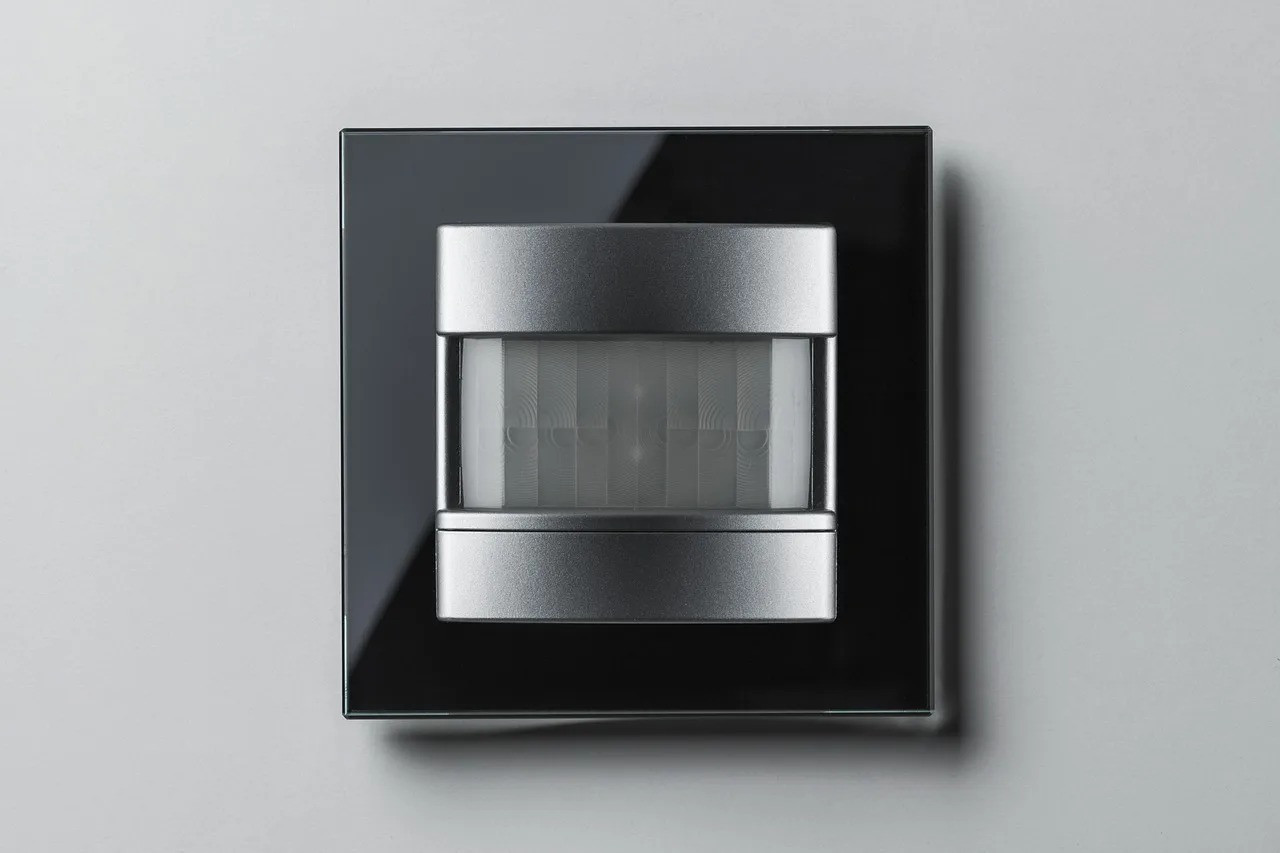
If your garage is attached and you want the safest general answer, start with a garage-rated heat detector. That is the best fit for the garage space itself, while smoke alarms stay in the home and CO alarms get added where exhaust or fuel-burning appliances make that worthwhile.
If your garage has fuel-burning equipment, buy a heat detector first and add carbon monoxide detection as a separate layer. Do not replace either one with a smoke alarm, and do not assume a combo unit solves every problem in one box.
If you want the simplest retrofit, focus on the device that matches the hazard you actually have, then check whether it can be interconnected with the rest of the alarm system. For many homes, that means a hardwired or wireless heat detector in the garage and smoke alarms in the living areas.
If ventilation or sealing is the bigger problem, fix that alongside detection. Weather stripping, air sealing, a self-closing fire door where required, and an exhaust fan can all reduce the amount of garage air that reaches the house.
One more practical point: if you are comparing a garage heat detector to a smoke alarm package, the cheaper box is not automatically the cheaper solution. A retrofit that needs the wrong detector, then a second replacement later, usually costs more in time and labor than buying the right device first.
Sponsored / affiliate links. As an Amazon Associate I earn from qualifying purchases. I may earn additional commission from eligible campaigns.
 POWAW Smart Air Purifier for Pet House Upgrade, Eliminator with Infrared Protection, 4 Modes, Air Ionizer, Indoor Pet Care Solution, White
 SiegenPro Wireless Motion Sensor Door Chime, Motion Detector Alarm Chimes, Entry Doorbell Indoor Motion Detector Buzzer Monitor for Home, Business, Store, Office (Black0201)