How Many Carbon Monoxide Detectors Do You Need in a Home?
Most homes need at least one carbon monoxide alarm on every level, plus one outside each separate sleeping area. Add one in or near attached-garage and basement-adjacent spaces if the layout leaves those areas uncovered. Too few alarms can leave sleeping rooms or lower levels without warning when a fuel-burning appliance, fireplace, or car exhaust creates CO. This guide shows how to count detectors by house type, where to place them, and when the minimum falls short.
How many detectors do you need?

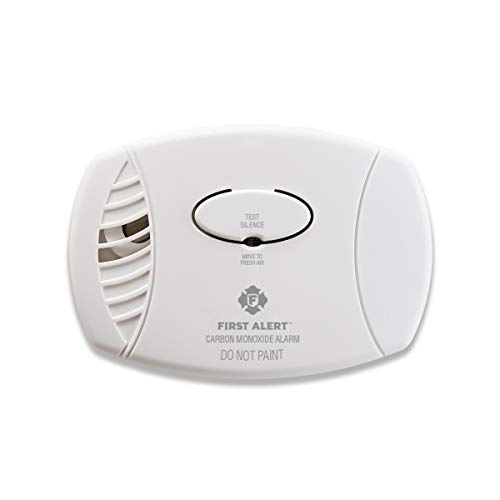
A common starting rule is to place one carbon monoxide detector on every level of the home, then make sure each separate sleeping area has nearby coverage. If a basement, garage-adjacent room, or split level leaves a gap in that layout, add another alarm there instead of assuming one unit will cover the whole house.
That matches the CPSC’s guidance for detectors on each level and outside sleeping areas, and it lines up with NIST’s advice to place alarms in a central location outside each room where people sleep and on every floor. The exact count depends on how your home is divided. (NIST)
Carbon monoxide detector count calculator
| Home layout | Recommended minimum count | Why the extra detector is needed |
|---|---|---|
| Single-story home with 1 sleeping area | 1-2 | One detector may satisfy the floor rule, but a second is often needed if the sleeping area is separated from the main living area by a hall or wing. |
| Two-story home with bedrooms upstairs | 2 | One detector on each floor covers the level rule, and the upstairs unit should sit outside the sleeping area. |
| Split-level home | 2-3 | Split levels can leave one detector too far from sleeping rooms or from the lower mechanical area, so you may need an extra alarm for the separated level. |
| Home with a finished basement | 2-3 | Add basement coverage if the furnace or water heater is there, and make sure upper sleeping areas still have outside-the-sleeping-area coverage. |
| Home with an attached garage | 2-3 | Keep coverage near the living space that borders the garage, because vehicle exhaust makes that zone higher risk than a typical interior room. |
Think in zones, not in square footage alone. A 900-square-foot split level can need more alarms than a larger single floor if bedrooms, stairs, and the basement are separated in a way that leaves dead zones.
Suppose a two-story home has bedrooms upstairs, a living room on the main floor, and a furnace in the basement. The baseline count is three: one on the upper floor outside the sleeping area, one on the main floor, and one in the basement if the basement is part of the risk area and not already covered by the floor count.
A common first-timer mistake is assuming a two-story house needs a detector only in the hallway and overlooking the basement and sleeping areas. A studio apartment with an open sleeping area and a separate kitchen still needs detector placement based on the layout and appliance risk, not on whether the space has walls.
Where should you place them?
Place carbon monoxide detectors outside each separate sleeping area and on every floor of the home. That is the baseline most homeowners should use, then adjust for basements, garages, and odd floor plans. Final placement should follow the manufacturer’s instructions and local code.
Outside each separate sleeping area
The detector should be in the hallway or nearby zone outside the sleeping area, not inside every bedroom by default. That placement helps warn people before they are asleep and less able to notice CO exposure. The goal is coverage at the point where bedrooms branch off, not one alarm per door.
Every floor of the home
One detector per floor is the baseline, but it is only the starting point. If a basement is finished and used as living space or holds fuel-burning equipment, that level usually needs its own detector. If an upstairs hall already covers the sleeping area, do not add a second alarm in every bedroom unless the manufacturer or local code says to.
Basement and garage-adjacent spaces
The basement is a higher-risk zone when it contains a furnace or water heater, both of which can produce CO if they malfunction or vent poorly. The IAFC recommends a CO detector in the basement. For attached garages, treat the room over or near the garage as a higher-risk area too, because vehicle exhaust can migrate into the home.
Picture a townhouse with a bedroom over the garage and a furnace in the basement. One alarm on the bedroom level and another in the basement usually makes more sense than relying on a single unit on the main floor. The garage-adjacent bedroom is a separate risk zone.
When does the minimum count fall short?
The minimum falls short when the layout creates separate risk zones that one or two alarms cannot realistically cover. That happens in homes with bedrooms on more than one level, with finished basements, with attached garages, or with open plans that still leave a distant sleeping area or utility zone.
Bedrooms on more than one level
If sleeping areas are split across floors, place a detector outside each separate sleeping area, not just one downstairs. A hall upstairs and a hallway near a basement guest room are different coverage points. The minimum count rises because people sleep in more than one part of the house.
Open-plan homes and studio apartments
Open plans can look simple, but they still need detector placement that respects the layout. A studio apartment may need one alarm placed so it covers the sleeping zone and the path from the kitchen, while a larger open floor plan may need one unit near the sleeping area and another on a separate lower or upper level.
Homes with fuel-burning equipment
If you have a furnace or water heater in the basement or a utility room, that area deserves extra attention. CO can come from faulty venting, poor combustion, or blocked exhaust. The alarm belongs in the risk zone, but not right beside the appliance. Keep to the manufacturer’s spacing rules.
What should you avoid?
Avoid putting CO alarms where nuisance alarms are likely or where they will miss the risk. Keep them away from stoves and other fuel-burning appliances, away from generator exhaust, and away from places that are too close to direct combustion sources. Correct placement matters as much as the count.
Kitchen and appliance placement mistakes
Do not place a CO detector right next to a stove, oven, fireplace, or similar fire source. CNET advises installing a detector 5 to 20 feet away from a fire source in kitchen areas, and the manufacturer’s instructions should still control the final location. Too little separation can cause nuisance alarms.
Garage fumes and vehicle exhaust
An attached garage changes the risk pattern. A running car, even for a short period, can send exhaust into adjacent rooms or into the room above the garage. Keep the detector in the nearby living zone or hall, not inside the garage unless the manufacturer specifically allows it.
Portable generator hazards
Portable generators should run outdoors and away from windows and doors. Never run one indoors, in a garage, or near an opening where exhaust can drift in. CO from a generator can spread fast, so detector placement is only part of the answer; the source has to be kept outside.
Detector types and service life
Carbon monoxide detectors come as battery-powered, plug-in, and hardwired models. The right type depends on the home and the power setup, but the placement rule does not change: coverage still has to match the layout, sleeping areas, and risk zones.
Battery-powered, plug-in, and hardwired models
Battery-powered alarms give you placement flexibility. Plug-in models are useful near outlets. Hardwired alarms are common in homes that already have interconnected alarm wiring. Whatever type you choose, check the manufacturer’s listing for model-specific placement, wiring, backup battery, and interconnect details.
End-of-life chirps and replacement timing
CO alarms have a limited service life and may chirp at end of life. CNET says many CO detectors are replaced every five years, but that is not universal. Check the label and manual on your model, because some alarms have a different end-of-life rating.
Why the manual matters for placement
Do not use one placement rule for every alarm. Wall-mount and ceiling-mount guidance varies by model, and the manufacturer may set the exact location rules for kitchens, hallways, or combined smoke/CO units. If the manual and local code differ, follow the stricter instruction.
- Count each floor first.
- Add coverage outside each separate sleeping area.
- Add a detector for the basement if it contains mechanical equipment or is a separate risk zone.
- Add coverage near rooms over or beside an attached garage.
- Check the manual before mounting near kitchens, furnaces, water heaters, or other fuel-burning appliances.
All homes should have carbon monoxide detectors, ideally outside every sleeping area. NIST and the CPSC both point to floor-by-floor coverage, plus sleeping-area coverage, as the practical baseline. After that, the layout decides whether one more unit is needed or two more.
Frequently asked questions
How many carbon monoxide detectors do you need in a home?
Most homes need at least one carbon monoxide detector on every level and one outside each separate sleeping area. If you have a basement with mechanical equipment or an attached garage, the count often rises because those areas create separate risk zones that a single alarm may not cover well.
Do you need a carbon monoxide detector on every floor?
Yes. The CPSC says proper placement is on each level of the home, and NIST also says detectors should go on every floor. That is the baseline rule. If a floor has sleeping rooms or fuel-burning equipment, placement on that level becomes even more important.
Do you need a carbon monoxide detector outside every bedroom?
No. The better rule is outside each separate sleeping area, not inside every bedroom by default. A hallway outside a cluster of bedrooms is often the right zone. Final placement still depends on the home layout, manufacturer instructions, and local code.
Should you put a CO detector in the basement or near the garage?
Yes, often both areas deserve attention. The IAFC recommends a detector in the basement, especially when a furnace or water heater is there. For an attached garage, place coverage in the adjacent living area or room above it, because vehicle exhaust can move into the home.
Can one CO detector cover the whole house?
Usually not. One detector may not cover separate sleeping areas, split levels, a basement, and a garage-adjacent room all at once. A single alarm can miss distant zones. Use the floor rule and the sleeping-area rule first, then add detectors where the layout creates gaps.
Where should carbon monoxide detectors be placed in a home?
Place them on every floor, outside each separate sleeping area, and in or near higher-risk zones such as a basement with a furnace or water heater. Keep them away from stoves and other combustion appliances, and follow the manufacturer’s spacing and mounting instructions for your model.
Sponsored / affiliate links. As an Amazon Associate I earn from qualifying purchases. I may earn additional commission from eligible campaigns.
 Charmline Smart Ozone Generator for Car 12V and Home 120V, 60,000mg/h Ozone Machine with Remote Control, Ionizer & Deodorizer for Car, RV, Home, Smoke, Pets, Basement & Commercial Use
 COWAY Air Purifiers for Home Large Room Up to 1,860 ft², Washable Pre-Filter and HEPA Filter for Smoke, Allergies, Pet Dander, Odor, AQI, Smart & Rapid Mode, Timer, 3yr Warranty, Airmega 250