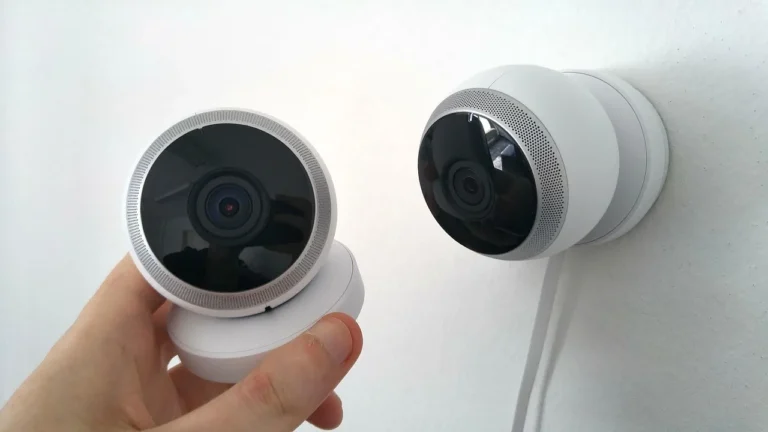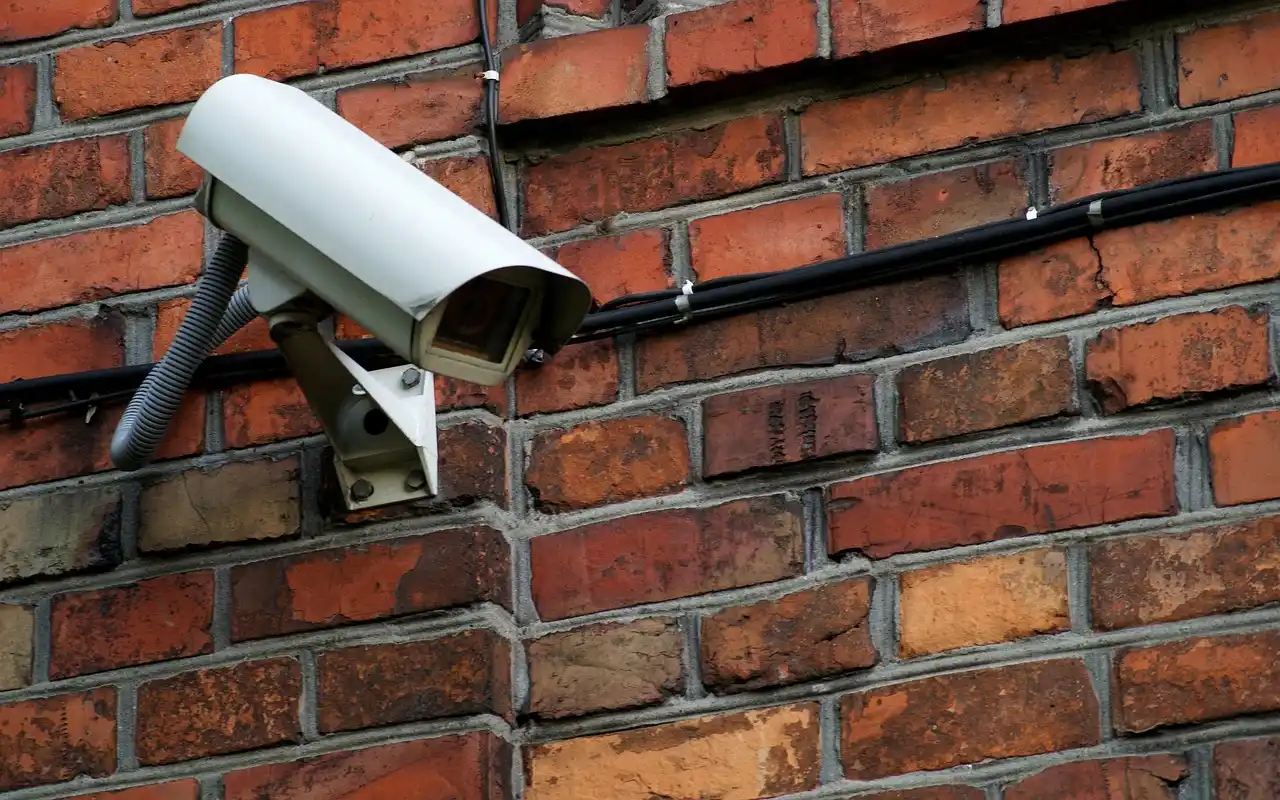
5 Best Smart Outdoor Cameras for Weather Exposure: Based on Specs and Reviews
Choose the best smart outdoor camera by exposure first: under-eave installs can often work with IP65 and corded power, fully exposed or snowy sites should usually start at IP66 or better, coastal installs need corrosion-resistant housing, and renters usually need battery or plug-in mounts. Pick wrong and you risk water intrusion, weak motion alerts, dead batteries, or early hardware failure.
Quick comparison
| Product | Badge | Best for | Price | ||
|---|---|---|---|---|---|
 |
WYZE Solar Cam Pan, 2K Security Cameras Wireless OutdoorWYZE | Our pick | 2K · wireless · solar pan-tilt | $79.00
Price as of 2 Nov 2026
|
View |
 |
eufy Security 3K Dual Cameraeufy Security | Also great | 3K · solar · dual-camera | $264.58
Price as of 2 Nov 2026
|
View |
 |
Arlo Pro 5S Security Camera 2K HDRArlo | Also great | 2K HDR · wireless · 3-camera | $159.99
Price as of 2 Nov 2026
|
View |
 |
Ring Spotlight Cam PlusRing | Pair with it | 1080p · battery · spotlight | $149.99
Price as of 2 Nov 2026
|
View |
 |
REOLINK Duo 3 PoE Dual-Lens PoE Security Camera with 180°REOLINK | Upgrade pick | 16MP · PoE · dual-lens | $229.99
Price as of 2 Nov 2026
|
View |
The main trade-off is exposure tolerance versus convenience. The more exposed the mount, the more you should favor higher weather resistance, better sealing, and power that fits the site instead of the easiest installation.
Use the table to match the camera to the mount, then confirm storage and smart home support before you buy.
How we chose
These picks are based on manufacturer specs and listing details.
- Weather fit: the camera had to make sense for a real install zone such as porch, driveway, garage, gate, shed, or fence post.
- Power and upkeep: battery, solar, or fixed power had to match the exposure level and the likely charging or wiring burden.
- Storage and alerts: local recording options, subscription dependence, and motion features had to be clear enough to compare.
- Smart home support: Alexa, Google Home, HomeKit, and platform-specific support mattered where the listing made it explicit.
- Weather rating: IP rating and exposed-location fit had to be usable in plain buying terms, not just in a spec box.
Weather exposure decision matrix
This table is the fastest way to narrow the field. Start with the zone, then match the minimum IP rating, the power type that fits maintenance access, and the mount that avoids the most common failure mode.
| Install zone | Minimum IP rating | Preferred power type | Mounting height and angle | Most likely failure mode |
|---|---|---|---|---|
| Covered porch | IP65 | Plug-in or battery | Above head height, angled slightly down | Condensation and lens washout from splash or reflected light |
| Open driveway | IP66 or better | Wired power, PoE, or solar-assisted battery | High enough to see vehicles, tilted down to cover the lane | False alerts from headlights, rain streaks, and wide thermal swings |
| Side yard | IP65 to IP66 | Battery if access is hard; wired if you want steadier recording | Placed to avoid branches, at an angle that narrows the detection zone | Branch motion, spider webs, and partial occlusion |
| Coastal frontage | IP66 or IP67 | Wired power if possible; avoid frequent battery swaps in salt air | Shielded from direct spray, mounted where maintenance is easy | Salt spray corrosion, seal wear, and button or port sticking |
| Flood-prone area | IP67 | Wired power mounted well above splash level | High on the structure, aimed downward and away from runoff paths | Water intrusion from pooling, splashback, and submerged cabling |
IP65 protects against low-pressure water jets. IP66 resists powerful water jets. IP67 withstands temporary submersion up to 1 meter for 30 minutes. None of those ratings promise immunity from heat, UV wear, condensation, or salt spray, so the mount still matters.
The guide data also notes that some premium outdoor cameras can function down to about -20°F (-29°C) and up to about 122°F (50°C), but those temperatures do not fix poor placement. A camera under direct afternoon sun can still overheat or wash out the image long before the spec limit matters.
Arlo Pro 5S 2K: best for exposed driveways
This is the safest fit for a driveway, gate, or detached garage where you want strong alerting, good zoomable detail, and a battery-based setup. The listing details point to 2K HDR video, and the broader Arlo line is built around alert-rich outdoor installs.
What stands out here is the combination of 2K HDR video, a 160-degree field of view, and an integrated spotlight and siren. That mix helps when you need to spot a person near the curb or catch a vehicle at the end of the drive.
The drawback is ownership cost. Battery cameras can mean periodic charging, and the listing includes a one-month trial of Secure Plan, which is a reminder to check current subscription terms before you count on cloud features.
If your driveway is fully exposed, this kind of camera makes sense when you can reach it for charging or when the battery swap is easy. If you want 24/7 recording, you may need a different power model entirely.
Power, storage, and alerts
Arlo’s battery design helps where there is no easy outlet. For a driveway mount, that matters more than raw convenience because outlet access often determines whether the camera stays in service or gets ignored after the first recharge cycle.
Set motion zones so the camera stays off the street and the neighbor’s walkway. Start with person alerts, add vehicle alerts for a driveway or gate, and use package alerts more for a porch than for an open lane.
Where it can fall short
The main downside is that battery convenience comes with maintenance. Cold weather, long clips, and frequent activity can shorten recharge intervals, and a fully exposed mount can make battery access a recurring chore.
TP-Link Tapo C425: best for budget weather exposure
This is the budget-minded choice for a sheltered or semi-exposed mount where you want simple outdoor coverage without committing to a more expensive multi-camera system. It fits best under an eave, on a side wall, or near a porch that blocks direct spray.
What matters most is the value equation: a lower upfront buy, battery convenience, and enough weather tolerance for common outdoor exposure without overbuying for a protected spot. For renters, that can be the difference between adding coverage now or waiting for a wired install.
The honest drawback is that budget battery cameras usually ask more of the user. You need to tune motion zones carefully, and if the camera sits where branches, rain, or passing car lights trigger it, the battery penalty shows up fast.
Battery and local storage notes
For a sheltered install, battery power is easier to live with than on a wide-open pole or driveway post. It keeps the installation simple, but it also means charging access should stay easy. If the camera is on a high fence post, confirm how you will remove it before you mount it.
Local storage matters on a budget model because it can lower long-term cost. If the listing for your model includes local recording, that can reduce reliance on subscription storage. If not, treat the ongoing cloud plan as part of the real price.
Alert tuning and smart home support
On a budget camera, false alert reduction matters more than a long feature list. Tighten the detection zone, trim the top of the frame if trees sway there, and reduce sensitivity if rain streaks or shadow changes keep waking the camera.
Check the manufacturer listing for the exact smart home support on your model. Outdoor camera compatibility changes by version, and the safest buy is the one that clearly states the platform you already use.
Eufy SoloCam S340: best for sunny mounts
This is the strongest fit when the mount gets plenty of sun and you want a solar-assisted outdoor camera with wide coverage. It works well for a gate, side yard, or bright driveway edge where panel placement is practical and the camera needs broad coverage.
The standout features are 3K dual-camera video, solar-powered wire-free installation, and 360° coverage. That matters when you need to watch a long side yard or a gate line without leaving blind spots near the edge of the frame.
The drawback is that solar convenience depends on placement. If the panel does not get enough direct sun, or if seasonal shading changes, the charging margin gets thinner and you will spend more time checking the setup.
Solar placement and direct-sun needs
Solar cameras work best when the panel faces strong daylight for much of the day. A south-facing or otherwise sun-rich location is usually the safer bet, while shaded porches, deep overhangs, and tree-heavy yards can leave the camera undercharged.
Maintenance is not zero. Dust, pollen, leaves, and winter grime can cut charging performance, so an exposed solar install still needs occasional cleaning and a quick check after storms or heavy shedding.
Coverage for gates and side yards
Wide coverage is useful where someone approaches from an angle, such as along a fence line or through a side gate. Pan and tilt help you follow movement, but they also make tuning important so the camera does not keep chasing activity you do not care about.
If your gate sits far from the camera, 3K detail can help, but placement still matters more than resolution alone. A poorly aimed high-resolution camera is still a poorly aimed camera.
Local storage and subscription tradeoff
This model is marketed with no monthly fee, which makes local storage and cloud dependency an important part of the buy decision. That can lower long-term ownership cost, especially if you want to avoid recurring plan charges.
Still, check the listing for the exact storage path on your model and confirm how clips are saved. Solar convenience is only half the story if you need to add a hub, card, or other accessory to make recording work the way you want.
Ring Spotlight Cam Plus: best for porch deterrence
This is a strong choice for a porch, garage apron, or front entry where deterrence matters as much as recording. The battery design makes it easier to place than a wired camera, and the spotlight-plus-siren setup gives it a more active presence at the door.
Its strengths are motion-activated LED spotlights, color night vision, two-way talk, and a siren. Those features help when you want a camera that can both alert you and draw attention at the entry point.
The drawback is that battery convenience and smart features can come with plan dependence. Check the current storage and alert terms before you assume every feature is included without a subscription.
Night vision and deterrence
Color night vision can help when you want to identify clothing or a vehicle color at the porch, but it can be less useful when the scene is too dark or the light source creates glare. In that case, basic infrared can give a cleaner black-and-white view even if it is less vivid.
The spotlights help at close range, but they can also wash out a face if the subject stands too near the light. That is why porch placement should avoid pointing directly at a reflective door or glossy wall.
Best fit on the house
Think porch, garage entry, or a sheltered front corner where the camera can see visitors before they reach the door. It is less compelling for a far driveway or a back-of-lot gate where you need long-range detail instead of a visible deterrent.
REOLINK Duo 3 PoE: best for wired perimeter coverage
This is the best fit when you want wired, subscription-light perimeter coverage and can run PoE to the site. It is especially useful on a driveway, fence line, or detached garage where the installation is permanent and the recording load is heavier.
The key specs here are 16MP UHD dual-lens video, a 180° panoramic view, IP67 weatherproofing, person, vehicle, and animal detection, 24/7 recording, and local recording support. That is a lot of capability for a hardwired outdoor mount.
The drawback is installation complexity. PoE means cabling, and that is not as easy as a battery camera for a renter or a place without a clean wire path.
Why wired power helps in harsh exposure
Wired power is the best answer when you want constant recording and fewer battery-related interruptions. It also fits harsher weather better because you are not taking the camera down for charging or waiting for a solar panel to recover after gray days.
IP67 gives you a stronger sealing story than IP65, which makes sense for flood-prone edges, very wet driveways, or places where runoff can reach the housing. It still does not mean the cable path can be careless, so the mount and cable entry need attention too.
Where it excels
Picture a 40-foot driveway where cars approach from the street and a gate sits off to one side. A panoramic wired camera can reduce blind spots better than a narrow battery model, and local recording can keep it useful even if a subscription is not in the plan.
For animal detection, this kind of camera can help on a side yard or fence line where pets, raccoons, or deer would otherwise trigger repetitive generic motion alerts. Tune the zones so it is not watching the road.
Which one should you buy?
Choose by climate first, then power access, then storage. That order prevents the most expensive mistake: buying a camera that looks good on paper but fails where you mount it.
- Choose Arlo Pro 5S 2K if the camera faces a driveway or gate and you want a flexible battery setup with strong outdoor deterrence features.
- Choose TP-Link Tapo C425 if you want the lowest-friction battery option for a sheltered porch, side wall, or semi-exposed location.
- Choose Eufy SoloCam S340 if the mount gets solid sun and you want solar help, broad coverage, and no monthly fee positioning.
- Choose Ring Spotlight Cam Plus if your main goal is front-entry deterrence and you want a visible light-and-siren response at the porch.
- Choose REOLINK Duo 3 PoE if you can run cable and want the best fit for permanent, harsh-exposure perimeter coverage with local recording.
For renters, the easiest route is usually battery or solar with no-drill mounting where allowed. For homeowners with an outlet and a permanent location, wired or PoE can pay off through fewer battery charges and better always-on coverage.
Suppose a camera is going on a fence post that gets rain, morning sun, and winter wind. A battery model may be simpler to mount, but a better-sealed or wired option usually holds up better if the spot is hard to reach for upkeep.
Frequently asked questions
What is the best smart outdoor camera for rain and direct sun?
For rain and direct sun, start with IP66 or IP67 and choose a power type that matches the exposure. A fully exposed driveway or coastal frontage usually needs stronger sealing than a sheltered porch, and solar cameras need enough direct light to stay charged through shorter winter days.
Do outdoor security cameras need IP65 or IP67 weatherproofing?
IP65 is enough for many covered or semi-exposed installs, while IP67 is better for flood-prone, splash-heavy, or very exposed locations. IP65 protects against low-pressure water jets, but it does not make a camera immune to condensation, heat, UV wear, or salt spray.
Which outdoor cameras work best for driveways, gates, and detached garages?
For those spots, look for strong field of view, reliable alerts, and a mount that can handle more exposure than a porch camera. A wired PoE camera fits permanent coverage best, while a battery model works when you need easier installation or renter-friendly placement.
Are battery outdoor cameras reliable in winter and heat?
They can be, but winter and heat both add stress. Battery life can drop in cold weather, and direct sun can shorten runtime through heavy activity or frequent wakes. If the mount is fully exposed, plan for easier charging access or choose solar or wired power instead.
Which smart outdoor cameras work with Alexa, Google Home, or HomeKit?
Compatibility varies by model and even by product line, so check the exact listing before you buy. The safest approach is to match the camera to the ecosystem you already use, because support for Alexa, Google Home, and HomeKit is not uniform across outdoor cameras.
Can outdoor cameras record locally without a subscription?
Yes, some can. Local storage may come through microSD, a base station, or an NVR, while other models lean harder on cloud plans. If subscription-free recording matters, confirm the storage path and whether any add-on hardware is required before checkout.
How do I stop false alerts from rain, branches, and changing light?
Tighten the detection zone, aim the camera away from branches, and reduce sensitivity where rain streaks or moving shadows keep triggering alerts. A common first-timer mistake is mounting too high and leaving the sky in frame, which causes constant wake-ups from clouds, glare, and motion at the edge of the image.
What should I look for in an outdoor camera when the mount is fully exposed?
Look first at IP rating, then at power, then at maintenance access. For a fully exposed mount, IP66 or IP67 is often a better starting point than IP65, and you should also think about battery swaps, solar alignment, condensation control, and whether the camera’s cable path is protected from runoff.
Sponsored / affiliate links. As an Amazon Associate I earn from qualifying purchases. I may earn additional commission from eligible campaigns.