Sump Pump Alarm vs. Water Leak Detector: Which Do You Need?
Use a sump pump alarm for rising water in the sump basin, and a water leak detector for drips, seepage, and appliance leaks; if you need warning for both conditions, install both. Miss the wrong device and you can end up with flooded basement floor space, mold growth, damaged trim and drywall, or a sump pump that fails without notice. This guide explains how each sensor works and where each one belongs.
| Decision factor | Sump pump alarm | Water leak detector | Winner |
|---|---|---|---|
| What it senses | Water level in a sump pit or basin | Moisture at the sensor contacts | Tie |
| Best use case | Basement flood warning and pump failure warning | Appliance leaks, plumbing drips, seepage, and small spills | Tie |
| Placement flexibility | Must sit where sump water rises | Can go under sinks, behind appliances, near water heaters, and by toilets | Water leak detector |
| Smart alerts | Available on some models | Available on some Wi-Fi models | Tie |
| Freeze sensing | Not a common core feature | Often included on some models | Water leak detector |
| False-alarm risk from damp areas | Lower when the float is installed correctly in a sump basin | Higher if you place it on a wet floor, shower splash zone, or condensation-prone surface | Sump pump alarm |
How their sensors differ
The core difference is sensor logic. A sump pump alarm watches water level in a pit or basin, usually with a float switch or another water-level trigger. A water leak detector senses moisture where its contacts sit, so it catches drips, seepage, and appliance leaks at the floor or surface.
That difference matters because each device solves a different failure mode. A sump alarm is for basement flood risk tied to a pump or pit. A leak detector is for water that appears under a dishwasher, near a water heater, at a toilet base, or along a crawlspace floor.
How the sensors differ
A float switch is a water-level trigger mechanism, not a moisture sensor. Some models use an adjustable tether length so the float trips at a chosen level in the sump basin. A moisture sensor, by contrast, activates only when water touches its contacts.
That means a float switch can warn about rising pit water, while a moisture sensor cannot monitor sump level by itself. The moisture sensor is better for small leaks, floor seepage, and drips that show up where you place the detector.
Quick side-by-side view
Sump pump alarms belong in the sump pit. Water leak detectors belong where leaks start showing up on the surface. Many homeowners need both because a basement can have one flood path from the pit and a separate leak path from appliances or plumbing.
Which device catches which water problem?
Choose based on the failure you are trying to catch. If the threat is a rising sump basin or a pump that stops moving water, use a sump pump alarm. If the threat is a drip, seep, or appliance leak, use a water leak detector.
| Scenario | Best device | Why |
|---|---|---|
| Sump pit rising | Sump pump alarm | The trigger needs to monitor water level in the basin. |
| Failed pump | Sump pump alarm | It can warn when the pit rises because the pump is not moving water out. |
| Dishwasher leak | Water leak detector | The leak shows up at floor level near the appliance. |
| Under-sink drip | Water leak detector | A moisture sensor can sit under the cabinet and catch the first puddle. |
| Water heater leak | Water leak detector | It can sit beside the tank or drip pan and detect small releases early. |
| Toilet seep | Water leak detector | It catches moisture at the base before the floor damage spreads. |
| Basement floor seepage | Water leak detector | Surface moisture detection is the right tool for slow seepage on the floor. |
| Frozen pipe risk | Water leak detector | Some models add freeze-temperature sensing for pipe-risk areas. |
| Attic plumbing leak | Water leak detector | It belongs below the pipe run where drips first land. |
| Crawlspace moisture | Water leak detector | It can monitor small water events in low, hard-to-see spaces. |
When both devices make sense
Use both when a basement has a sump pit and also has equipment or plumbing that can leak. The sump alarm handles high-water events tied to pump failure, clogged discharge lines, or power loss. The leak detector handles the separate risk of a refrigerator line, water heater, or laundry hookup.
Suppose a basement has a sump basin on one side and a water heater on the other. A pit alarm may warn about a storm-time pump problem, but it will not catch a slow leak from the heater drain valve. That is a clear case for two devices.
How a sump pump alarm works
A sump pump alarm monitors water level in the sump basin and sounds when the level rises too far. That makes it a basement and flood-use device. It protects against the kind of failure that can turn a pump issue into foundation damage and soaked finishes.
Float switch and water-level trigger
Many sump alarms use a float switch or a similar water-level trigger. When water lifts the float, the alarm activates. Adjustable tether length on some models lets you set the trigger point to match the basin and pump cycle.
This is why a float switch is not a moisture sensor. It reacts to level, not contact with a damp floor. Put it in the basin, not beside a wall where it could miss the problem entirely.
Audible alarm and power options
An audible alarm gives a local warning, which matters in a basement where you may not hear a quiet alert upstairs. Some models also add smart notifications, but the siren is still the first line of warning if you are in the house. Power source options typically include battery power or plug-in power, depending on the model.
Eco Friendly-HQ reports a 110 dB alarm on one sump pump alarm model and says another model includes Wi-Fi notifications plus a 110 dB siren. It also describes one sump alarm as IP67 waterproof. Those are the kinds of specs that matter when the unit sits near water.
Common basement failure modes it covers
A sump alarm helps with a clogged discharge line, a pump that loses power, or a pump that simply fails to start. It is aimed at the high-water event. It does not replace surface leak coverage anywhere else in the basement.
Tom’s Guide includes a dedicated sump pump monitor category in its water leak detector roundup. That separation is useful, because sump monitoring is not the same job as surface moisture detection.
How a water leak detector works
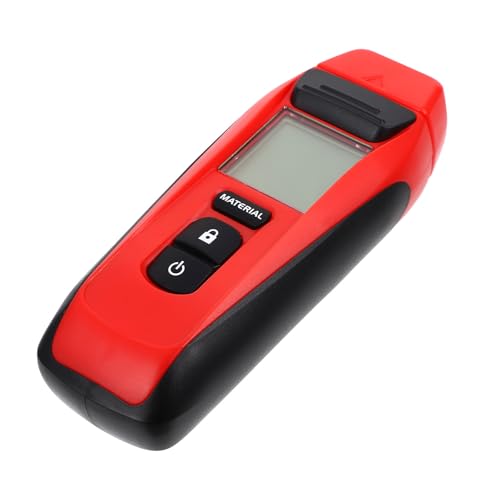
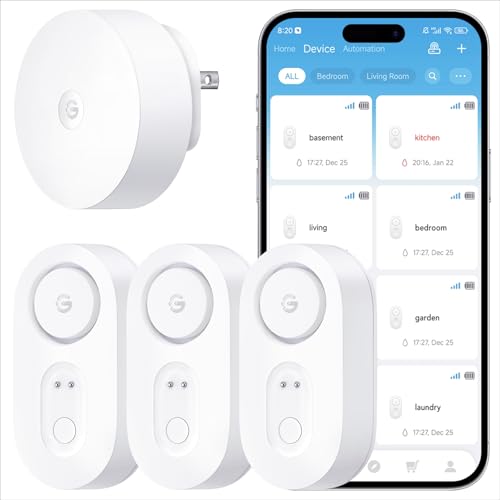
A water leak detector uses moisture-contact sensing. When water bridges the contacts, the unit alarms. That makes it useful under sinks, near appliances, by water heaters, around toilets, and in crawlspaces where you want to catch small leaks before they spread.
Moisture-contact sensing
The sensor only reacts when water reaches the sensing points. Mold Help For You says leak alarms are placed where a leak may occur, and that is the right rule here. Put them where water would first collect, not where the room is normally damp.
A moisture sensor can catch small spills and leaks, but it cannot track a rising sump level by itself. If the problem is water rising in a pit, you need a sump-level trigger, not a floor moisture contact.
Freeze sensing on some models
Some leak detectors add freeze-temperature sensing. That helps in pipe-risk areas where a cold snap can lead to frozen pipes and then a burst leak. It is a useful extra, but it is not a substitute for a proper sump alarm.
Freezing alerts are most useful near exterior walls, unheated spaces, or attic plumbing runs. They work best as a warning for conditions that may lead to water damage, not as a general basement flood alarm.
Battery, plug-in, and Wi-Fi options
Water leak detectors may be battery operated or plug-in powered. Some Wi-Fi water leak detectors send email, text, or app alerts, and some do not need a hub. The alert method matters if you are away from home, but the sensor still has to be in the right spot.
Tom’s Guide notes that water leak detectors can save you hundreds or thousands of dollars in repairs. It also points out a loud-alarm water leak detector and another best pick that works with a shutoff valve. Smart features help, but only when they are paired with correct placement and reliable power.
Where should you place each sensor?
Place each device where its sensor logic matches the threat. A sump alarm belongs in the sump basin. A leak detector belongs at the first point where water would appear on a floor, under an appliance, or at a plumbing connection.
Basement placement rules
In a basement, put the sump alarm in the pit or basin, at the trigger height recommended by the manufacturer. Put leak detectors near water heaters, laundry appliances, utility sinks, and any plumbing that crosses the room. If you need freeze sensing, place that model near the pipe-risk zone.
A common homeowner mistake is placing a water leak detector under a laundry sink where a little splash from routine cleaning can trigger false alerts. Another mistake is tucking it into a shower splash zone or other regularly wet spot. That is a placement problem, not a sensor problem.
Under sinks and appliances
Set leak detectors flat under sinks, dishwashers, washing machines, refrigerators with water lines, and water heaters. The sensor should sit where the first drip will collect. If the area has a drip pan, place the contacts where water would pool first.
Do not use a sump alarm for this job. It is designed for rising basin water, not for the small leak that starts inside a cabinet or behind an appliance.
Avoiding false alarms and bad spots
Normal condensation, shower splash, and perpetually damp surfaces can trigger a moisture sensor without a real leak. In those spots, either relocate the detector or choose a different mounting point. The goal is to catch abnormal water, not routine moisture.
- Match the sensor to the failure mode you are trying to catch.
- Put sump alarms in the basin, not on the basement floor.
- Put leak detectors at the lowest likely drip point.
- Avoid areas that stay wet from use, splash, or condensation.
- Test the alarm sound and any app alert after setup.
Do you need both devices in one basement?
You need both when the basement has both flood risk and appliance or plumbing leak risk. A sump alarm protects against high water in the basin. A leak detector protects against small events that never reach the sump, such as a water heater seep or a washing machine line failure.
High-risk basements
If the basement floods during heavy rain, the sump alarm should be non-negotiable. If the same basement also holds a furnace, water heater, sink, laundry pair, or fridge line, add leak detectors near those sources. One device will not cover the other’s failure mode.
Sump pit plus appliance zone
Picture a basement with a sump pit on one wall and a laundry area on the opposite wall. A pump failure can flood the pit area, while a hose leak can puddle under the washer without ever touching the basin. Two sensors cover two separate pathways.
Simple decision rule for homeowners
If the main worry is rising basin water, start with a sump pump alarm. If the main worry is drips or seepage around plumbing and appliances, start with a water leak detector. If both risks exist in the same basement, install both.
| Scenario | Best device | Why |
|---|---|---|
| Sump pit rising during a storm | Sump pump alarm | It is built to warn on high water in the basin. |
| Pump stops after a power outage | Sump pump alarm | The rising pit water is the signal that the pump is not protecting the basement. |
| Dishwasher hose pinhole leak | Water leak detector | The water shows up on the floor under the appliance. |
| Slow drip under kitchen sink | Water leak detector | A moisture sensor can catch the puddle before cabinet damage spreads. |
| Water heater drain pan fills | Water leak detector | It belongs at the leak source, not in the sump basin. |
| Toilet wax-ring seep | Water leak detector | It warns when moisture appears at the base of the fixture. |
| Cold basement pipe risk | Water leak detector | Freeze sensing on some models adds an early warning before a pipe bursts. |
| Crawlspace damp spot | Water leak detector | It can sit where water first appears on the floor or vapor barrier. |
| Sump pit plus laundry area | Both | One device handles flood risk; the other handles appliance leaks. |
| Sump pit plus water heater | Both | Each risk has a different trigger point and needs its own sensor. |
Choose Sump pump alarm if… / Choose water leak detector if…
Choose Sump pump alarm if… your main risk is basement flooding from a sump pit, pump failure, or a clogged discharge line. It belongs in the basin, and its float switch or water-level trigger is the right sensor for rising water. A local siren helps even if your phone is upstairs or offline.
Choose water leak detector if… your main risk is drips, seepage, appliance leaks, or frozen-pipe trouble. It belongs under sinks, near water heaters, behind laundry equipment, and at other leak-prone spots. If you want app, text, or email alerts, a Wi-Fi model can add that layer when the network and power stay available.
Choose both if… your basement has a sump pit and also has plumbing or appliances that can leak. That combination covers the two big failure modes separately. One sensor watches the pit; the other watches the floor, cabinet, or pan where the first sign of trouble may appear.
Frequently asked questions
What is the difference between a sump pump alarm and a water leak detector?
A sump pump alarm monitors water level in a pit or basin and warns when that level rises too far. A water leak detector senses moisture where it sits, so it catches drips, seepage, and appliance leaks. They solve different problems and should not be treated as substitutes.
Do I need a sump pump alarm or a water leak detector for my basement?
If your basement depends on a sump pit, the sump pump alarm is the right first device for flood risk. If the basement also has a water heater, laundry machines, or other plumbing, add a water leak detector. Many basements need both because the risks are different.
Where should a water leak detector be placed in a basement?
Place it where water would appear first: near the water heater, under laundry appliances, beside a utility sink, or near vulnerable plumbing runs. Avoid spots that are normally wet from condensation or splash. The detector should sit at a real leak point, not a routine moisture zone.
Can a water leak detector alert me before a sump pump fails?
Not unless it is specifically designed for sump-level monitoring. A standard water leak detector watches moisture at the floor or surface, while a sump alarm watches rising water in the basin. If you want warning for pump failure, you need a sump pump alarm.
Will a sump pump alarm detect leaks under sinks or appliances?
No. A sump pump alarm is built for rising water in the sump basin, not for cabinet leaks, dishwasher drips, or toilet seepage. Those problems call for a moisture-contact leak detector placed close to the source.
Are smart water leak detectors worth it for homeowners?
They can be worth it if you want alerts when you are away from home or on another floor. Wi-Fi water leak detectors can send email, text, or app notifications, and some work without a hub. Just remember that the alert still depends on the model, power, and Wi-Fi connection.
Should I install both a sump pump alarm and a leak detector?
Yes, if your basement has both flood risk and leak-prone plumbing or appliances. The sump alarm covers the pit and pump failure path. The leak detector covers the smaller water events that happen under sinks, near equipment, or along the basement floor.
Sponsored / affiliate links. As an Amazon Associate I earn from qualifying purchases. I may earn additional commission from eligible campaigns.