
Best Detectors for Gas Appliances (2026): Research Shows
For homes with gas appliances, the best detector type depends on the hazard: use a methane natural gas alarm high on the wall or ceiling, a propane alarm low near the floor, and a certified carbon monoxide alarm near sleeping areas. Wrong placement or the wrong sensor can miss a leak or a CO buildup. This guide explains fuel type, mounting height, certification, and power source so you can choose the right alarm for kitchens, furnaces, water heaters, and mixed-fuel homes.
Quick comparison
| Product | Badge | Best for | Price | ||
|---|---|---|---|---|---|
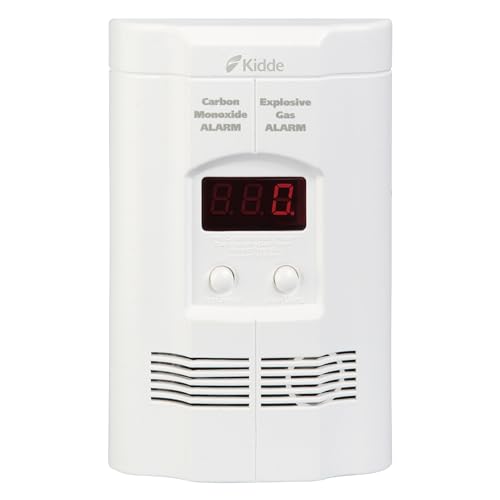 |
Kidde Carbon Monoxide Detector, Propane, Natural, Methane,Kidde | Our pick | Plug-in CO and combustible gas alarm | $79.64
Price as of 31 Oct 2026
|
View |
 |
Vancart Plug in Natural-Gas-Detector for Home,vancart | Budget pick | Plug-in natural-gas detector | $28.66
Price as of 31 Oct 2026
|
View |
 |
PT520A Natural Gas Detector, Gas Leak Detector with 17-InchTOPTES | Pair with it | Handheld leak detector with probe | $39.99
Price as of 31 Oct 2026
|
View |
If you only need one rule, match the detector to the gas first. Natural gas and propane rise and sink differently, and carbon monoxide needs its own alarm.
Price matters less than certification, sensor fit, and where the unit can actually sense the leak.
How we chose
We compared the detector type to the gas hazard, then checked mounting height, certification, and power source against normal home installation needs.
The main filter was simple: use a gas alarm for combustible gas, a separate CO alarm for carbon monoxide, and verify that any combo unit lists the exact gases it detects.
We also favored models that fit common home setups such as kitchens, furnace rooms, water heater closets, laundry rooms, and attached garages.
Finally, we looked for clear maintenance tradeoffs. Plug-in units reduce placement freedom, while battery-powered units offer more options but need battery checks.
Natural gas detector: best for methane leaks
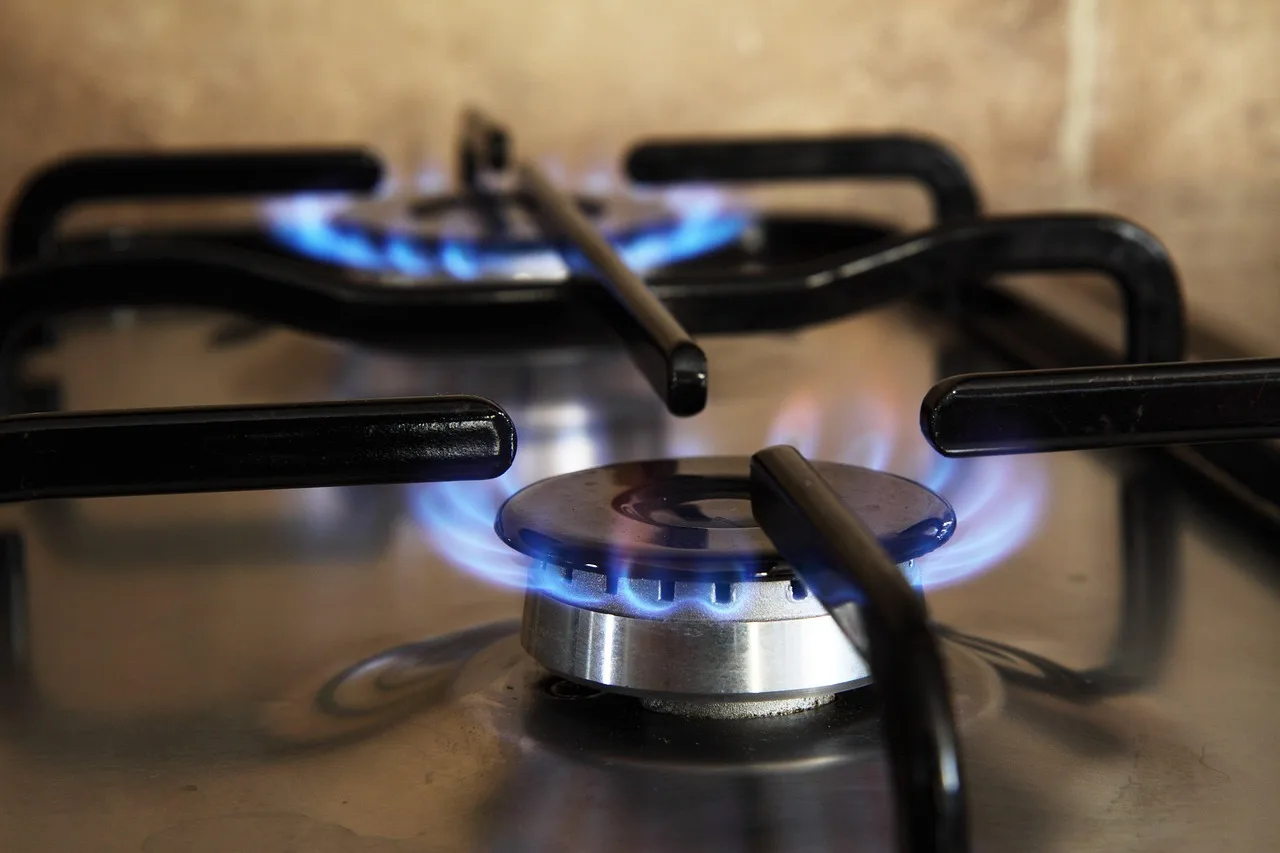
A natural gas detector is the right choice for methane leaks from a stove, furnace, or water heater line. It is not the same as a carbon monoxide alarm, and it should be placed according to methane behavior and the manufacturer’s instructions.
Natural gas is lighter than air and rises. That is why a methane detector is generally placed higher on a wall or near the ceiling, while a propane alarm goes low.
UL 1484 is the key listing to check for natural gas detectors. For sensing, semiconductor sensors are common in gas detectors and can identify methane and propane, while infrared detectors measure how methane absorbs specific wavelengths. The sensor type matters because response behavior and selectivity differ.
Use a natural gas detector in kitchens, near gas appliances, or where a leak could collect overhead before you smell it. A common mistake is mounting it low, where a methane leak may pass above the sensor.
Best use cases
Choose this type for a gas stove room, a furnace area with natural gas, or any room where methane is the primary concern. It is especially useful when you want fixed monitoring instead of a handheld leak checker.
Say your kitchen has a gas range and a wall oven in a room about 12 by 14 feet. A methane alarm mounted high near the appliance zone is more appropriate than a low-mounted propane unit, because the gas rises and may stratify near the ceiling first.
UL 1484 and sensor types to check
Buy a quality UL-listed detector, not a bargain unit from an unknown seller. For natural gas, prioritize UL 1484. If the product page only says “gas detector” without naming the gas list and listing, treat that as a warning sign.
Semiconductor sensors are common in combustible gas alarms. Infrared sensing is often used in fixed or higher-end models and can be a good fit when you want methane-specific detection. The key is to verify that the detector is intended for the gas in your home.
Mounting height and placement notes
For methane, place the alarm higher on the wall or near the ceiling, but still follow the manufacturer’s exact height range. Do not assume one universal height works for every model or every room.
Keep it out of dead air pockets, directly above a burner, or next to steam-heavy appliances. False alarms can come from poor placement, humidity, or cooking conditions that interfere with the sensor.
Propane detector: best for LPG areas
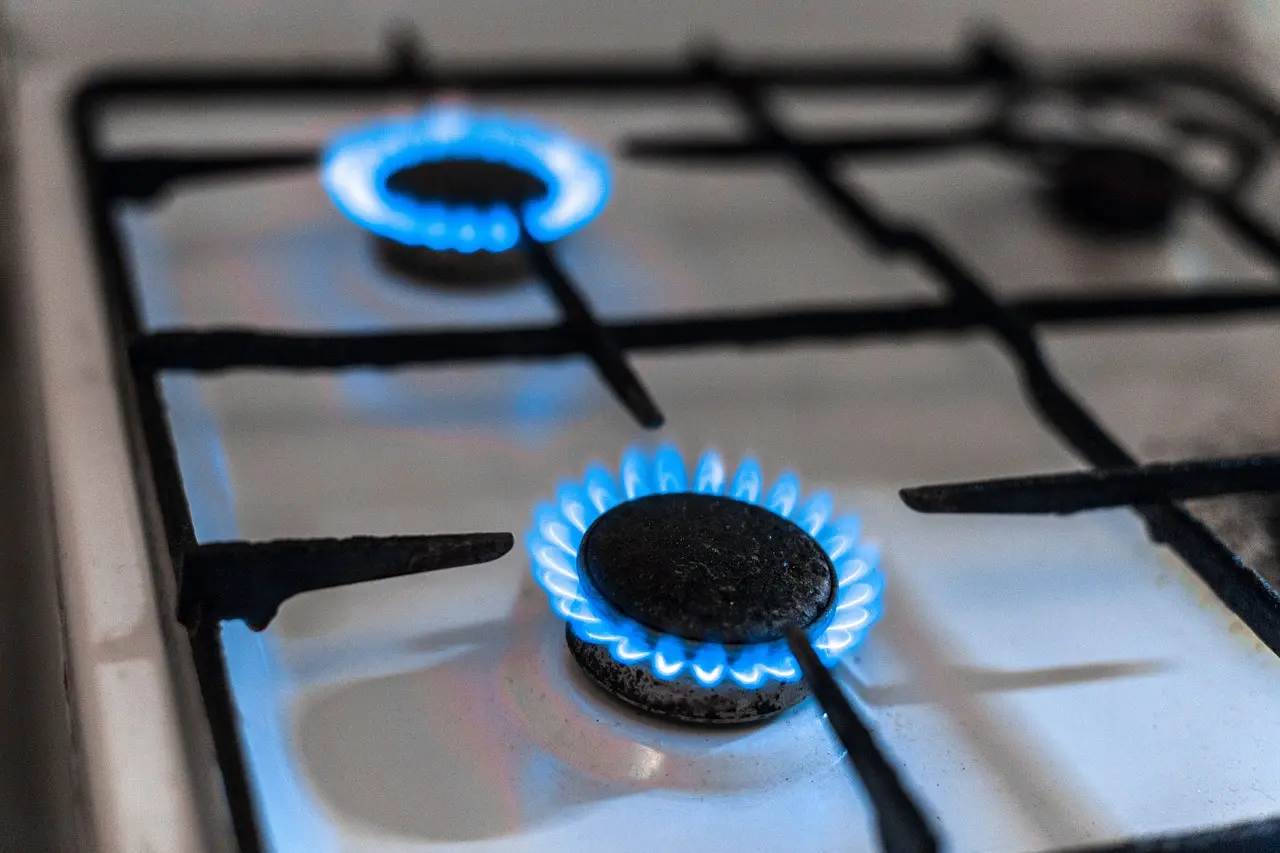
A propane detector is the right choice for LPG systems, propane appliances, and spaces where propane could collect near the floor. It should be mounted low because propane is heavier than air and sinks.
For propane, install gas leak detectors within 6 to 18 inches of the floor. That placement matches the way propane behaves and helps the alarm catch a leak before it spreads through the room.
A separate carbon monoxide detector is still needed near fuel-burning appliances. A propane alarm senses combustible gas, while a CO alarm senses the byproduct of incomplete combustion. Those are different hazards and different devices.
Use this type near propane water heaters, propane furnaces, or any room fed by cylinders or an LP line. A common mistake is mounting it at the same height used for methane, which can leave the detector above the gas layer.
Best use cases: choose propane detection
Choose propane detection for garages, utility rooms, cabins, or homes with LP appliances. It is also the safer match when the fuel source is propane cylinders or an LP-fed backup system.
Picture a basement utility room with a propane furnace and a floor-level gas line. A low-mounted propane detector is the right fit there, while a high-mounted methane unit could miss a leak that settles near the floor.
Why lower placement matters
Propane sinks into low areas, especially around corners, floor drains, or recessed utility spaces. That makes lower placement more important than price, display features, or smart alerts.
Do not place a propane detector up high just because it is easier to reach. That error can make a good alarm miss the hazard entirely.
When a separate CO alarm is still needed
Any propane appliance that burns fuel can create carbon monoxide if combustion is incomplete. That is why a propane detector does not replace a CO alarm near bedrooms or other sleeping areas.
Place the CO alarm where household guidance and the manufacturer recommend, then keep the propane alarm where combustible gas is likely to collect. One alarm does not cover both jobs unless its label clearly lists both gas functions and the relevant listing.
Multi-gas detector: best for mixed-fuel homes
A multi-gas detector is useful in a home that has both natural gas and propane risk, or when you want one fixed unit to cover more than one combustible gas. It can also be a practical choice near a utility area with mixed fuel sources.
Do not assume “multi-gas” means every hazard. You still need to confirm the exact gas list, sensing range, and certification. UL 2075 is the key standard to compare for multi-gas or combo units.
Some combo units also include carbon monoxide detection, but that does not make them automatically better. A fixed gas detector is not a replacement for a separate smoke and carbon monoxide safety layer.
When one combo unit makes sense
Choose a combo unit when the room has more than one fuel concern and the product clearly lists both gases it detects. That can be useful in a kitchen-plus-utility layout or a mixed-fuel home with one central monitoring point.
It is also practical when outlet access is limited and you want a single plug-in device near the most active appliance zone. The tradeoff is less flexibility if the gas sources are far apart.
What to verify before you buy
Check the exact gas list, not just the marketing headline. If you need methane and propane coverage, the label should say so plainly. If you also need CO protection, confirm that the unit is rated for that function and that it still does not replace a dedicated alarm where required.
Also check the sensor type and power source. A plug-in alarm requires a wall outlet, while a battery-powered alarm gives more mounting options but needs battery maintenance.
Limits of combo protection
Combo units can reduce clutter, but they can also create blind spots if one sensor is placed for the wrong gas. A methane sensor mounted low or a propane sensor mounted high may both be present in the same home, but neither is helping much if the gas-specific placement is wrong.
That is why many homes still do better with dedicated detectors in different rooms. Use the combo only when the gas list and placement plan truly fit the space.
Where should you install it?
Install the detector where the gas is most likely to collect, not just where there is an available outlet or a convenient wall. Kitchens, water heater closets, furnace areas, laundry rooms, attached garages, and basements all call for different placement based on the gas involved.
Kitchen with a gas stove
For a kitchen, place a natural gas detector high enough to catch rising methane, but not directly over the burners or right next to steam and grease sources. If the stove area is also your primary living space, add a separate CO alarm near sleeping areas.
A common first-timer mistake is putting the alarm inside a cabinet or behind a decorative panel because it looks tidier. That can slow detection and increase false alarms from trapped heat or poor airflow.
Water heater closet and furnace area
In a closet or furnace room with natural gas, use a methane alarm high on the wall or near the upper air space. If the equipment burns fuel, keep a separate CO alarm in the home as well.
For propane equipment, move the detector low. The same room can need different placement if the fuel source changes. That is why the gas type comes before the room label.
Attached garage and basement utility room
An attached garage often benefits from a propane- or combustible-gas-focused alarm near the floor if propane equipment or stored cylinders are present. Basements can be trickier because gas may pool low, but the fuel type still determines the height.
In laundry rooms or utility spaces, check for furnace exhaust, gas dryers, and water heaters. If the room has both combustion appliances and a combustible gas risk, separate sensors are often clearer than one all-purpose device.
Detector placement by home scenario
This table turns the main decision into a room-by-room check. Match the gas, then the height, then whether a separate CO alarm is still needed.
| Home scenario | Recommended sensor type | Mounting height | Separate CO detector still needed? | Common mistake to avoid |
|---|---|---|---|---|
| Gas stove | Natural gas detector for methane | High on wall or near ceiling | Yes | Mounting it low, where rising methane may pass above the sensor |
| Furnace | Natural gas detector for methane | High on wall or near ceiling | Yes | Using a CO alarm as the only gas detector |
| Water heater | Natural gas detector for methane | High on wall or near ceiling | Yes | Placing it inside a tight cabinet with poor airflow |
| Propane appliance | Propane detector for LPG | Low, within 6 to 18 inches of the floor | Yes | Putting it at the same height used for methane |
| Attached garage | Propane detector or mixed-gas detector, depending on fuel source | Low for propane, per label | Yes | Choosing a methane-only alarm when propane is the actual risk |
| Basement utility room | Natural gas, propane, or multi-gas detector based on the fuel list | Match the fuel: high for methane, low for propane | Yes | Assuming one height works for every gas in the room |
| Mixed-fuel home | Multi-gas detector with verified gas list and UL 2075 comparison | Follow the gas that dominates the room, or use dedicated alarms | Yes | Buying a combo unit without checking which gases it actually senses |
- Identify the fuel first: methane, propane, or both.
- Check whether the room needs a high mount, a low mount, or separate detectors.
- Verify the listing: UL 1484 for natural gas, UL 2075 for multi-gas units.
- Choose the power source that fits the installation, such as plug-in or battery-powered.
- Keep a separate carbon monoxide alarm in the home wherever fuel-burning appliances are present.
Kidde carbon monoxide and combustible gas alarm: best for plug-in mixed protection
This Kidde unit fits a homeowner who wants one plug-in alarm for both carbon monoxide and combustible gas monitoring in a room with outlet access. Based on the published specs, it combines CO detection with propane, natural gas, methane, and other explosive gas sensing, plus a battery backup for outages.
The main appeal is convenience. It covers more than one hazard in one device, and the LED display gives a status readout that can help with routine checks.
The drawback is also the tradeoff: one device is not always the best placement for two different gas behaviors. If the room needs low propane sensing in one area and high methane sensing in another, a single plug-in unit may not cover every risk zone as well as dedicated alarms.
Vancart plug-in natural-gas detector: best for simple methane monitoring
This Vancart alarm suits a homeowner who wants a straightforward plug-in detector for natural gas or other combustible gases in a kitchen, apartment, or RV. The published details emphasize 24/7 monitoring and a simple plug-and-play setup.
It is a practical pick for methane-focused monitoring where you have a nearby outlet and do not need a broader CO-focused package in the same unit.
The main drawback is that it is still an outlet-based device, so placement can be limited by where the receptacle sits. It also should not be treated as a substitute for a separate carbon monoxide alarm near sleeping spaces or fuel-burning appliances.
TOPTES PT520A gas detector: best for source finding
This TOPTES handheld detector is for locating a leak source, not for fixed-room monitoring. Its gooseneck probe helps you trace methane, propane, natural gas, LPG, or butane in tight spaces where a stationary alarm would not help you pinpoint the exact leak.
It is useful when you want to check around fittings, appliance connections, or lines after an alarm or odor is detected.
The drawback is that it is not a home safety alarm you leave in place. It is a diagnostic tool, so it does not replace a mounted UL-listed detector for ongoing protection.
Which one should you buy?
If your main concern is a single natural gas appliance, start with a UL 1484 natural gas detector mounted high. If you are dealing with propane, choose a propane alarm low near the floor. If the room has both gas and CO concerns, use dedicated alarms unless a combo unit clearly lists the gases you need and fits the room layout.
For the tightest budget, a simple plug-in natural gas alarm is often the easiest first buy for a methane-only space. For mixed-fuel homes, a UL 2075 combo unit can be reasonable, but only if you confirm the gas list and accept the placement compromise.
If you need leak-finding rather than fixed monitoring, add a handheld source-finding tool separately. That is a different job from a wall-mounted safety alarm.
For power source, plug-in units suit rooms with accessible outlets and steady layouts. Battery-powered alarms are better when outlet placement is awkward or when you need more mounting freedom, but they require battery upkeep.
Frequently asked questions
What is the best detector type for a home with gas appliances?
The best type depends on the fuel and the room. Use a high-mounted methane detector for natural gas, a low-mounted propane detector for LPG, and a separate carbon monoxide alarm for combustion byproducts. If the home has multiple fuel sources, a verified multi-gas unit may help.
Do I need a natural gas detector, a CO detector, or both?
For fuel-burning appliances, you usually need both because they detect different hazards. Gas detectors sense natural gas or propane, while CO detectors sense the byproduct of incomplete combustion. One device does not replace the other unless the product label clearly covers both functions.
Should a methane detector be mounted high or low?
A methane detector should generally be mounted high because natural gas is lighter than air and rises. Place it according to the manufacturer’s instructions, but do not use propane placement rules for methane. Wrong height is a common reason an otherwise good alarm misses a leak.
Can one detector cover both natural gas and propane?
Some multi-gas detectors can cover both, but you must confirm the gas list and sensing range before buying. UL 2075 is the key comparison standard for combo units. If the room has different gas behaviors or separate risk zones, dedicated detectors are often safer.
What type of detector should I use near a furnace or water heater?
Near a furnace or water heater, choose the detector based on the fuel. For natural gas, mount a methane alarm high. For propane, mount the alarm low. A carbon monoxide detector is still needed in the home because combustion appliances can produce CO during incomplete burning.
Where should I install a detector in a kitchen with a gas stove?
Install a natural gas detector in the kitchen where it can sense rising methane, but not directly over the burners or where steam and grease can interfere. Keep it in the appliance zone, follow the label for height, and add a separate CO alarm near sleeping areas if needed.
Sponsored / affiliate links. As an Amazon Associate I earn from qualifying purchases. I may earn additional commission from eligible campaigns.