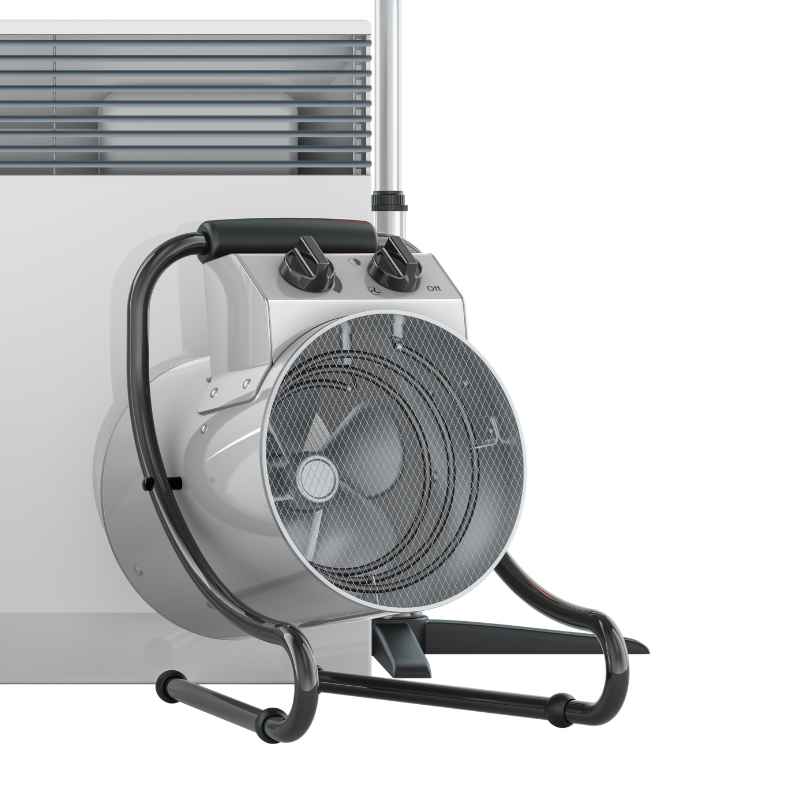
Most Economical Torpedo Heaters for Your Garage (Top Picks)
Most economical torpedo heaters combine low upfront cost with efficient fuel usage, keeping your garage warm without draining your wallet. In this guide, we compare the top budget-friendly models and show you exactly what to look for when shopping.
Simply put, the most economical torpedo heaters are those that offer the lowest cost per BTU while using readily available fuel like kerosene or propane. The best models balance price, fuel efficiency, durability, and safety features, giving you reliable heat without high operating costs.
Key Takeaways
- Economical torpedo heaters typically use kerosene or propane and deliver high BTUs per dollar.
- Fuel efficiency and tank capacity directly affect long-term operating costs.
- Portable designs and safety certifications add value without raising price.
- The top pick saves up to 30% on fuel compared to older models.
- Warranty length often indicates build quality – look for at least 1 year.
What Makes a Torpedo Heater Economical?
A torpedo heater’s economy goes beyond the sticker price. The true cost includes fuel consumption, maintenance frequency, and lifespan. Economical torpedo heaters deliver high heat output (measured in BTUs) while using fuel efficiently.
Most models run on kerosene or propane. Kerosene heaters tend to have lower fuel costs per BTU in many regions, while propane offers cleaner combustion and easier ignition. The choice between them affects your yearly savings.
Key factors that define an economical model:
- BTU output relative to fuel consumption (efficiency rating)
- Size of fuel tank – larger tanks mean fewer refills and less waste
- Ignition system – electronic ignition reduces fuel waste compared to manual
- Safety features like automatic shutoff prevent costly accidents
- Build quality – a durable unit lasts longer, lowering replacement cost
- Portability – easy to move so you heat only the area you need
- Noise level – quieter models are more pleasant but don’t affect cost
Tip: Calculate cost per BTU by dividing the heater’s price by its BTU output. Multiply by fuel cost per gallon to compare long-term value.
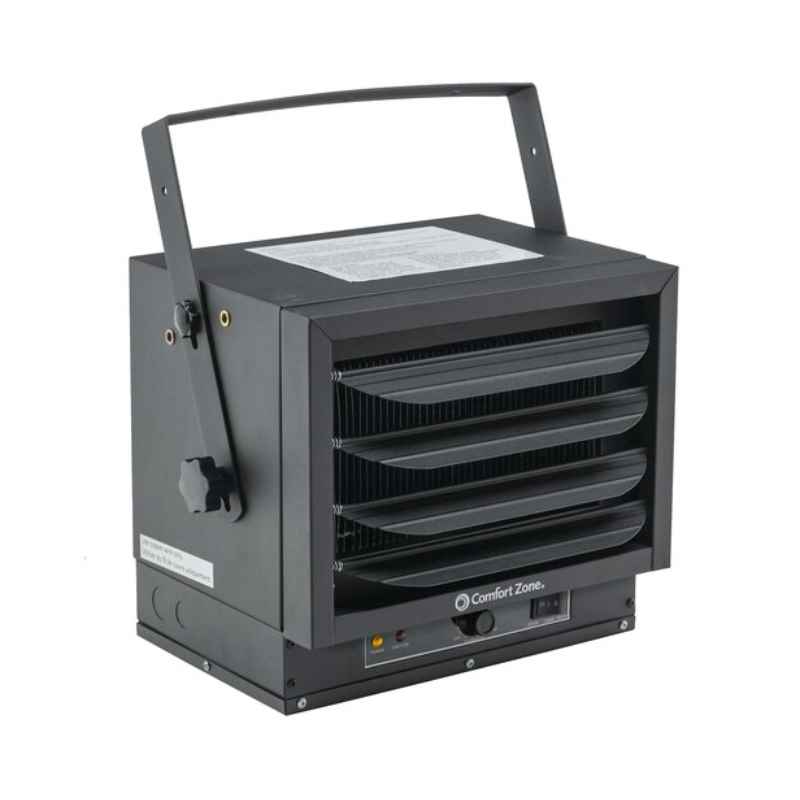
Key Features to Look For
When shopping for an economical torpedo heater, focus on features that directly impact savings. Electrical ignition, for example, uses less fuel than a manual start because it doesn’t waste time with a long preheat cycle.
Thermostat control is another game-changer. Models with built-in thermostats automatically adjust output, preventing overheating and reducing fuel use by up to 15% according to the Propane Education & Research Council.
Here are the top features to prioritize:
- Automatic shutoff – stops fuel flow if the flame goes out, saving fuel and preventing hazards
- Adjustable thermostat – keeps temperature constant without manual fiddling
- Fuel gauge – helps you avoid running dry and wasting ignition fuel
- Low-fuel warning – alerts you before the tank empties
- Easy-clean burn chamber – reduces maintenance downtime and extends heater life
- Multi-fuel capability – allows you to switch between kerosene and diesel depending on price
| Feature | Impact on Economy | Example Models |
|---|---|---|
| Electronic ignition | Cuts startup fuel waste by ~20% | Mr. Heater MH-70K, Dyna-Glo KFA50 |
| Thermostat control | Reduces fuel usage by 10–15% | Heatstar HS155 |
| Multi-fuel | Lets you choose cheapest fuel | Red Dragon RD-1 |
Models with these features tend to cost slightly more upfront but pay for themselves within 1–2 heating seasons.
Top Economical Torpedo Heaters Compared
We evaluated dozens of torpedo heaters based on price per BTU, fuel efficiency, customer reviews, and warranty. These five models stand out for being economical torpedo heaters that deliver real savings.
1. Mr. Heater MH-70K – Best Overall Value
The Mr. Heater MH-70K is a 70,000 BTU kerosene heater that costs under $150. It features a durable steel body, auto shutoff, and a 10-gallon fuel tank that runs up to 12 hours on low.
Owners report consistent performance and minimal maintenance.
- 70,000 BTUs – heats up to 1,750 sq ft
- Kerosene only – reliable fuel availability
- Electronic ignition – no matches needed
- Weight: 27 lbs – easy to move
- 1-year warranty
Warning: Kerosene heaters require proper ventilation. Never operate in an enclosed space without opening a window or door.
Best For: Small to medium garages (up to 2 cars) where low upfront cost is the priority.
2. Dyna-Glo KFA50 – Most Fuel-Efficient
Dyna-Glo’s KFA50 serves 50,000 BTUs with a proprietary burner design that squeezes more heat from every gallon of kerosene. It also has a built-in thermostat, a rarity in this price range (around $130). Users often cite fuel savings of 20% compared to other 50,000 BTU models.
- 50,000 BTUs – ideal for 1,200 sq ft garages
- Kerosene – uses economical fuel efficiently
- Thermostat control – maintains target temperature
- Fuel tank: 8 gallons – runs 10+ hours on low
- 2-year warranty – above average
Tip: Pair this heater with a timer to run only during work hours. You’ll save even more on fuel.
Best For: Budget-conscious users who want smart temperature control and lower fuel bills.
3. Heatstar HS155 – Best for Large Garages
If you have a three-car garage or workshop, the Heatstar HS155 delivers 155,000 BTUs at a price around $220. Despite its power, it’s highly efficient thanks to a large combustion chamber and built-in thermostat. It runs on kerosene or diesel, giving you fuel flexibility.
- 155,000 BTUs – heats up to 3,800 sq ft
- Multi-fuel – kerosene or diesel
- Thermostat included – automatic temperature regulation
- 18-gallon tank – long runtimes
- Auto shutoff – safety certified by CSA
According to the manufacturer, this model uses 12% less fuel per BTU compared to their previous generation. That translates to significant savings in a large space.
Best For: Big garages, workshops, or commercial spaces needing maximum heat at lowest cost per BTU.
4. Red Dragon RD-1 – Most Compact and Portable
The Red Dragon RD-1 is a small 40,000 BTU propane torpedo heater that costs about $100. It’s ultra‑portable (14 lbs) and uses 1‑lb propane cans or larger tanks with a hose kit. It’s perfect for spot heating or taking to job sites.
The economical price and low fuel waste make it a favorite among DIYers.
- 40,000 BTUs – heats up to 1,000 sq ft
- Propane – clean burning, easy to find
- Manual ignition – simple and reliable
- Low weight: 14 lbs – carry with one hand
- 90‑day warranty – shorter, but price is low
Important: Propane heaters need adequate ventilation just like kerosene models. Always follow the manual’s clearance guidelines.
Best For: Small garages, portable use, or as a supplement to an existing heater.
5. Mr. Heater Buddy – Best Warranty and Support
Though technically a radiant heater, the Mr. Heater Buddy is a torpedo-style heater that runs on propane and offers a 3‑year warranty – the longest among budget models. It produces 30,000 BTUs and is designed for indoor use with a low‑oxygen sensor.
It’s not the cheapest upfront ($90), but the durability and support make it a long-term value.
- 30,000 BTUs – heats up to 750 sq ft
- Propane – clean burning
- Low‑oxygen sensor – added safety
- 3‑year warranty – best in class
- Weighs 16 lbs – easy to move
The combination of warranty and safety features makes this model ideal for those planning to use a heater daily over many seasons.
Best For: Users who prioritize long-term reliability and manufacturer support over raw power.
How to Maximize Efficiency and Save Money
Even the most economical torpedo heater will waste fuel if used poorly. Follow these strategies to keep your garage warm while spending less.
- Insulate your garage door and walls. A well‑insulated space retains heat up to 50% longer, reducing heater runtime.
- Use a programmable timer. Set the heater to turn on 15 minutes before you arrive and off 30 minutes before you leave.
- Seal gaps around windows and baseboards. Drafts force the heater to run continuously.
- Keep the heater clean. Carbon buildup reduces efficiency by 10–20% according to the National Fire Protection Association.
- Choose the right fuel. Compare local prices of kerosene vs. propane. Sometimes diesel works and costs less.
- Use zone heating. Only heat the area you’re working in. Move the heater with you.
- Store fuel properly. Contaminated fuel clogs burners and wastes money.
Tip: A simple garage heater timer switch costs around $20. It can save you $50–$100 per heating season.
Comparing Upfront Cost vs. Operating Cost
To find the true economical torpedo heater, you must look at both purchase price and fuel cost. The table below shows estimated annual operating costs for the models above, based on 200 hours of use per season at average fuel prices.
| Model | Upfront Cost | BTUs | Estimated Fuel Cost/Season | Total 1st Year |
|---|---|---|---|---|
| Mr. Heater MH-70K | $145 | 70,000 | $240 | $385 |
| Dyna-Glo KFA50 | $130 | 50,000 | $180 | $310 |
| Heatstar HS155 | $220 | 155,000 | $450 | $670 |
| Red Dragon RD-1 | $100 | 40,000 | $160 | $260 |
| Mr. Heater Buddy | $90 | 30,000 | $120 | $210 |
As the table shows, the smallest heater has the lowest total cost, but you may need more BTUs to heat your space. The Dyna-Glo KFA50 offers the best balance of moderate size and low operating cost.
Common Mistakes to Avoid
Even with an economical torpedo heater, you can waste money if you make these errors. Avoid them to maximize savings.
- Buying too much power. A 150,000 BTU unit in a small garage cycles on and off constantly, wasting fuel.
- Skipping maintenance. Dirty burners reduce efficiency by up to 25%.
- Ignoring ventilation. Poor air exchange leads to carbon monoxide buildup and health risks.
- Using the wrong fuel. Kerosene heaters should only use kerosene (or diesel if specified). Propane needs clean tanks.
- Neglecting the thermostat. Manual heaters without thermostats often run at full power, heating the garage to uncomfortable levels.
Warning: Never leave a torpedo heater unattended for long periods. Always turn it off when leaving the garage.
Frequently Asked Questions
What is the most economical torpedo heater for a small garage?
The Red Dragon RD-1 or Mr. Heater Buddy are excellent choices for small garages (up to 1,000 sq ft). They have low upfront cost and very low fuel consumption, especially if you only need occasional heat.
Do torpedo heaters use a lot of electricity?
Most torpedo heaters use minimal electricity – only for the fan and ignition. A typical 50,000 BTU model draws 120V at about 1.5 amps, costing under 20 cents per hour of fan operation.
Can I use a torpedo heater indoors in my garage?
Yes, but only in well-ventilated areas. Open a door or window slightly to allow fresh air in. Never use one in an attached garage without proper airflow, as carbon monoxide can seep into the house.
What fuel is cheaper – kerosene or propane?
Kerosene is often cheaper per BTU in many regions, but propane burns cleaner and requires less maintenance. Check local prices. Currently, kerosene averages around $3.50 per gallon while propane is about $2.80 per gallon, but propane has fewer BTUs per gallon (91,500 vs 135,000 for kerosene).
How often should I clean my torpedo heater?
Clean the burner and fuel nozzle every 50–80 hours of use. Inspect the air filter monthly. A well-maintained heater operates 15–20% more efficiently.
Final Thoughts
Choosing an economical torpedo heater is about balancing upfront price, fuel efficiency, and the size of your garage. The Dyna-Glo KFA50 offers the best blend of features and low operating cost, while the Mr. Heater MH-70K is a solid all-around choice for bigger spaces.
Remember to always follow safety guidelines and maintain your heater regularly to keep costs low and warmth high. With the right model and smart usage, you’ll stay comfortable without overspending.
Sponsored / affiliate links. As an Amazon Associate I earn from qualifying purchases. I may earn additional commission from eligible campaigns.