Do Hussmann Drain Pan Heaters Stay Energized All The Time?
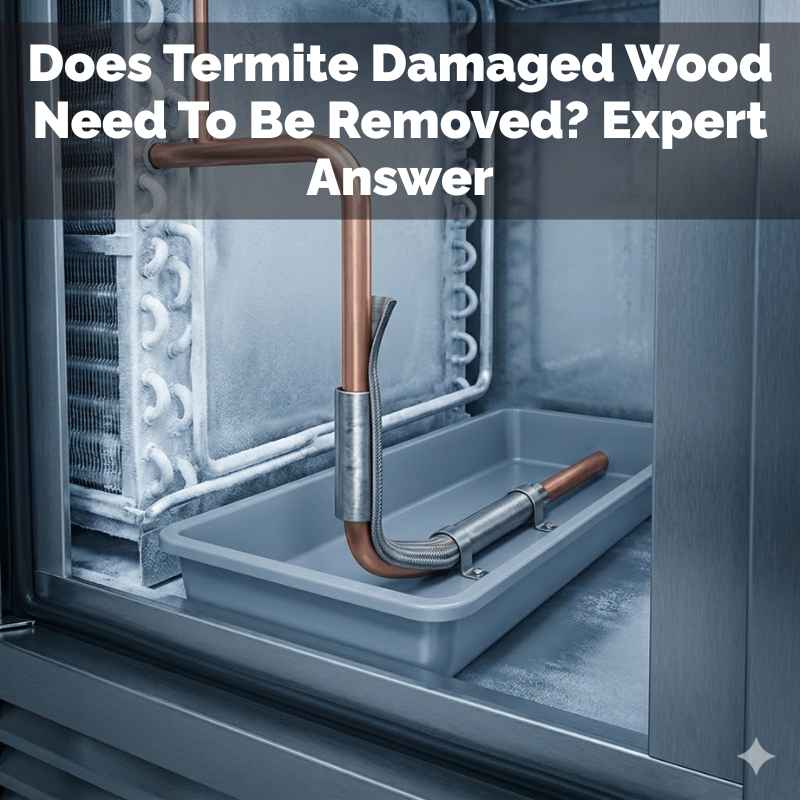
It’s a question that pops up when you’re thinking about how refrigerators work. Specifically, what’s going on inside that little drain pan at the bottom? For anyone running a food service business or managing a commercial kitchen, keeping food cold and safe is number one.
Sometimes, little details about the equipment can cause big worries. One of those details might be whether certain parts, like drain pan heaters in Hussmann units, are always on. It’s a smart thing to wonder about.
You want your equipment to work right, save energy, and most importantly, keep your food from spoiling. Let’s dive into this and get a clear picture.
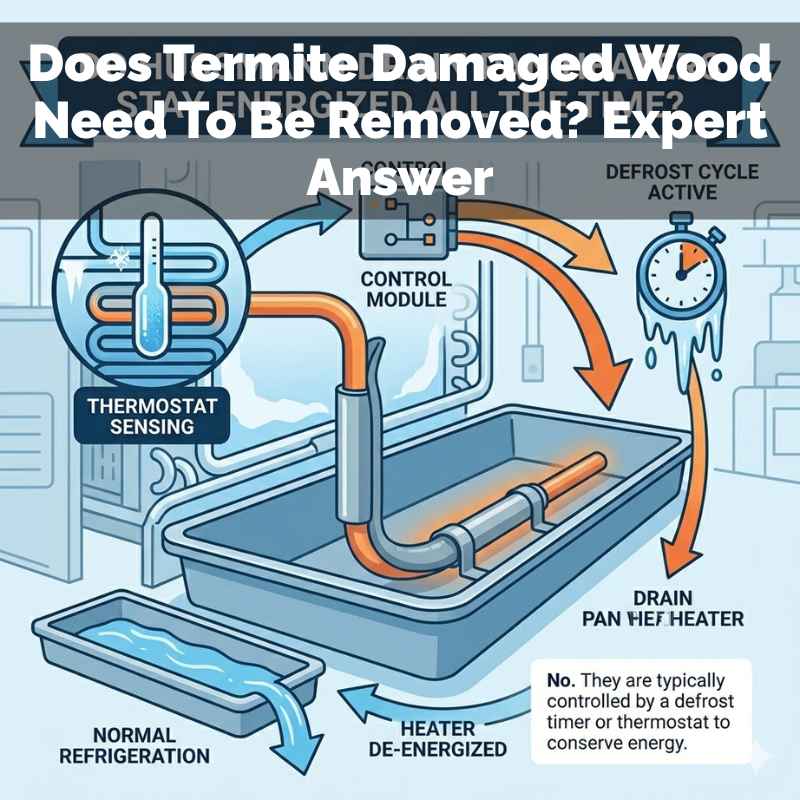
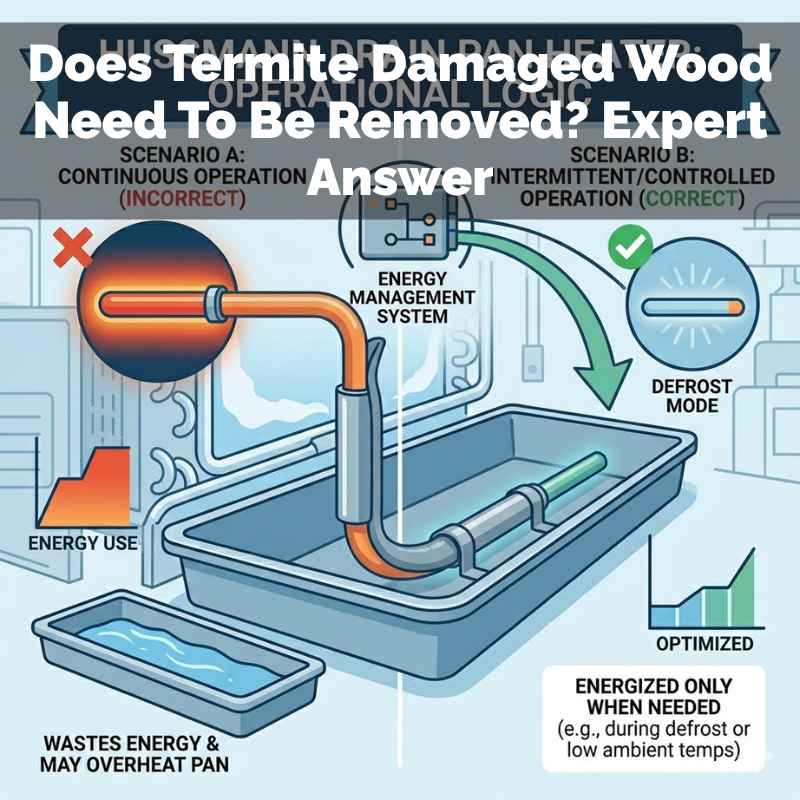
Hussmann drain pan heaters are designed to cycle on and off, not stay energized all the time. They activate based on temperature or moisture levels to prevent ice buildup, which saves energy and extends the life of your refrigeration system. Understanding this cycling behavior is key to efficient operation and food safety.
Understanding Hussmann Drain Pan Heater Operation
So, let’s break down how these drain pan heaters actually work in a Hussmann refrigeration system. Think of it as a smart little helper. It doesn’t need to run all day, every day.
Its main job is to stop trouble before it starts. This trouble is usually ice or frost. Frost can build up in the drain pan.
This pan catches water from the defrost cycle. If that water freezes, it can cause all sorts of problems.
The heater is there to melt any ice that starts to form. It keeps the drain line clear. This is super important for the overall health of your cooler or freezer.
When the heater is on, it uses a little bit of electricity. It gently warms the pan. This stops water from turning into ice.
But, and this is the big part, it’s not on all the time. That would be a waste of power. It would also be overkill for the system.
Most of these heaters use a thermostat or a moisture sensor. The thermostat checks the temperature in the pan. If it gets too cold, close to freezing, it tells the heater to turn on.
Once the temperature is a little warmer, the thermostat tells the heater to turn off. Some systems might use a sensor that detects moisture. If there’s standing water that could freeze, the heater kicks in.
When the water is gone or has warmed up, the sensor tells it to switch off.
This cycling is what makes them energy-efficient. It also means they aren’t constantly running. They only work when they are needed.
This prevents issues like a frozen drain line. A frozen line can lead to water backing up. This could then leak out and cause water damage.
It can also lead to ice buildup inside the unit. This reduces cooling efficiency. The heater is a preventative measure.
It’s there to make sure the drain system works smoothly.
The heating element itself is usually a simple resistive coil. It’s built to withstand the damp environment of the drain pan. It’s a pretty robust piece of equipment.
The control system, whether it’s a thermostat or a sensor, is also designed to be reliable. It needs to work accurately for a long time. The whole point is to keep the drain pan clear without using unnecessary power.
So, no, they are not energized all the time. They have a job to do, and they do it only when necessary.
My Own Close Call with a Frozen Drain Line
I remember one particularly hot summer day. I was managing a busy cafe. The walk-in cooler was working overtime.
All the drinks and food needed to stay perfectly chilled. I’d just finished a big catering order and was doing my final check before heading home. I walked past the walk-in, and I heard something odd.
It wasn’t a normal hum. It was a sort of faint, rhythmic dripping sound. But it sounded… sluggish.
Like the water wasn’t falling freely.
My stomach did a little flip. I pushed open the walk-in door. A blast of cold air hit me.
I looked down at the drain pan at the very bottom. It looked okay at first glance. But as I got closer, I could see a thin layer of ice forming around the edges.
And in the center, where the drain hole should have been clear, there was a frozen plug. The dripping sound was just meltwater from the coils above, slowly seeping past the ice, not draining properly.
Panic started to set in. This was a recipe for disaster. If that ice plug got bigger, water would start backing up.
It could spill out onto the floor. Worse, it could freeze more inside the unit, making it less efficient. And if the drain line was completely blocked, the defrost water would have nowhere to go.
I knew the drain pan heater was supposed to prevent this. But clearly, something wasn’t right. Was it broken?
Was it not turning on when it should have?
I quickly grabbed a flashlight. I knelt down and peered under the unit, trying to see the heater element itself. It was hard to tell if it was warm or not.
I didn’t have any tools with me. I felt so helpless for a moment. All those groceries, all that product, at risk because of a small frozen plug.
It was a stark reminder of how these small components are critical. I ended up having to call an emergency refrigeration technician that night. He came out, defrosted the plug with a special steamer, and tested the heater.
It turned out the thermostat controlling it had failed. It wasn’t telling the heater to turn on. He replaced it, and thankfully, we avoided a major spoilage incident.
It was a scary experience that taught me to pay closer attention to those little details in my kitchen equipment.
Drain Pan Heater: What It Does & Why It Matters
Purpose: Prevents water from freezing in the drain pan and drain line.
How it Works: Activates when temperatures drop to prevent ice formation.
Benefits:
- Keeps drain lines clear.
- Prevents water leaks and damage.
- Maintains cooling efficiency.
- Reduces the risk of costly food spoilage.
Energy Use: Designed to cycle on and off, using power only when needed.
The Science Behind the Cycling Heater
Let’s get a little deeper into the technical side, but keep it simple. The core idea is temperature control. Refrigeration units have a defrost cycle.
This cycle melts frost from the evaporator coils. This meltwater then flows down into the drain pan. In cooler climates, or even in standard freezers, the ambient temperature around the drain pan might be low enough that this water can freeze.
This is where the heater comes in.
The heater element is usually positioned under or within the drain pan. It’s connected to a control system. This system is typically a snap-action thermostat.
These are common for simple temperature control. Think of them like the thermostat in your house, but on a smaller scale. When the temperature in the pan drops below a certain point, say around 35-40 degrees Fahrenheit (1.7-4.4 degrees Celsius), the thermostat closes an electrical circuit.
This sends power to the heater.
The heater then gets warm. It gently heats the pan. This raises the temperature of the meltwater above freezing.
The water can then flow freely through the drain line. Once the temperature rises to a safe level, perhaps around 50-60 degrees Fahrenheit (10-15.5 degrees Celsius), the thermostat opens the circuit again. This cuts power to the heater.
It then cools down until the temperature drops again.
Some advanced systems might use a more sophisticated sensor. This could be a thermistor or a defrost termination sensor. These can provide more precise temperature readings.
They might even be linked to the overall defrost timer. This allows for more intelligent control. For example, a sensor might detect that the coils are fully defrosted.
It could then signal the system to skip the heater cycle if the ambient temperature is warm enough. This is even more energy efficient.
The key takeaway here is that this is a reactive system. It responds to conditions. It doesn’t just run constantly.
Constant operation would mean the heater is on even when the meltwater has already drained or when the ambient temperature is too high to cause freezing. This would waste electricity. It could also potentially overheat components or even dry out the pan too much.
The energy consumption of these heaters is actually quite low. They are usually low wattage. They are designed to run for short periods.
Modern energy efficiency standards mean manufacturers are always looking for ways to reduce power usage. That’s why these cycling controls are so important. They are a fundamental part of how commercial refrigeration stays efficient and reliable.
They are built to be smart, not just powerful.
Drain Pan Heater Control Types
- Thermostatic Control: Uses a thermostat to sense temperature. Activates heater when temp drops below a set point.
- Moisture Sensor Control: Detects the presence of water that could freeze. Less common for basic heaters.
- Integrated System Control: Advanced units may tie into the main defrost timer or sensors for more complex logic.
Result: Heater cycles on and off as needed, saving energy.
Common Scenarios Where Drain Pan Heaters Are Crucial
Where do you most often find these drain pan heaters working hard? It’s usually in places where temperature swings are common. Or where the environment naturally gets cold enough to risk freezing.
Let’s look at a few typical situations. These will paint a clearer picture of why they are so vital.
Walk-in Coolers and Freezers: This is the most obvious place. These units maintain very low temperatures. Even in a cooler set at 35°F (1.7°C), the drain pan can get colder.
Especially when the defrost cycle is active. The meltwater can chill down quickly. If the ambient air in the room is also cool, or if the unit is in a less-than-ideal location, freezing is a real risk.
For freezers, it’s an even bigger concern. Temperatures well below freezing mean the drain pan is almost guaranteed to freeze without a heater.
Display Cases: Think of the refrigerated display cases in a grocery store or convenience store. These are constantly exposed to ambient room temperatures. While the display area is cold, the exterior and the lower drainage areas can be much warmer.
However, during the defrost cycle, significant amounts of water are produced. If the store’s air conditioning is running hard, or if the case is near a draft, that water can still freeze in the pan. This can cause visible frost on the floor near the case or affect its door seals.
Reach-In Refrigerators/Freezers: These are the standalone units you see in kitchens and back rooms. They operate much like a walk-in but on a smaller scale. They often have similar defrost cycles.
If they are located in a cooler storage area, or if they are older models not designed for peak energy efficiency, their drain pans can become a freezing hazard. The heater ensures consistent performance regardless of minor environmental changes.
Ice Machines: Some commercial ice machines have a drain pan. This pan collects any excess water. If the ice machine is in a cooler environment, or if it’s not used constantly, this water could freeze.
While less common than in refrigeration, it’s a possibility that a drain pan heater can prevent. A frozen drain can stop the ice machine from producing ice efficiently.
Under-Counter Refrigerators: These are frequently found in busy bars or under food prep counters. They experience frequent door openings. This can cause temperature fluctuations.
The meltwater from their defrost cycles needs to be managed. In many models, a small heater helps ensure the drain remains clear, especially during busy periods when the unit is working hard.
In all these scenarios, the heater’s role is consistent: prevent ice. It acts as a fail-safe. It ensures that the normal operation of the refrigeration system doesn’t lead to a blockage or system failure.
It’s a simple but effective solution to a common problem in cold environments. The heater is often overlooked, but its function is critical for the longevity and efficiency of the entire appliance.
Where You’ll Find Drain Pan Heaters Working
- Walk-in Coolers/Freezers: Essential for low-temp environments.
- Refrigerated Display Cases: Prevents ice on store floors.
- Reach-In Units: Ensures consistent performance in various locations.
- Commercial Ice Machines: Stops drain blockages.
- Under-Counter Refrigerators: Handles frequent door openings.
Key Idea: They are crucial where temperature variations or low ambient conditions exist.
When to Be Concerned: Signs Your Heater Might Not Be Working
We know the heater isn’t on all the time. But how do you know if it’s on when it should be? And what are the signs that it’s not doing its job?
This is where you can become a bit of a detective for your own equipment. Watching for certain things can help you catch a problem early.
The most common indicator is visible ice buildup. If you see ice forming in the drain pan itself, especially around the drain hole, that’s a red flag. Remember, the heater’s job is to prevent this.
If ice is there, the heater likely isn’t turning on, or it’s not powerful enough for the conditions. This is the exact scenario I ran into in my cafe.
Another sign is a frozen or blocked drain line. You might notice water not draining from the pan as quickly as it should. Or, you might see water pooling in the pan.
If the drain line is completely frozen, water can back up. It might then spill out of the pan. This can lead to puddles of water inside the unit or even outside it.
Some units have an indicator light or an alarm for a blocked drain, but not all do.
You might also notice reduced cooling efficiency. If the drain line is blocked, frost can start to build up on the evaporator coils. This is because the meltwater isn’t draining away.
The coils then get coated in ice. This ice acts as an insulator. It prevents the coils from effectively cooling the air.
The unit will have to run longer to try and achieve the set temperature. You might notice the temperature is higher than it should be. Or it fluctuates more than usual.
Occasionally, you might get unusual noises. A slow, gurgling, or dripping sound that seems “off” can be a sign of water struggling to drain. It’s not a loud noise, but it’s different from the normal operating sounds of the refrigerator.
This is the subtle clue that something is not quite right with the water flow.
Finally, if the unit is older and the heater has failed completely, you might notice condensation issues. For example, if the drain pan is very cold and the heater isn’t on, condensation can form. This condensation can then freeze.
This creates a cycle of ice buildup.
It’s important to remember that these heaters are usually simple. They don’t have complex electronics that often fail. The most common points of failure are the thermostat or the heating element itself burning out.
If you suspect an issue, especially if you see ice, it’s best to call a qualified refrigeration technician. They have the tools and knowledge to safely test the heater and its controls. They can get your system back to normal operation.
Warning Signs of a Faulty Drain Pan Heater
- Visible ice in the drain pan or around the drain hole.
- Water pooling or slow drainage from the pan.
- Ice buildup on evaporator coils (leading to reduced cooling).
- Unusual dripping or gurgling sounds from the drain area.
- Persistent condensation that turns to ice.
Action: If you see these, contact a professional for inspection.
Energy Efficiency and the Cycling Heater
Let’s talk about saving money. And being a bit kinder to the planet. The fact that Hussmann drain pan heaters cycle on and off is a huge win for energy efficiency.
If they were on all the time, it would be like leaving a small light on 24/7, but with a heating element. That adds up!
Commercial refrigeration units already use a good amount of electricity. They have to run compressors and fans constantly to maintain cold temperatures. Adding a heater that runs non-stop would significantly increase the overall energy bill for a business.
Manufacturers know this. So, they design components like drain pan heaters to be smart. They only draw power when they are absolutely needed.
The thermostat or sensor is key here. It’s the brains of the operation. It constantly monitors the temperature or moisture.
When conditions require heat to prevent freezing, it engages the heater. This is typically for short bursts. It might only be for a few minutes during or after a defrost cycle.
Once the danger of freezing has passed, the circuit is broken. The heater cools down. No electricity is used.
This cycling also helps prevent overheating. If a heater were to run continuously, it could potentially get too hot. This might damage the pan, the surrounding components, or even the insulation.
By cycling, the heater has time to cool down between activations. This extends its lifespan and ensures safer operation.
Think about it this way: the goal is to melt frost from the coils. That meltwater then needs to drain. The drain pan heater’s job is to make sure the path for that water stays open.
It’s not trying to warm up the entire refrigerator. It’s just providing localized heat where it’s needed most. This targeted approach is what makes it energy-efficient.
When a drain pan heater is working correctly, it’s actually contributing to the overall efficiency of the refrigeration system. How? By preventing problems.
A frozen drain line can force the unit to work harder. This uses more energy. A blocked drain can lead to ice on coils, further reducing efficiency.
So, a properly cycling heater is an investment. It helps the main refrigeration system run smoothly and use less power over time.
For businesses, this translates directly into lower operating costs. For homeowners with commercial-style units, it means a lower electric bill. It’s a small component with a big impact on overall energy consumption.
The smart design of these cycling heaters is a testament to the focus on efficiency in modern appliance manufacturing. They are a perfect example of how a little bit of smart technology can save a lot of energy and money.
Energy-Saving Design of Drain Pan Heaters
- Cycling Operation: Heaters turn on only when necessary, not constantly.
- Temperature/Moisture Sensors: Act as smart switches to control heater activity.
- Targeted Heating: Heats only the drain pan area, not the whole unit.
- Prevents Inefficiency: A clear drain line helps the main refrigeration system run better.
Benefit: Lower electricity bills and reduced energy waste.
Quick Checks and Simple Maintenance Tips
While most of the time these heaters operate without much fuss, there are a few things you can do to help keep them in good working order. These are simple checks, not complex repairs. They are meant to give you peace of mind and potentially catch small issues before they become big ones.
Regular Visual Inspection: This is the easiest thing you can do. Periodically, take a look at the drain pan. Is it clear?
Do you see any signs of ice buildup, especially after a defrost cycle? If you do, investigate further. This simple check can save you a lot of trouble.
Listen for Unusual Noises: As mentioned before, pay attention to the sounds your refrigerator makes. A sudden change, like a persistent dripping or gurgling from the drain area, could indicate a problem with water flow. This might mean the heater isn’t doing its job.
Monitor Temperature Readings: If your unit has a digital display, keep an eye on the temperature. Is it holding steady? If you notice the temperature creeping up or fluctuating more than usual, it could be a sign of a clogged drain and subsequent coil icing, which a working heater would prevent.
Keep the Area Around the Unit Clear: Ensure there’s good airflow around your refrigerator or freezer. Don’t block the vents. This helps the unit operate efficiently.
It also allows for better air circulation around the drain pan area, which can indirectly help prevent freezing.
Professional Servicing: This is the most important tip. It’s wise to have your refrigeration equipment serviced regularly by a qualified technician. They can perform thorough checks.
They can test the heater element, thermostat, and all associated wiring. Many preventative maintenance plans include checking these components. This can catch problems before they lead to breakdowns or food spoilage.
Think of these checks like giving your car an oil change. It’s preventative. It helps ensure everything is running smoothly.
For commercial equipment, this can mean the difference between a perfectly operating unit and a costly emergency repair. The drain pan heater is a small part, but it plays a big role in the overall health of your refrigeration system. Taking a few moments to be aware of its function and appearance can save you a lot of hassle.
Simple Maintenance for Your Drain Pan Heater
- Inspect the Drain Pan: Look for ice or standing water.
- Listen to Your Unit: Note any new or unusual sounds.
- Check Temperatures: Ensure the unit is maintaining its set point.
- Ensure Good Airflow: Keep vents clear around the appliance.
- Schedule Pro Servicing: Have a technician check the heater and controls regularly.
Goal: Catch issues early to prevent bigger problems.
The Bigger Why Drain Pan Health Matters
It might seem like a small detail, but the health of your drain pan and its heater system is actually quite important for your entire refrigeration setup. It’s not just about preventing a little bit of ice. It has ripple effects throughout the unit and even your business operations.
Food Safety: This is paramount. If the drain pan freezes and overflows, or if ice builds up on the coils, the refrigerator’s ability to keep food at a safe temperature is compromised. This can lead to food spoilage.
Spoiled food is a health hazard. It can also mean significant financial loss for a business. A properly functioning drain pan heater directly contributes to maintaining safe food temperatures.
Equipment Longevity: When ice builds up, it puts stress on the system. The compressor might have to work harder. Fans can get strained.
The seals on doors can degrade faster if they are constantly dealing with excess moisture or ice. By keeping the drain clear, the heater helps ensure that the unit operates as intended. This can extend the lifespan of the entire appliance.
Energy Efficiency: As we’ve discussed, a heater that cycles correctly is energy efficient. But even more importantly, a clogged drain system makes the whole refrigerator inefficient. Ice on the coils acts like a blanket.
It forces the compressor to run much more often to try and cool the air. This wastes energy and increases operating costs. Keeping the drain clear is essential for optimal efficiency.
Preventing Water Damage: A simple overflow from a clogged drain pan can cause a mess. In a business setting, this could mean slippery floors, potential slip-and-fall accidents, and damage to flooring or adjacent areas. In a home, it could mean damage to cabinets or floors.
The heater’s role in preventing this overflow is a significant benefit.
Reduced Repair Costs: Catching a small problem like a faulty drain pan heater early can prevent much larger, more expensive repairs. A completely frozen unit, or one with significant coil icing, will require extensive work to repair. Addressing the drain pan issue proactively is always more cost-effective than dealing with a major breakdown.
So, while the drain pan heater might be a humble component, its impact is far-reaching. It’s a small but mighty part of a complex system. Its proper functioning is tied to food safety, equipment life, energy bills, and avoiding costly repairs.
It’s definitely worth understanding and ensuring it’s working correctly.
Frequently Asked Questions About Hussmann Drain Pan Heaters
Are Hussmann drain pan heaters always on when the unit is running?
No, Hussmann drain pan heaters are designed to cycle on and off. They activate only when the temperature in the drain pan drops to a level where ice could form, typically during or after a defrost cycle. This makes them energy-efficient.
How often should a drain pan heater turn on?
The frequency depends on the unit’s operation and the ambient temperature. It usually turns on during or right after a defrost cycle, or when the drain pan temperature gets close to freezing. It’s not a constant on-off cycle; it’s an as-needed activation.
What happens if the drain pan heater fails?
If the heater fails, meltwater from the defrost cycle can freeze in the drain pan and line. This can lead to a blocked drain, water backup and overflow, frost buildup on coils, reduced cooling efficiency, and potential damage to the unit.
Can I test my drain pan heater myself?
Basic visual checks like looking for ice are possible. However, testing the electrical components and thermostat requires specialized tools and knowledge. It’s generally recommended to have a qualified refrigeration technician perform electrical tests for safety and accuracy.
How much electricity does a drain pan heater use?
Drain pan heaters are typically low-wattage components and only run for short periods. Their energy consumption is minimal compared to the main refrigeration system, especially because they are designed to cycle on and off.
Where is the drain pan heater located in a Hussmann unit?
The drain pan heater is usually located underneath or integrated within the drain pan itself, which is typically found at the base of the refrigeration unit or evaporator coil assembly.
Is a frozen drain pan a sign of a bad heater?
Yes, if you observe ice forming in the drain pan or around the drain hole, it is a strong indication that the drain pan heater is not functioning correctly or is not activating when it should.
In Summary: Smart Operation for Cold Storage
Understanding your Hussmann equipment is key to efficient operation and food safety. The drain pan heater is a critical, yet often unseen, component. It’s designed to work smartly, not constantly.
This cycling ensures it prevents ice buildup without wasting energy. Keep an eye out for any signs of trouble, and remember that regular professional maintenance is your best bet for keeping your refrigeration running smoothly.
Sponsored / affiliate links. As an Amazon Associate I earn from qualifying purchases. I may earn additional commission from eligible campaigns.