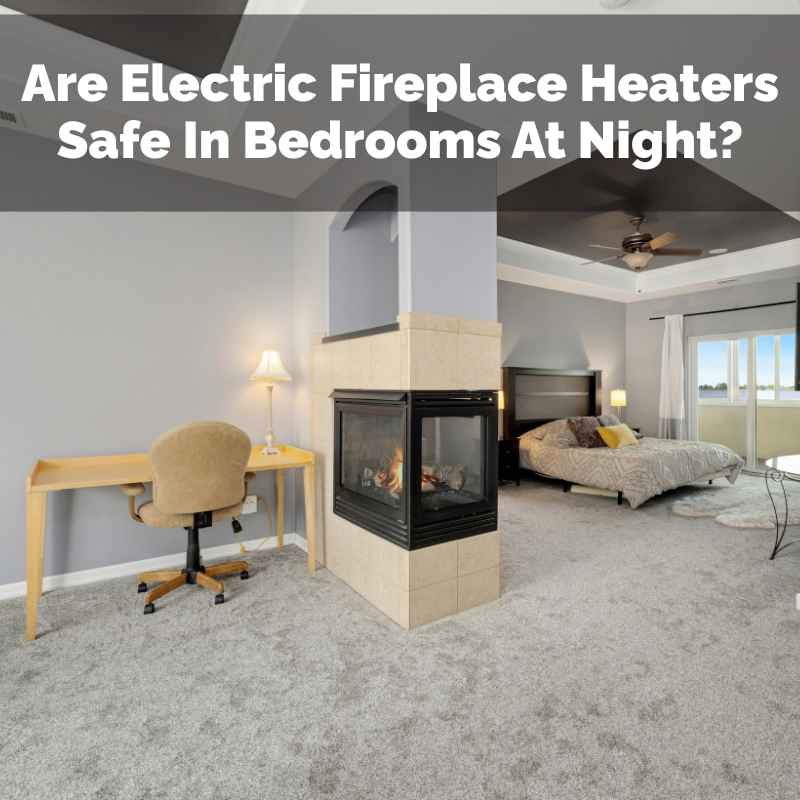
Are Electric Fireplace Heaters Safe In Bedrooms At Night?
The heat output varies. Some models give off gentle warmth, like a small space heater. Others can warm up a whole room.
They often have settings for heat level and thermostat control, letting you set a desired temperature. This convenience is a big draw for folks wanting a bit of extra warmth.
One of the biggest appeals is their safety record compared to other heating methods. Unlike gas fi
Why the Concern About Nighttime Use?
The worry about electric fireplace heaters in bedrooms at night often stems from general concerns about heating devices. Our minds jump to older or less reliable heating equipment. We think about things like fire hazards, overheating, and carbon monoxide.
While electric fireplaces are designed to be safer, these worries linger.
One major point of concern is the heat itself. If a heater is too close to bedding, curtains, or other flammable materials, it could pose a fire risk. Even though they don’t have open flames, the heating elements can get quite hot.
This is especially true if the heater malfunctions or is placed improperly.
Another worry is about the air quality. While electric heaters don’t produce carbon monoxide, some people wonder if they dry out the air too much. This can lead to discomfort like dry throat or nasal passages.
Some models might also stir up dust if the fan is strong. So, it’s not just about fire, but also about comfort and breathing.
Finally, there’s the simple fact that we’re asleep. If something goes wrong, we won’t be awake to notice. This lack of immediate awareness is what makes people pause.
They want to be sure that the device they rely on for warmth won’t become a hidden danger while they are most vulnerable.
How Electric Fireplace Heaters Work (The Safe Way)
Electric fi
Some newer models use infrared heat. This works a bit like sunlight. It warms objects and people directly, rather than just heating the air.
This can feel cozier and more efficient. It also means the heating elements might not get as intensely hot to the touch as some coil systems.
Crucially, modern electric fi
Another important feature is tip-over protection. If the unit is accidentally knocked over, it will immediately shut off. This is incredibly useful, especially in a busy room or one with pets or children.
Always check the product specifications for these safety mechanisms.
Key Safety Features to Look For
Tip-Over Switch: Automatically cuts power if the unit is tilted or tipped.
Overheat Protection: Shuts off the heater if internal temperatures become too high.
Thermostat Control: Helps maintain a consistent temperature and prevents overheating.
Cool-Touch Exterior: Some models have casings that remain relatively cool, reducing burn risk.
Flame Simulation Only Setting: Allows visual enjoyment without heat, useful when heat isn’t needed.
My Own Bedroom Heater Scare (A Personal Story)
I remember one particularly cold winter, maybe five years ago. I had just bought a new electric fireplace heater for my small bedroom. It looked so nice, and the warmth it put out was lovely.
I thought, “Why not have this on low all night? It’ll be so cozy.” So, I set it to a low setting and went to sleep.
Around 3 AM, I woke up feeling uncomfortably warm. The air in the room felt thick and dry. I noticed a faint, odd smell, like very hot dust.
My heart started to race a little. I looked over at the heater, which was tucked in a corner, not too close to anything, but it seemed to be radiating a lot of heat.
When I got out of bed, I could feel the heat coming off it even from a few feet away. I quickly turned it off. The smell went away soon after.
The next day, I checked the heater and the area around it. Nothing seemed damaged, but the experience really spooked me. I realized I hadn’t fully considered the potential for overheating or air quality issues, even with a supposedly safe device.
That night taught me a valuable lesson about not just plugging in and forgetting, but understanding how these devices work and what to watch out for.
Real-World Bedroom Scenarios
In American homes, electric fireplace heaters are often used in bedrooms to supplement central heating. Bedrooms are typically smaller spaces, so a compact heater can be effective. However, the way they are used matters greatly.
For instance, placing a heater directly next to a bed, where blankets and pillows are close, is a common mistake.
Another common habit is to run a heater on its highest setting all night, assuming it will maintain a comfortable temperature. This can lead to the room becoming too hot, which not only is uncomfortable but can also strain the heater. Many models have adjustable thermostats for a reason; using them is key to safe and efficient operation.
The design of the bedroom itself plays a role. Older homes might have less insulation, meaning more heat is lost. This could lead users to rely more heavily on supplemental heaters.
Rooms with poor airflow or limited space for air circulation around the heater can also be problematic. This is where the “where” and “how” of placement become critical.
User behavior is the final piece. Some people simply turn it on and forget about it. Others might cover the unit partially, thinking it will direct heat better, which is a dangerous practice.
Understanding these real-world contexts helps us see why safety guidelines are so important and why user education is vital.
Contrast: Normal vs. Concerning Bedroom Heater Use
Normal Use
Heater placed several feet from furniture and bedding.
Thermostat set to maintain a comfortable temperature.
Ventilation is not blocked.
Unit checked periodically for dust buildup.
Concerning Use
Heater too close to curtains, bedding, or furniture.
Running on high heat all night with no thermostat control.
Air vents are obstructed.
Unit is covered or tampered with.
What This Means for Your Bedroom Safety
So, what does all this tell you about using an electric fi
When is it considered normal and safe? It’s normal to use an electric fireplace heater to take the chill off a bedroom before bed or to maintain a comfortable temperature throughout the night. Using the thermostat feature is a big part of this.
Setting it to a moderate temperature, say 65-70°F (18-21°C), is usually enough for comfortable sleep. This prevents the room from getting too hot.
When should you start to worry? You should worry if the heater is making unusual noises. Strange smells, like burning plastic or electrical components, are a definite red flag.
If the unit feels excessively hot to the touch on its exterior, or if the air in the room becomes uncomfortably stifling, it’s time to turn it off. Also, any sign of damage to the cord or unit warrants concern.
Simple checks can make a big difference. Before you go to sleep, take a moment to ensure the heater isn’t too close to anything. Check that the vents are clear.
Make sure the cord isn’t frayed or damaged. If your unit has a thermostat, set it. These small steps ensure your cozy comfort doesn’t turn into a hazard.
Tips for Safe Overnight Bedroom Heating
If you plan to use an electric fireplace heater in your bedroom at night, follow these tips to stay safe and cozy. These are guidelines, not strict rules, but they’ll help you use the device wisely.
- Read the Manual: This might sound simple, but every heater is slightly different. The manufacturer’s guide has specific safety warnings and usage instructions for their model.
- Placement is Key: Always keep the heater at least 3 feet away from bedding, curtains, furniture, and anything else that could catch fire. Never place it under a tablecloth or in a closet.
- Use the Thermostat: Don’t just run the heater on high. Set the thermostat to your desired comfortable temperature. This prevents overheating and saves energy.
- Ensure Airflow: Make sure the air intake and outlet vents are not blocked. Good airflow is crucial for the heater to work properly and safely.
- Check for Dust: Dust can build up on the heating elements and fan. Periodically unplug the heater and clean it according to the manufacturer’s instructions. This reduces fire risk and keeps it working efficiently.
- Inspect the Cord: Before each use, check the power cord and plug for any signs of damage. If you see fraying or damage, stop using the heater immediately and consider replacing it.
- Don’t Cover It: Never cover the heater, even with a light blanket or clothing. This can trap heat and cause a fire.
- Trust Your Senses: If something smells off, sounds strange, or feels too hot, turn it off. Don’t ignore warning signs.
- Use a GFCI Outlet: If possible, plug the heater into a Ground Fault Circuit Interrupter (GFCI) outlet, especially if it’s used in a room with a bathroom or prone to moisture. This adds an extra layer of electrical safety.
- Consider Room Size: Make sure the heater is appropriately sized for your bedroom. An oversized heater can overheat a small room quickly, while an undersized one might struggle and run constantly.
Quick Scan: Bedroom Heater Safety Checklist
Before Bed
Clear Space: 3+ ft from walls, curtains, furniture.
Vents Clear: No obstructions.
Thermostat Set: For comfort, not maximum heat.
During Operation
No Strange Smells: Turn off immediately.
No Odd Noises: Shut down if heard.
Exterior Cool: To the touch, it should be safe.
Ongoing Care
Cord Inspected: No damage visible.
Unit Clean: Free of dust buildup.
Manual Reviewed: Know your model’s limits.

Frequently Asked Questions About Bedroom Heaters
Can I leave an electric fireplace heater on 24/7 in my bedroom?
Generally, yes, but it’s not always recommended. While electric heaters are designed for continuous use, it’s wise to give them breaks. Ensure proper ventilation and monitor the room temperature.
Always follow the manufacturer’s instructions. Leaving it on all the time can increase wear and tear and potentially pose a risk if a fault develops.
Will an electric fireplace heater dry out my bedroom too much?
Some electric heaters, especially those with fans, can reduce humidity. If you experience dryness, consider using a humidifier in the room. Alternatively, look for models with infrared heat, which tends to be less drying.
Running the heater on a lower setting with the thermostat can also help manage air moisture.
What is the safe distance to keep an electric heater from my bed?
A safe distance is typically at least 3 feet (about 1 meter). This ensures that bedding, blankets, or clothing cannot accidentally come into contact with the hot parts of the heater, preventing a fire hazard. Always check your heater’s manual for specific recommendations.
How do I know if my electric heater is malfunctioning?
Watch for unusual smells (like burning plastic or electrical odors), strange noises (buzzing, clicking, or grinding), or if the unit gets too hot to touch on the outside. If the heat output is inconsistent or the unit shuts off unexpectedly without a reason, it might be malfunctioning.
Can children or pets safely be in a bedroom with an electric fireplace heater?
Yes, with precautions. Ensure the heater has tip-over protection and a cool-touch exterior if possible. Always keep them at a safe distance from the unit.
Supervise young children and pets closely when the heater is in use. Teaching older children about heater safety is also important.
Is it better to use a space heater or an electric fireplace heater for my bedroom?
Electric fireplace heaters often provide both heat and ambiance, making them a good choice for bedrooms. Traditional space heaters can be more compact and direct. The main difference is the visual appeal.
For safety and function, both types require similar precautions regarding placement, ventilation, and proper use.
Conclusion: Cozy and Cautious Comfort
So, are electric fi
Remember, safety comes first. A little caution goes a long way in ensuring your bedroom remains a warm, safe haven. Enjoy the comfort!
Sponsored / affiliate links. As an Amazon Associate I earn from qualifying purchases. I may earn additional commission from eligible campaigns.