Can 3 Heaters Running At The Same Time Trip Your Breaker?
The answer is yes, running three heaters at the same time can absolutely trip your circuit breaker. This happens when the total electrical demand from the heaters exceeds the safe limit of your home’s wiring or the circuit breaker’s capacity. Understanding the wattage of your heaters and the amperage of your circuits is key to preventing this.
Understanding How Electric Heaters Use Power
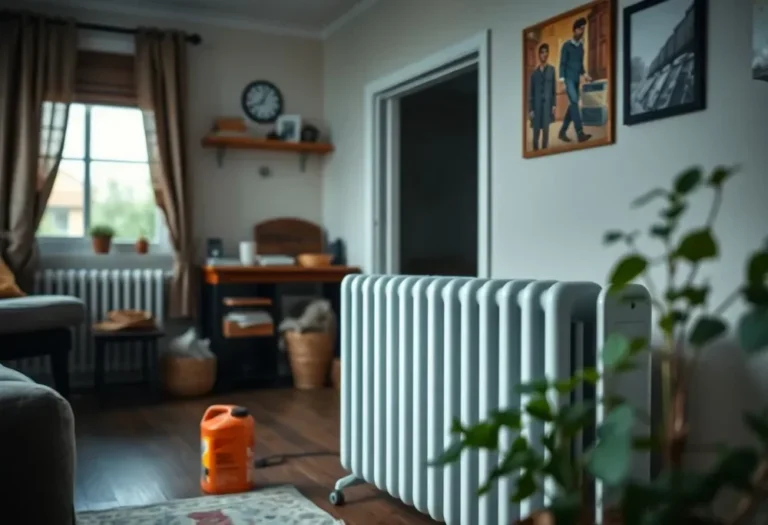
Electric heaters are power-hungry. They work by using electricity to create heat. This process uses a lot of energy. Think of your home’s electrical system like a road. The circuit breaker is like a gatekeeper. It stops too much traffic from going through at once. If too many cars (electricity) try to pass, the gatekeeper (breaker) shuts down the road to prevent a crash.
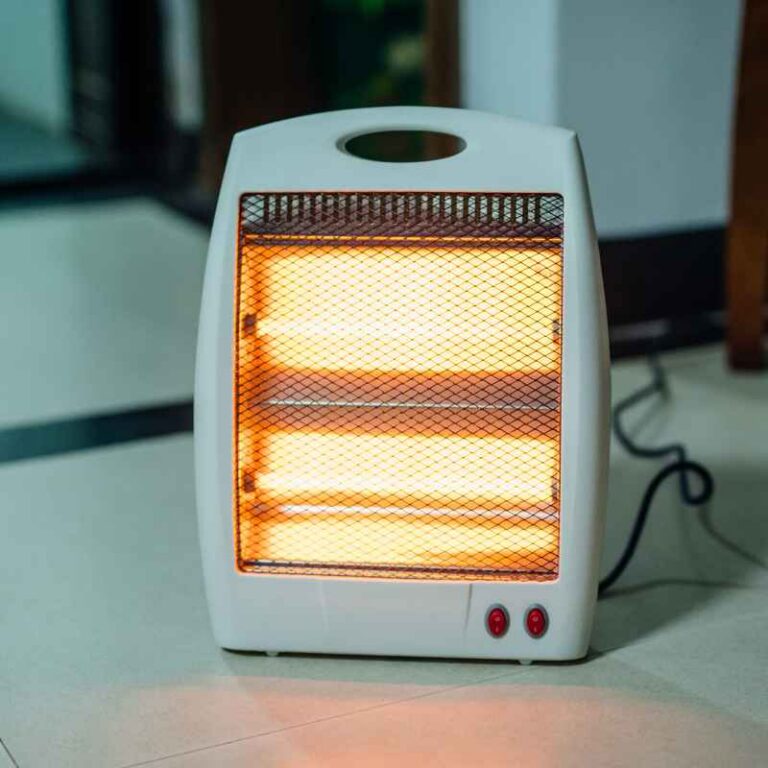
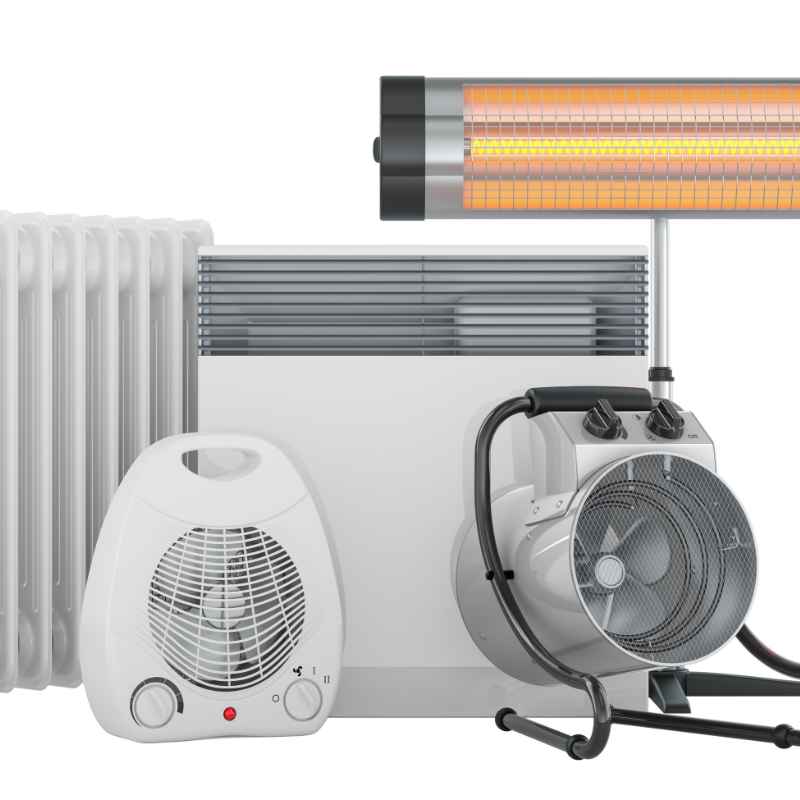
Each electric heater has a wattage rating. This tells you how much power it uses. A typical space heater might use between 1000 and 1500 watts. Some are even more powerful. When you plug in a heater, it draws that amount of power from your electrical system.
If you have multiple heaters running, you add up their wattages. For example, three 1500-watt heaters would use a total of 4500 watts. This is a lot of power.
Your home’s electrical circuits are designed to handle a certain amount of power. This limit is measured in amperes, or amps. A common circuit breaker in a home is 15 amps. Sometimes, it might be 20 amps.
To figure out if your heaters will trip a breaker, you need to know the voltage of your home’s electricity. In the U.S., it’s typically 120 volts.
You can calculate the amps a heater uses with this simple formula:
Amps = Watts / Volts
So, for a 1500-watt heater on a 120-volt system:
Amps = 1500 / 120 = 12.5 amps
If you run three of these heaters, the total amps would be:
Total Amps = 12.5 amps/heater * 3 heaters = 37.5 amps
A standard 15-amp breaker would be easily overloaded by 37.5 amps. Even a 20-amp breaker would struggle. This is why your breaker trips. It’s protecting your wiring from overheating, which could start a fire.
My Own Breaker-Busting Moment
I remember one particularly cold winter a few years back. My old house had these drafty windows. I had the main thermostat set to a decent temperature, but one room, my home office, was always freezing. I’d tried everything to seal the windows.
One evening, I was working late on a big project. It was getting really cold in my office. I grabbed my trusty ceramic space heater and plugged it into an outlet near my desk. It worked wonders! I felt so much better.
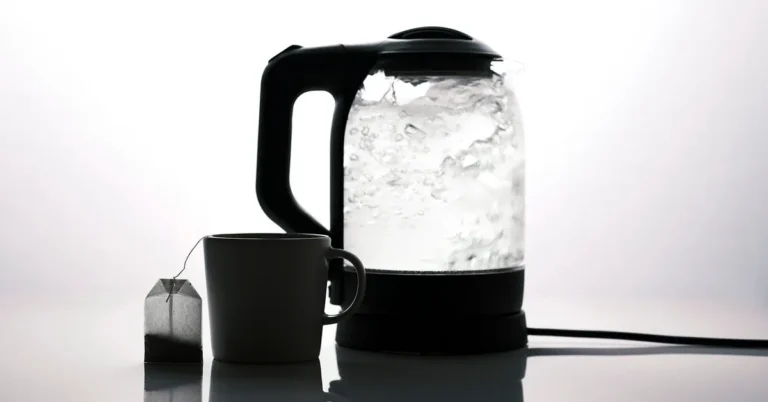
A little while later, I decided to make some tea. The kitchen was also a bit chilly. I went and got my other portable heater, a small fan heater, and plugged it into the kitchen outlet. By this time, the main house heater was also humming along in the living room.
Suddenly, poof! Everything went dark. My computer shut off. My tea kettle went cold. I was plunged into silence and darkness. At first, I just sat there, confused. Then the realization hit me. I had likely overloaded the circuit. I’d used two space heaters, and the main house heater was on too. I felt a pang of annoyance, but also relief that nothing had caught fire. It was a clear, cold lesson in how quickly electrical loads can add up. That night, I learned firsthand how important it is to be mindful of how many appliances are running at once.
Common Scenarios Where Breakers Trip
It’s not just heaters that cause problems. Many everyday appliances draw a significant amount of power. When combined, they can push circuits to their limit.
Here are some common situations:
The Kitchen Countertop Calamity
Imagine making breakfast. You’ve got the toaster going, then you plug in the coffee maker. If you then decide to use a blender or a microwave, you might be close to tripping a breaker. Kitchen outlets are often on dedicated circuits, but older homes might share them.
The Laundry Room Load
The dryer is a big power user. If you have a high-efficiency washer that also draws a lot of power, and maybe an iron or a steaming device running at the same time, it can be too much for a single circuit.
The Home Office Overload
Computers, monitors, printers, a shredder, a desk lamp, and maybe a small fan or heater – all can add up. If these are all on one circuit, especially if it’s an older one, you might experience an outage.
The Holiday Light Havoc
During the holidays, people string up tons of lights. If too many strings are plugged into one outlet or extension cord, or if too many outlets on the same circuit are used, it’s a recipe for a tripped breaker.
The Extension Cord Error
Using undersized extension cords for high-power devices like heaters is a major hazard. These cords can overheat and cause fires, or they can draw too much power and trip your breaker.
Understanding Your Home’s Electrical Panel
Your electrical panel, often called a breaker box, is the heart of your home’s electrical system. It’s where the power comes into your house and gets distributed to different circuits. Each circuit has its own breaker.
Breakers are safety devices. They are designed to “trip” or shut off the flow of electricity when they detect too much current. This prevents wires from getting too hot. Overheating wires can melt their insulation and cause fires.
Types of Breakers
Most homes have what are called “thermal-magnetic” breakers. They have two main ways of tripping:
Thermal Trip: This happens when a breaker gets warm over a long period due to sustained high current. It’s like a slow burn.
Magnetic Trip: This is a fast response. It trips almost instantly if there’s a sudden surge of current, like a short circuit.
What the Numbers Mean
On each breaker, you’ll see a number. This number is the amperage rating. Common ratings are 15, 20, 30, and sometimes higher for specific appliances like stoves or air conditioners.
15-Amp Breaker: Usually protects lighting circuits and outlets in bedrooms, living rooms, and hallways. It’s generally safe for about 1800 watts (15 amps 120 volts).
20-Amp Breaker: Often used for kitchens, bathrooms, garages, and workshops. These can handle about 2400 watts (20 amps 120 volts).
Dedicated Circuits
Some appliances, especially high-demand ones like microwaves, refrigerators, or electric heaters, are best plugged into dedicated circuits. This means only that one appliance is on that circuit. This ensures it has enough power and won’t trip other breakers.
When to Call a Professional
If your breakers trip frequently, or if they trip even with just a few things running, it might be a sign of a larger problem. This could include:
Overloaded circuits
Faulty wiring
A problem with the breaker itself
An issue with the power coming into your home
In these cases, it’s best to call a qualified electrician. Tampering with your electrical panel can be dangerous.
How to Safely Use Electric Heaters
Electric heaters can be a great way to supplement your heating. But they need to be used with care. Safety should always be your top priority.
Here are some tips for safe heater use:
Know Your Heater’s Wattage
Always check the label on your heater for its wattage. This information is usually on the back or bottom. Knowing this helps you calculate the total power draw.
Check Your Circuit Capacity
Before plugging in a heater, especially if you plan to use more than one, think about the circuit. Is it a 15-amp or 20-amp circuit? What else is running on that circuit?
Rule of Thumb: For a 15-amp circuit (1800 watts max), it’s wise to only run a single 1500-watt heater. Some heaters are 750 watts, which might be okay with another low-draw item.
For 20-amp circuits (2400 watts max): You might be able to run one 1500-watt heater and another smaller appliance. Running two 1500-watt heaters is generally too much even for a 20-amp circuit.
Use Outlets Wisely
Avoid Extension Cords: Whenever possible, plug heaters directly into wall outlets. If you must use an extension cord, make sure it’s rated for the heater’s wattage and is in good condition. Heavy-duty cords are best. Never use a cord that feels warm.
Don’t Plug Into Power Strips: Power strips are not designed for high-wattage appliances like heaters. They can overheat and cause fires.
Placement is Key
Clearance: Keep heaters at least three feet away from anything flammable. This includes curtains, furniture, bedding, papers, and clothing.
Stable Surface: Place heaters on a hard, level surface. Don’t put them on rugs or carpets, which can block the air intake or become a fire hazard.
Never Near Water: Keep heaters away from bathrooms or areas where they could get wet.
Supervise and Unplug
Never Leave Unattended: Do not leave a portable electric heater running when you are sleeping or when you leave the room.
Unplug When Not in Use: When you’re finished with a heater, unplug it. This prevents accidental activation and saves energy.
Look for Safety Features
Many modern heaters have safety features like:
Tip-over Switch: This automatically shuts off the heater if it’s knocked over.
Overheat Protection: This feature shuts down the heater if it gets too hot internally.
What Your Home’s Wiring Can Handle
Your home’s wiring is like the plumbing for electricity. It’s designed to carry a specific amount of electrical current safely. The thickness of the wires (gauge) and the type of insulation are crucial.
Older homes might have wiring that is not up to modern standards. This wiring might have a lower amperage rating. Even if you have breakers that are 20 amps, the old wires might only be safe for 15 amps.
Wire Gauge Matters
Electrical wires come in different gauges. A lower gauge number means a thicker wire. Thicker wires can carry more current safely without overheating.
14-gauge wire: Typically used for 15-amp circuits.
12-gauge wire: Typically used for 20-amp circuits.
10-gauge wire: Often used for 30-amp circuits, like for some dryers or ovens.
If you have 15-amp breakers but older 14-gauge wiring, you are limited to roughly 1800 watts total per circuit. If you have 20-amp breakers with 12-gauge wiring, you can handle about 2400 watts.
The Age of Your Electrical System
Electrical systems degrade over time. Insulation can become brittle. Connections can loosen. If your home’s electrical system is older than 30-40 years and has never been updated, it’s a good idea to have it inspected by a qualified electrician. They can assess its capacity and safety.
Understanding Amperage vs. Wattage
It’s important to understand the difference between amps and watts.
Amps (Amperes): This measures the rate of electrical current flow. It’s like the volume of water flowing through a pipe.
Watts (Wattage): This measures the power consumed or delivered. It’s like the pressure of the water.
The relationship is: Watts = Volts x Amps.
Or, Amps = Watts / Volts.
This is why knowing your heater’s wattage, your home’s voltage (usually 120V in the US), and your circuit breaker’s amperage rating is essential.
When Is It Normal for a Breaker to Trip?
Breakers are designed to trip. That’s their job. It’s normal for a breaker to trip under these conditions:
Overload: When you plug in too many devices that collectively draw more power than the circuit can safely handle. This is the most common reason.
Short Circuit: This happens when a hot wire touches a neutral wire or a ground wire. It creates a sudden, massive surge of electricity. Breakers trip very quickly to prevent damage and fire. You might hear a loud pop or see a spark when this happens.
Ground Fault: Similar to a short circuit, but the electricity escapes to the ground. This is also very dangerous.
When Should You Worry About Tripping Breakers?
While occasional tripping due to an accidental overload is normal, frequent tripping is a cause for concern. You should worry if:
Breakers Trip Often: If a breaker trips multiple times a week, or even daily, without you doing anything unusual, there’s likely an underlying issue.
A Breaker Trips Immediately: If you plug in a single, standard appliance and the breaker trips right away, it could indicate a problem with the appliance or the wiring.
The Breaker Feels Hot: If the breaker handle feels warm to the touch when the circuit is in use, it’s a sign of a problem.
You See Sparks or Smell Burning: Any visible sparks from an outlet or breaker, or a burning smell, means you should cut power to that circuit immediately and call an electrician.
Lights Flicker Constantly: While minor flickering can happen, persistent or severe flickering can signal loose connections or an overloaded system.
If you experience any of these worrying signs, don’t hesitate to call a professional electrician. They have the tools and knowledge to diagnose and fix electrical problems safely.
Tips for Avoiding Breaker Trips with Heaters
Preventing breaker trips is all about smart usage. Here’s how to stay cozy without causing an outage:
1. Know Your Heater’s Power: Always check the wattage. A 1500W heater is common.
2. Identify Your Circuit’s Limit: Look at your breaker box. Most house circuits are 15A or 20A.
3. Calculate Total Amps: Use the formula: Amps = Watts / Volts. (Volts is usually 120V in the US).
4. Don’t Overload Circuits:
For a 15A circuit (max ~1800W): A single 1500W heater is usually fine. Don’t add another high-draw item.
For a 20A circuit (max ~2400W): You might run a 1500W heater and a smaller device, but two 1500W heaters are still too much.
5. Use Dedicated Circuits: If you have a heater that uses a lot of power, plug it into an outlet on a circuit with few other things. High-wattage appliances might even have their own dedicated circuits (check your panel).
6. Avoid Extension Cords and Power Strips: Plug heaters directly into wall outlets. If you must use an extension cord, ensure it’s heavy-duty and rated for the heater’s wattage. Never use a power strip.
7. Distribute Heat Sources: If you need heat in multiple rooms, use heaters strategically on different circuits. Don’t plug them all into one area.
8. Consider Heater Type: Infrared heaters often draw less power than fan or ceramic heaters, but always check the label.
9. Check Outlet Condition: Ensure outlets are not damaged or loose.
10. Regular Electrical Panel Checks: If your breakers trip often, have an electrician inspect your panel and wiring.
My Experience with Circuit Load Balancing
After my breaker-busting incident, I became much more conscious of how I used electricity. I decided to map out my circuits. I went to my breaker box and, one by one, flipped off each breaker and noted what lost power in the house. It took a bit of time, but it was incredibly helpful.
I found out that my home office, my living room, and my kitchen were all on the same 15-amp circuit. That explained why my office heater and kitchen heater had caused such a dramatic outage when the main living room heater was also running. It was a classic overload.
I learned that the outlets in my kitchen were a mix. Some were on a dedicated 20-amp circuit, but others were shared with the dining room. My office was on its own circuit, thankfully, but it was a 15-amp one.
Now, when I use a space heater, I make sure it’s on a circuit that isn’t already busy. I’ll use my office heater on its own circuit. If I need heat in the living room, I’ll use a different heater there and ensure it’s on a separate circuit from the kitchen. It’s a little bit of planning, but it saves me from dark, cold evenings. It also gives me peace of mind that I’m not risking my home’s electrical safety. It’s a small habit that makes a big difference.
Frequent Questions About Heaters and Breakers
Can one space heater trip a breaker?
Yes, a single space heater can trip a breaker if it’s a very powerful model or if the circuit it’s plugged into is already near its limit with other devices running. Most standard 1500-watt heaters will draw about 12.5 amps, which is close to the capacity of a 15-amp circuit.
What is the maximum number of heaters I can run at once?
There isn’t a fixed number because it depends on the wattage of each heater and the amperage of your circuits. Generally, for typical 15-amp circuits, you should only run one 1500-watt heater at a time. For 20-amp circuits, you might be able to run one 1500-watt heater and a few smaller items, but running two 1500-watt heaters is still often too much. Always check your circuit breaker’s rating.
How do I know what my circuit breaker’s amperage is?
Look at your home’s electrical panel (breaker box). Each breaker switch will have a number printed on it, indicating its amperage rating (e.g., 15, 20, 30).
What’s the difference between a fuse and a circuit breaker?
Both are safety devices that protect your electrical system from overloads. A fuse contains a thin wire that melts and breaks the circuit when too much current flows. A circuit breaker is a switch that can be manually reset after it trips. Modern homes almost exclusively use circuit breakers.
Can I use a heavy-duty extension cord for a space heater?
While a heavy-duty extension cord is much safer than a standard one, it’s still best to plug space heaters directly into a wall outlet if possible. Extension cords can add resistance, and if the cord isn’t properly rated or is damaged, it can still be a fire hazard. Always check the cord’s gauge and wattage rating.
Why does my breaker keep tripping even with few things plugged in?
Frequent tripping can indicate a problem. It might be an overloaded circuit that you aren’t aware of, a faulty appliance drawing too much power, loose wiring connections, or a problem with the breaker itself. It’s recommended to have an electrician inspect your system in this case.
Conclusion
So, can three heaters running at the same time trip your breaker? Absolutely. It’s a common problem that arises from exceeding the electrical capacity of your circuits. Understanding the wattage of your heaters, the voltage of your home, and the amperage of your circuit breakers is key. By using heaters safely, checking your electrical panel, and being mindful of what else is running, you can stay warm without causing an unwanted blackout. Safety first, always!
Sponsored / affiliate links. As an Amazon Associate I earn from qualifying purchases. I may earn additional commission from eligible campaigns.