Are Energy Star Infrared Quartz Heaters Available Today?
While dedicated Energy Star certification for individual infrared quartz heater models has become rare, the principles of Energy Star efficiency are still very much present in today’s market. Many modern infrared heaters offer excellent energy savings, and you can still find efficient options by looking for specific features and understanding how infrared heating works.
Understanding Infrared Quartz Heaters
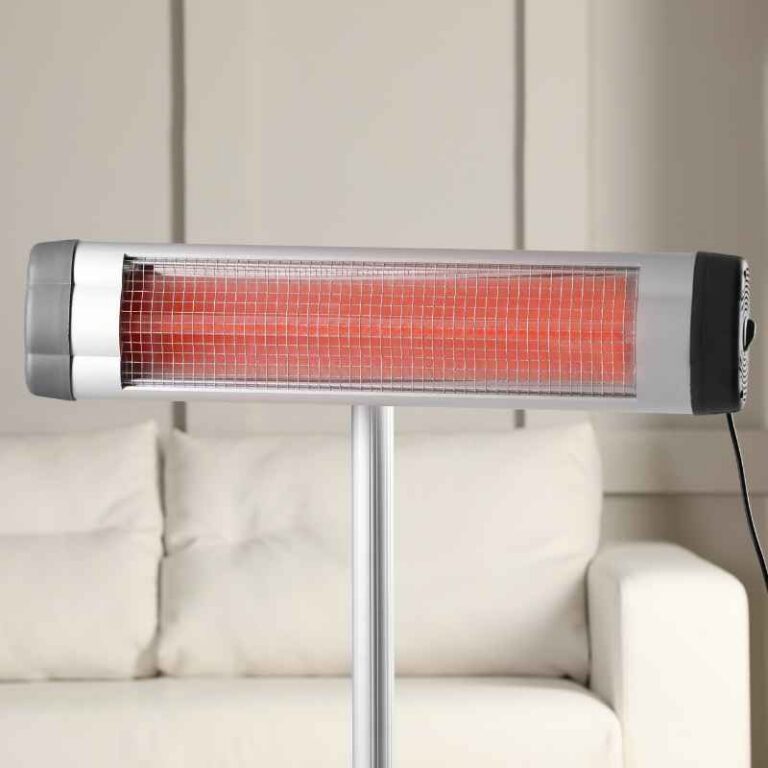
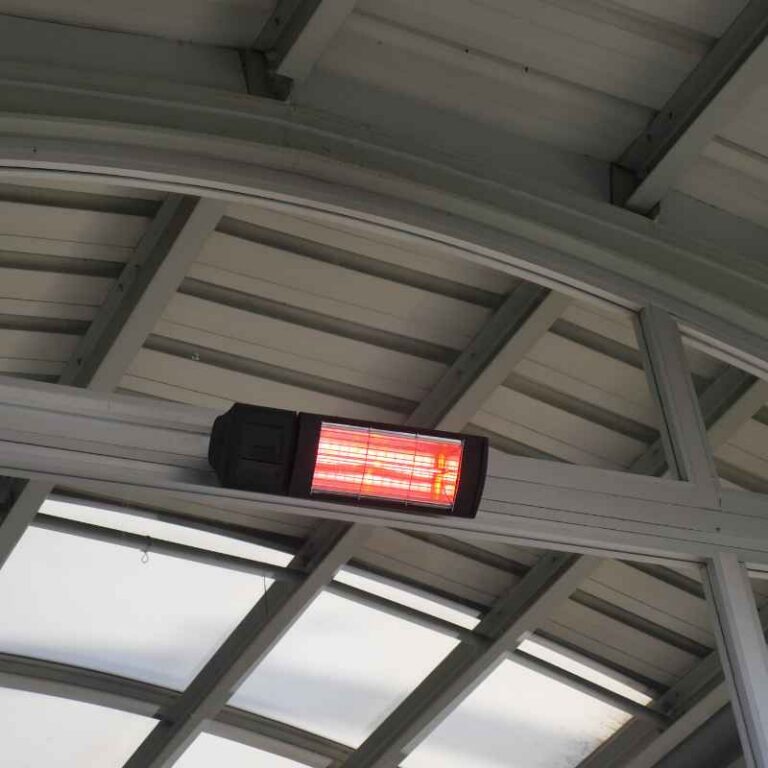
Infrared heaters work a bit like the sun. They don’t heat the air directly. Instead, they send out radiant heat waves.
These waves warm objects and people they hit. Think of standing in a sunny spot on a cool day. You feel warm even though the air around you might be chilly.
That’s infrared heat in action.
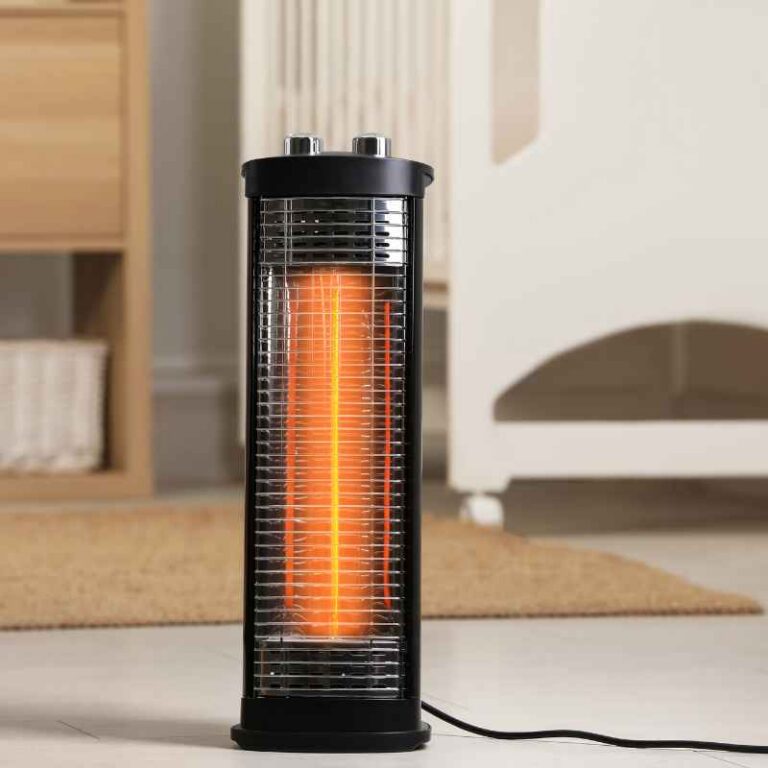
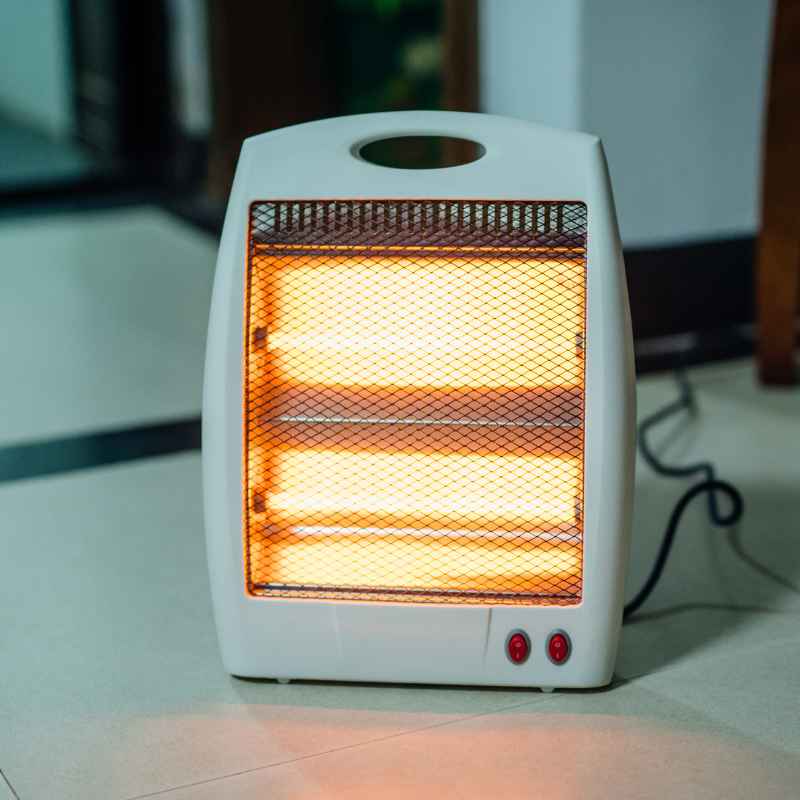
Quartz is often used as the heating element. It’s good at getting hot quickly. It also holds heat well.
When electricity flows through the element, it glows and gives off heat. This kind of heating is nice because it feels warm almost right away. You don’t have to wait for a whole room to heat up.
The idea behind Energy Star infrared quartz heaters was to combine this direct heating with energy savings. Energy Star is a program by the U.S. Environmental Protection Agency.
It helps people find products that use less energy. This means lower utility bills and less impact on the environment. For a heater, this would mean it uses less electricity to produce the same amount of heat, or it heats more effectively.
The Energy Star Situation Today
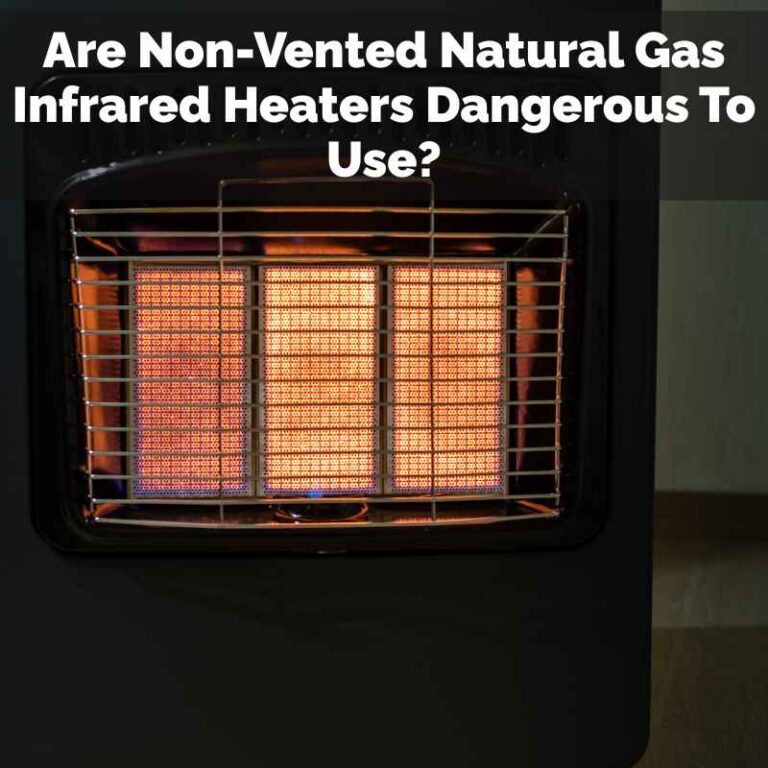
The direct answer is that finding a brand new infrared quartz heater with a prominent Energy Star label on it is quite uncommon these days. Why is this? The landscape of home appliances and their certifications changes.
Energy Star focuses on products that are widely produced and have a significant impact on energy use. For heaters, they often certify whole-house systems like furnaces or central air conditioners.
For smaller, portable heaters, the certification process can be more complex. Energy Star might focus on the overall efficiency of the heating system rather than individual portable units. This doesn’t mean they aren’t efficient.
It just means they might not carry that specific blue Energy Star label you’re looking for. Many manufacturers now aim for high efficiency on their own. They may list efficiency ratings or features that indicate good energy use.
I remember looking for a space heater a few years back. I specifically wanted an Energy Star one. I spent hours online.
It was frustrating because the label wasn’t on many of the models I liked. I ended up finding a really good ceramic heater that had great reviews for its energy use. It didn’t have the label, but it performed well.
This shows that the label isn’t the only way to find an efficient product.
The focus has shifted. Instead of a single label on every type of product, there’s more emphasis on the technology itself. Infrared heating technology has improved.
Manufacturers are making units that are naturally more efficient. They want to appeal to consumers who are conscious of energy bills. So, even without the Energy Star logo, you can still find excellent energy-saving options.
Why Infrared Heating Can Be Efficient
Even without the Energy Star stamp, infrared heaters have built-in advantages for efficiency. They heat objects directly. This means less heat is lost through air circulation.
With forced-air systems, you heat up all the air in a room. This air can escape through drafts or simply rise to the ceiling. Infrared heat stays closer to the floor and warms you directly.
Think about it: you can feel warm near an infrared heater even if the room temperature isn’t very high. This allows you to set your thermostat lower. Lowering your thermostat by even a few degrees can save a lot of energy.
This is a key benefit for energy saving that many people miss. They focus on the heater’s wattage, but not on how effectively the heat is used.
Another factor is zoning. Infrared heaters are great for heating specific areas. If you only use one room or part of a room often, you can heat just that space.
You don’t need to heat the whole house. This is a huge energy saver. A central heating system often heats empty rooms.
This is wasted energy.
I’ve seen this happen in my own home. In the winter, I use an infrared heater in my home office during the day. My main house thermostat stays at a lower setting.
When I leave the office, I turn off that heater. It heats the space I’m in quickly and doesn’t waste energy on rooms that are empty. This approach makes a real difference to my electric bill.
What to Look For in Efficient Infrared Heaters Now
Since the Energy Star label might not be there, what should you look for? You need to become a smart shopper. Check the product’s features and specifications.
Look for information about its heating technology and how it’s designed to save energy.
Wattage vs. Heating Area: Don’t just look at wattage. A high wattage doesn’t always mean better.
Look at the recommended room size for the heater. A heater that’s too small for a room will run constantly and not heat it well. A heater that’s too big might cycle on and off too much or overheat the space.
Thermostat Controls: A built-in thermostat is crucial. This allows the heater to maintain a set temperature. It will turn itself off when it reaches that temperature.
Then it will turn back on when the room gets cooler. This prevents overheating and saves energy. Some have basic thermostats, while others have more precise digital controls.
Timer Functions: A timer lets you set the heater to turn on or off at specific times. This is great for warming up a room before you get there or for ensuring it doesn’t run all night if you don’t need it. It’s another way to control energy use without even thinking about it.
Heating Element Material: While quartz is common, some high-end heaters might use other materials. The goal is quick, efficient heat. Look for descriptions that talk about quick heat-up times and consistent warmth.
Safety Features: Efficient heaters should also be safe. Look for features like tip-over protection (it shuts off if the heater falls) and overheat protection. Some models have cool-touch exteriors, which are safer around children and pets.
Quick Scan: Efficient Heater Features
- Thermostat: Essential for maintaining temperature and saving energy.
- Timer: Allows scheduled operation to prevent waste.
- Room Size Guidance: Match heater to your space for best results.
- Safety Certifications: Look for UL or ETL listings.
- Energy Use Information: Check manufacturer claims or independent reviews.
How Infrared Quartz Heaters Work (Simplified)
Let’s break down how these heaters work in simple terms. It’s not magic, just science. Electricity is the power source.
It flows through a special wire inside the heater. This wire is usually coiled up. It’s often made of a material that gets very hot when electricity passes through it.
This wire is typically encased in quartz tubes.
The quartz acts as a protective shield. It also helps spread the heat evenly. As the wire gets hot, it glows.
This glow is infrared radiation. It’s like a spectrum of light, but our eyes can’t see all of it. The part we feel is heat.
These heat waves travel out from the heater.
When these waves hit something, like your skin, a couch, or a wall, they are absorbed. The objects then get warmer. The air around them also gets a little warmer from contact, but the main effect is direct warming of surfaces and people.
This is different from a fan heater that blows hot air. That hot air heats up the room itself.
I remember a friend describing his experience with an infrared patio heater. He said it was like stepping into a warm beam. Even with a cool breeze, he felt cozy sitting there.
That’s the power of direct radiant heat. It bypasses the need to heat the entire volume of air, which can be very inefficient.
Personal Experience with Space Heaters
I recall a particularly cold winter a few years ago. My old apartment had terrible insulation. The main heating system just couldn’t keep up.
The living room was always freezing, especially in the evenings. I was tired of layering sweaters and blankets just to watch TV. It felt like such a waste of energy trying to heat the whole apartment when I was only using one room.
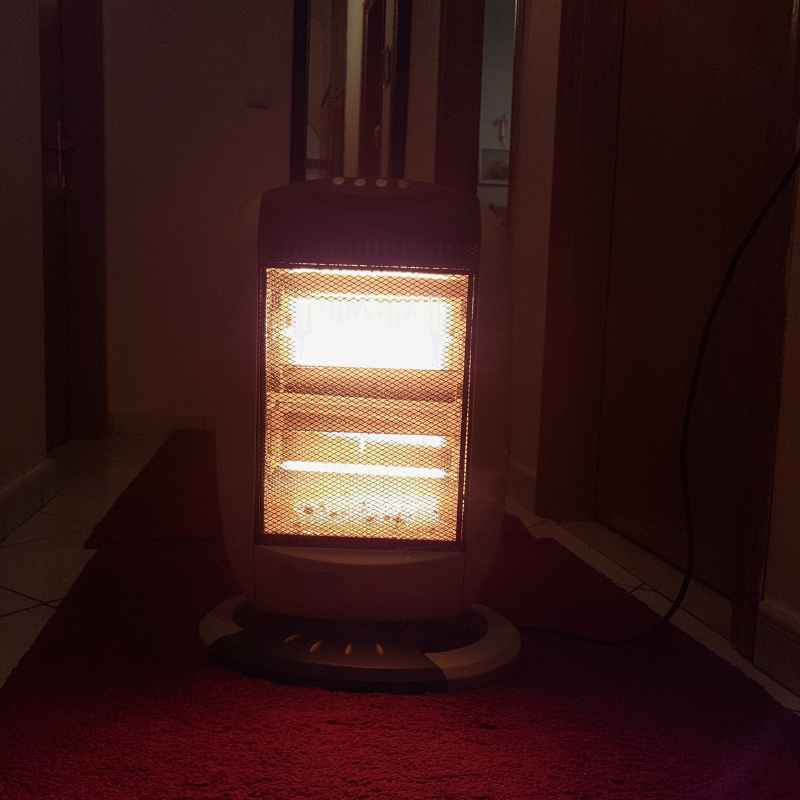
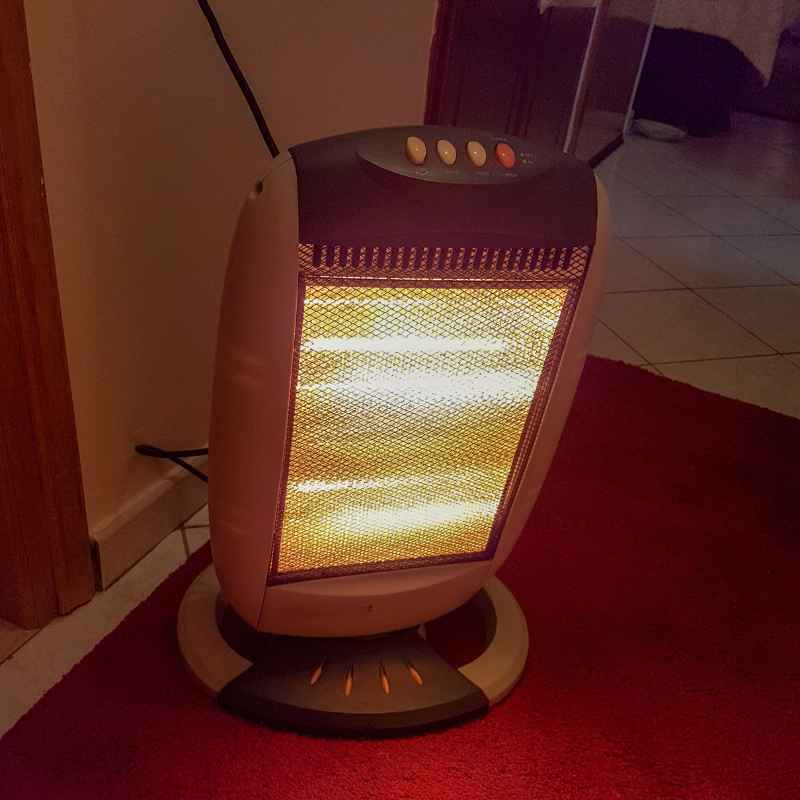
I decided to try a portable infrared heater. I picked one with a decent-sized quartz element and a simple thermostat. I remember setting it up in the corner of the living room.
I plugged it in and turned it on. Within minutes, I could feel a gentle warmth spreading. It wasn’t like a blast of hot air.
It was a soft, enveloping heat.
I sat on the couch, and it felt like I was sitting by a warm window. The chill in the room seemed to disappear. The heater’s thermostat clicked off after a while.
The room stayed comfortable. I felt a sense of relief and coziness I hadn’t felt before. It was a small change, but it made a huge difference to my comfort and my peace of mind about energy use.
It showed me how effective targeted heating could be.
Contrast: Infrared vs. Convection Heaters
Infrared Heaters
Heat Method: Radiant waves warm objects/people directly.
Feeling: Warmth is immediate on surfaces and skin.
Efficiency: Good for spot heating; less air circulation loss.
Best Use: Small rooms, offices, areas with drafts.
Convection Heaters
Heat Method: Heats air, which then circulates.
Feeling: Room air gets warmer gradually.
Efficiency: Can be less efficient due to air loss and circulation.
Best Use: Heating an entire enclosed room evenly.
Real-World Context and Scenarios
Infrared quartz heaters fit into many different home environments. They are especially useful in homes that aren’t perfectly sealed or insulated. Drafty windows and doors can make central heating systems work harder.
An infrared heater can provide direct warmth to the areas where people are sitting.
Consider a basement that’s always a bit damp and cool. Central heating might not reach it effectively. An infrared heater can make it a usable space.
You can turn it on when you go down there and turn it off when you leave. This is much more efficient than trying to keep the whole house warmer.
Another scenario is a home office or a sunroom. These are often spaces that are only used part-time. Heating them constantly with a central system is wasteful.
An infrared heater can warm these specific areas quickly. It provides comfort without heating the entire house when it’s not needed.
In colder climates, people often use them as supplemental heat. They can take the edge off the coldest days. Or they can allow the main heating system to run at a lower, more efficient setting.
This strategy can lead to significant savings over a heating season. I’ve heard from people in places like Minnesota or New England who swear by using infrared heaters to supplement their main furnace.
One thing to remember is the material of the room. Darker surfaces absorb more radiant heat than lighter ones. So, if you have a room with dark furniture and dark walls, you might feel the heat more intensely.
This is just how the physics of heat absorption works.
What This Means for You
The fact that you might not find an Energy Star infrared quartz heater doesn’t mean you can’t heat your home efficiently. It simply means you need to be a bit more discerning. You need to understand what makes a heater efficient.
Focus on features like good thermostats, timers, and appropriate sizing for your space.
When it’s normal: It’s normal for infrared heaters to feel warm almost instantly. It’s normal for them to be good at heating a specific area. It’s also normal for them to help you save energy by allowing you to use your main thermostat at a lower setting.
When to worry: You might worry if a heater seems to draw an excessive amount of power for the heat it provides. Or if it doesn’t heat the area it’s designed for. Safety is also a concern.
If a heater feels flimsy, lacks safety features, or makes strange noises, that’s a red flag.
Simple checks: Before buying, read reviews. Look for comments on energy efficiency and performance. Check the manufacturer’s specifications for recommended room size and wattage.
Make sure it has a thermostat. This is a key feature for energy management.
I always recommend checking consumer reports or similar unbiased review sites. They often test heaters for performance and safety. This gives you a clearer picture than just the marketing materials.
Even if the Energy Star label is missing, good performance data can tell you a lot.
Observational Flow: Finding an Efficient Heater
- Assess Your Needs: What room size? How often is it used?
- Research Heater Types: Infrared, ceramic, oil-filled, etc.
- Check Features: Thermostat, timer, safety guards are key.
- Read Reviews: Look for comments on performance and energy use.
- Compare Specs: Wattage, room size, heat output.
- Consider Your Budget: Balance upfront cost with long-term savings.
Quick Fixes & Tips for Using Infrared Heaters
Using your infrared heater wisely can boost its efficiency. Think of these as tips to get the most warmth for your money.
- Placement is Key: Put the heater where you are. Aim it towards you or the area you want to warm most. Don’t hide it behind furniture. This blocks the heat waves.
- Use the Thermostat: Set it to a comfortable temperature, not the highest setting. Let it cycle on and off. This saves energy compared to running non-stop.
- Pair with Other Heat: Use it to supplement your main heating. Lower your central thermostat a few degrees. Let the infrared heater warm your specific spot.
- Seal Drafts: Even with spot heating, reducing drafts helps. Use draft stoppers for doors and windows. This keeps the warm air where you want it.
- Clean Regularly: Dust can build up on the heating element or grille. This can reduce efficiency. Wipe it down gently according to the manufacturer’s instructions.
- Understand its Limits: An infrared heater is best for personal or zone heating. It’s not usually the most efficient choice for heating a very large, open-plan space entirely on its own.
I’ve found that even simple things like closing doors to unused rooms make a big difference. It helps the infrared heater work more effectively. It concentrates the warmth where it’s needed.
It’s like directing a flashlight beam instead of turning on a room light.
Also, be aware of humidity. Very dry air can make you feel colder. Using a small humidifier in the room can help you feel more comfortable at a lower temperature.
This means your infrared heater won’t have to work as hard.
Quick-Scan Table: Heater Efficiency Factors
| Factor | Impact on Efficiency |
|---|---|
| Thermostat Control | High: Prevents overheating, saves energy. |
| Room Size Match | High: Ensures optimal heating without constant run. |
| Drafts & Insulation | Medium: Affects heat retention. |
| Placement | Medium: Directs heat effectively. |
| Maintenance | Low: Cleanliness affects performance. |
Frequent Questions
Are infrared quartz heaters still made today?
Yes, infrared heaters, including those with quartz elements, are definitely still made today. You can find many models available from various manufacturers. The specific Energy Star label on them is less common now, but the technology itself is very much alive and popular for its direct heating benefits.
Why can’t I find many Energy Star rated portable heaters?
Energy Star often focuses its official certifications on larger, whole-home systems like furnaces or central air conditioners. For portable heaters, manufacturers may highlight their own energy-saving features and efficiency ratings rather than seeking the specific Energy Star badge for each model. This doesn’t mean they aren’t efficient.
How do I know if an infrared heater is energy efficient if it doesn’t have an Energy Star label?
Look for key features like a reliable thermostat, a timer function, and clear guidance on the recommended room size. Read reviews from other users, especially those who comment on their electricity bills or heating performance. Check the manufacturer’s specifications for any energy-saving claims or efficiency ratings.
Can an infrared heater heat a whole room effectively?
Infrared heaters are best for heating specific zones or objects directly. While they can warm up a room, especially a smaller, well-sealed one, they might not provide the same even, whole-room heating as a convection or central system. They excel at making the area where you are feel warm quickly.
Are infrared quartz heaters safe?
Most modern infrared quartz heaters are designed with safety in mind. Look for features like tip-over protection (shuts off if it falls), overheat protection, and cool-touch exteriors. Always follow the manufacturer’s instructions for safe operation and placement.
Never leave any portable heater unattended.
How much electricity do infrared quartz heaters use?
The amount of electricity they use depends on their wattage. A typical portable infrared heater might range from 750 watts to 1500 watts. However, their efficiency comes from how they deliver heat.
They heat objects directly, so you might feel warm at a lower overall room temperature. This can lead to lower energy bills compared to less targeted heating methods, even if the wattage seems high.
Conclusion
So, while the hunt for a specific Energy Star infrared quartz heater might lead you down a few dead ends, the good news is you can still find very efficient and effective infrared heating solutions. The market has evolved, and many manufacturers now prioritize energy-saving designs. By understanding how infrared heat works and what features to look for, you can make a smart choice for comfortable, cost-effective heating in your home.
Happy hunting for warmth!
Sponsored / affiliate links. As an Amazon Associate I earn from qualifying purchases. I may earn additional commission from eligible campaigns.