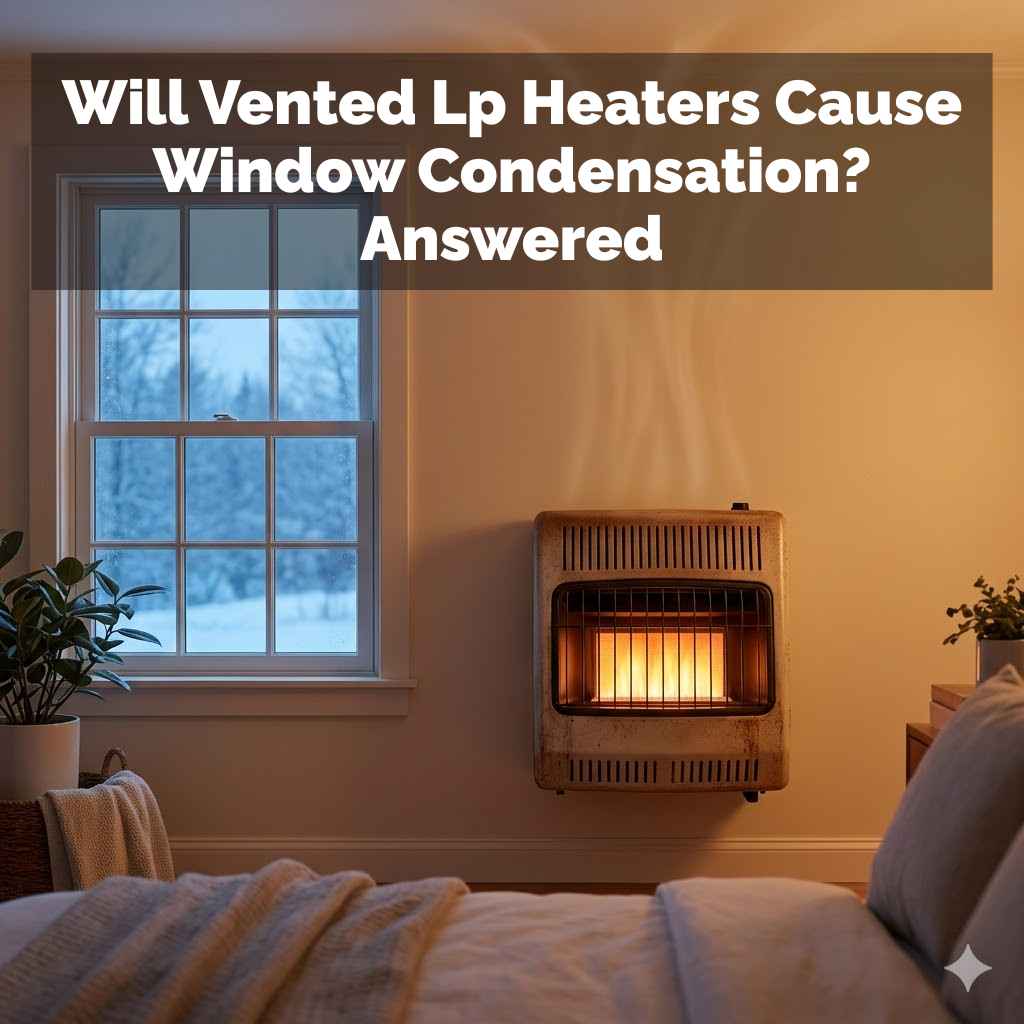
Will Vented Lp Heaters Cause Window Condensation? Answered
Vented LP heaters generally do not cause significant window condensation if properly installed and maintained. The condensation issue usually stems from other factors like high indoor humidity, poor ventilation, or cold window surfaces, rather than the heater itself. Effective management involves addressing these root causes.
Understanding Vented LP Heaters and Your Home’s Air
First, let’s talk about what a vented LP heater is. LP stands for liquefied petroleum gas. Think propane.
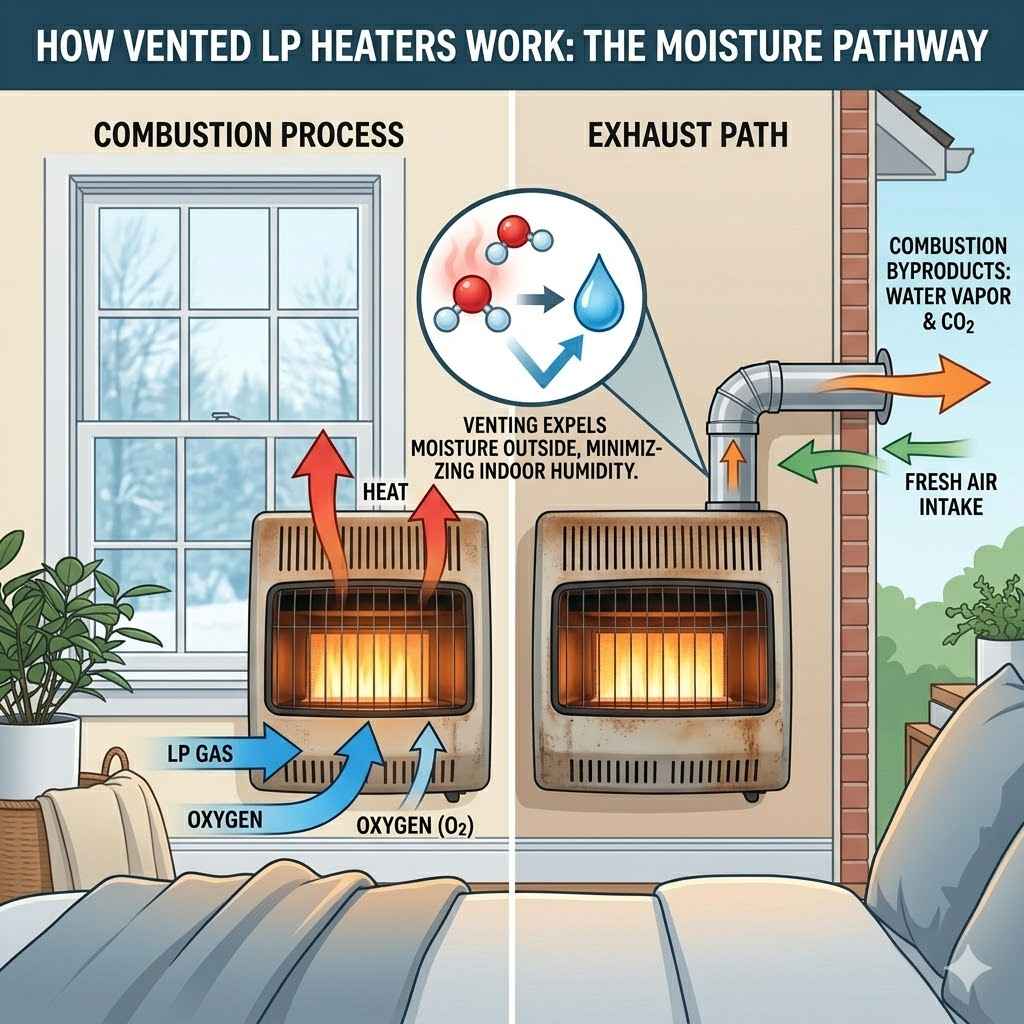
These heaters burn this gas to create heat. A “vented” system means that the byproducts of this burning process are sent outside your home. This is a crucial safety feature.
It stops harmful gases like carbon monoxide from building up indoors. These systems typically have a vent pipe that goes through a wall or roof. This vent takes exhaust fumes away.
Now, let’s think about the air in your home. Your home’s air has moisture in it. This moisture is called humidity.
It comes from many places. Cooking adds steam. Showering adds steam.
Even breathing adds moisture. Plants in your home release water vapor. Drying clothes indoors also adds a lot of moisture.
In a well-sealed modern home, this moisture can get trapped. This trapped moisture raises the humidity level.
When warm, moist air inside your home touches a cold surface, it cools down. As the air cools, it can’t hold as much moisture anymore. The extra moisture turns into tiny water droplets.
This is what you see as condensation. Cold window surfaces are common spots for this to happen. This is especially true in the colder months.
Why You Might See Condensation, Even With Vented Heaters
It’s easy to blame the new heater when you see condensation. But the truth is often more complex. A properly functioning vented LP heater doesn’t add much extra moisture to your indoor air.
In fact, compared to some unvented appliances, it can even help reduce indoor humidity by venting exhaust gases outside. The exhaust from burning LP gas is mostly carbon dioxide and water vapor. However, modern vented units are designed to expel this water vapor safely outdoors.
So, if your vented heater isn’t the direct culprit, what is? Let’s break down the common reasons for window condensation:
- High Indoor Humidity: This is the biggest player. If your home’s humidity is consistently above 50%, you’re much more likely to see condensation. Daily activities add up.
- Cold Window Surfaces: Older windows, especially single-pane ones, get very cold on the inside surface during winter. This cold surface is a prime spot for warm, moist air to condense.
- Poor Ventilation: If your home doesn’t have enough fresh air coming in, moisture can build up easily. Modern homes are often sealed very tightly to save energy. This traps indoor air and moisture.
- Temperature Fluctuations: Big swings in indoor temperature can affect humidity levels and condensation.
- Location of the Heater: While the heater is vented, its proximity to windows could indirectly affect air currents. But this is less common.
Think of it like this: a vented LP heater is like a clean exhaust pipe. It takes the smoky, steamy air from burning fuel and sends it outside. It doesn’t dump that steam into your living room.
The problem usually starts before the air even gets to the heater or after the heater has done its job and the air is circulating in your home.
My Own Window Condensation Scare
I remember installing a new high-efficiency vented propane heater in my parent’s old cabin. It was a crisp fall day, and the old gas furnace finally gave up. We got the new unit hooked up, and it worked like a charm.
Warm air filled the space faster than ever. I felt so proud of the upgrade. But a few weeks later, my mom called.
She sounded worried. There’s water running down the windows in the living room,” she said. “Is this new heater bad?”
My heart sank a little. I had just recommended the unit. I drove over there, expecting the worst.
I walked in, and sure enough, beads of water were tracing paths down the old single-pane windows. It looked pretty bad. I checked the heater.
The vent pipe was clear. No weird smells. It seemed to be running perfectly.
Then, I started looking around the cabin. My mom had been doing a lot of baking. The humidifier was also running a bit higher than usual because the air felt dry.
There were also a few small plants in the room, releasing moisture.
The cabin itself was very old and not well-sealed. This meant warm, moist air was easily reaching the super-cold glass of the old windows. The new heater was just doing a great job of heating the air, which meant more moisture was being carried around to the windows.
It wasn’t the heater’s fault. It was a combination of too much moisture in the air and those cold window surfaces. We adjusted the humidifier, opened windows for a bit each day to air things out, and I suggested looking into some better window coverings for the winter.
The condensation issue improved dramatically after that.
How Vented LP Heaters Actually Work (The Science Bit)
Let’s dive a bit deeper into the mechanics. Vented LP heaters are designed with combustion chambers. When propane burns, it produces heat, carbon dioxide (CO2), and water vapor (H2O).
In a direct-vent or natural vent system, these byproducts are funneled outside. A direct-vent system uses a special pipe that often has two layers. One layer brings fresh air in from outside to help the burning process.
The other layer takes the exhaust gases out.
This is different from an unvented heater. Unvented heaters release all their combustion byproducts directly into your living space. This means they add carbon dioxide and water vapor to your indoor air.
This is why unvented heaters are much more likely to increase indoor humidity and cause condensation. They are also limited in how much heat they can safely produce for a given space due to air quality concerns.
So, the key is that the “waste” products, including the water vapor from combustion, are expelled. The amount of water vapor produced by a vented LP heater during normal operation is relatively small. Consider how much water vapor comes from activities like showering or cooking.
The heater’s contribution is often minor in comparison, especially if your home has other moisture sources.
Think about it this way: If you boil a pot of water on your stove, you see a lot of steam. That steam is water vapor. If your LP heater were adding that much moisture, you’d notice a very steamy exhaust vent, or the air would feel damp right near it.
Vented systems are designed to prevent this.
Infographic: Common Sources of Indoor Humidity
Where Does Home Moisture Come From?
Everyday activities add up!
- Cooking: Boiling water, steaming vegetables release significant water vapor.
- Showering/Bathing: Hot water turns to steam quickly.
- Breathing: Each person exhales moisture.
- Drying Clothes: Wet laundry in a dryer or on racks adds a lot of humidity.
- Dishwashers: The drying cycle releases steam.
- Houseplants: Plants naturally release water through their leaves.
- Leaks: Hidden leaks in plumbing or the roof can cause moisture problems.
- Basements/Crawl Spaces: Unsealed damp areas can wick moisture into the house.
What Makes Windows Cold?
The surface temperature of your windows plays a huge role. If the inside surface of your window is colder than the “dew point” of your indoor air, condensation will form. The dew point is the temperature at which air becomes saturated with water vapor and condensation begins.
Several things make windows cold:
- Outside Temperature: This is the obvious one. On a cold winter day, the outside air chills the window glass.
-
Window Type:
- Single-pane windows are the worst offenders. They offer very little insulation.
- Double-pane windows (with an air gap) are better. They provide some insulation.
- Triple-pane windows offer even more insulation.
- Low-E coatings and gas fills (like argon or krypton) in modern windows further improve their ability to keep heat in and cold out.
- Air Leaks: Drafty windows let cold air seep in. This can cool the inner pane and also bring in drier, colder outside air.
- Shading: Heavy curtains or blinds that are closed tightly can trap moist indoor air against the window. This prevents that air from circulating and warming the glass.
When warm, humid indoor air hits this cold surface, it cools rapidly. This rapid cooling forces the water vapor out of the air. It then turns into liquid water on the glass.
It’s a simple physics principle. Warm air holds more moisture than cold air. When warm air cools, its moisture-holding capacity decreases.
Infographic: Window Insulation Basics
Window Performance Matters
Understanding your windows helps fight condensation.
Single Pane
Poor Insulation
Glass gets very cold.
Double Pane
Better Insulation
Air gap helps.
Triple Pane
Best Insulation
More layers, more warmth.
Key Terms:
Low-E Coating: Reflects heat, keeping it inside in winter.
Gas Fill (Argon/Krypton): Denser than air, slows heat transfer.
The Role of Ventilation in Your Home
Ventilation is your home’s breathing system. It’s about exchanging stale indoor air for fresh outdoor air. This is crucial for managing humidity.
In older homes, air leaks were common. Infiltration from outside brought in fresh air naturally. Modern, energy-efficient homes are often built very tight.
This tightness is great for saving energy. But it can trap moisture and pollutants inside. This is where mechanical ventilation comes in.
Systems like Heat Recovery Ventilators (HRVs) or Energy Recovery Ventilators (ERVs) are designed to bring in fresh air and exhaust stale air. They do this while recovering some of the heat or coolness from the outgoing air.
Even simpler methods can help. Opening windows for 10-15 minutes each day, even in winter, can make a big difference. This is often called “airing out” the house.
It allows moisture to escape and fresh air to come in. Bathroom and kitchen exhaust fans are also vital. They remove moisture right at the source.
If your vented LP heater is working correctly, it’s not adding significant moisture. However, if your home’s overall ventilation is poor, that small amount of moisture from combustion, combined with all other sources, can build up. This leads to higher humidity and then condensation on cold surfaces.
When is Condensation a Problem?
A little bit of condensation on windows during very cold weather can be normal for some homes, especially older ones. It’s when it becomes excessive that you need to pay attention. Here’s when you should worry:
- Condensation on walls or ceilings: This is a bigger concern than just windows. It suggests widespread high humidity or a leak.
- Water pooling or dripping: If water is actively running down windows or pooling on sills, it’s a sign of a serious humidity problem.
- Mold or mildew growth: This is a direct consequence of prolonged moisture. Black or green fuzzy spots are a clear warning sign.
- Peeling paint or damaged window frames: Moisture can break down building materials over time.
- Persistent fogging: If windows are foggy even when it’s not extremely cold outside, something is wrong.
- Condensation on the outside of double-pane windows: This can be a sign that the seal on the window is broken, and moist air is getting between the panes. (This is different from condensation on the inside pane).
The main worry with excessive condensation is the potential for mold and mildew. Mold spores can cause respiratory problems and allergies. They can also damage the structure of your home.
It’s important to address the root cause of the moisture before it becomes a health or structural issue.
Quick Checks You Can Do Yourself
Before you call a professional, there are a few simple checks you can perform. These can help you pinpoint the source of the problem.
Check Your Home’s Humidity Level
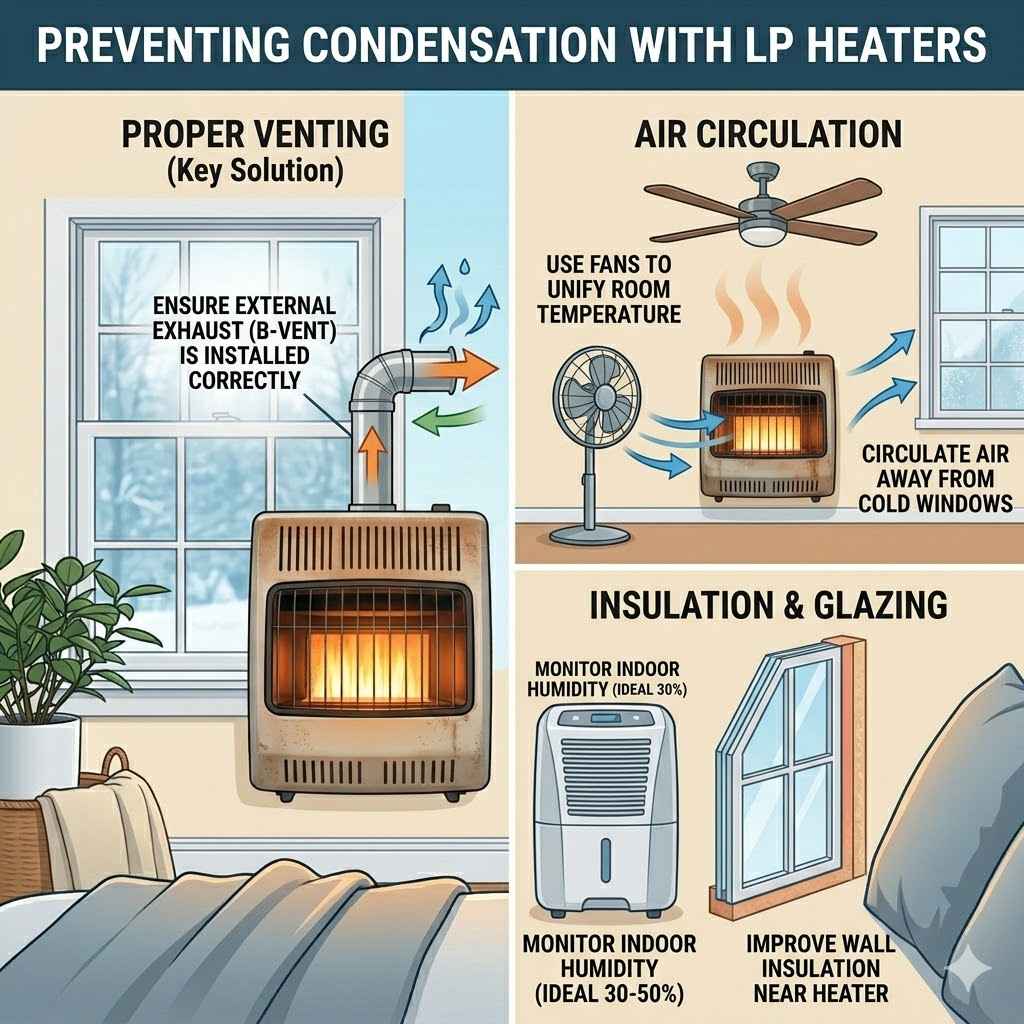
This is the most important first step. You can buy an inexpensive device called a hygrometer. Place it in a central location in your home, away from bathrooms or kitchens.
Look at the reading. Ideally, indoor humidity should be between 30% and 50% in the winter. If it’s consistently over 50%, you have a humidity problem.
Inspect Your Windows
Look closely at your windows. Are they old and single-paned? Do you feel drafts?
Are the frames damaged? Are the window coverings blocking airflow? Understanding your window type and condition will tell you how likely they are to get cold.
Assess Your Ventilation Habits
Do you use your exhaust fans when cooking or showering? Do you open windows regularly to air out the house? If not, you might need to change your habits.
Think about how much moisture you’re introducing daily.
Examine Your Vented LP Heater
While unlikely to be the cause, it’s good practice to ensure your heater is working correctly. Check the vent pipe outside. Is it clear of debris like snow, leaves, or bird nests?
Is it securely attached? If you notice any strange smells, noises, or soot around the unit, call a qualified HVAC technician immediately. Safety first!
Infographic: Humidity Management Checklist
Manage Your Home’s Moisture
Simple steps to reduce humidity:
Check Your Hygrometer
Aim for 30-50% RH.
Use Exhaust Fans
Always during/after showers & cooking.
Ventilate Daily
Open windows 10-15 mins.
More tips:
Dry Clothes Outside or in a Vented Dryer: Avoid indoor drying racks.
Cover Pots When Cooking: Reduces steam release.
Fix Leaks Promptly: Check pipes, roofs, and foundations.
Consider a Dehumidifier: For persistently high humidity levels.
Real-World Scenarios and Solutions
Let’s look at how different homes might experience condensation and what to do about it.
Scenario 1: The Energy-Efficient New Build
Home: A newly constructed, tightly sealed home in a cold climate. It has modern, triple-pane windows and an HRV system. It uses a vented LP heater for primary heat.
Problem: Some condensation appears on window corners during the coldest snaps.
Analysis: The home is very efficient, meaning minimal air exchange. Even with an HRV, if it’s not set to a high enough fan speed or if daily activities generate a lot of moisture (e.g., a large family, lots of cooking), humidity can creep up. The windows are excellent, but still have a dew point.
The vented LP heater is not adding moisture.
Solution:
- Increase HRV fan speed slightly.
- Ensure bathroom/kitchen fans are used effectively.
- Monitor hygrometer and adjust habits if humidity exceeds 50%.
- Consider slightly reducing humidifier output if one is used.
Scenario 2: The Old Farmhouse Makeover
Home: An older home with some renovations. It has some double-pane windows and some older single-pane ones. It has a vented LP heater for supplemental heat in a drafty sunroom.
Problem: Significant condensation on the single-pane windows in the sunroom, especially after the heater has been running.
Analysis: The single-pane windows are the main culprit. They are very cold. The vented LP heater is efficient, but the sunroom itself might not be well-sealed or insulated.
Daily activities in the main house contribute to overall humidity, and this moisture finds its way to the coldest surfaces. The heater itself isn’t the issue, but its presence in a poorly insulated area highlights the window problem.
Solution:
- Prioritize replacing single-pane windows with double-pane, energy-efficient ones.
- Use heavy, insulated curtains on the single-pane windows when not in use.
- Ensure good ventilation in the sunroom.
- Check for and seal any air leaks around the sunroom’s walls and windows.
Scenario 3: The Apartment Dweller
Home: A modern apartment with a central HVAC system that might use LP gas. Windows are standard double-pane. Air exchange is limited.
Problem: Condensation appears on windows, especially in the morning.
Analysis: Apartments often have limited control over ventilation. High occupancy (many people breathing) and daily activities like cooking and showering can quickly raise humidity. The building’s structure might also contribute to condensation if not managed well.
The heating system’s fuel type is less relevant than the overall humidity and window temperature.
Solution:
- Use exhaust fans religiously.
- Open windows for short periods if possible and safe.
- Avoid drying clothes indoors if possible.
- Consider a small, portable dehumidifier if allowed by building management.
- Keep furniture and curtains away from windows to allow airflow.
Infographic: Vented vs. Unvented Heaters
Heater Types and Moisture
Understand the difference:
Vented LP Heater
Exhaust goes outside.
Adds minimal moisture indoors.
Unvented Heater
Exhaust stays inside.
Adds CO2 and water vapor to room air.
Condensation Impact:
Vented: Generally not a direct cause of condensation.
Unvented: A significant contributor to indoor humidity and condensation.
When to Call a Professional
While many condensation issues can be managed with simple lifestyle changes and basic checks, there are times when professional help is necessary. Don’t hesitate to call an HVAC technician or a home performance specialist if:
- You suspect your vented LP heater isn’t functioning correctly (smells, noises, soot).
- Your hygrometer consistently reads above 60% humidity, and your efforts to reduce it aren’t working.
- You see signs of mold or mildew growth, especially if it’s spreading.
- You notice structural damage like peeling paint, warped wood, or water stains on walls or ceilings.
- You’ve tried basic troubleshooting, but the condensation persists or worsens.
- You’re considering major upgrades like new windows or a ventilation system and want expert advice.
A professional can assess your entire home’s system. They can identify complex issues like hidden leaks, improper insulation, or ventilation shortfalls. They can also recommend specific solutions tailored to your home’s unique needs.
Frequently Asked Questions About Vented LP Heaters and Condensation
Will a properly working vented LP heater add moisture to my home?
A properly working vented LP heater expels combustion byproducts, including water vapor, outside. It adds very little moisture to your indoor air, significantly less than unvented appliances or daily activities like showering. Therefore, it is generally not considered a direct cause of significant window condensation.
What is the ideal humidity level in my home during winter?
For most homes, the ideal indoor humidity level during winter is between 30% and 50% Relative Humidity (RH). Levels above 50% can encourage condensation and mold growth, while levels below 30% can lead to dry skin, static electricity, and discomfort.
How can I reduce humidity in my home if my vented LP heater isn’t the cause?
You can reduce humidity by using exhaust fans in bathrooms and kitchens, airing out your home daily by opening windows briefly, drying clothes outdoors or in a vented dryer, covering pots when cooking, fixing any leaks, and potentially using a dehumidifier if humidity levels remain high.
Are there any specific types of vented LP heaters that are better at preventing condensation?
All properly functioning vented LP heaters are designed to vent combustion byproducts outside. The key is the venting system itself. Direct-vent models are often more efficient and ensure no indoor air is used for combustion or vented indoors.
However, the primary factor for condensation is indoor humidity and cold surfaces, not the specific brand or model of a vented heater.
Can a vented LP heater indirectly cause condensation by warming up the room too much?
While a heater warms the air, its primary function is to increase temperature. If your home’s humidity is already high, that warm air can carry more moisture to cold surfaces like windows. However, the heater itself isn’t “causing” the excess moisture; it’s enabling it to reach its condensation point more easily.
The root cause remains high indoor humidity and cold surfaces.
What if I have condensation on the inside of my windows, but it’s not extremely cold outside?
If you’re seeing condensation when it’s not very cold, it strongly indicates high indoor humidity. This means your home is retaining too much moisture from everyday activities. You’ll need to focus on reducing indoor humidity through better ventilation and moisture-producing habit changes.
Conclusion: Putting It All Together
So, to answer the question directly: Will vented LP heaters cause window condensation? Generally, no, not if they are installed and functioning correctly. These systems are designed to take exhaust fumes, including water vapor, outside your home.
The real culprits behind window condensation are usually a combination of high indoor humidity and cold window surfaces. Your daily activities, the efficiency of your home’s ventilation, and the type of windows you have play a much bigger role.
By understanding where moisture comes from, ensuring good ventilation, and paying attention to your home’s humidity levels, you can keep your windows clear and your home healthy. Don’t blame the heater if it’s doing its job correctly. Instead, focus on managing the indoor environment.
This approach will lead to a more comfortable and problem-free home.
Sponsored / affiliate links. As an Amazon Associate I earn from qualifying purchases. I may earn additional commission from eligible campaigns.