Redwood Vs Sequoia Trees: What Is The Real Difference?
Let’s clear things up. We’ll look at what makes each tree special. We’ll talk about where they live. We’ll also see how they look. This will help you tell them apart for good. You’ll know exactly what you’re looking at.
Redwood and Sequoia trees are both massive conifers native to California. The main distinctions lie in their scientific names, native habitats, appearance, and size. Giant Sequoias are known for their immense volume, while Coast Redwoods are famous for their towering height.
Understanding Redwood and Sequoia Trees
When we talk about these amazing trees, two names usually come up: Redwood and Sequoia. But even within these names, there are a few types. The most famous are the Coast Redwood and the Giant Sequoia. They often get confused because they are related. They are both in the cypress family.
The scientific name for the Coast Redwood is Sequoia sempervirens. The Giant Sequoia is Sequoiadendron giganteum. See the difference? One starts with “Sequoia,” and the other starts with “Sequoiadendron.” This is the first clue.
These trees are ancient. They have a long history. They have seen many things over the years. Their existence is a wonder of nature. We want to learn more about them.
Meet the Coast Redwood
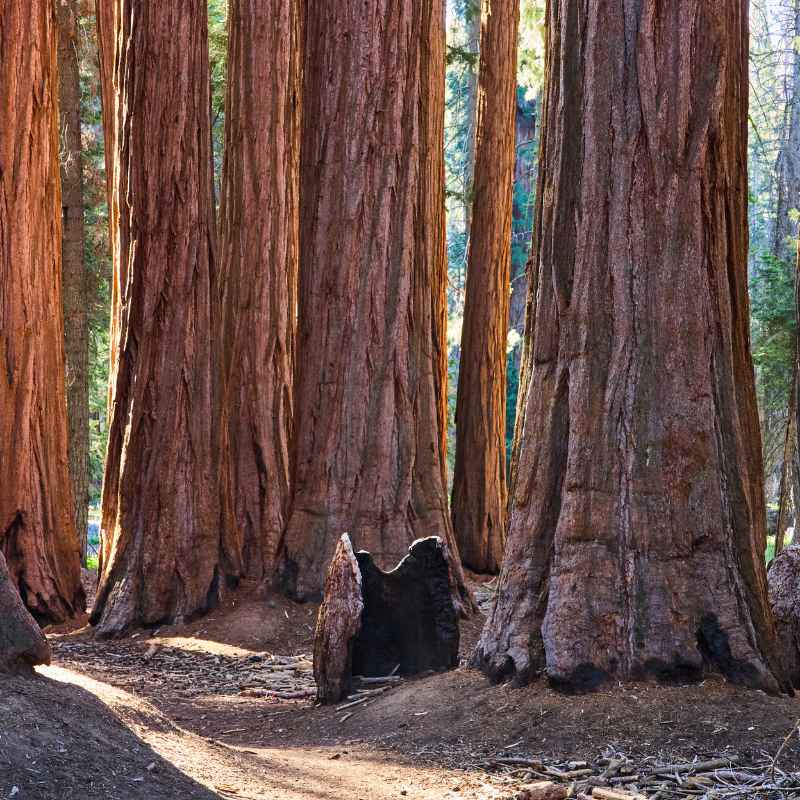
The Coast Redwood is a true marvel. It’s the tallest living thing on Earth. Imagine standing next to a tree that scrapes the sky! That’s what these trees do. Their official name is Sequoia sempervirens.
Where do they live? They love the coast. That’s why they’re called Coast Redwoods. They grow in a narrow strip along the Pacific coast. This area is in Northern California and a bit into Southern Oregon. They need a lot of moisture. Fog is their friend.
The fog rolls in from the ocean. It brings much-needed water. This keeps the trees healthy. It also helps them grow so tall. The air is often cool and damp. This is their perfect home. This environment is special and unique.
Key Features of the Coast Redwood
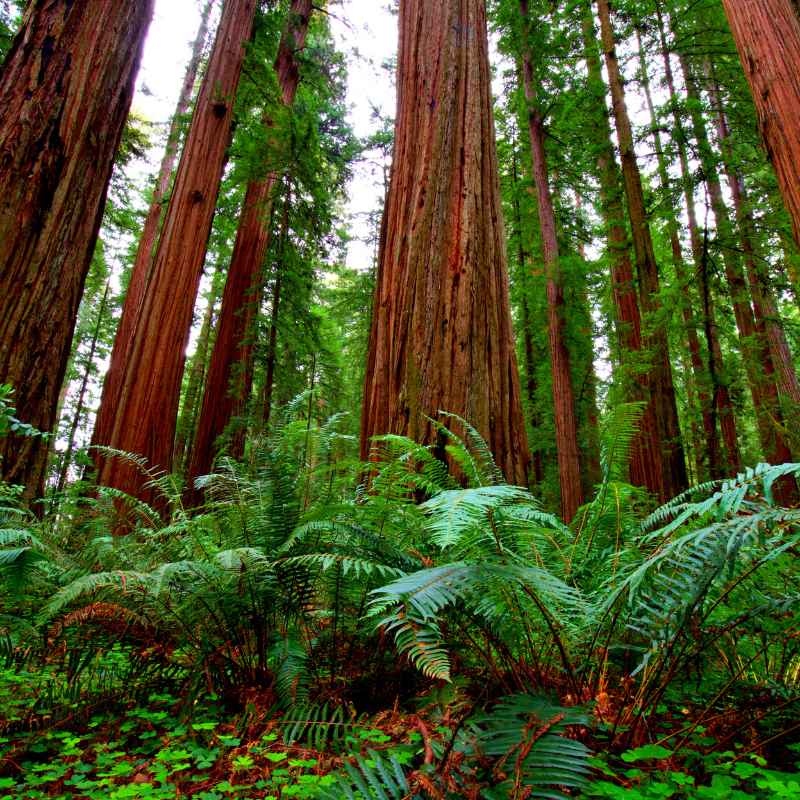
What do they look like? Coast Redwoods have long, slender trunks. They are a reddish-brown color. Their bark is also reddish. It’s fibrous and can be quite thick. This bark helps protect them.
Their needles are short and flat. They grow on either side of the twig. This gives them a feathery look. The cones are small. They are only about an inch long. These cones hold the seeds.
These trees can live for a very long time. Some are over 2,000 years old. That’s a lot of birthdays! They are focused on growing up. They reach for the sun.
Coast Redwood Quick Facts
Scientific Name: Sequoia sempervirens
Native Habitat: Coastal strip of Northern California and Southern Oregon
Height Record: Tallest living trees on Earth
Appearance: Slender, tall, reddish bark, small cones
Key Need: High moisture and fog
Meet the Giant Sequoia
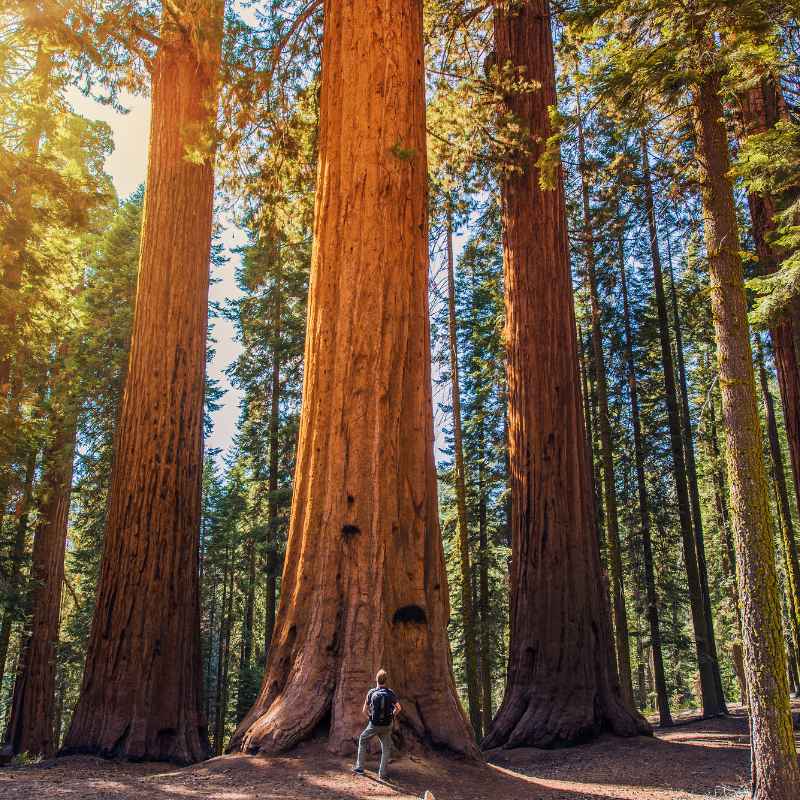
Now, let’s talk about the Giant Sequoia. Its scientific name is Sequoiadendron giganteum. These trees are known for something different. They are the largest trees in the world by volume. They are not as tall as Coast Redwoods. But they are much, much wider.
Where do you find Giant Sequoias? They live in a specific place. They grow on the western slopes of the Sierra Nevada mountains in California. They need high altitudes. They like deep, granite-based soil.
They need snow in the winter. This snow melts and provides water in the spring. They also need sunlight. They grow in groves. These groves are spread out. They are not in a continuous line like the coast redwoods.
These trees are massive. Their trunks are thick and sturdy. They have a reddish-brown bark. The bark is deeply furrowed. It feels spongy. This bark is very thick. It can be several feet thick!
Key Features of the Giant Sequoia
Giant Sequoias have a more conical shape when young. As they get older, their tops flatten out. Their branches are strong and heavy. They spread out wide. This gives them their massive bulk.
Their needles are different too. They are small and sharp. They are shaped like awls. They are wrapped around the twig. This makes them look prickly.
The cones of the Giant Sequoia are larger than the Coast Redwood’s cones. They can be about 2-3 inches long. These cones need fire to open and release seeds. This is a surprising fact!
Giant Sequoias are incredibly long-lived. Some can live for over 3,000 years. They are truly ancient giants. They have witnessed centuries of change.
Giant Sequoia Quick Facts
Scientific Name: Sequoiadendron giganteum
Native Habitat: Western slopes of the Sierra Nevada mountains, California
Size Record: Largest trees by volume
Appearance: Massive trunk, thick spongy bark, flattened top (when old), larger cones
Key Need: Fire for seed release, snowmelt for water
Comparing Them Side-by-Side
Let’s put them next to each other. It makes the differences clearer. Think of it like comparing a tall runner to a strong weightlifter. Both are athletes, but they have different strengths.
The Coast Redwood is the runner. It’s all about height. It stretches up, up, up. It wants to be the tallest. It lives near the salty air and damp fog of the coast.
The Giant Sequoia is the weightlifter. It’s all about width and bulk. It’s incredibly massive. It has a huge trunk that looks like a mountain. It lives high up in the mountains, where fires are part of its life cycle.
Height vs. Volume
This is the main point. Coast Redwoods are the tallest trees. The record holder, Hyperion, is over 380 feet tall. That’s like stacking two eighteen-story buildings!
Giant Sequoias are the largest trees. They are measured by how much wood they contain. The General Sherman Tree is the biggest. It has an estimated volume of over 52,000 cubic feet. That’s a lot of lumber!
So, if you see a super tall, slender tree on the coast, it’s likely a Coast Redwood. If you see an incredibly wide, massive tree in the mountains, it’s probably a Giant Sequoia.
Habitat and Environment
Their homes are very different. Coast Redwoods need a lot of rain and fog. They thrive in the mild, wet climate of the coast. They can grow very close together. This creates dense forests.
Giant Sequoias need a different climate. They like the drier, cooler air of the mountains. They need the snowpack for water. Their cones are adapted to fire. Fires clear out competing plants. They also help open the cones.
This difference in habitat is a big clue. It helps explain why they look and grow the way they do. Their environments shape them.
Bark and Cones
Let’s look closer at the bark. Coast Redwood bark is reddish-brown. It’s fibrous. It can be up to a foot thick. It’s more stringy in texture.
Giant Sequoia bark is also reddish-brown. But it’s much thicker. It can be up to three feet thick! It’s deeply grooved. It feels spongy. This thick bark is a great insulator. It protects against fire.
The cones are a dead giveaway too. Coast Redwood cones are small. They look like tiny barrels. They are about an inch long.
Giant Sequoia cones are larger. They are egg-shaped. They can be up to three inches long. They are woody and tough.
Contrast Matrix: Redwood vs. Sequoia
| Feature | Coast Redwood (Sequoia sempervirens) | Giant Sequoia (Sequoiadendron giganteum) |
|---|---|---|
| Primary Characteristic | Tallest Trees | Largest Trees by Volume |
| Native Range | Coastal Northern California & Southern Oregon | Sierra Nevada Mountains, California |
| Bark Thickness | Up to 1 foot | Up to 3 feet |
| Cone Size | Small (approx. 1 inch) | Larger (approx. 2-3 inches) |
| Needle Shape | Flat, feathery | Sharp, awl-shaped |
Real-World Context: Seeing Them in Person
Visiting these trees is an experience like no other. You can feel very small next to them. It puts things in perspective. I remember my first trip to Muir Woods National Monument. The Coast Redwoods were just mind-blowing. The light filtering through the canopy was magical. It felt like a cathedral.
Then, a few years later, I went to Sequoia National Park. The Giant Sequoias there were just… enormous. Standing next to the General Sherman Tree was humbling. You can’t even get your arms around it. It makes you think about time. It makes you think about nature’s power.
The air smells different too. On the coast, it’s damp and fresh. In the mountains, it’s drier and smells of pine. The ground cover is different. Coast redwood forests have ferns and sorrel. Sequoia groves have more pine needles and fewer ferns.
Visiting Redwood National and State Parks
This park system is home to the Coast Redwoods. It’s a UNESCO World Heritage site. You can walk among these giants. Trails are well-maintained. You can drive scenic routes. Newton B. Drury Parkway is a great drive.
One thing to look for is the height. Always look up! You’ll see how they just keep going. They have fallen trees you can walk on. They have visitor centers with great information. It’s a place for awe and wonder.
You might see Roosevelt elk here too. They are large and impressive. The parks protect a whole ecosystem. It’s not just about the trees.
Visiting Sequoia and Kings Canyon National Parks
This is the domain of the Giant Sequoias. Sequoia National Park is famous for the General Sherman Tree. Nearby Kings Canyon National Park also has amazing groves.
The General Grant Tree is another giant. It’s the second largest. You can walk through the tunnel log. A car drove through a hole cut in a fallen sequoia. It shows their massive size.
The elevation is higher here. You might need to adjust to the altitude. The weather can change quickly. Be prepared for different conditions. The scale of these trees is hard to grasp until you see them.
Planning Your Visit: What to Expect
- Coast Redwood Areas: Expect cooler, damper weather. Trails might be softer, with more ferns. Look for extreme height.
- Giant Sequoia Areas: Expect higher elevation, drier air. Trails might be rockier. Look for immense width and volume.
- What to Bring: Layers of clothing, comfortable walking shoes, water, snacks. A camera is a must!
- Respect the Trees: Stay on marked trails. Do not carve into the bark. Help protect these ancient wonders.
What This Means for You
Knowing the difference is more than just trivia. It helps you understand their unique needs. It helps you appreciate their survival stories. Coast Redwoods face threats like logging and climate change impacting fog patterns.
Giant Sequoias face fire risks. While fire helps them, too much intense fire can harm them. They are also vulnerable to drought. Understanding these threats makes us value them more.
When you see a redwood or sequoia, you’ll know if you’re on the coast or in the mountains. You’ll have a better idea of its age. You’ll understand why it looks the way it does.
When Is It Normal to See These Trees?
It’s normal to see Coast Redwoods only in their specific coastal range. They need that foggy, moist environment. Outside of that zone, they won’t thrive.
It’s normal to see Giant Sequoias only in certain groves on the Sierra Nevada’s western slopes. They are quite specific about their growing conditions. They can’t live just anywhere.
When Should You Be Concerned?
You should be concerned if you see large areas of dead or dying trees in their native habitats. This can indicate disease, severe drought, or other environmental stresses.
For Giant Sequoias, prolonged or extremely intense wildfires that burn for days can be a concern. While they are fire-adapted, severe fires can kill even the oldest trees.
For Coast Redwoods, a significant reduction in fog cover due to climate change could be a long-term concern for their health and survival.
Simple Checks You Can Do
When visiting, look at the needles. Are they flat and feathery, or sharp and prickly? Look at the cones. Are they small or large?
Observe the bark. Is it stringy and somewhat smooth, or thick, rough, and deeply furrowed?
Consider the location. Are you near the ocean, or high in the mountains?
Spotting Clues: A Quick Guide
- Clue 1: Location – Coastal = Coast Redwood. Sierra Nevada = Giant Sequoia.
- Clue 2: Shape – Tall & slender = Coast Redwood. Massive & wide = Giant Sequoia.
- Clue 3: Needles – Flat & feathery = Coast Redwood. Sharp & awl-like = Giant Sequoia.
- Clue 4: Cones – Small, barrel-like = Coast Redwood. Larger, woody = Giant Sequoia.
Quick Fixes & Tips for Appreciation
While you can’t “fix” a tree, you can help appreciate them. When you visit, take your time. Don’t rush through. Stand still and just look up.
Listen to the sounds around you. What do you hear? The wind in the branches? Birds? The quiet stillness?
Take photos, but also take mental snapshots. Try to capture the feeling of being there. It’s about the experience.
Learn more from park rangers. They have a wealth of knowledge. They can point out specific features.
Tips for a Great Visit
- Go Slow: Give yourself plenty of time to explore.
- Be Present: Put away your phone and just soak it in.
- Ask Questions: Talk to park staff and learn from them.
- Respect Nature: Follow all park rules and guidelines.
Frequently Asked Questions
Are Coast Redwoods and Giant Sequoias the same species?
No, they are not. The Coast Redwood is Sequoia sempervirens. The Giant Sequoia is Sequoiadendron giganteum. They are related but are distinct species.
Which type of tree is taller?
Coast Redwoods are the taller trees. They hold the record for the tallest living organisms on Earth.
Which type of tree is bigger in terms of mass?
Giant Sequoias are bigger in terms of volume or mass. They are the largest trees by volume in the world.
Where can I find Coast Redwoods?
Coast Redwoods are found in a narrow strip along the Pacific coast of Northern California and a small part of Southern Oregon.
Where can I find Giant Sequoias?
Giant Sequoias grow on the western slopes of the Sierra Nevada mountains in California. They are found in specific groves at higher elevations.
How can I tell the bark apart?
Coast Redwood bark is fibrous and can be up to a foot thick. Giant Sequoia bark is much thicker (up to three feet), deeply furrowed, and feels spongy.
Do Giant Sequoias need fire to grow?
Yes, Giant Sequoias are adapted to fire. While fires don’t cause them to grow, they are crucial for their reproduction. Fire helps clear out competing vegetation and causes their cones to open, releasing seeds.
Conclusion
So, the next time you hear about a giant tree in California, you’ll know more. You can ask: Is it the tallest (Coast Redwood)? Or is it the widest and most massive (Giant Sequoia)?
Both are incredible wonders of nature. They have unique stories. They have unique needs. Appreciating these differences helps us protect these ancient giants for generations to come.
Sponsored / affiliate links. As an Amazon Associate I earn from qualifying purchases. I may earn additional commission from eligible campaigns.
 Permanent Mulch Recycled Rubber Border - 6 Feet Long x 22 Inches Wide | Weed Deterrent | Easy Install | Scatter-Proof | Landscaping | Paths | Eco-Friendly Design
 Startbuymore Moisture Detection Tool For For Wood Products And Paper Goods With MD-2G/MD-4G Digital LCD Display And 9V Battery Operation(MD-4G)