Are Oil Filled Space Heaters More Efficient? Honest Answer
Oil filled space heaters can offer a steady, even heat that lasts. They are often considered efficient for maintaining a comfortable temperature in a single room because of how they release heat slowly. However, their initial heat-up time can be longer than other types.
Understanding How Oil Filled Space Heaters Work
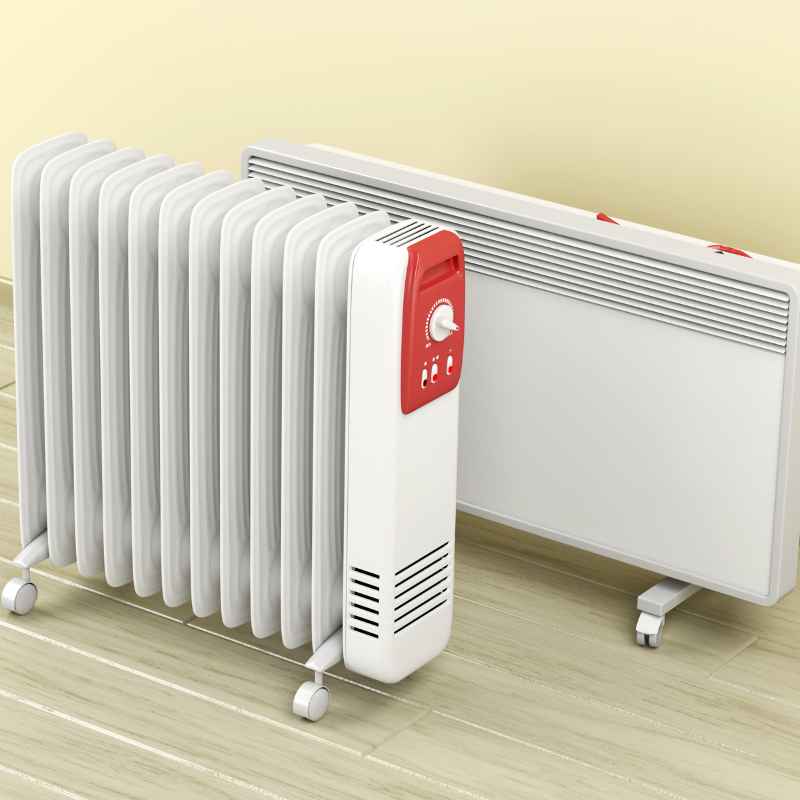
These heaters have a special secret inside. They are sealed units. Inside, there’s a special kind of oil.
This oil is not like the oil you use in your car. It’s a mineral oil. This oil never burns away.
It just gets hot.
Electric coils are inside the heater. These coils heat up when you plug them in. As the coils get hot, they warm the oil.
The oil then starts to move around inside the heater. This is called convection. The hot oil flows up.
Then it cools down as it reaches the outer metal fins of the heater.
These fins are like radiators on a car. They have a large surface area. This helps the heat from the oil spread into the air.
The heat then radiates out into the room. It’s a slow and steady process. The oil keeps circulating and heating the fins.
This means the heater stays warm for a while even after you turn it off.
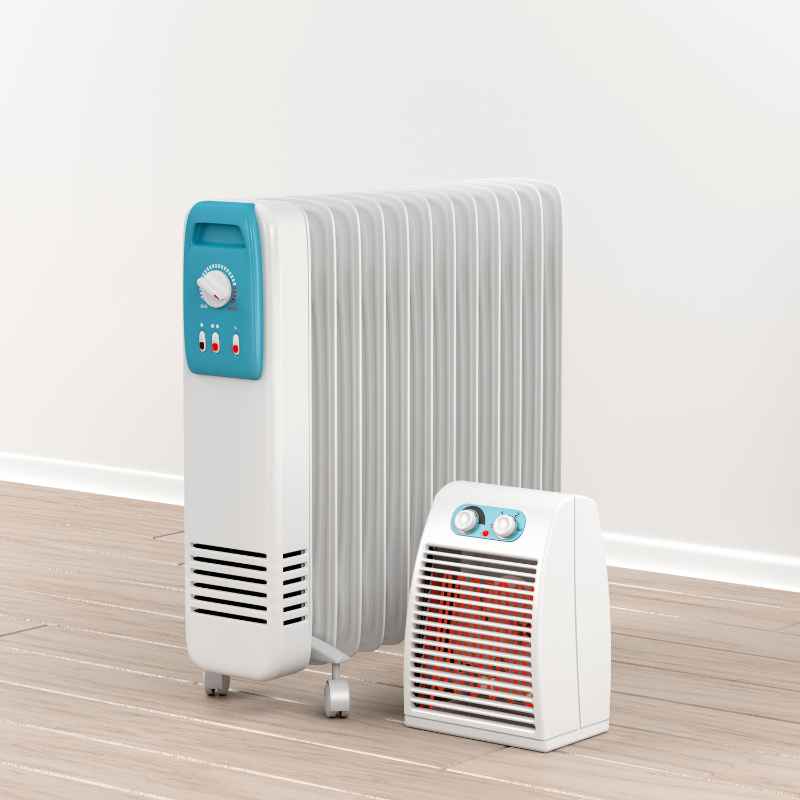
The Science of Steady Heat: Why Oil Filled Heaters Feel Different
The way oil filled heaters give off heat is quite unique. It’s a gentle, radiant warmth. Unlike heaters with fans, they don’t blow hot air.
This means no noisy fans to deal with. The heat is more consistent too. It doesn’t have those hot and cold cycles you might feel with other heaters.
Think of it like a warm stone. Once it’s heated up, it stays warm for a long time. The oil inside acts like that stone.
It stores heat. Then it slowly gives it back to the room. This makes the temperature feel very stable.
It’s a cozy kind of heat.
This steady release is what many people love. It keeps a room at a pleasant temperature. It doesn’t blast you with heat then turn off.
This gradual warming can also feel more natural and less drying to the air. Some people find this important for comfort.
Personal Experience: My First Oil Filled Heater Mishap
I remember buying my first apartment. It was an older building with questionable heating. I was worried about winter bills.
I heard oil filled heaters were good for small spaces. So, I bought a cheap one online. It looked like a mini radiator.
It sat in the corner of my living room. I plugged it in one chilly November evening.
I waited. And waited. Nothing much seemed to be happening.
I checked the plug. I fiddled with the dial. The outside of the heater felt slightly warm.
But the room still had that biting chill. I started to panic. Was this thing broken?
Was it a waste of money? I felt so frustrated.
After what felt like an hour, I noticed a subtle change. The air wasn’t just less cold. It felt warm.
A soft, even warmth. It wasn’t like a blast from a fan heater. It was like the whole room was gently breathing out heat.
It took a long time to get there, but once it was warm, it stayed that way. That was my first lesson: patience is key with these heaters.
Oil Filled Heater vs. Fan Heater: What’s the Difference?
Oil Filled Heaters:
- Use oil to store and radiate heat.
- Provide steady, gentle warmth.
- Silent operation (no fans).
- Slower to heat up.
- Heat stays for a bit after unplugging.
Fan Heaters:
- Use a fan to blow hot air.
- Heat up a room faster.
- Can be noisy.
- Heat can be uneven (hot spots, cold spots).
- Heat stops immediately when turned off.
Efficiency Explained: Are They Truly Saving You Energy?
This is the million-dollar question, isn’t it? When we talk about efficiency, we often mean how much heat you get for the electricity you use. Oil filled heaters use electricity to heat the oil.
That heated oil then warms the room. The energy is converted to heat.
The key to their efficiency lies in how they release heat. Because they retain heat and release it slowly, they can maintain a temperature very well. If you set a thermostat on an oil filled heater, it will cycle on and off less frequently than some other types.
This can prevent overshooting the target temperature.
They are particularly efficient for maintaining a temperature in a specific room. If you need to heat a whole house, they might not be the best choice. They take a long time to warm up a large space.
But for a bedroom, a small office, or a living room you’re spending a lot of time in, they can be very good.
Their oil filled space heaters efficiency is often linked to their ability to provide consistent heat. You might use less energy overall because you aren’t constantly turning a heater up and down to compensate for temperature swings. The steady warmth means less wasted energy trying to catch up.
Quick Scan: Factors Affecting Heater Efficiency
Room Size: Smaller rooms are more efficient to heat.
Insulation: Well-insulated rooms lose less heat.
Thermostat Use: Using a thermostat helps maintain temperature and save energy.
Outside Temperature: Colder weather means the heater works harder.
Target Temperature: Higher temperatures use more energy.
Comparing Oil Filled Heaters to Other Types
Let’s put oil filled heaters side-by-side with other common options. Fan heaters are fast. They blast warm air.
But they can be noisy. And the heat isn’t always even. You might feel too hot right next to it and still feel a draft elsewhere.
Ceramic heaters are another common type. They use a ceramic element and a fan. They heat up quickly, like fan heaters.
They are often more compact. But they can also be dry. And again, the fan noise is present.
They also stop heating right away when turned off.
Infrared or radiant heaters are different. They heat objects directly. Like the sun warming your skin.
They work well if you’re sitting directly in their path. But they don’t heat the air in the room very well. So, the room itself might still feel cool.
Oil filled heaters win on quietness and steady heat. They lose on speed. For overall oil filled space heaters efficiency in a specific, small to medium-sized space, they can be a strong contender.
The energy they use to heat the oil is then used to provide a long-lasting warmth. This can prevent the constant on-off cycling that drains power in some other types.
Real-World Context: Where Do They Shine?
These heaters are perfect for specific situations. Think about a home office. You’re sitting there for hours.
You want consistent, quiet warmth. An oil filled heater is ideal. It won’t distract you with noise.
It will keep your workspace at a comfortable temperature all day.
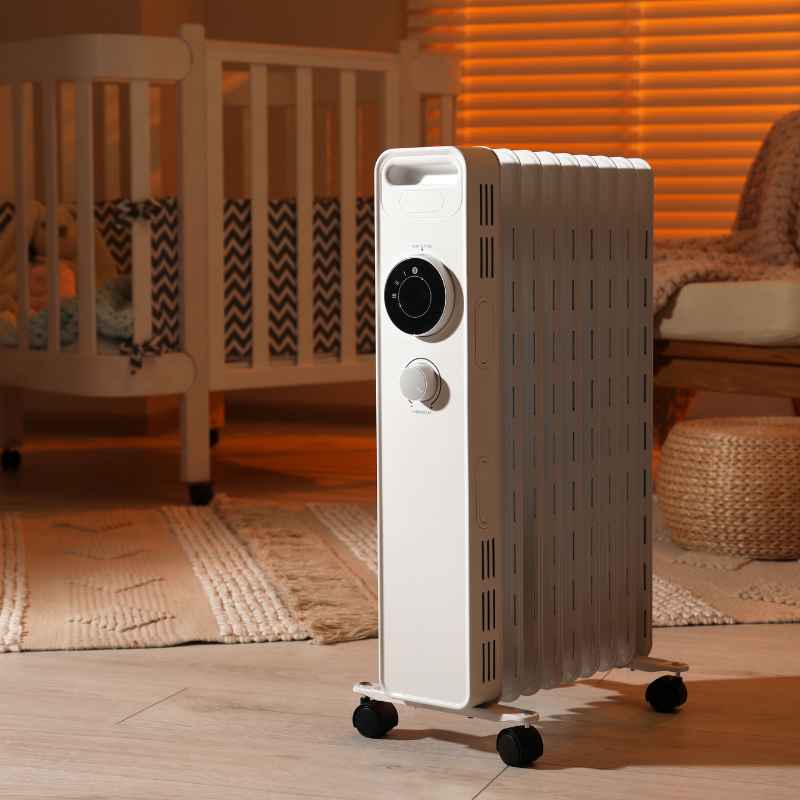
Bedrooms are another great spot. Nobody wants a noisy heater disrupting sleep. The gentle, radiant heat from an oil filled model is perfect.
It provides a cozy atmosphere. And the lack of a fan means no dust is blown around.
They are also good for supplementing your main heating system. If one room in your house always feels colder, an oil filled heater can take care of it. It can warm that specific area without forcing your main furnace to work overtime.
This can lead to savings.
In U.S. homes, especially in older houses or apartments with less insulation, these heaters offer a reliable way to add comfort to a specific zone. They create a stable environment that feels pleasant without being overwhelming.
Best Places for an Oil Filled Heater
- Home offices
- Bedrooms
- Small living rooms
- Guest rooms
- Basement areas
- Supplementing main heating
What This Means for Your Energy Bill
So, back to efficiency and your bill. If you are using an oil filled heater correctly, it can absolutely help manage your energy costs. The key is using it for its strengths.
If you need to heat a large area quickly, it’s not the most efficient tool. You’ll be waiting a long time. And it might struggle to reach the desired temperature.
In that case, a more powerful heater or your central system would be better.
But for heating a single room for extended periods, the steady, stable heat can mean less energy used over time. Instead of a heater blasting heat, then stopping, then blasting again, it’s working more subtly. This consistent output can be more energy-wise.
It prevents temperature dips that make you want to turn the heat up higher.
The fact that they retain heat for a while after being turned off is also a bonus. You can sometimes turn them off before you leave a room, and it will stay warm for a good while. This means the electricity consumption stops, but the warming continues.
This is a smart way to save power.
When to Worry: Red Flags for Your Heater
While generally safe and efficient, like any appliance, there are times to be cautious. If your oil filled heater starts making strange noises, like hissing or banging, that’s not normal. It could mean there’s an issue with the internal oil.
Always check the manual for what sounds are considered typical.
If it starts leaking oil, that’s a definite problem. The oil is sealed for a reason. A leak can be messy and a safety hazard.
You should stop using it immediately and contact the manufacturer or a repair service. Do not try to refill it yourself. These are not meant to be refilled.
Another sign is if it’s not heating up at all, or taking an unusually long time even after being on for hours. This could indicate a problem with the heating element or the thermostat. Ensure it’s plugged into a working outlet.
Sometimes simple things are overlooked.
Always follow the manufacturer’s instructions for operation and maintenance. Overheating due to blocked vents or placing it too close to flammable materials is a fire risk. Ensure there’s enough clear space around the heater.
Safety first!
Safety Checks for Your Oil Filled Heater
- Ventilation: Ensure vents are clear.
- Clearance: Keep at least 3 feet of space around it.
- Placement: Avoid placing on soft surfaces like beds or carpets.
- Supervision: Never leave it unattended for long periods.
- Condition: Check for dents, leaks, or frayed cords.
Quick Tips for Maximizing Efficiency
To get the most out of your oil filled space heater, some simple habits help. Always use it in the room you are currently in. Don’t try to heat an empty room.
Close doors and windows to keep the warm air in.
Use the thermostat setting wisely. Find a comfortable temperature and leave it there. Avoid constantly turning it up.
If it’s too cold, it means you might need a larger heater or better insulation for that space.
Clean your heater regularly. Dust can build up on the fins. This can make it less efficient.
A quick wipe down with a dry cloth is usually all it needs. Make sure it’s unplugged and completely cool before cleaning.
Consider using it in conjunction with other heating methods. For instance, if you have central heating, you might be able to turn down the thermostat for your whole house a few degrees. Then use the oil filled heater to keep your main living area perfectly comfortable.
This zone heating approach can save energy.
Frequently Asked Questions About Oil Filled Space Heaters
Are oil filled heaters safe for bedrooms?
Yes, oil filled heaters are generally considered very safe for bedrooms. They operate silently, which is ideal for sleep. They also provide a gentle, consistent heat without exposed heating elements or fans that blow hot air.
Just ensure they are placed safely away from bedding and curtains.
How long does it take for an oil filled heater to warm a room?
It takes longer for an oil filled heater to warm a room compared to a fan heater. This can range from 30 minutes to over an hour, depending on the size of the room, the heater’s wattage, and how cold it is. Patience is key, as the heat is released slowly and steadily.
Can I leave an oil filled heater on all night?
Many modern oil filled heaters are designed to be left on overnight, especially those with automatic thermostats. However, it’s always wise to check the manufacturer’s instructions. Ensure the room is well-ventilated and the heater is placed safely away from anything flammable.
Never leave any heater unattended for extended periods if you are concerned about safety.
Do oil filled heaters use a lot of electricity?
Oil filled heaters use electricity to heat the oil. Their wattage, typically between 700 and 1500 watts, indicates how much power they consume. While they use electricity, their efficiency comes from how they distribute and retain heat.
For heating a single room steadily, they can be more energy-wise than heaters that cycle on and off more aggressively.
What is the best wattage for an oil filled space heater?
The best wattage depends on the room size. A common guideline is 10 watts per square foot. So, for a 150 sq ft room, you’d look for around 1500 watts.
Many oil filled heaters have adjustable settings, allowing you to choose lower wattages for smaller spaces or milder temperatures.
Do oil filled heaters dry out the air?
Unlike some fan heaters that can blow dry air, oil filled heaters tend to produce a more comfortable, less drying heat. This is because they rely on convection and radiation rather than forcing air. The steady warmth is often described as more natural and less irritating to the skin and nasal passages.
Final Thoughts on Oil Filled Space Heater Efficiency
So, are oil filled space heaters more efficient? The answer is nuanced. They excel at providing steady, quiet, and comfortable heat for single rooms over longer periods.
This consistent heat output can lead to energy savings when used appropriately. They are not the fastest heaters, but their sustained warmth can make them a wise choice for many U.S. homes seeking coziness without high energy bills.
Sponsored / affiliate links. As an Amazon Associate I earn from qualifying purchases. I may earn additional commission from eligible campaigns.