Can You Use Drywall Primer On Painted Walls? Yes, But…
It’s a question many of us face when starting a painting project. You’ve got a can of drywall primer sitting there, and your walls are already painted. Can you just use that, or do you need something else? It feels like a shortcut, but will it cause more problems than it solves? Let’s dive into this to get the clearest picture.
The short answer is yes, you can sometimes use drywall primer on painted walls. However, it’s not always the best choice. You need to consider the condition of the painted surface and what you hope to achieve with the primer. Often, a dedicated wall primer or a different approach works much better.
What is Drywall Primer and Why is it Different?
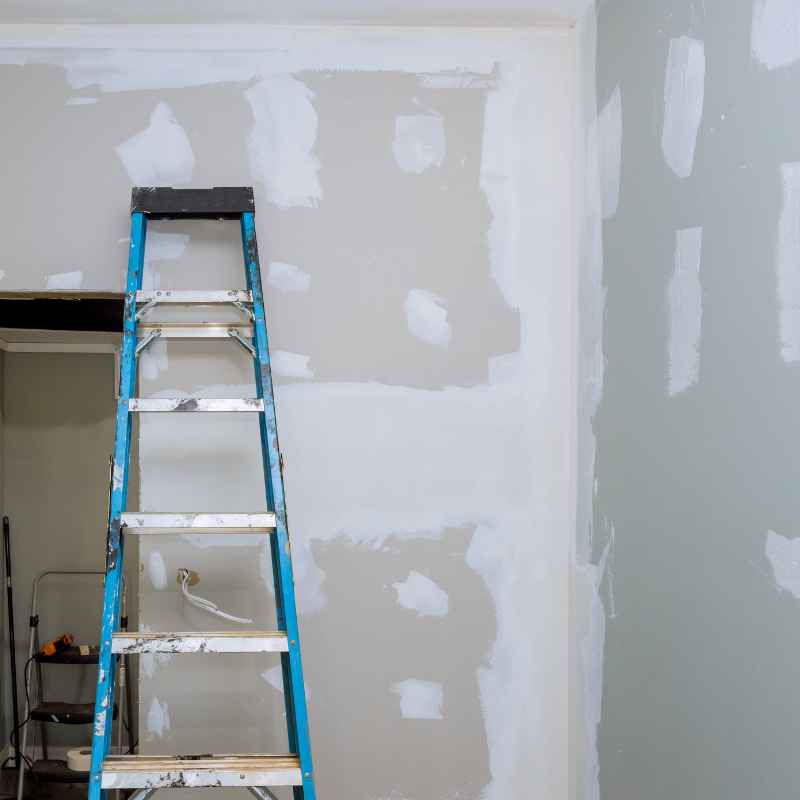
Drywall primer is special. It’s made to go onto brand-new drywall. Think of it as a very thirsty material. New drywall has a paper surface and a gypsum core. It’s like a sponge. Drywall primer soaks into this porous surface. This seals the drywall. It makes the texture even. Then, your paint color will look true.
The main goal of drywall primer is to create a uniform surface. It stops the paint from soaking in unevenly. This is super important on new drywall where some areas might be paper and others might be joint compound. These different parts soak up paint differently. Drywall primer makes them behave the same.
It also helps paint adhere better. Imagine painting directly onto raw drywall. The paint might peel or flake later. Drywall primer gives the paint a good base to stick to. This is why it’s a key step in finishing new walls.
My Painting Project Gone Slightly Awry
I remember one time, I was helping a friend paint her living room. She had just moved in. The walls were a rather… bold shade of orange. We wanted to go for a calm, serene blue. She’d bought a big can of primer, the kind that said “Drywall Primer” right on the label. It was a good deal, she said.
So, she started rolling it on. I was cutting in the edges. About halfway through the first wall, I noticed something odd. The primer wasn’t covering the orange very well. It looked streaky. And in some spots, it seemed to be drying with a slightly shiny finish, almost like a paint itself. I stopped and looked closer. The paint she had on the wall was a matte finish. It was old. Some of it looked a bit chalky.
“Hey,” I said, “this primer isn’t hiding the orange. And look, it’s kind of patchy.” She looked confused. “But it’s primer,” she said. “It’s supposed to cover.” That’s when I realized we had a common misunderstanding. We weren’t using the right tool for the job. That drywall primer was designed for unpainted surfaces. It was trying to soak into something that didn’t want to be soaked.
Can You Use Drywall Primer on Painted Walls? The Nuances
So, back to the question: can you use drywall primer on painted walls? The answer is a bit more complex than a simple yes or no. It really depends on a few things.
The Condition of the Existing Paint
If the painted wall is in great shape, it might work. This means the paint is smooth. There are no cracks or peeling. The paint is also not glossy. A matte or satin finish is usually okay. Drywall primer might stick to these surfaces.
However, if the paint is glossy or semi-glossy, you’ll have a hard time. Primer needs something to grip onto. Shiny paint is like a polished table. Things slide off it easily. You’d need to scuff it up first. This means sanding.
What about older paint? If the paint is chalky or brittle, it’s not a good base. The primer might just peel off with the old paint. This is a mess nobody wants.
What You Want the Primer to Do
Drywall primer’s main job is to seal porous surfaces. Painted walls are usually already sealed. So, the primer isn’t sealing anything new. It’s trying to stick to the top layer of the existing paint.
If you’re painting over a dark color with a light color, you might want a primer that hides that color. Drywall primer often doesn’t have the hiding power you need. It’s more about creating an even surface for the paint.
If you’re trying to cover stains, a regular drywall primer might not be enough. You’d need a stain-blocking primer. These are made for specific problems like water spots or crayon marks.
Surface Texture Differences
Sometimes, painted walls have areas that were patched. If these patches were painted but not primed, they might look different from the rest of the wall. Using drywall primer might help make these patches blend in.
But if the entire wall is painted, the paint itself is the surface. Drywall primer is meant for the paper and joint compound of new drywall. It’s a different kind of absorption.
Drywall Primer vs. Wall Primer
Drywall Primer: Best for new drywall. It seals the porous paper and gypsum. It helps create a smooth base for paint.
Wall Primer: Designed for painted surfaces. It offers better adhesion to existing paint. It often has better hiding power.
Why Drywall Primer Might Not Be Ideal on Painted Walls
There are a few key reasons why using drywall primer on painted walls can lead to issues. It mostly comes down to adhesion and performance.
Adhesion Problems
As mentioned, painted surfaces are generally not porous like new drywall. Drywall primer is formulated to soak into that porosity. When applied to a sealed paint layer, it might not bond well. Think of trying to glue a piece of paper to a plastic bag. It’s just not designed for that.
This weak bond can lead to peeling. Especially when you apply your topcoat of paint. The new paint pulls the primer away from the old paint. You might see bubbles or flaking. This means a lot of extra work. You’ll have to scrape, sand, and re-prime.
Lack of Hiding Power
Many drywall primers are thin. Their main job is sealing, not covering. They are often white or a very light gray. They won’t effectively hide dark colors or stains underneath. You might need multiple coats of paint to get the desired color. This adds time and expense.
A good wall primer, on the other hand, is often thicker. It has more pigment. It’s designed to block out the old color or imperfections on a painted surface. This means you can often get away with fewer topcoats.
Surface Texture Issues
Sometimes, drywall primer can dry with a slightly different texture than the painted wall. It might feel chalkier or rougher. This can show through your topcoat. You’re aiming for a smooth, uniform finish. This can be hard to achieve if the primer itself creates texture variations.
When It Might Work (with Caveats)
There are specific situations where using drywall primer on painted walls might be acceptable, but you need to be prepared.
When the Existing Paint is Matte and in Perfect Condition
If you have a wall painted with a flat or matte finish. And this paint is perfectly smooth. No scuffs, no marks, and it hasn’t peeled at all. Then, a drywall primer might adhere. It’s still not ideal. But it’s less likely to cause immediate problems.
Even in this case, it’s a gamble. The primer is still designed for porosity. It’s not designed for a smooth, non-porous surface.
For Minor Touch-Ups on Unpainted Areas
Imagine you have a small patch of new drywall mud on an otherwise painted wall. You need to prime just that spot. Here, using a drywall primer on that small patch is fine. The primer will soak into the mud and the surrounding drywall paper. It will blend the patch into the wall surface.
But if you’re priming the whole wall, this logic doesn’t apply. You’re trying to prime over an existing finish.
When Budget is Extremely Tight (and You’re Willing to Take Risks)
Sometimes, people look for ways to save money. Drywall primer is often cheaper than wall primer. If you absolutely have to use it, understand the risks. You might need to do more prep work. You might need more coats of paint. You might end up with a less than perfect finish.
I saw a case once where someone used drywall primer on a rental property’s slightly scuffed walls. They were just trying to make it look presentable for new tenants. They didn’t get a perfect finish, but it was good enough for them. They accepted that it might not last as long.
Quick Scan: When to Use Wall Primer Over Drywall Primer
- Old paint is glossy or semi-glossy: Wall primer is better.
- Painting over dark colors: Wall primer usually hides better.
- Stains or significant marks: Use a stain-blocking primer (special type of wall primer).
- Wall paint is peeling or chalky: You need to fix this first. Wall primer won’t help much.
- Need a smooth, professional finish: Wall primer is more reliable.
The Right Way to Prime Painted Walls
If you’re going to prime a painted wall, it’s best to use a primer made for the job. This is typically called a “wall primer” or “multi-surface primer.”
Preparation is Key
Before you even think about primer, you need to prepare your walls.
Clean the walls. Use a mild soap and water solution. Rinse well. Let them dry completely. Dirt and grease will stop primer and paint from sticking.
Inspect for damage. Look for holes, cracks, or peeling paint. Fill holes with spackle. Sand smooth when dry. Scrape away any loose or peeling paint. Sand the edges of these areas smooth.
Sand glossy surfaces. If your walls are shiny, you must* sand them. Use a fine-grit sandpaper (like 120 or 150 grit). You don’t need to remove all the paint. Just dull the shine. This gives the primer something to grip. Wipe away all the dust with a damp cloth.
Choosing the Right Primer
For most painted walls, you want a good quality wall primer.
Look for “wall primer” or “interior primer.”
Consider the old color. If you’re going from dark to light, a primer with good hiding power is helpful. Some are tinted slightly.
Consider the finish. If your old paint was glossy, you might need a primer specifically designed for glossy surfaces.
Stain blocking. If you have stains, get a primer made for blocking stains. Brands like Kilz or Zinsser have excellent options.
Application
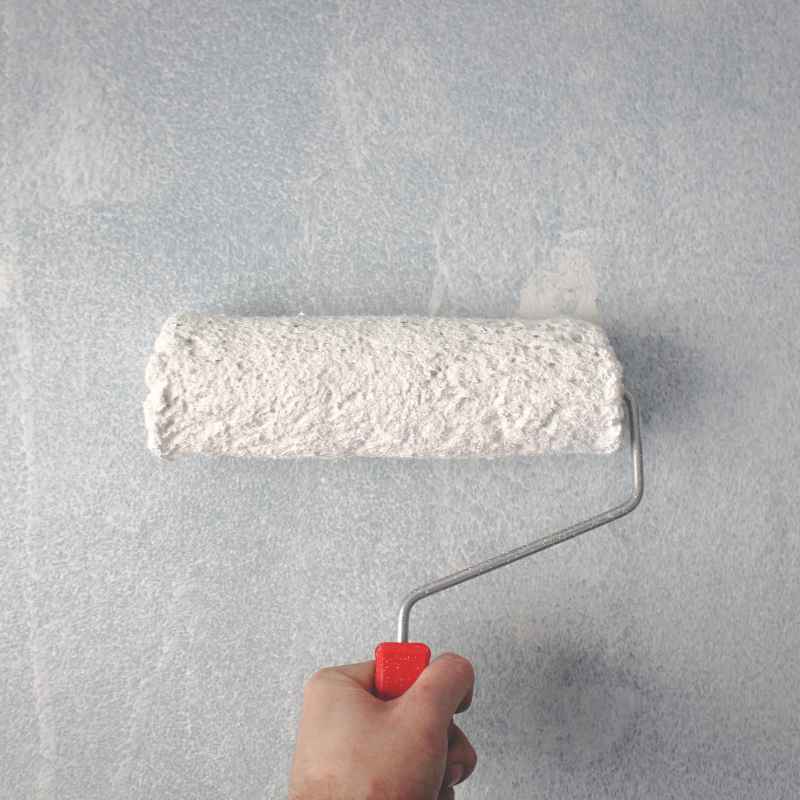
Apply the wall primer evenly. Use a roller for large areas and a brush for edges and corners. Most primers need about an hour or two to dry. Check the can for specific drying times.
You might only need one coat of primer. But if you’re covering a very dark color, or if the old paint was patchy, a second coat might be needed.
What Happens If You Don’t Prime at All?
Sometimes people skip primer altogether. This can work in some rare cases. For example, if you’re painting over a very similar color. Or if you’re using a paint that claims “primer included.”
But most of the time, skipping primer leads to problems.
Uneven color. The new paint might soak into some areas more than others. This creates a patchy look.
Poor adhesion. The paint might not stick well. It could peel later.
Stains showing through. If there are old stains, they can bleed through the new paint.
More paint needed. You might need extra coats of your topcoat to achieve the desired color. This costs more money and takes more time.
Skipping primer is usually not a good idea. It’s a step that saves you trouble in the long run.
Contrast: Drywall Primer vs. Paint & Primer in One
Drywall Primer: Designed for raw drywall. Seals porous surfaces.
Paint & Primer in One: A paint product with some primer-like qualities. Good for color changes or minor surface imperfections on already painted walls. Usually not strong enough for raw drywall or major stains.
Dedicated Wall Primer: The best for painted walls. Excellent adhesion and hiding.
Real-World Scenarios Where Drywall Primer Falls Short
Let’s look at some common painting situations. And why drywall primer just isn’t the hero they need.
Scenario 1: Painting Over Glossy Enamel Paint
Your bathroom walls are covered in a high-gloss enamel paint. It’s tough and shiny. You want to switch to a matte finish in a lighter color. If you try to use drywall primer, it will likely just sit on top of the gloss. It won’t stick. The moment you roll the paint over it, the primer will probably pull away. You’ll end up with a sticky, gummy mess. You need to sand that gloss down first. Then use a primer made for adhesion.
Scenario 2: Covering Dark Red with Light Beige
You have a dining room painted a deep, rich red. You want a pale, creamy beige. A standard drywall primer is unlikely to cover that red effectively. It’s not formulated for that level of color blocking. You’ll see the red peeking through your beige paint. You’ll need multiple coats of paint. Or, you need a primer that’s specifically designed to hide dark colors. Some primers can even be tinted to help with this.
Scenario 3: Walls with Water Stains or Smoke Damage
You find some old water stains on the ceiling that have seeped onto the wall. Or maybe the walls smell faintly of smoke. Drywall primer will do nothing to stop these stains from reappearing through your new paint. These stains have chemicals in them that can travel. You need a special stain-blocking primer. These primers contain agents that seal the stain. They prevent it from migrating.
What This Means for Your Painting Project
Using the wrong primer can cost you time and money. It can also lead to a finish that just doesn’t look right.
When It’s Okay (Be Cautious)
If your painted walls are in near-perfect condition. They have a matte finish. And you’re painting over a similar, light color. And you’re using a budget-friendly approach. You might get away with drywall primer. But accept that the results might not be perfect. The adhesion could be weaker.
When You Definitely Need a Wall Primer
When covering dark or vibrant colors.
When painting over glossy or semi-glossy paint.
When dealing with stains or odors.
When the old paint is peeling, chalky, or damaged.
When you want a smooth, professional, and lasting finish.
Simple Checks Before You Start
Before you grab that can of drywall primer for painted walls, do a quick check:
1. Rub a dry cloth on the wall. Does chalky dust come off? If yes, the paint is old and might not be a good base.
2. Try to scratch the paint with your fingernail. Does it dent or peel easily? If yes, it’s not adhering well.
3. Shine a light on the wall. Can you see glossy spots? If yes, you’ll need to sand.
If any of these checks raise a red flag, reach for a wall primer.
Frequently Asked Questions
Can I use drywall primer to cover wallpaper?
No, drywall primer is not suitable for covering wallpaper. Wallpaper has a different surface structure. You would typically need to remove the wallpaper first. Then, you can prime the underlying drywall. Special wallpaper primers or removers are used for that specific task.
Will drywall primer help my paint stick better to a painted wall?
It might, but not as well as a dedicated wall primer. Drywall primer is formulated for porous drywall. Painted surfaces are usually less porous. A wall primer is designed to adhere to existing paint layers. It will provide better long-term adhesion.
How many coats of drywall primer do I need on a painted wall?
If you choose to use drywall primer on a painted wall, one coat is usually the maximum. However, its effectiveness is limited. You might find that it doesn’t hide or seal as well as a wall primer. You might need more topcoats of paint to achieve your desired finish.
Is it okay to use drywall primer if I’m painting a dark color over a light one?
Drywall primer usually does not have enough hiding power to cover a dark color effectively. You will likely see the dark color showing through your lighter topcoat. A wall primer, or a tinted primer, is a much better choice for this situation.
Can I use drywall primer on previously painted wood trim?
Drywall primer is not ideal for wood trim. Wood trim, even painted, has different properties. It can be more prone to bleeding tannins. You would be better off using a primer specifically designed for wood or a multi-surface primer. Ensure it’s suitable for trim.
What is the difference between drywall primer and a wall primer?
Drywall primer is made for new, unpainted drywall surfaces. Its main job is to seal the porous paper and gypsum. Wall primer is designed for already painted surfaces. It offers better adhesion and often better hiding power for existing colors and imperfections.
Final Thoughts on Priming Painted Walls
When it comes to painting, preparation is everything. While you can technically apply drywall primer to a painted wall, it’s usually not the best plan. The risks of poor adhesion and insufficient coverage are high. Opting for a proper wall primer will save you headaches and ensure a beautiful, lasting finish. Think of it as an investment in your paint job.
Sponsored / affiliate links. As an Amazon Associate I earn from qualifying purchases. I may earn additional commission from eligible campaigns.