How To Remove Dried Fabric Glue From Fabric Without Damage
To remove dried fabric glue from fabric without damage, start with the gentlest method and test a hidden spot first. Try lifting thick glue with a dull edge like a butter knife or credit card, then soften stiff residue with a hairdryer on medium or high heat for 30 seconds to 1 minute. If heat fails, freezing can make some glue brittle enough to scrape off.
For stubborn residue, dab with rubbing alcohol on a cotton ball or clean cloth, let it sit for a few minutes, then gently scrape or rub. Always check the fabric care label, since heat can damage synthetics and alcohol can affect some dyes.
This guide explains how to remove dried fabric glue from various fabrics. It offers practical, step-by-step methods to safely dissolve or lift glue residue, ensuring your fabric is restored without damage. Discover techniques for common glue types and materials.
Understanding Fabric Glue and Its Drying


Fabric glue is a type of adhesive. It is made to bond fabric to itself or other materials. Many glues are water-based. They work by drying and forming a strong bond. When the glue is wet, it’s often a milky white. It can also be clear. Once it dries, it becomes hard. This hardness is what causes the stiffness. It can also make the fabric feel rough. Sometimes, the glue leaves a shiny spot. This happens when the glue dries on the surface. It’s not meant to stay there forever. It’s designed to be permanent, but that permanence is mostly for the bond. The glue itself can often be loosened.
Why Does Fabric Glue Dry So Hard?
Most fabric glues are polymers. These are long chains of molecules. When the water in the glue evaporates, these chains link up. They form a strong, solid network. This network is what makes the glue stiff. It fills the spaces between fabric fibers. It essentially becomes part of the fabric. The type of polymer used affects how hard it gets. Some glues are more flexible than others. But even flexible ones can feel stiff when dried. The amount of glue used also matters. A thick layer will dry harder. A thin layer might be less noticeable.
Common Types of Fabric Glue Issues
You might see a few problems with dried fabric glue. There’s the obvious stiffness. This is the most common. Your fabric might feel crunchy. It could also feel stiff and unyielding. Next, there’s the visual aspect. You might see a white residue. This is often the glue itself. It can look unsightly. Sometimes, it’s shiny. This makes the area stand out. In some cases, the glue can attract dirt. This happens because the dried glue is often slightly sticky. Dust and grime can cling to it. This makes the spot look dingy.
My Own Fabric Glue Mishap
I remember trying to fix a beloved denim jacket. It had a small tear on the sleeve. I didn’t have a needle and thread handy. So, I reached for some fabric glue. I was so proud of myself! I applied a neat line of glue. I pressed the edges together. It looked perfect while it was wet. I let it dry overnight. The next morning, I checked it. Ugh. It wasn’t just stiff. It was like a hard plastic patch right there on my sleeve. It felt awful to the touch. I thought my jacket was ruined. I felt a wave of disappointment. This little fix turned into a bigger problem. I spent a good hour trying to gently peel it off. That didn’t work. It just stretched and pulled the fabric. I was starting to panic a little. It was my favorite jacket!
How to Tackle Dried Fabric Glue: Step-by-Step
Removing dried fabric glue requires patience. Start with the gentlest methods. If one doesn’t work, try another. Always test on an hidden spot first. This is very important. You don’t want to damage the fabric further.
Step 1: Gentle Scraping and Peeling
Sometimes, the glue hasn’t bonded too deeply. You might be able to lift it. Use a dull edge. A butter knife works well. A credit card edge can also work. Be very gentle. Try to get the edge under the glue. Lift slowly. Work in small sections. If the glue starts to pull the fabric threads, stop. This method is best for thicker globs of glue. It’s less effective for thin, spread-out layers.
Step 2: Using Heat
Heat can soften many types of glue. This is a good next step. You will need a hairdryer. Set it to a medium or high heat setting. Hold the hairdryer a few inches away. Move it back and forth. Apply heat to the glued area. Do this for about 30 seconds to a minute. Then, try scraping gently again with your dull tool. The glue might be softer now. You can lift it more easily. Be careful not to overheat the fabric. This can cause damage. Some fabrics, like synthetics, can melt. Always check the fabric care label.
Step 3: Cold Treatment (Freezing)
Yes, cold can help too! Freezing can make some glues brittle. This makes them easier to break apart. Put the fabric item in a plastic bag. Make sure the glued part is flat. Place the bag in the freezer. Leave it there for a few hours. Once frozen, take it out. Immediately try to scrape or peel the glue. It might shatter or flake off. This works best on certain types of glues. It’s worth a try if heat doesn’t work.
Fabric Glue Removal: Quick Scan Table
| Method | When to Use | What You Need |
|---|---|---|
| Gentle Scraping | Surface glue, thick globs | Dull knife, credit card |
| Heat (Hairdryer) | Stiff, dry glue | Hairdryer |
| Cold (Freezing) | Brittle glue, some types | Plastic bag, freezer |
| Rubbing Alcohol | Stubborn residue | Rubbing alcohol, cotton balls |
| Dish Soap & Water | Most glues, after softening | Dish soap, water, cloth |
Step 4: Using Solvents (Carefully!)
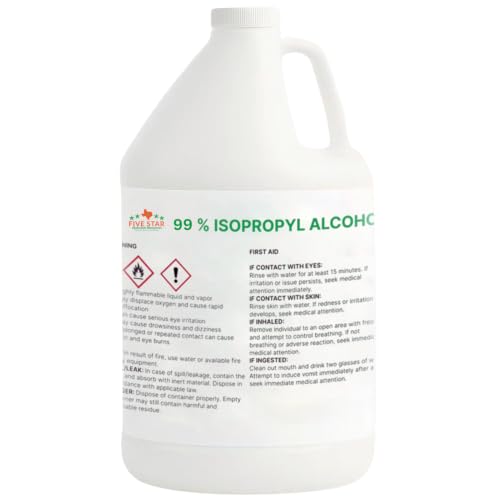
If scraping and temperature don’t work, you might need a solvent. Rubbing alcohol is often a good first choice. It’s less harsh than some other options. Dampen a cotton ball or a clean cloth with rubbing alcohol. Gently dab at the dried glue. Don’t rub hard at first. You want the alcohol to soak in. Let it sit for a few minutes. Then, try to gently scrape or rub the glue away. You might need to repeat this.
Always test alcohol on a hidden seam. It can affect some dyes. If rubbing alcohol doesn’t work, you can try a specialized glue remover. Look for ones safe for fabrics. Follow the product instructions carefully. These can be stronger. They might damage delicate fabrics.
Step 5: Washing and Rinsing
After you’ve loosened or removed most of the glue, it’s time to wash. Use your regular laundry detergent. Add a bit of dish soap to the wash. Dish soap is great at breaking down greasy or sticky things. Wash the item as you normally would. Check the glued area during the wash cycle. You might see more glue bits come loose. After washing, check the fabric while it is still wet. If there’s any remaining residue, try to gently rub it away with your fingers. Rinse the item thoroughly.
Step 6: Air Dry and Inspect
Do not put the item in the dryer until the glue is completely gone. Heat from a dryer can set any remaining glue. This makes it much harder to remove. Hang the item to air dry. Once it’s dry, feel the fabric. Check the area carefully. If there’s still a small amount of glue, you can try one of the earlier steps again. Sometimes, it takes a few tries.
Recommended Methods by Glue Type
| Glue Type | Suitable Solvent | Fabric Compatibility | Notes |
|---|---|---|---|
| White PVA (School Glue) | Warm soapy water, vinegar solution | Cotton, linen, polyester | Often washes out after scraping; no harsh solvents needed. |
| Super Glue (Cyanoacrylate) | Acetone (nail polish remover, pure) | Cotton, denim, canvas | Use only on colorfast fabrics; test first. Avoid synthetics. |
| Hot Glue | Freezing + scraping | All (mechanical removal) | Chill with ice, then snap off. Minimal chemical use required. |
| Fabric Glue | Detergent soak, enzyme cleaner | Most washable fabrics | Designed to bond with textiles—may require multiple washes. |
| Spray Adhesive | Isopropyl alcohol (70%+) | Cotton, blends | Blot, don’t rub. Ventilate area during use. |
Remove Glue by Type: Match the Method to the Stain
The safest removal method depends on both the glue formula and the fabric. For permanent fabric glue, rubbing alcohol can help break down the adhesive, especially on sturdy fabrics like cotton, polyester, and denim. Test it first on a hidden seam, then dab it on with a cotton ball instead of soaking the area. Let it sit briefly, then lift the softened glue gently and rinse the fabric afterward. For washable fabric glue, warm soapy water is usually the best starting point. Soak the stain in warm water with a small amount of mild detergent, then rub the area lightly with your fingers or a soft cloth to loosen the residue before rinsing well.
Acetone or nail polish remover can dissolve tougher glue, but use it only with extreme caution and only on suitable fabrics. It can damage or melt synthetics such as spandex, polyester, and acetate, and it should never be used on delicate fabrics like silk or lace. Always check the care label first, and test any solvent on an inconspicuous spot before treating the stain. If the glue type is not clear, start with the gentlest method and work upward only as needed.
Dealing with Different Fabric Types
Not all fabrics are the same. What works for sturdy denim might not work for delicate silk.
Cotton and Linen
These are usually pretty forgiving. You can be a bit more vigorous with scraping. Heat is generally safe for cotton and linen. Rubbing alcohol is also usually fine. If you need to wash them, you can use warmer water. Always check the care label first.
Denim
Denim is tough. It can handle most methods. Heat, scraping, and rubbing alcohol are all good options. You can often use a bit more pressure when scraping. Washing denim usually doesn’t cause issues.
Synthetics (Polyester, Nylon, Rayon)
Be extra careful with synthetics. They can melt or warp with too much heat. Use a lower heat setting on your hairdryer. Hold it further away. Test solvents like rubbing alcohol on an inside seam. Some synthetics can get damaged by alcohol. Gentle scraping is best.
Delicates (Silk, Wool, Lace)
These fabrics need a very gentle touch. Avoid harsh scraping. Heat should be used sparingly and on a low setting. Test any solvents on an inconspicuous area. Often, dabbing with rubbing alcohol is the safest solvent. For lace, you might need to carefully pick at the glue with a toothpick. If you’re unsure, it’s best to consult a professional cleaner.
Fabric Glue Removal: Myth vs. Reality
When to Seek Professional Help
Sometimes, the glue is too stubborn. Or the fabric is too delicate. If you’ve tried several gentle methods, and they haven’t worked, consider a professional. Dry cleaners have access to stronger solvents and specialized tools. They also have expertise. They can assess the fabric type and the glue. They can tell you if removal is possible without damage. This is especially true for valuable or antique items.
Preventing Future Fabric Glue Woes
The best way to deal with dried fabric glue is to avoid it! Here are some tips:
Use sparingly: Only use as much glue as you need. A little goes a long way.
Read the label: Understand the glue you are using. Some are stronger or harder to remove.
Test first: Always test the glue on a scrap piece of fabric. See how it dries and how it feels.
Consider alternatives: For many repairs, a needle and thread are the best option. Sewing is permanent and doesn’t leave residue.
Clean up wet glue: If you spill or get glue where you don’t want it, clean it up immediately. Wet glue is much easier to remove.
Quick Checks and What to Look For
After attempting to remove glue, always inspect the fabric.
Feel the texture: Does the area feel like the rest of the fabric? Is it still stiff or rough?
Look for residue: Is there any white or shiny mark left?
Check the color: Has the fabric color changed?
If you notice any issues, you might need to try a different method. Or it might be time for professional help.
Frequently Asked Questions About Fabric Glue Removal
Can I use nail polish remover to get rid of fabric glue?
Nail polish remover often contains acetone. Acetone can be very harsh. It can damage or discolor many types of fabrics. It’s best to avoid it. Rubbing alcohol is a safer first choice for a solvent.
What if the fabric glue is on a colored garment?
Be extra careful with colored fabrics. Solvents like rubbing alcohol can sometimes lift dye. Always test the remover on a hidden seam or inside hem first. Dab gently instead of rubbing hard.
How long does it take for fabric glue to dry?
Most fabric glues dry within a few hours. However, they can take up to 24 hours to cure fully. This means they reach their strongest bond. It’s best to wait at least that long before washing or drying.
Is fabric glue permanent?
Fabric glue is designed to create a permanent bond between fabrics. However, the glue itself can often be removed or softened. The goal of removal is to break that bond and lift the dried glue.
Will washing the garment remove dried fabric glue?
Washing alone usually won’t remove dried fabric glue. It might help loosen small bits. But the hardened glue needs to be softened or dissolved first. Always try a softening method before washing.
Can I iron over fabric glue?
No. Ironing over dried fabric glue can make it worse. The heat can melt the glue and spread it. It can also bond it more strongly to the fabric. This makes removal very difficult. Always air dry after attempting glue removal.
Final Thoughts on Restoring Your Fabric
Seeing dried fabric glue on your favorite item can be a bummer. But with patience and the right approach, you can often save it. Start gentle. Work your way up to stronger methods if needed. Always remember to test. Treat your fabric with care. You can bring your item back to its soft, usable state. Don’t give up hope!
Sponsored / affiliate links. As an Amazon Associate I earn from qualifying purchases. I may earn additional commission from eligible campaigns.
 Fabric Glue Permanent, 60 ML Washable Clear Clothing Glue, Super Fabric Glue for Rhinestones, Patches, Clothes, Denim, Leather, Polyester, Fabrics, Doll Repair, Flannel, Cotton
 2 Pack Fabric Glue Permanent, 60ML/2.02oz Washable Clear Clothing Glue, Super Fabric Adhesive for Rhinestones, Patches, Clothes, Denim, Leather, Polyester, Fabrics, Doll Repair, Flannel, Cotton