Which Cools A Room Better: Radiation, Convection Or Conduction?
Radiation, convection, and conduction are three primary ways heat moves. In cooling a room, convection often feels most noticeable, as it involves air movement. However, radiation plays a significant role in how we perceive warmth or coolness from surfaces.
Conduction is less direct for room cooling but is key for heat transfer through materials.
Understanding the Heat Transfer Trio
Let’s break down these three heat movers. They sound a bit science-y, but they are actually things we see every day. Knowing them helps us understand why a room feels cool or warm.
It also helps us figure out how to make it cooler.
Radiation is like the sun’s warmth on your skin. It’s heat that travels through space as waves. You don’t need air for it to work.
Think about sitting near a campfire. You feel the heat even if the air between you and the fire isn’t that warm. In your home, objects radiate heat.
A warm wall radiates heat into the room. A cool wall absorbs heat from you. So, feeling a chill from a window in winter?
That’s radiation at play.
Convection happens when heat moves through fluids. Fluids can be liquids or gases, like air or water. Warm air or water is less dense.
It rises. Cooler air or water is denser. It sinks.
This creates a cycle, called a convection current. This is how a radiator heats a room. It warms the air nearby.
That warm air rises. Cooler air rushes in to take its place. Then, it gets warmed too.
This constant movement helps spread heat (or cool) around.
Conduction is heat moving through direct touch. Imagine touching a hot pan. The heat moves from the pan to your hand.
This is conduction. It happens when things are touching each other. Heat energy moves from the hotter thing to the cooler thing.
In a room, conduction happens when heat moves through walls, windows, or furniture. If the outside air is hot, heat conducts through your walls into your house. If your floor is cold, it conducts heat away from your feet.
My First “Ah-Ha!” Moment with Room Cooling
I remember one sweltering summer day in my first apartment. It was on the top floor. The sun beat down on the roof all afternoon.
My old window air conditioner was roaring. It felt like it was working its hardest. But the air coming out of it was barely cool.
And the room still felt like an oven. I was so frustrated. I felt sticky and miserable.
I started touching the walls. They were warm, almost hot. I touched the window.
It was also warm. I realized my AC was fighting a losing battle.
The heat wasn’t just in the air. It was coming through the walls and windows. It was radiating from the ceiling.
The AC was trying to cool the air, but new heat kept coming in. That’s when I understood. Cooling a room isn’t just about the AC unit.
It’s about stopping heat from getting in. And it’s about how that heat moves around once it’s there. It was a simple, yet powerful, lesson.
I learned how radiation and conduction were making my AC work so hard. I needed to block the heat source first.
Understanding Heat Transfer at a Glance
Radiation
Heat moves as waves. No medium needed. Example: Sunlight warming skin.
Convection
Heat moves through air or liquid. Warm fluid rises, cool sinks. Example: A fan moving air.
Conduction
Heat moves by touch. Hot to cold. Example: Touching a hot stove.
Radiation’s Silent Role in Room Temperature
Radiation is a big deal when it comes to feeling warm or cool. Even if the air temperature is just right, you can feel too hot if you’re near a warm surface. Or you can feel too cold if you’re near a cool surface.
This is because objects in your room radiate heat. Your body also radiates heat. And it absorbs heat from other objects.
Think about a sunny window. Even on a cool day, the sun shining through the glass makes that spot feel warm. That’s radiant heat.
The sun’s energy travels through space and warms objects it hits. In your home, the sun can heat up walls, furniture, and even you. This adds heat to the room without changing the air temperature much.
At night, things change. Warm objects radiate heat away. A cool wall will absorb heat from you.
This makes you feel cooler. So, if your walls are very warm from the day’s sun, they will keep radiating heat into the room. This makes it harder to cool down.
If your walls are cool, they can absorb heat from the room. This helps cool it.
Windows are major players in radiant heat transfer. In summer, they let the sun’s heat in. In winter, they let your home’s heat out.
This is radiant heat loss. Controlling radiant heat is key for comfort. Things like window coverings and insulation help block this.
They stop heat from entering or leaving your home.
Convection: The Air Mover
Convection is what most people think of when they imagine cooling. It’s about air moving around. Your air conditioner works by cooling the air.
Then, a fan pushes that cool air out. This cool air mixes with the warmer air in the room. This process is convection.
The fan forces the movement.
Natural convection is when air moves on its own. Warm air rises. Cool air sinks.
This is why rooms can feel different at different heights. The ceiling area might be warmer. The floor area might be cooler.
This happens even without a fan or AC.
For cooling, we often rely on forced convection. This is using fans or AC units to move the air. A ceiling fan helps move warm air away from you.
It also helps spread cool air from your AC. This makes you feel cooler directly. It also helps the AC work more efficiently.
It mixes the air better.
When your AC cools the air, that cool air is denser. It tends to sink. It then flows across the floor.
As it picks up heat from the room, it warms up. This warmer air rises. Then it gets drawn back into the AC to be cooled again.
This creates a continuous cooling cycle.
The effectiveness of convection depends on good air circulation. If the air is stale and not moving, the cool air from the AC might just stay near the floor. It won’t mix well with the warmer air higher up.
This is why opening windows or using fans can help even when the AC is on. It promotes better air mixing.
Convection in Action
Natural Convection
Air moves due to temperature differences. Warm air rises, cool air sinks.
Forced Convection
Air movement caused by fans or AC units. It speeds up cooling.
Conduction: The Silent Heat Thief
Conduction is about heat passing through solid things. It’s direct contact. Imagine holding an ice cube.
The ice feels cold because it’s conducting heat away from your hand. The heat moves from your warmer hand to the colder ice.
In your home, conduction is how heat enters or leaves through the building materials. Your roof, walls, and windows are all conductors of heat. In the summer, if the outside is hot, heat will conduct through your roof and walls into your home.
This makes your AC work harder.
The rate at which heat conducts depends on the material. Metals are good conductors. They transfer heat quickly.
Wood and plastic are poorer conductors. They transfer heat slowly. This is why insulation is so important.
Insulation materials trap air. Air is a poor conductor. This slows down heat transfer.
Your windows are often weak spots for conduction. Glass itself is a conductor. The frame materials also conduct heat.
Double-pane windows with a gas-filled gap help. The gas is a poor conductor. This reduces heat transfer through the window.
Understanding conduction helps us choose materials for our homes. It also helps us see why insulation is vital. Blocking heat from conducting into your home is a primary cooling strategy.
It reduces the load on your AC system.
Which Method Cools a Room Best?
So, which of these three heat transfer methods is the best for cooling a room? The answer isn’t simple. They all work together.
But for feeling cooler and for efficient room cooling, convection usually has the biggest direct impact on our comfort.
Convection is what we feel when cool air moves around us. An air conditioner relies on forced convection to blow cool air into the room. Ceiling fans use convection to circulate that cool air.
This movement is what directly lowers the temperature we perceive.
Radiation is crucial for preventing heat from entering the room in the first place. If your windows are beaming sun into your living room, your AC has to work much harder to cool the air. If you block that radiant heat (with blinds or shades), the AC’s job becomes much easier.
Also, if surfaces in your room are very warm, they radiate heat, making you feel warmer. Cooling those surfaces (via AC) or blocking the radiation helps a lot.
Conduction is the pathway for heat to enter through your walls and windows. Good insulation (which is a poor conductor) is vital. It slows down this heat entry.
If your walls are poorly insulated, heat will conduct into your home, and your AC will have to fight it constantly.
Therefore, for active cooling, convection is the most direct method. But for overall efficiency and comfort, managing radiation and minimizing conduction are equally, if not more, important. A well-insulated home with shaded windows will require much less energy to cool via convection.
My Experience with a Hot Window Pane
I learned a hard lesson about conduction and radiation during a brutal August heatwave. My home office had a large window facing west. It got full sun from about 2 PM onwards.
The air conditioner was struggling. The room felt warm. I touched the windowpane.
It was incredibly hot to the touch. Heat was conducting through the glass. The sun’s rays were also directly heating up my desk and chair through radiation.
I decided to test something. I bought thick, blackout curtains. The kind that are meant to block light completely.
The next afternoon, I closed them just before the sun hit that window. The difference was astonishing. The windowpane itself felt much cooler.
The direct heat on my furniture disappeared. The room’s temperature started to drop. My AC unit, which had been running non-stop, finally cycled off.
It was proof that stopping heat entry through conduction and radiation made convection (my AC) so much more effective. It was a game-changer for that room’s comfort.
Cooling Strategies: Combining Heat Transfers
Maximize Convection
Use AC and fans for air circulation. Keep vents clear. Ensure good airflow.
Minimize Radiation
Use blinds, shades, or awnings on sunny windows. Consider reflective window films.
Reduce Conduction
Ensure good insulation in walls and attic. Seal air leaks around windows and doors.
Real-World Scenarios and Cooling
Let’s look at some common situations. Understanding how radiation, convection, and conduction work helps explain why some spaces feel cooler than others.
Scenario 1: An old house with no insulation. Heat enters easily through the walls and roof by conduction. The sun beating on the roof radiates heat downwards. Even with the AC on, cool air is constantly battling incoming heat.
Convection is working, but it’s overwhelmed.
Scenario 2: A modern home with good insulation and double-pane windows. Heat entry by conduction is greatly reduced. If the windows have good shading, radiant heat from the sun is also blocked. This means the air inside stays cooler for longer.
The AC (convection) then has a much easier job. It can cool the room efficiently.
Scenario 3: Sitting under a ceiling fan. The fan moves air. This is forced convection. Even if the air isn’t much cooler than your skin, the moving air helps evaporate sweat.
This evaporative cooling makes you feel much cooler. The fan isn’t actually lowering the room’s temperature much, but it’s affecting your comfort through convection.
Scenario 4: Standing near a large, sunny window in winter. Even though the air might be cool, you feel warm from the sun. This is radiant heat warming you directly. Your home’s heat is also being conducted out through the glass, making the window area feel cool to the touch.
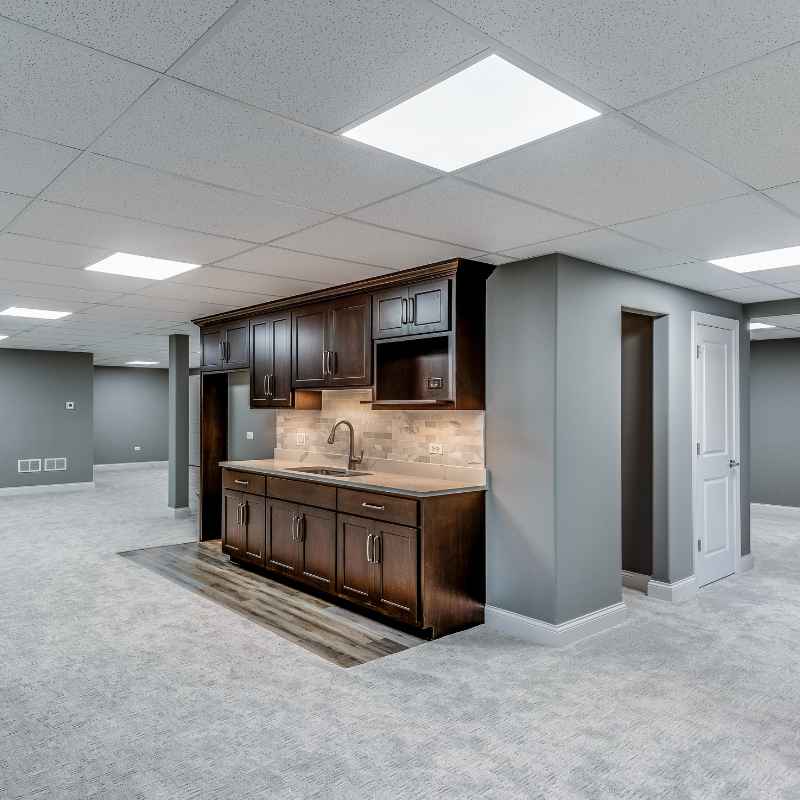
Scenario 5: A basement room. Basements are often cooler. This is partly because they are underground. The earth around them acts as insulation, slowing heat transfer (conduction) from the outside.
There’s also less direct sunlight (radiation) reaching the basement.
These examples show that comfort is a mix of air temperature, radiant heat, and air movement. Each heat transfer method plays a part.
What This Means for Your Comfort
So, what does all this mean for you and your home? It means you have more control than you might think.
When it’s normal: It’s normal for your home to gain heat. Sunlight (radiation), warm outside air (conduction), and heat generated inside (appliances, people) all add heat. It’s also normal for the air to move (convection).
You’ll feel this most strongly when the AC is on or when fans are running.
When to worry: If your AC runs constantly and the room still feels hot, there’s a problem. This often means heat is entering your home faster than the AC can remove it. Look for obvious signs of heat gain.
Are your windows getting direct sun? Do your walls feel warm to the touch? Are there drafts?
Simple checks:
- Touch your walls and windows on a sunny day. Are they hot?
- Check your attic insulation. Is it deep and fluffy, or thin and flat?
- Feel for drafts around windows and doors.
- Listen to your AC.
Is it running all the time?
These simple checks can point to where heat is entering your home. Addressing these issues helps your AC work better. It makes your home more comfortable.
It also saves you money on energy bills.
Quick Checks for Heat Gain
Check 1: Window Sunshine
On a sunny afternoon, feel the window glass. Is it hot? This shows radiant heat gain and conduction.
Check 2: Wall Temperature
Touch an interior wall that faces the sun outside. Does it feel warmer than other walls? This indicates heat conduction.
Check 3: Air Leaks
Feel for air movement around window frames and door seals. Drafts mean unwanted heat entry.
Quick Tips for Better Cooling
You don’t always need a new AC unit to feel cooler. Small changes can make a big difference. These focus on reducing heat gain and improving air movement.
Use window coverings: Close blinds, curtains, or shades during the hottest parts of the day. Especially on south and west-facing windows. Blackout curtains are very effective at blocking radiant heat.
This stops heat from entering your home.
Plant trees or bushes: Strategically placed trees can shade your house. This blocks direct sunlight from hitting your roof and walls. This reduces radiant heat gain and heat conduction.
Use fans wisely: Ceiling fans and portable fans help with convection. They move air around you. This helps with evaporative cooling.
They make you feel cooler even if the air temperature isn’t much lower. Remember, fans cool people, not rooms, so turn them off when you leave the room.
Seal air leaks: Use caulk and weatherstripping around windows and doors. Seal any holes or gaps in your home’s envelope. This stops hot outside air from leaking in (conduction and convection).
Check your insulation: Make sure your attic and walls are well-insulated. Insulation slows down heat transfer (conduction). It keeps heat out in the summer and in during the winter.
Consider a whole-house fan: On cooler evenings, a whole-house fan can pull cool outside air in. It pushes hot air out through the attic. This uses convection to cool your entire home.
Maintain your AC: Keep your AC unit’s filter clean. Have it serviced regularly. A well-maintained unit cools more efficiently using convection.
Smart Cooling Habits
- Block the sun: Close blinds on sunny windows.
- Use fans: Circulate air for a cooling effect.
- Seal leaks: Stop hot air from getting in.
- Insulate well: Slow down heat transfer.
- Cool at night: Open windows when it’s cooler outside.
Frequently Asked Questions
Which type of heat transfer is most responsible for making a room feel warm from the sun?
Radiation is most responsible. Sunlight travels as energy waves and directly warms surfaces and people it hits, even if the air temperature is cool. This radiant heat makes you feel warm.
How does my air conditioner use convection?
Your air conditioner cools the air and then uses a fan to push that cool air into the room. This is forced convection. The moving cool air mixes with the warmer room air, lowering the overall temperature and making you feel cooler.
Is conduction important for cooling a room if I’m not touching anything hot or cold?
Yes, conduction is very important. Heat from the hot outside air conducts through your walls, roof, and windows into your home. Good insulation slows this heat transfer down, which is crucial for keeping your home cool.
Can I feel heat transfer through a wall?
Yes, you can feel the effects of heat transfer through a wall. If the outside is hot, heat will conduct through the wall into your room. The wall itself might feel warm to the touch.
If the outside is cold, heat will conduct out of your room.
Which method is most efficient for actually lowering the temperature of the air in a room?
Convection, especially forced convection from an air conditioner or fan, is the most direct way to lower the air temperature in a room. However, the efficiency of convection is greatly improved by minimizing heat gain through radiation and conduction.
Does a ceiling fan cool the room or just me?
A ceiling fan primarily cools you through enhanced convection and evaporation from your skin. It moves air around, which helps you feel cooler. It doesn’t significantly lower the overall temperature of the air in the room itself, though it can help mix conditioned air.
Putting It All Together for a Cooler Home
Staying comfortable in your home during warm weather is a balancing act. It involves understanding how heat moves. Radiation, convection, and conduction all play their parts.
While convection, through fans and AC, directly cools the air you feel, it’s often fighting a battle. Heat is constantly trying to get in via radiation and conduction. By focusing on blocking that incoming heat, you help your cooling systems work smarter, not harder.
This leads to a cooler home and lower energy bills. It’s about making informed choices for lasting comfort.
Sponsored / affiliate links. As an Amazon Associate I earn from qualifying purchases. I may earn additional commission from eligible campaigns.
 Portable Air Conditioners, 14000 BTU Room Air Conditioner Cools Up to 750 Sq.Ft, In-1 Portable AC Unit With Cooling, Dehumidifier, Fan & Sleep, With Remote Control & Installation Kits, 24H Timer
 HEYAXA Air Purifiers for Home Large Room Up to 2000 Ft² with Air Quality Monitor, Filter Remind,21dB Sleep Mode, Wi-Fi and Timer, Washable Filters,Air Purifier for Pets/Dust/Smoke/Odor