Does Termite Damaged Wood Need To Be Removed? Expert Answer
Termite damaged wood often needs removal to stop further infestation and structural issues. The extent of damage and wood type determine the best approach, which may include repair or full replacement. Professional assessment is usually recommended.
What is Termite Damaged Wood?
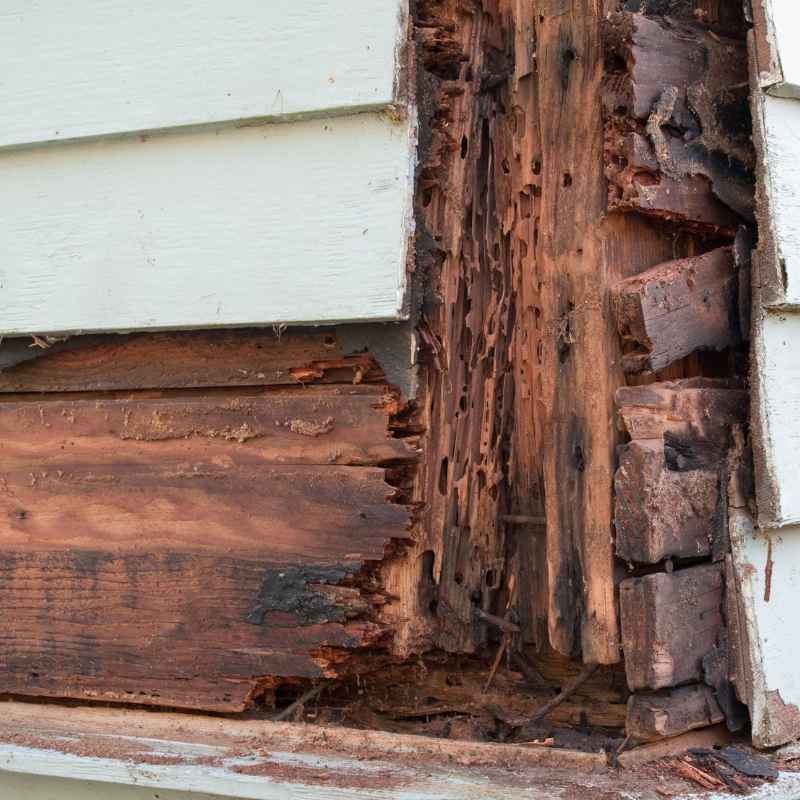
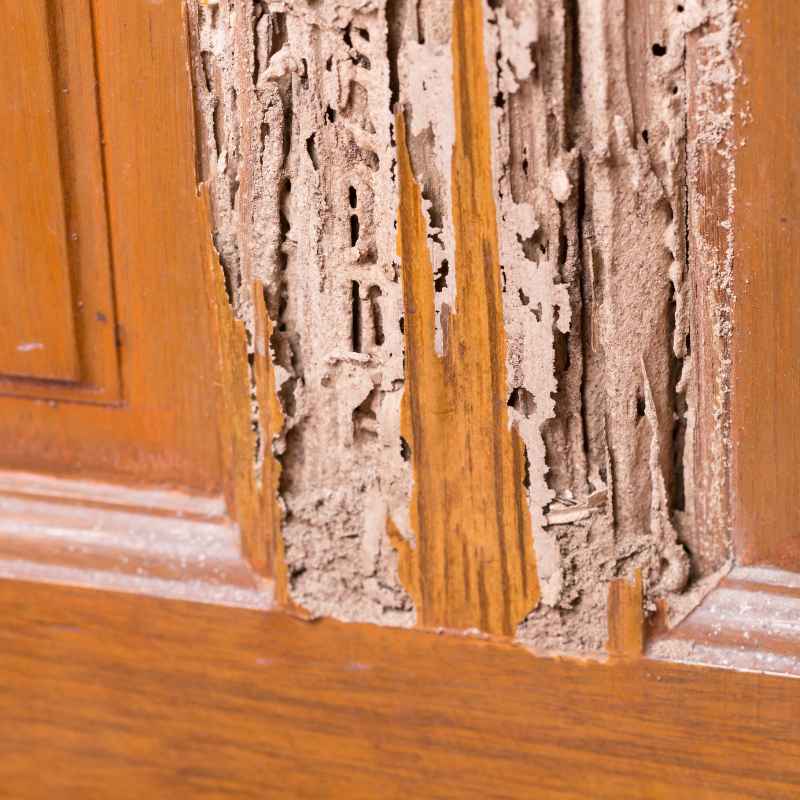
Termite damaged wood shows signs of being eaten by these tiny insects. Termites chew through wood to feed on cellulose. This process weakens the wood over time.
You might not see the termites themselves, but their work is often visible. Look for tunnels, also called galleries, inside the wood. These tunnels have a dusty look.
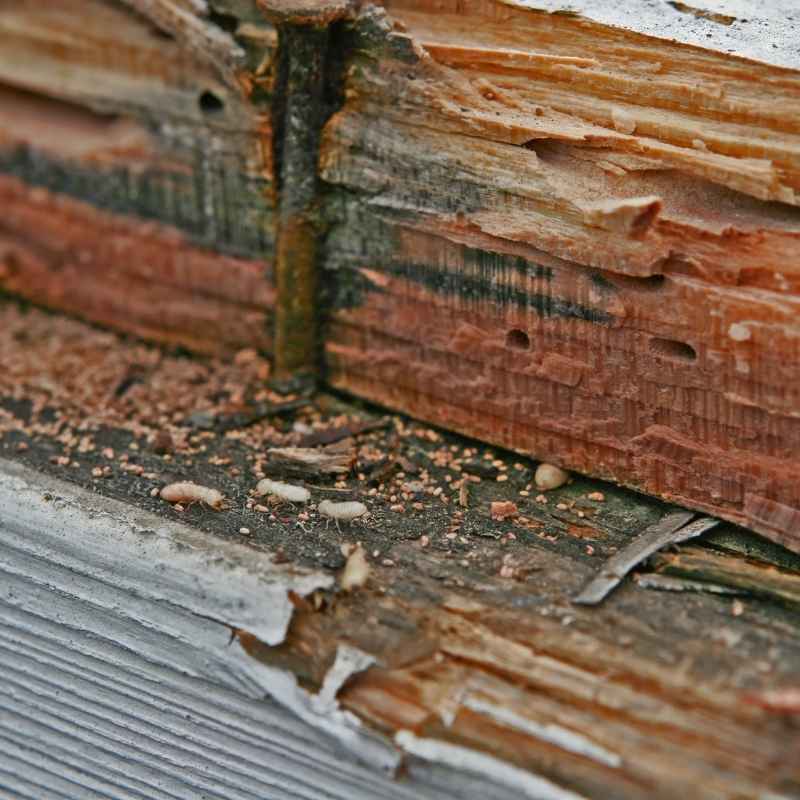
They might also be smooth or feel soft. Sometimes, you’ll see small piles of termite droppings, called frass.
Different types of termites cause different kinds of damage. Subterranean termites build tunnels from their underground nests to the wood. They need moisture to survive.
Drywood termites live inside dry wood. They don’t need contact with the soil. Their damage can be more widespread.
The signs can look similar, but the treatment might differ. Knowing what to look for helps you understand the problem better.
The wood might appear hollowed out from the inside. Tapping on it can reveal this. If it sounds hollow, there’s a good chance termites have been active there.
The surface might look okay, but the inside is gone. This is why a simple visual inspection isn’t always enough. Professional inspection can find hidden damage.
They have tools to check inside walls and wood beams.
Why Termite Damage Matters
Termite damage matters for several reasons. First, it affects the strength of your home. Wood is a key building material.
When it’s eaten away, the structure can become weak. This can lead to serious safety issues. Floors might sag.
Walls could crack. In severe cases, parts of the house could collapse. This is especially true for older homes or those with extensive damage.
Second, termites can spread quickly. If you see damage in one spot, they might be in many others. Leaving the problem unchecked allows them to multiply.
They can infest new areas of your home. They can also damage other wooden structures on your property. This includes fences, decks, and sheds.
The longer you wait, the more expensive the repairs become.
Third, termites can cause costly repairs. Fixing termite damage often involves replacing wood. This can be time-consuming and expensive.
It might also require structural repairs. These are not simple DIY tasks. They often need skilled contractors.
The overall cost can add up fast. It’s an investment in your home’s future safety and value.
Preventing termite damage is always better than fixing it. Regular inspections are a good idea. They can catch problems early.
Early detection means less damage and lower repair costs. Protecting your home from these pests is an ongoing effort. It’s about keeping your living space safe and sound.
Personal Experience: The Day the Floor Sagged
I remember one rainy Tuesday afternoon clearly. I was walking across my living room. Suddenly, the floor felt… soft.
Not just a little soft, but deeply yielding. It was a sinking feeling, literally and figuratively. My heart did a little flip.
I knew right away something was wrong. I bent down and pressed on the floorboards near the wall.
They gave way more than they should have. It wasn’t just creaky; it felt like the wood was crumbling. I felt a wave of panic wash over me.
My mind immediately went to termites. We’d seen some activity around the back porch a year ago, but we thought we’d handled it. We had a company spray, and it seemed okay.
Now this. The damp smell of wet, decaying wood filled the air around me.
I called my husband immediately. He came home early. We both looked at the floor, poking and prodding.
The more we looked, the more we saw tiny holes. It was like the wood was a sponge, but instead of water, it was full of tiny tunnels. That day, we learned that sometimes, what you think is handled isn’t really gone.
It was a stark reminder of how destructive termites can be.
When Does Termite Damaged Wood Need Removal?
The question of whether to remove termite-damaged wood is crucial. It depends on a few main factors. The most important is the extent of the damage.
If only a small area is affected, repair might be possible. If the wood is severely weakened or eaten through, removal is usually necessary. This is especially true for structural pieces like beams or floor joists.
The type of wood also plays a role. Some woods are naturally more resistant to termites. Others are highly susceptible.
If the damaged wood is a critical load-bearing component, its integrity is paramount. There’s no room for compromise. Replacing it ensures the house remains safe.
It prevents future problems down the road.
Consider where the damage is located. If it’s in a non-structural area, like trim or a decorative panel, it might be less urgent. However, even cosmetic damage can be a sign of a larger infestation.
It’s always best to get it checked. A professional can assess the risk. They can tell you the safest and most effective course of action.
The goal is always to restore the wood’s strength. If the damage is too great, repair might not be enough. Think of it like a rotten apple.
You can cut out a small bruise. But if most of the apple is mushy, you have to throw it away. Wood is similar.
If too much is gone, it can’t be made strong again. Removal is the only way to ensure lasting stability.
Assessing the Damage
Visual Inspection: Look for frass, mud tubes, mazelike tunnels, and hollow-sounding wood.
Structural Integrity: Determine if the damaged wood supports weight or holds parts of your house together.
Wood Type: Understand how susceptible the wood is to termite damage.
Location: Check if the damage is in a visible or hidden area, or a critical structural zone.
Options for Termite Damaged Wood
When wood is damaged by termites, you have a few options. The best choice depends on the situation. It’s not always a one-size-fits-all answer.
1. Repair
Repair is an option for minor damage. This often involves cleaning the area. Then, you might use a wood filler or epoxy.
These products can help restore the shape and some strength. This is best for non-structural parts of your home. Think of small sections of trim or a single floorboard that isn’t load-bearing.
For this to work, the termites must be completely gone. The area must also be dry.
Even with repair, you must be sure the problem is solved. If termites are still active, repairing the wood is pointless. They will just eat the new filler or surrounding wood.
Always address the termite infestation first. Then, consider repair for minor cosmetic or non-critical damage. It’s about making the wood look good again and filling small gaps.
2. Reinforcement
Sometimes, the wood is weakened but not completely destroyed. In these cases, reinforcement might be an option. This involves adding new support to the damaged area.
For example, a contractor might add a new wooden beam next to a damaged one. Or they might use metal bracing. This helps share the load.
It makes the structure safe again.
This method is common for structural elements. It’s a way to avoid complete replacement. However, it requires skilled professionals.
They need to understand how to properly support the structure. They must ensure the reinforcement is strong enough. It’s a good way to save original materials if possible.
But safety is always the top priority.
3. Replacement
Full replacement is often the most reliable solution. This means removing all the damaged wood. Then, new wood is installed.
This is especially common for floor joists, wall studs, and large beams. These parts are vital to your home’s structure. They cannot be compromised.
If termites have eaten too much, they can’t be saved.
Replacement ensures the structural integrity is fully restored. It gives you peace of mind. New wood is strong and termite-free.
This is usually the recommended path for significant damage. It’s an investment that protects your home for years to come. It’s the most thorough way to fix the problem.
Quick Comparison of Options
| Option | Best For | Considerations |
|---|---|---|
| Repair | Minor, non-structural damage | Termites must be gone; doesn’t restore full strength |
| Reinforcement | Weakened structural wood | Requires professionals; adds new support |
| Replacement | Severe or structural damage | Most reliable; ensures full strength; can be costly |
Real-World Context: Where Damage Occurs
Termite damage isn’t confined to one part of a house. It can appear in many places. Understanding where termites like to work helps identify potential problems.
They are drawn to wood that is close to moisture and food. This is why they are often found in basements or crawl spaces. These areas are typically darker and moister.
Wooden structures touching the soil are also vulnerable. This includes foundation sill plates. These are the wooden beams that rest on the foundation.
Termites can travel directly from the ground to these parts. Exterior trim and siding can also be affected. Termites can enter through small cracks or openings.
They then work their way inside the walls.
Inside the home, you might find damage in floor joists. These support your floors. Wall studs, which form the frame of your walls, are also targets.
Window frames and door frames can be eaten away. Even the wooden components of your roof can become infested. It really depends on the termite species and the conditions around your home.
Homeowners’ habits can unintentionally invite termites. Leaving firewood stacked directly against the house is a common mistake. This provides a ready food source and shelter.
Poor drainage around the foundation creates moisture. This moisture attracts subterranean termites. Any wooden part of your home that is in contact with damp soil is at risk.
Common Hotspots for Termite Damage
- Basements and crawl spaces
- Foundation sill plates
- Exterior trim and siding
- Floor joists
- Wall studs
- Window and door frames
- Roof components
- Firewood piles near the house
What This Means For You: When to Worry
Most homeowners don’t think about termites until they see a problem. But knowing when to worry can save you a lot of trouble. If you see any signs of termite activity, it’s time to pay attention.
This includes seeing swarms of winged termites. It also includes finding shed wings. Frass, or droppings, is another big red flag.
Any visible tunnels or galleries are also concerning.
Damage to structural wood is a serious concern. If floor joists, beams, or wall studs are affected, act fast. These are the bones of your house.
Their integrity is essential for safety. Soft or hollow-sounding wood in these areas means you should worry. It’s not a wait-and-see situation.
You need to get it inspected.
Even minor damage warrants a check. A small hole in a baseboard might seem insignificant. But it could be the entry point for a much larger colony.
Termites are sneaky. They can tunnel through wood without you knowing. So, any indication of their presence should be taken seriously.
Think of it as an early warning.
It’s also worth worrying if you live in a high-risk area. Some regions have more termite activity than others. If your home has a history of termite problems, be extra vigilant.
Regular professional inspections are key in these situations. Don’t assume your house is immune.
Simple Checks You Can Do
Tap the Wood: Listen for a hollow sound, which can indicate tunnels inside.
Look for Frass: Check for small, pellet-like droppings, especially near baseboards or windows.
Inspect for Mud Tubes: Subterranean termites build mud tunnels. Look for these on foundation walls or piers.
Check for Swarms: Winged termites emerging from wood can signal an active colony.
Quick Fixes and Tips for Termite Damage
When it comes to termite damage, “quick fixes” are rare. The primary “fix” is always to eliminate the termites. Once that’s done, then you can deal with the wood.
For minor cosmetic damage, like small holes in trim, you can use wood filler. Sand it smooth and repaint or restain. This is purely for appearance.
If a small section of a non-structural piece is damaged, you might be able to replace just that piece. For example, a single fence picket or a small piece of siding. This is a very localized repair.
It’s only possible if the damage is very limited and the surrounding wood is sound.
For structural damage, there are no true quick fixes. Replacing a damaged beam or joist takes time and expertise. It’s not a weekend DIY project.
The best “tip” here is to hire a professional. They have the tools and knowledge to do it right. They can ensure the structural integrity is restored.
A key tip is prevention. Keep wooden items away from your house foundation. Fix any leaks that cause excess moisture.
Seal cracks in the foundation and exterior walls. Regular professional inspections are your best defense. They can catch problems before they become serious damage.
Early detection makes any repair much simpler and less costly.
Preventative Tips to Avoid Damage
- Keep Wood Dry: Ensure good drainage around your home.
- Store Firewood Properly: Keep it off the ground and away from the house.
- Seal Entry Points: Caulk cracks in foundation and walls.
- Trim Trees and Shrubs: Ensure they don’t touch your house.
- Regular Inspections: Schedule professional pest control checks annually.
Frequently Asked Questions
Can termites damage wood that has been treated?
Termites can sometimes damage treated wood, especially if the treatment has worn off over time or if the wood is old. While some treatments make wood less appealing or even toxic to termites, many species can still find ways to infest it. It’s not a guarantee of protection, especially for prolonged exposure.
How do I know if the termites are gone after treatment?
Determining if termites are gone requires observation and often professional assessment. After treatment, you should monitor for signs of new activity like frass, mud tubes, or swarming. Professional pest control companies usually offer follow-up inspections to confirm the eradication of the colony.
It can take time to be absolutely sure.
Is it safe to live in a house with termite damage?
It can be safe to live in a house with minor, non-structural termite damage, provided the infestation has been eradicated. However, if the damage affects structural components like beams or walls, it can become unsafe. A professional inspection is needed to assess the structural integrity.
Ignoring structural damage can lead to serious risks.
Can I repair termite damage myself?
You can perform minor cosmetic repairs yourself, like filling small holes with wood filler. However, repairing structural damage requires professional expertise. This includes replacing beams, joists, or studs.
Improper repairs can compromise your home’s safety. Always address the termite infestation first before attempting any repairs.
How much does it cost to repair termite damage?
The cost to repair termite damage varies greatly. Minor cosmetic repairs might cost a few hundred dollars. Repairing or replacing structural elements can cost thousands, depending on the extent of the damage and the materials needed.
Professional extermination costs are separate. Getting multiple quotes is advised.
What’s the difference between termite damage and water damage?
Termite damage often shows tunnels and galleries inside the wood, along with frass. The wood might feel soft or hollow. Water damage typically causes wood to swell, warp, or rot.
It might also lead to mold growth and a musty smell. Sometimes, water damage can make wood more attractive to termites. Both issues need to be addressed.
Conclusion
Termite-damaged wood can be a serious issue. It affects your home’s safety and value. When damage is found, the best course is often removal.
This is especially true for structural parts. Always get a professional inspection. They can accurately assess the damage.
They can recommend the right solution. Protecting your home means acting promptly and wisely.
Sponsored / affiliate links. As an Amazon Associate I earn from qualifying purchases. I may earn additional commission from eligible campaigns.
 Fuller Brush Wood Floor Easy Clean Mist with Sprayer – 24 oz Gentle Cleaner with Vinegar for Hardwood & Laminate Floors – Removes Dirt, Dust & Stains – Safe for All Wood Finishes (Bottle with Sprayer)
 Rain Guard Wood Sealer Concentrate | Makes 2 Gallon | Protects Wood from Water Damage, Rotting, and Stains | Water Based Silane/Siloxane | Eco-Friendly | VOC-Free | Natural Finish