Fan heater vs panel heater: which heats a room faster?
In a small room, a fan heater often warms the air and your body more quickly than a panel heater. Panel heaters warm more slowly, but they can keep a steadier background temperature. Pick the wrong type, and you may wait longer, waste electricity, or still feel cold at your desk. This guide compares warm-up speed, comfort, and where each heater fits best.
This guide is part of our Heater efficiency guide series.
| Decision factor | Fan heater | Panel heater | Winner |
|---|---|---|---|
| Room air temperature rise | Uses forced convection, so it moves warm air around the room quickly. | Warms more gradually through convection or radiant output. | Fan heater |
| Perceived warmth at close range | Fast air movement can make you feel warm within about 60 seconds in front of it. | Can feel warm sooner when you are close, but usually takes longer to reach full effect. | Fan heater |
| Noise | Fan noise is part of how it works. | Silent or near-silent. | Panel heater |
| Bedroom suitability | Useful for short bursts, but noise can be intrusive. | Better for sleep spaces because it is quieter and steadier. | Panel heater |
| Overnight use | Not the better fit for unattended overnight heating. | Better suited to timer-controlled background heat. | Panel heater |
| Placement sensitivity | Needs a clear path for airflow to matter most. | Works well wall-mounted or placed where gentle circulation can spread heat. | Tie |
How does each heater warm a room?
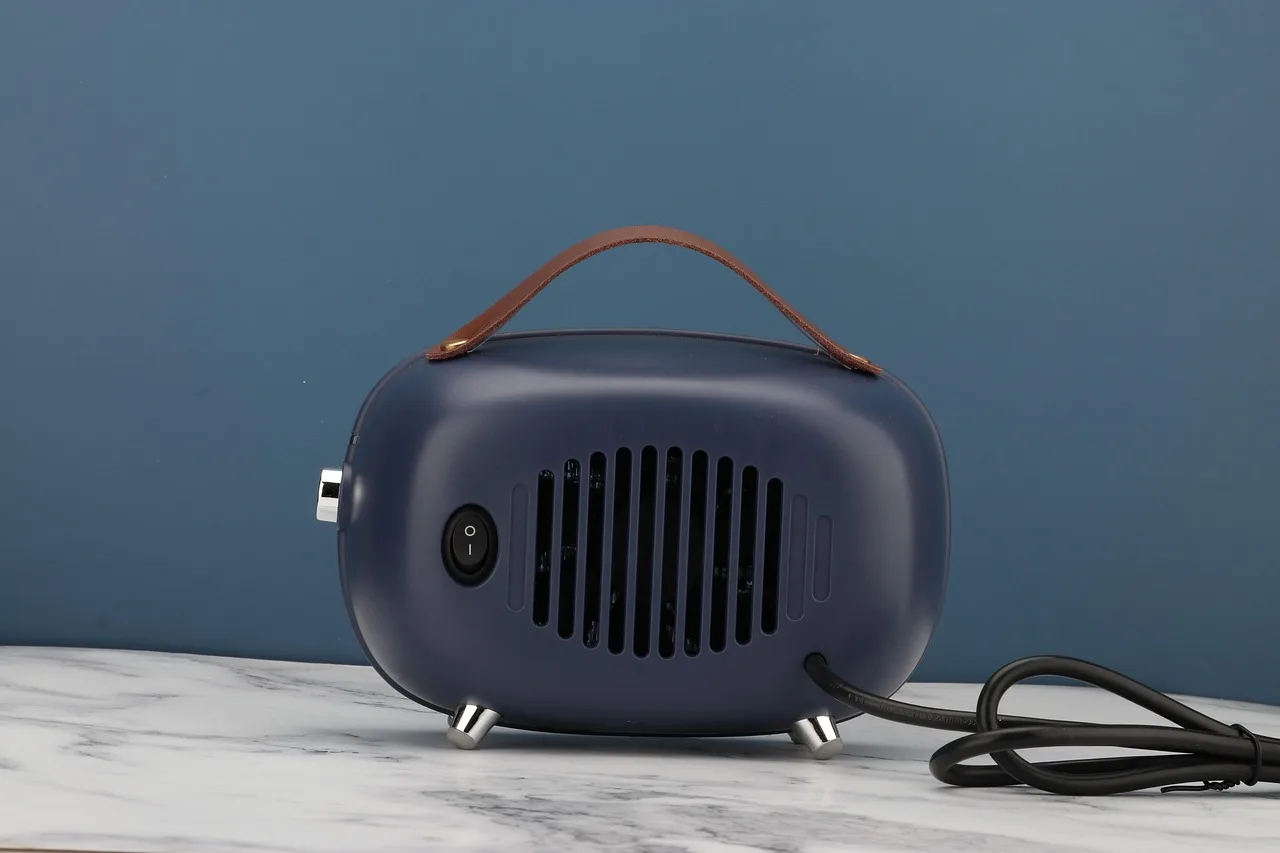


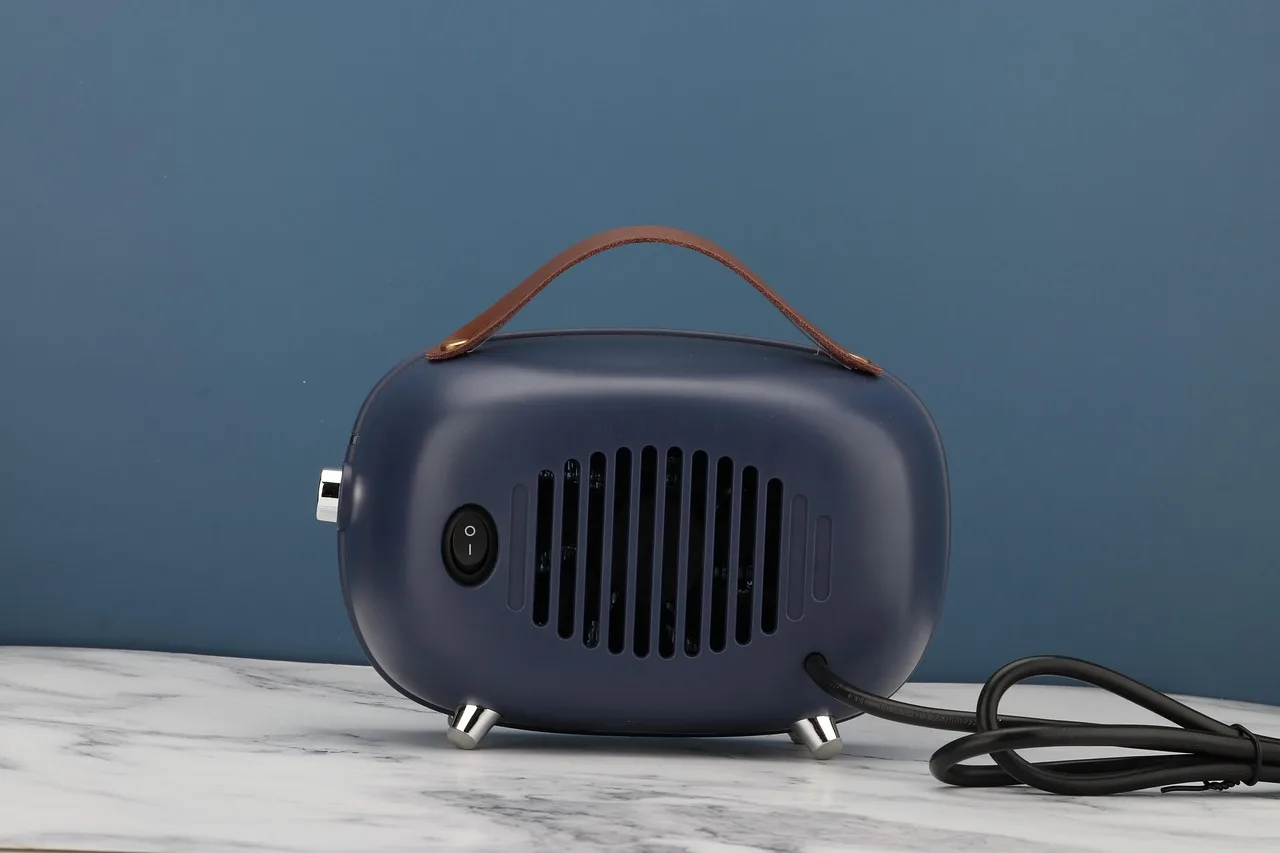
A fan heater uses a fan to move air over a heat source, so it is a forced-convection heater. A panel heater usually works by convection, radiant output, or both, and it tends to give a steadier, quieter heat pattern that takes longer to build.
Fan heater: forced convection and fast air movement
Fan heaters push heated air into the room, which is why they can heat an enclosed space faster than a heater without a fan. Electric fan heaters are 100% efficient in converting electricity to heat, but efficiency is not the same thing as speed. (en.wikipedia.org)
Panel heater: convection or radiant heat with slower air response
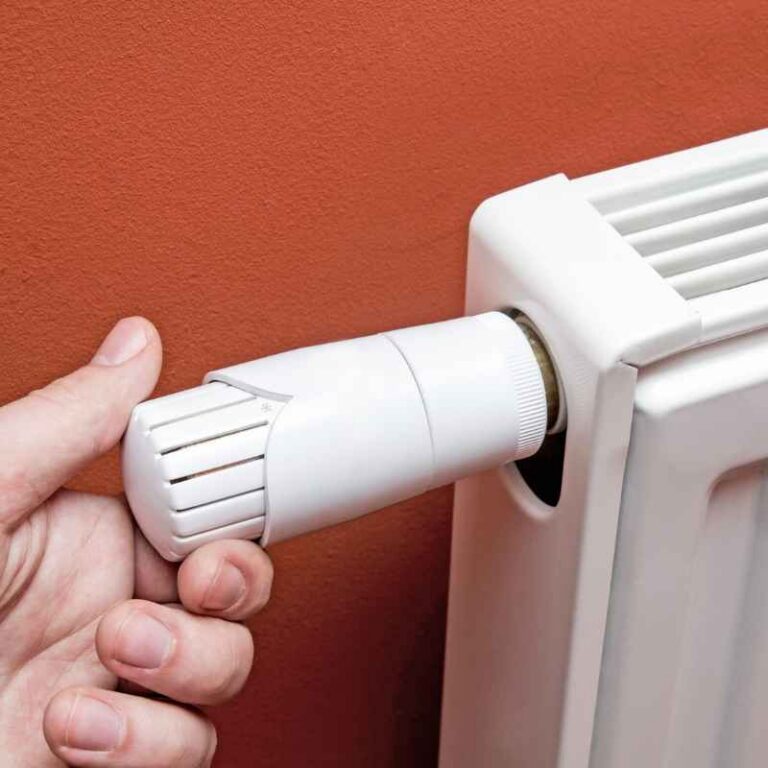
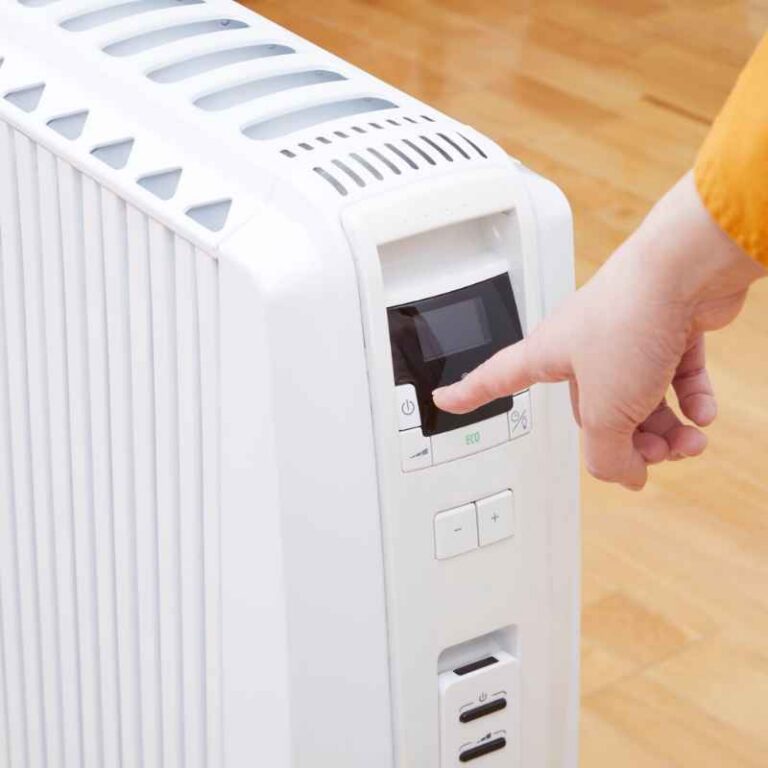
Panel heaters warm the room more gradually. CHOICE notes panel heaters are a type of convection heater, and that makes them a better fit where quiet output matters more than rapid temperature rise.
Why heat transfer type changes the result
The difference is not only watts. A fan heater warms the moving air first, while a panel heater can make you feel warmth through gentle air movement and radiant output, which is why the same room can feel different depending on where you sit.
📊 Electric fan heaters have 100% efficiency in converting electricity to heat. Source: Fan heater.
Which feels warm faster in real use?
In real rooms, “faster” splits into two questions: how quickly the air warms, and how quickly you feel warm. A fan heater usually wins on both in front of the unit, while a panel heater can feel better at close range if you want calm, draught-free warmth rather than a blast of hot air.
Standing close to the heater
Suppose you are standing beside a small heater while changing clothes in a bedroom. A fan heater can make the air hitting your skin change within about 60 seconds, which is why it often feels fast. A panel heater may feel gentler at first, then settle into a steadier warmth.
Sitting across the room
Across a room, the fan heater usually pulls ahead because it throws warm air farther and mixes room air faster. A panel heater can still warm the space, but if the room is drafty or the heater is poorly placed, you may feel the effect later.
Why drafts and airflow direction matter
Drafts can take away the advantage from either heater. If warm air leaks away or rises to the ceiling before reaching you, perceived speed drops. Place a fan heater where its airflow reaches the occupied zone, and put a panel heater where it can feed gentle circulation without being blocked by furniture.
Speed to warmth: side-by-side decision table
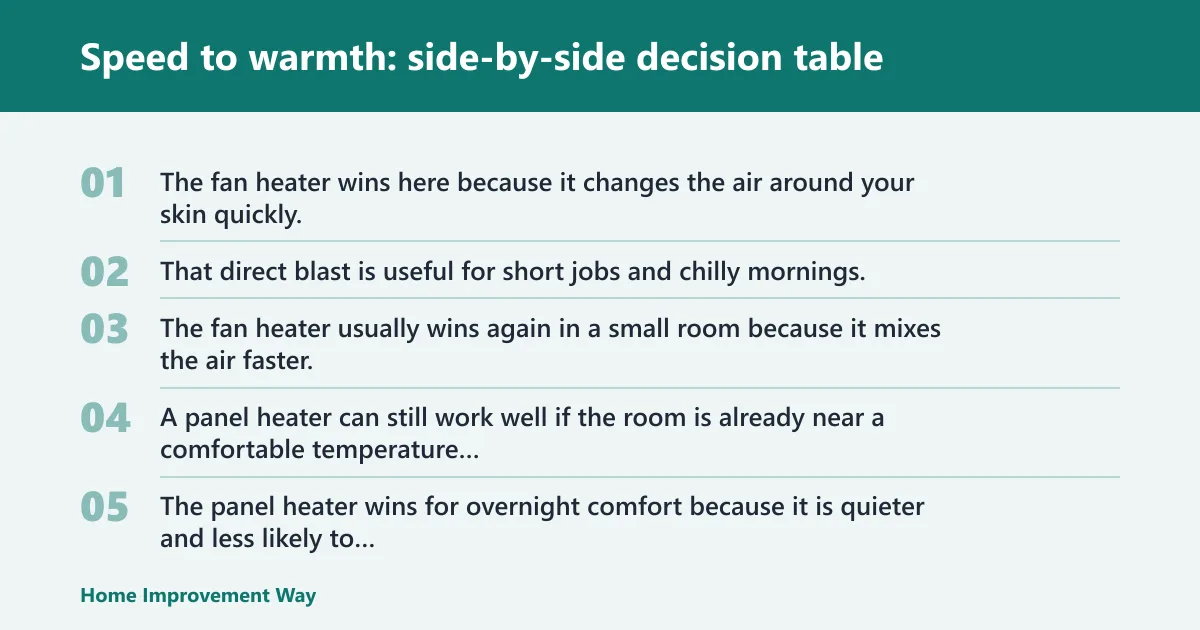
| Scenario | Fan heater | Panel heater | Winner | Placement notes |
|---|---|---|---|---|
| Standing close | Usually feels warm very quickly because air is blown directly toward you. | Can feel pleasant, but usually more gradual. | Fan heater | Keep the fan heater low and unobstructed. A panel heater works best if you are within its gentle heat zone. |
| Sitting across the room | Usually warms the occupied zone faster if the airflow path is clear. | Can be comfortable, but may take longer to make the whole room feel warm. | Fan heater | Point the fan heater toward the seating area. A panel heater should not be hidden behind curtains or furniture. |
| Heating overnight | Can be too noisy and too directional for sleep use. | Better for steady background warmth with a timer and thermostat. | Panel heater | Wall-mounting helps free floor space and supports even distribution in a bedroom. |
Standing close
The fan heater wins here because it changes the air around your skin quickly. That direct blast is useful for short jobs and chilly mornings, but it can feel harsh if you stay too close.
Sitting across the room
The fan heater usually wins again in a small room because it mixes the air faster. A panel heater can still work well if the room is already near a comfortable temperature and you want a quieter, gentler rise.
Heating overnight
The panel heater wins for overnight comfort because it is quieter and less likely to disturb sleep. Use a timer and a thermostat, and keep the setting modest rather than trying to heat the room in bursts all night.
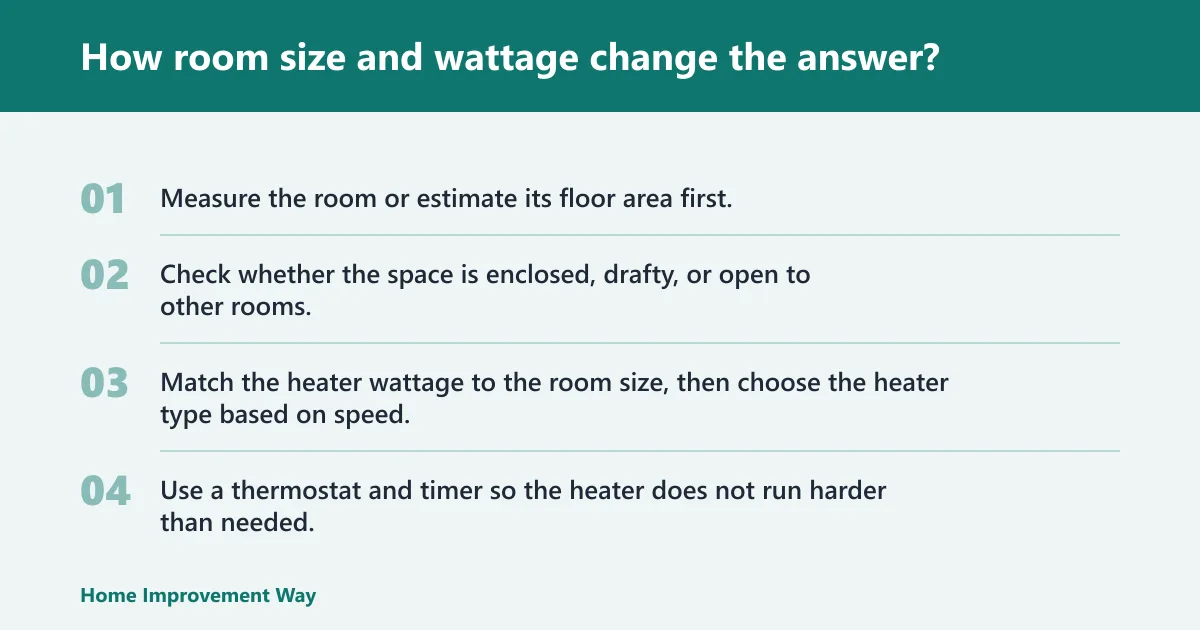
How room size and wattage change the answer?
Room size changes the answer more than many buyers expect. For small rooms, a lower wattage is often enough, while larger living areas usually call for more power; as the room gets bigger or more open, higher wattage matters more.
Small rooms around 20 m²
In a compact bedroom or office, a 1000-1500 W heater is often enough, assuming the room is reasonably insulated and doors stay shut. CHOICE says a fan heater is good for quickly warming a small space, which is where its airflow has room to work.
Larger rooms and open-plan spaces
As rooms get bigger, the air volume rises and circulation matters more. A heater that feels quick in a boxy bedroom can struggle in an open-plan living area, especially if the heat escapes into adjoining spaces or rises toward high ceilings.
Why higher wattage matters more as the room grows
More watts do not make a heater smarter, but they do help it keep up with a larger heat loss load. In a big space, a small heater may run continuously and still fail to create the warm, occupied zone you want.
- Measure the room or estimate its floor area first.
- Check whether the space is enclosed, drafty, or open to other rooms.
- Match the heater wattage to the room size, then choose the heater type based on speed, noise, and placement.
- Use a thermostat and timer so the heater does not run harder than needed.
Which heater is quieter and better for bedrooms?
The panel heater is quieter and is often a better fit for bedrooms. Fan heaters create noise because they use a fan, while panel heaters are silent or near-silent. For sleep, that difference matters as much as raw warm-up speed.
Fan noise versus near-silent operation
Fan noise can cover small temperature changes, but it can also bother light sleepers and anyone on calls. A panel heater avoids that moving-air sound, so the room feels calmer even when the temperature rise is slower.
Bedroom and child’s room use
CHOICE recommends a convection heater for sleeping use because it can be quiet, and panel heaters fit that pattern well. They are often wall-mountable, which helps keep cords out of the way and reduces floor clutter in tighter rooms.
Thermostat, timer, and overnight comfort
A thermostat stops the heater cycling above target temperature, and a timer helps avoid unnecessary runtime. Basic thermostats use hysteresis, meaning the heater turns on and off around the set point rather than holding one exact temperature; that is normal, but it can make short-cycling more noticeable in small rooms.
Choose fan heater if… / Choose panel heater if…
Choose a fan heater if you want the room air to warm quickly, need short bursts of heat at a desk or changing area, or have a small enclosed room where direct airflow can reach you without obstruction. Choose a panel heater if you want quiet, steady, draught-free warmth, especially in a bedroom, child’s room, or overnight setup.
Choose fan heater if…
You need fast local heat in a small room. You want the air temperature to rise quickly. You can tolerate fan noise and keep the airflow path clear.
Choose panel heater if…
You are heating a bedroom at night. You want near-silent operation and a gentler feel. You prefer wall-mounting, longer runtime, or a timer-led background heat plan.
Common safety checks before you buy
Look for a tip-over switch, a thermal fuse, and an overheat cutout. Also check whether the heater is rated for your room type and keep wet-environment limits in mind; not every small electric heater belongs in a bathroom or other damp space.
Frequently asked questions
Which heats a room faster, a fan heater or a panel heater?
A fan heater usually heats a room faster because it uses forced convection and moves warm air into the space quickly. A panel heater generally warms more slowly, but it can still feel comfortable if you want a steady background temperature rather than a quick burst.
Are fan heaters better than panel heaters for small rooms?
Often yes, if your goal is speed. In a small room around 20 square metres or less, a fan heater can warm the air faster and make the occupied zone feel warmer sooner. If the room is used for sleep, the quieter panel heater may be the better fit.
Do panel heaters warm up faster than fan heaters?
No, not usually. Panel heaters generally have a slower warm-up than fan heaters because they do not blow heated air around the room. They can still feel pleasant sooner when you are close to them, but they are not the faster air-heating option.
Which heater is better for a bedroom at night?
A panel heater is usually better for a bedroom at night because it is silent or near-silent and suits steady, low-disturbance heat. Pair it with a thermostat and timer so it does not run longer than needed, and avoid oversizing the unit for the room.
Which heater is quieter, a fan heater or a panel heater?
A panel heater is quieter. Fan heaters create noise because a fan moves air over the heating element, while panel heaters operate silently or close to silently. That difference is often the deciding factor in bedrooms, nurseries, and home offices.
How many watts do I need for a small room heater?
For a small room around 20 square metres, CHOICE says 1000-1500 watts is a common range. Bigger or more open rooms may need more, and 2400 W is often cited for large living areas. Room layout, insulation, and drafts all change the real-world need.
Are fan heaters safe to leave on overnight?
They are not the better choice for unattended overnight heating. Even with safety features like a tip-over switch and overheat cutout, fan noise, airflow, and placement risks make a panel heater with a timer the more suitable option for sleep-time use.
Does a fan heater heat the air faster than a panel heater?
Yes. A fan heater uses a fan to pass air over a heat source, so it usually heats enclosed air faster than a heater without a fan. That speed matters most in small rooms, while panel heaters gain ground when quiet, gentle, and steady heat matters more.
Sponsored / affiliate links. As an Amazon Associate I earn from qualifying purchases. I may earn additional commission from eligible campaigns.