How to Remove Black Water Marks on Wood Furniture Fast
A black water mark on wood furniture forms when moisture seeps past the finish and reacts with iron in the wood, and it only gets harder to lift the longer it sits. Left untreated for months, the stain can force a full refinishing instead of a simple spot fix. This guide covers oxalic acid, oil-based methods, and how to prevent new rings from forming.
Understanding Black Water Marks on Wood Furniture
Best Water Mark Removal Pick
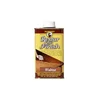
Howard Restor-A-Finish, 8 fl oz – $14.99
Made specifically to eliminate white heat marks and water rings on finished wood – a one-step alternative to the oxalic acid and oil methods this guide walks through.
- Best for: Water rings on an otherwise intact finish, not bare wood.
- Why we picked it: Blends into the existing finish instead of stripping it first.
- Main drawback: Will not fix marks that have gone through to raw wood.
Compare more wood restoration supplies
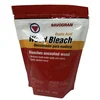 Option 1 Savogran Oxalic Acid Wood Bleach, 12oz – $12.90
|
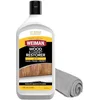 Option 2 Weiman Wood and Cabinet Restorer 3-in-1 – $16.99
|
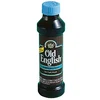 Option 3 Old English Scratch Cover, 8oz – $6.98
|
As an Amazon Associate we earn from qualifying purchases.
So, what exactly is a black water mark on wood furniture? It’s not just a surface smudge. It happens when water or moisture gets past the protective layer of your furniture’s finish. This finish is usually varnish, lacquer, or polyurethane. It protects the wood underneath.
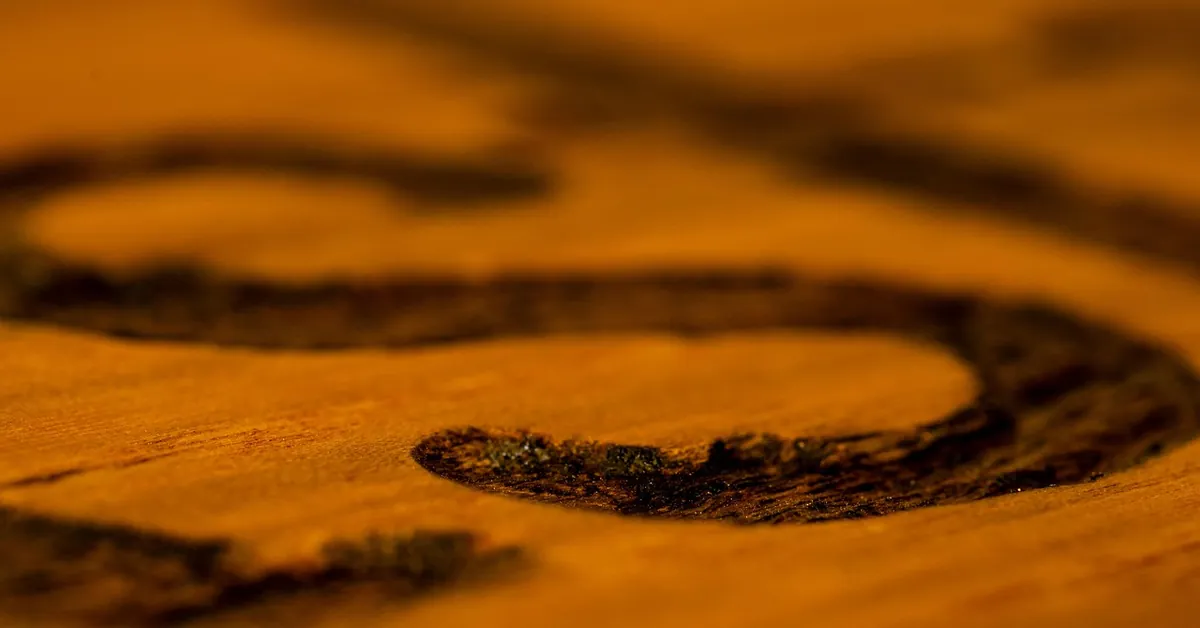
When water sits there, it can do two main things. First, it can cause the finish itself to cloud up. This usually makes white or cloudy rings. But sometimes, especially if the water sat for a long time, or if it had other things in it (like tannins from wood), it can cause a chemical reaction. This reaction stains the wood itself. That’s when you get those dark, stubborn black water marks.
Think of it like a bruise on your skin. The surface might look okay, but something deeper has been affected. The wood fibers underneath the finish have absorbed the moisture and, in some cases, the color from the liquid. This is why a simple wipe won’t get rid of it. It’s gone a bit deeper than that.
The type of wood and the type of finish on your furniture also play a big role. Older finishes might be more porous. Certain types of wood can stain more easily. Knowing this helps us choose the gentlest, most effective approach for removal. We want to lift that stain without stripping away all the good finish.
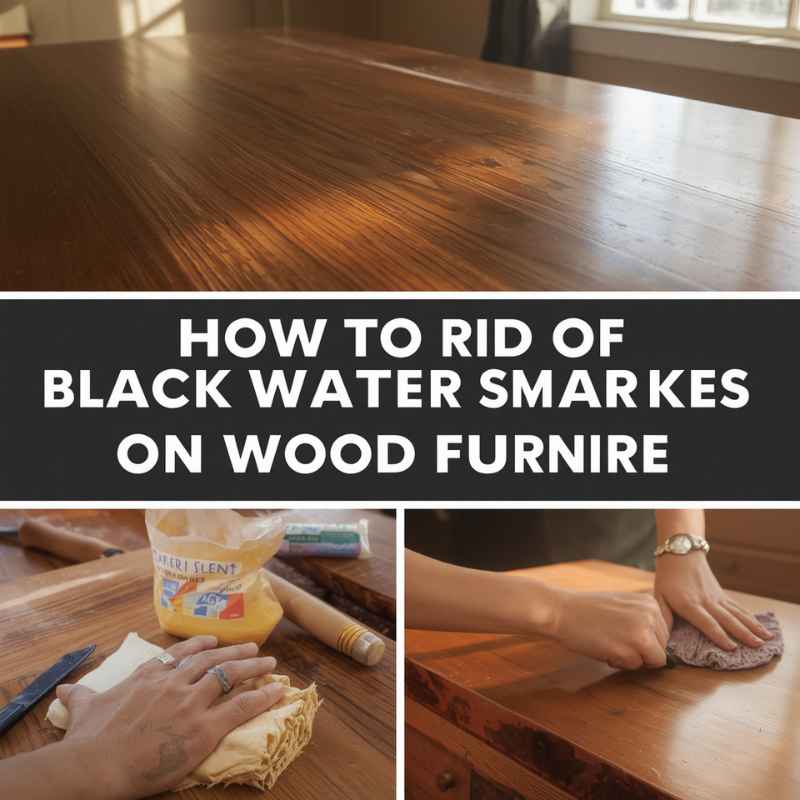
My Own Black Water Mark Mishap
I was working late one night. My desk, a beautiful old oak piece I inherited, was covered in papers. I’d had a cup of tea that I forgot about. The mug must have been too hot, or maybe a little spilled over the side. The next morning, there it was. A dark, angry ring right in the middle of my workspace. My heart sank. This desk had seen generations of my family.
I tried wiping it with a damp cloth. Nothing. I grabbed some furniture polish. Still nothing. Panic started to set in. Was this beautiful piece ruined forever? I could almost feel the smooth, cool surface of the oak under my fingertips, now marred by this ugly stain. I spent hours online, reading conflicting advice. Some suggested harsh chemicals. Others talked about sanding. I was scared I’d make it worse. That’s when I decided to dig deeper, to find methods that were both effective and safe for the wood.
Understanding the ‘Why’ Behind Black Rings
Cause: Moisture penetrates the wood finish.
Effect: Finish clouds (white rings) or stains wood (black rings).
Key Factors: Time moisture is present, type of finish, type of wood.
What you might see: Dark spots, discoloration, or actual ring shapes.
Gentle Methods for Black Water Mark Removal
The key to removing a black water mark on wood furniture is patience and gentle products. We want to lift the stain, not damage the surrounding finish. Always start with the mildest method first. Test any cleaner on an inconspicuous spot of the furniture. This could be the underside of a table or the back of a leg.
Let’s look at some tried-and-true methods.
Method 1: The Mayonnaise or Petroleum Jelly Trick
This sounds a little odd, I know! But oil can help lift many types of stains from wood. Mayonnaise has oil and eggs. Petroleum jelly is pure oil. They are both very gentle.
Here’s how you do it:
- Get some full-fat mayonnaise or petroleum jelly.
- Apply a thick layer directly onto the black water mark.
- Let it sit for at least an hour. For stubborn marks, you can leave it overnight.
- Gently wipe away the mayonnaise or jelly with a soft, clean cloth.
- If the stain is gone or lighter, buff the area with a dry cloth.
- If it’s still there, you might need to repeat the process.
Sometimes, the oil seeps in and breaks down the stain. It then lifts out of the wood. It’s surprisingly effective for marks that aren’t too deep.
Method 2: Baking Soda Paste
Baking soda is a mild abrasive. It can help lift stains without scratching the finish. We’ll mix it with water or oil to make a paste.
How to use it:
- Mix 1 tablespoon of baking soda with 1 tablespoon of water or oil (like olive oil).
- Make a smooth paste.
- Gently rub the paste onto the black water mark with a soft cloth. Use a circular motion.
- Be very gentle. You don’t want to scrub hard.
- Wipe away the paste with a clean, damp cloth.
- Dry the area immediately with a soft, dry cloth.
- Check the mark. Repeat if needed, but still be gentle.
This method works well for stains that are closer to the surface. The mild abrasion helps to lift away the discolored layer.
Method 3: Toothpaste (Non-Gel White Paste)
White, non-gel toothpaste can act as a mild abrasive, similar to baking soda. It’s important to use a plain white paste, not one with colorful gels or crystals.
Steps:
- Apply a small amount of white toothpaste to a soft cloth.
- Gently rub it into the black water mark.
- Use a light circular motion. Do not press hard.
- Wipe the area clean with a damp cloth.
- Dry thoroughly with a soft cloth.
This is best for lighter marks. It’s less likely to damage the finish than more abrasive cleaners.
Quick-Scan Stain Removal Tips
| Method | Best For | How It Works |
| Mayonnaise/Petroleum Jelly | Mild to moderate dark rings | Oil lifts the stain; gentle |
| Baking Soda Paste | Surface stains | Mild abrasive action |
| White Toothpaste | Light dark marks | Mild abrasive action |
When Gentle Methods Aren’t Enough
If the above methods don’t completely remove the black water mark on wood furniture, it means the stain has penetrated deeper. It might be into the wood itself, beyond the finish.
In these cases, you might need to use something a bit stronger. But caution is still key. You don’t want to strip the finish unless absolutely necessary.
Method 4: Mild Abrasive Cleaners (Use with Extreme Caution)
Products like Bon Ami or a very mild steel wool (#0000 grade) can be used. These are more abrasive. You must be careful not to remove the finish.
Using Bon Ami:
- Mix Bon Ami with water to make a paste.
- Apply to a soft cloth.
- Rub very gently over the stain. Work in the direction of the wood grain.
- Wipe clean with a damp cloth and dry immediately.
Using #0000 Steel Wool:
- Make sure you have the finest grade (#0000). Anything coarser will scratch.
- You can use it dry or with a tiny bit of furniture wax or lemon oil.
- Rub very, very gently over the stain. Always follow the wood grain.
- Wipe away any residue and dry the area.
These methods carry more risk. If you’re not comfortable, it’s better to stop here and consider professional help.
Method 5: Oxalic Acid (Wood Bleach) for Deep Stains
This is a more serious step. Oxalic acid is a chemical wood bleach. It is very effective at removing dark stains from wood. However, it will likely remove or alter the finish. You will probably need to refinish the area after using it.
You can buy oxalic acid crystals at hardware stores. You mix them with water according to the product’s instructions.
Safety is crucial here:
- Wear rubber gloves and eye protection.
- Work in a well-ventilated area.
- Apply the oxalic acid solution to the stain with a brush or cloth.
- Let it work. You should see the stain lighten.
- Rinse the area thoroughly with plain water.
- Let it dry completely.
- You will likely need to reapply finish (like varnish or wax) to the treated area.
This method is for experienced DIYers or when you’re prepared to do a bit of refinishing. It’s a powerful tool but requires respect.
When to Seek Expert Help
Consider a professional if:
- The furniture is very valuable or antique.
- You’ve tried gentle methods without success.
- You’re not comfortable using stronger chemicals or abrasives.
- The stain is very large or deep.
A furniture restorer has the tools and knowledge to tackle tough stains without causing damage.
Real-World Context: Where and Why These Marks Appear
Black water marks are more common in certain situations. Understanding these helps us prevent them.
In the Kitchen and Dining Room: These are prime spots. Condensation from glasses, spills from drinks or food, and even hot pots placed down without a trivet can cause rings.
Living Rooms with Coffee Tables: Drinks left on coffee tables are a frequent culprit. People are relaxed, perhaps watching TV, and a forgotten coaster is easy to overlook.
Humid Environments: In areas with high humidity, condensation can form on furniture surfaces, especially if the room isn’t well-ventilated. This can slowly degrade the finish and lead to staining over time.
Older Furniture Finishes: As furniture ages, its finish can become more brittle or porous. This makes it more susceptible to water damage.
Accidents Happen: Let’s be honest, life isn’t always neat. Kids, pets, or even just a moment of distraction can lead to spills. It’s part of living with beautiful things.
What This Means for Your Furniture
Seeing a black water mark on wood furniture can be upsetting. But it doesn’t always mean the worst.
When it’s Normal: A small, fresh water ring that lifts with a gentle method is normal. It’s a sign the finish did its job for a while, but the moisture eventually got through.
When to Worry: If the stain is very deep, dark, and doesn’t budge with mild treatments, it might have damaged the wood itself. This often requires more aggressive cleaning, possibly wood bleach, and refinishing.
Simple Checks:
- Feel the Area: Does the area feel rough or sticky? This could indicate the finish is damaged.
- Look Closely: Is the wood underneath the finish discolored, or is it just the finish that’s affected?
- Test Mildly: Always try the gentlest methods first. If they work, you’re in good shape.
Quick Fixes & Prevention Tips
Prevention is always better than cure. Once you’ve cleaned your furniture, you’ll want to keep it looking its best.
Use Coasters: This is the number one rule. Keep coasters handy for drinks. Make it a habit for everyone in the house.
Use Trivets and Mats: Protect surfaces from hot dishes, pots, and pans. This is crucial for dining tables and kitchen counters.
Wipe Up Spills Immediately: Don’t let moisture sit on the wood. Keep a soft cloth nearby to quickly dry any spills.
Maintain the Finish: Regularly clean and polish your wood furniture. This helps keep the protective finish strong and supple. Use a quality furniture polish or wax specifically designed for wood.
Monitor Humidity: If you live in a very humid climate, consider using a dehumidifier. This can help prevent condensation and moisture buildup on surfaces.
Be Mindful of Plants: Watering plants can sometimes lead to drips or spills. Keep plants on saucers and be careful when watering them near wood furniture.
Prevention Checklist
- Coaster Habit: Always use coasters for drinks.
- Trivet Power: Protect from hot items.
- Quick Wipe: Clean up spills right away.
- Regular Care: Polish and wax your furniture.
- Humidity Check: Manage indoor moisture levels.
- Plant Patrol: Use saucers and be careful with watering.
Frequent Questions About Black Water Marks
Can I use rubbing alcohol on black water marks?
Rubbing alcohol can be too harsh for many wood finishes. It can strip the finish or cause more damage. It’s best to avoid it unless you are certain it’s safe for your specific furniture finish and are prepared to reapply finish.
What is the difference between a white and a black water mark?
White rings usually mean moisture has gotten into the top layer of the finish, causing it to cloud. Black rings mean the moisture has gone deeper, possibly staining the wood itself. Black marks are generally harder to remove.
How long should I leave mayonnaise or petroleum jelly on the stain?
For mild stains, 1-2 hours might be enough. For tougher marks, leaving it on overnight is often recommended. The longer oil sits on the stain, the more it can penetrate and lift it.
Will sanding fix a black water mark?
Sanding can remove the stain if it’s deep in the wood. However, it will also remove the finish. You would then need to refinish the entire piece or at least the sanded area. It’s a more involved process and should be a last resort.
Can I use lemon oil to remove black water marks?
Lemon oil is more of a conditioner and mild cleaner. It might help with very light, surface-level marks, similar to other oils. However, it’s unlikely to remove deep black water marks on wood furniture. It can be useful for polishing after cleaning.
What should I do after removing a black water mark?
Once the mark is gone, clean the area with a soft, damp cloth. Dry it thoroughly. You might want to apply a coat of furniture polish or wax to protect the area and restore the shine. This also helps blend the cleaned area with the rest of the finish.
Conclusion: Restoring Beauty, Protecting Memories
Dealing with a black water mark on wood furniture can feel daunting. But by understanding what causes them and using gentle, tested methods, you can often restore your furniture’s beauty. Remember to always start with the mildest approach and be patient. Protecting your furniture with simple habits like using coasters is the best way to prevent these marks from ever appearing. Your cherished pieces deserve to be enjoyed, free from worry.
Sponsored / affiliate links. As an Amazon Associate I earn from qualifying purchases. I may earn additional commission from eligible campaigns.