How To Get White Spots Out Of Wood Furniture (Fast Fixes)
White spots on wood furniture come from a cold glass, a hot plate, or condensation trapping moisture just under the finish. They look permanent but usually respond to simple household fixes. Here’s what causes them and how to remove them at home.
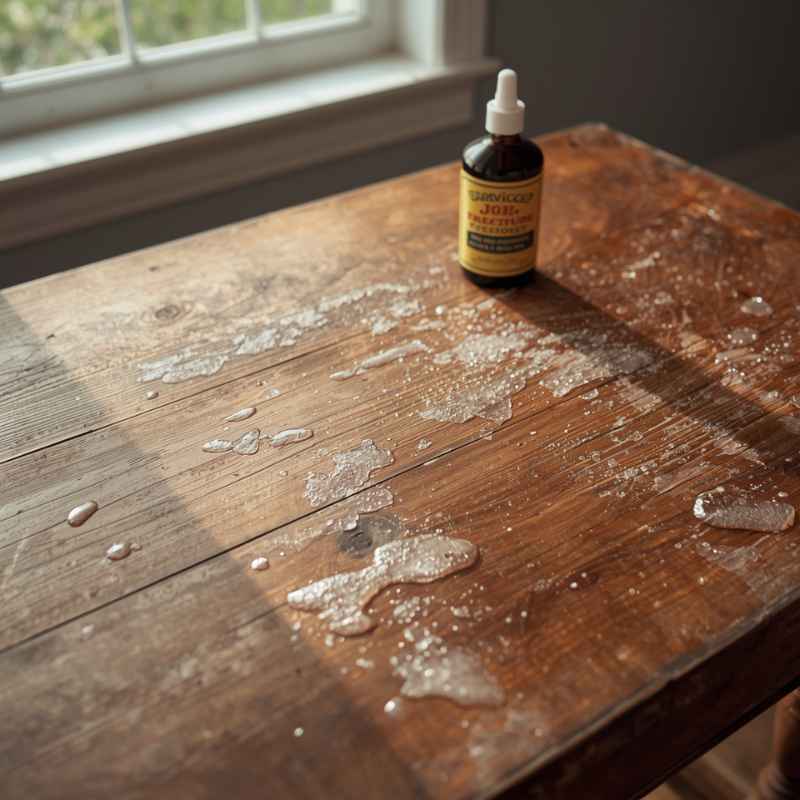
A white spot on wood furniture is usually a sign of trapped moisture or heat damage just below the surface finish. Many common household items can effectively remove these marks without damaging the wood. The goal is to gently lift the moisture or repair the finish layer.
Understanding White Spots on Wood
Best Fix For White Ring Stains
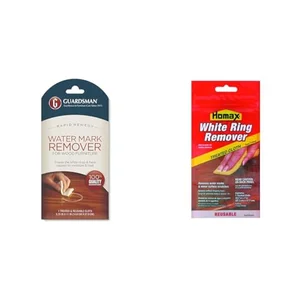
Guardsman Water Mark Remover Cloth – $10.78
A reusable cloth built specifically for the white ring and haze marks this guide covers – no separate solvents or pastes needed.
- Best for: Fresh white rings from glasses or mugs
- Why we picked it: Reusable, works on multiple wood finishes
- Main drawback: Less effective on deep, set-in spots
Other fixes this guide covers
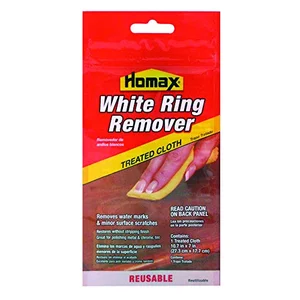 Option 1 White Ring Remover Cloth – $5.80
|
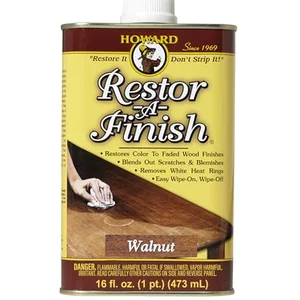 Option 2 Restor-A-Finish (Walnut) – $10.98
|
As an Amazon Associate we earn from qualifying purchases.
White spots on wood are often called “water rings” or “heat marks.” They happen when moisture or heat penetrates the top layer of the wood’s finish. This finish is like a protective shield. When something cold or hot touches it, the shield can get a little weak.
Think of it like a very fine layer of plastic. If you put a cold drink on it, the moisture from the air might find tiny cracks. This moisture gets trapped.
It turns the finish cloudy or white in that spot. Heat does something similar. It can soften the finish just enough to make it look cloudy.
Most of the time, this is not deep damage to the wood itself. It’s damage to the clear coat on top. This is good news!
It means we can often fix it with gentle methods. We don’t usually need to sand down to the bare wood. That saves a lot of work.
My Own White Spot Nightmare
I remember one frantic evening. I had a beautiful antique coffee table. It was a family heirloom, and I loved it.
I was hosting a small get-together. Everything was going well until one of my guests, bless her heart, put a very cold glass of iced tea directly on the polished wood. No coaster!
When she picked it up, I saw it. A perfect, stark white ring. My heart sank.
I felt a surge of panic. This table was precious. I immediately tried wiping it, thinking maybe it was just wet.
But it didn’t budge. It looked so awful against the dark wood. I was sure I had ruined it.
That night, I barely slept, just thinking about that white ring and how I’d explain it to my parents.
Spotting the Difference: White vs. Dark Marks
White Spots: These usually mean moisture or heat has affected the top layers of the finish. They are often fixable with mild methods. The finish is cloudy.
Dark Spots: These are more serious. They typically mean the damage has gone through the finish and into the wood itself. This might involve staining or deep burns.
These are much harder to repair.
Common Causes of White Spots
Understanding why these spots appear helps us know how to fix them. It also helps us prevent them in the future. It’s all about moisture and heat interacting with the wood’s finish.
Condensation: This is a big one. Cold drinks are the usual culprits. The condensation that forms on the outside of a glass or bottle can seep into the finish.
The trapped water causes that white, cloudy look. Even a damp cloth left on the surface can cause issues.
Hot Items: Things like coffee mugs, pots, or even warm plates can also cause problems. The heat can soften the finish. This makes it lose its gloss.
It can also trap moisture. This results in a white mark. It’s not always a full ring; sometimes it’s a small, hazy patch.
Humidity: Very high humidity can sometimes affect finishes over time. This is less common for sudden spots. But it can contribute to a general dullness.
This makes the finish more likely to show damage.
Chemicals: Some cleaning products can be too harsh. If they contain strong solvents, they can damage the finish. This can lead to cloudiness.
Always use wood-specific cleaners. Got the same white mark on a floor instead of furniture? See our guide on removing water stains from hardwood floors for the floor-specific version of this fix.
Quick Scan: Is It Fixable?
| Type of Mark | Likely Cause | Fixability |
| Bright White Spot | Trapped Moisture (Cold Glass) | High |
| Slightly Dull White Patch | Heat Exposure (Warm Mug) | Medium to High |
| Dark or Black Spot | Deep Stain or Burn into Wood | Low (Often Needs Refinishing) |
If you’re dealing with a dark stain rather than a white spot, that usually means water soaked past the finish and into the wood grain, which needs a different approach entirely. Our complete guide on how to remove water spots from wood furniture covers the oxalic acid method for those deeper dark stains too.
Gentle Methods to Remove White Spots
Now for the good part! We’re going to try some simple, common household items. These are gentle.
They work by drawing out the moisture or lightly polishing the finish.
1. The Hair Dryer Method:
This is often the first thing to try. It uses gentle heat to evaporate the trapped moisture. Make sure your hair dryer is on a low heat setting.
Hold it about 6-8 inches away from the spot. Keep the dryer moving constantly.
You’re not trying to cook the wood! You’re just warming it gently. After a minute or two, check the spot.
If it’s improving, keep going. You might need to do this for 5-10 minutes. Sometimes, the spot will vanish as the moisture evaporates.
This is a super easy first step.
2. Petroleum Jelly (Vaseline):
Petroleum jelly is great at lifting moisture. It acts like a mild solvent. Take a clean, soft cloth.
Rub a small amount of petroleum jelly onto the white spot. Let it sit there for several hours, or even overnight. The jelly gently draws the moisture out of the finish.
After it has sat for a while, wipe the jelly away with a clean cloth. You might need to gently buff the area. Most of the time, the white spot will be gone or much less noticeable.
This is a very safe method for most finishes.
3. Toothpaste (Non-Gel, White Paste):
Yes, toothpaste! But it has to be the plain white paste kind. Do NOT use gel toothpaste or any with whitening crystals.
Those can be too abrasive. You want a fine, mild abrasive.
Put a small dab of white toothpaste on a soft cloth. Gently rub it into the white spot. Use a back-and-forth motion, following the grain of the wood.
Don’t scrub hard. After a minute or two, wipe the toothpaste away with a damp cloth. Then, dry the area thoroughly.
This method works by lightly polishing the damaged finish layer.
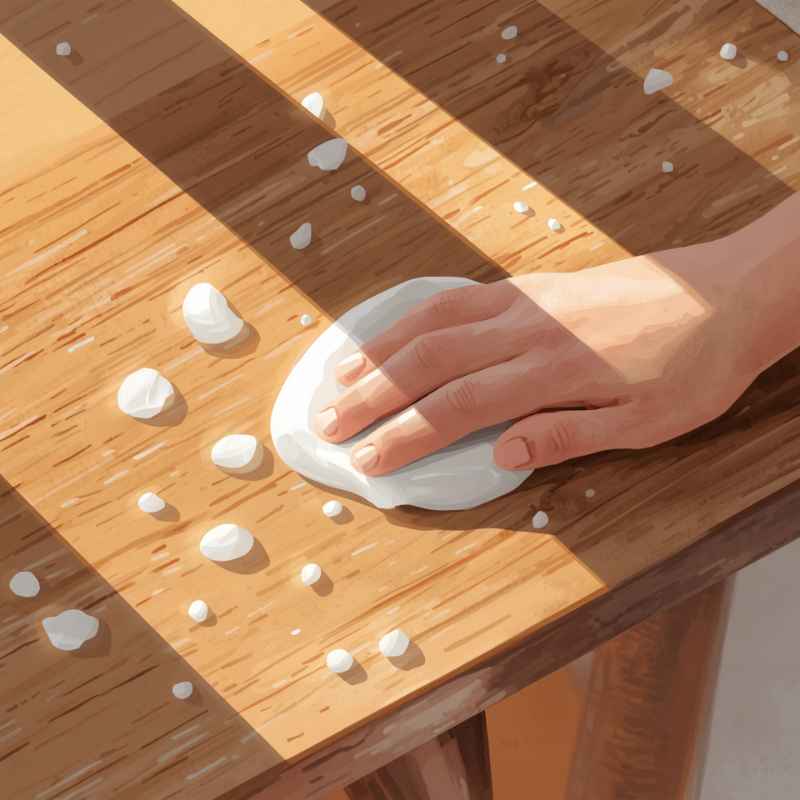
4. Baking Soda Paste:
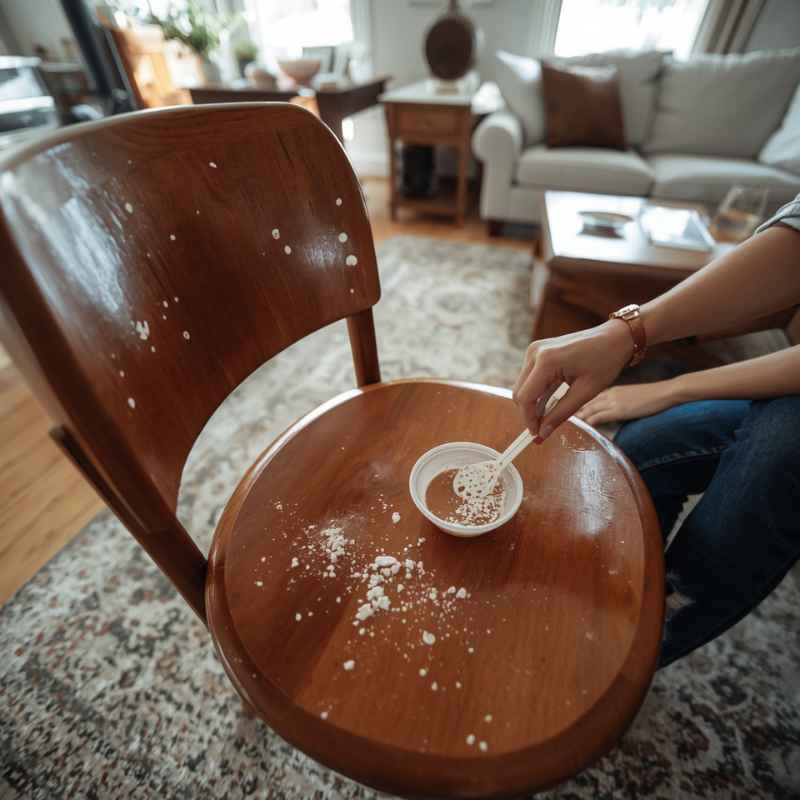
Similar to toothpaste, baking soda is a mild abrasive. Mix a paste of baking soda and water. Use about a 2:1 ratio of baking soda to water.
You want a thick paste, not runny.
Apply this paste to the white spot with a soft cloth. Rub gently in the direction of the wood grain. Like the toothpaste method, don’t overdo the rubbing.
Wipe the paste away with a damp cloth. Dry the spot well. This can effectively buff out mild white rings.
5. Iron and Cloth (Use with Caution!):
This method uses controlled heat. It’s a bit riskier, so be very careful. Make sure your iron is on a low setting.
Put a clean, dry cotton cloth (like a t-shirt or tea towel) over the white spot. Place the warm iron on top of the cloth for just a few seconds.
Lift the iron and cloth to check. You’re trying to gently warm the finish. This helps release the moisture.
Keep the iron moving slightly. Never leave it in one spot. If the spot starts to disappear, you’re doing it right.
If you see any signs of scorching or damage, stop immediately. This method needs quick, light touches.
Your Toolkit for White Spots
What You Might Need:
- Soft, clean cloths (microfiber is great)
- Hair dryer (on low heat)
- Petroleum jelly
- White, non-gel toothpaste
- Baking soda
- Iron (on low heat)
- A dry cotton cloth
When Gentle Isn’t Enough: Slightly Stronger Methods
If the super-gentle methods don’t fully work, there are a couple of other options. These use slightly more active ingredients.
1. Mayonnaise:
Yes, mayonnaise! The oil in it can help. Similar to petroleum jelly, it can draw out moisture.
Slather a good amount of full-fat mayonnaise onto the white spot. Let it sit for several hours or overnight. Wipe it clean with a soft cloth.
Buff the area dry.
2. Steel Wool (Super Fine Grade – #0000):
This is a more aggressive option. You must use the finest grade steel wool, #0000. Anything coarser will scratch your finish.
This is often used with a lubricant.
You can try rubbing the #0000 steel wool very lightly over the spot. Use a very gentle touch. You can also mix a tiny bit of mineral oil or furniture polish with the steel wool.
Rub in the direction of the wood grain. Wipe away any residue. Buff the area well.
Caution: This can sometimes remove a bit of the finish. Test in an inconspicuous area first. Always follow up with a good furniture polish or wax.
3. Commercial Wood Repair Products:
There are many products designed for this exact problem. They often contain mild solvents or polishes. Brands like “Homax” or “Rejuvenate” offer products for removing water rings.
Follow the product instructions very carefully. Always test in a hidden spot first. These can be very effective if used correctly.
Contrast: What To Avoid
Myth: Rubbing alcohol or nail polish remover will fix it.
Reality: These are strong solvents. They can easily strip the finish or stain the wood permanently. They will likely make the problem much worse.
Stick to the mild methods described.
Dealing with Stubborn Spots
Sometimes, a spot is just plain stubborn. It might be a deeper mark, or the finish might be old and brittle. What can you do then?
1. Furniture Polish or Wax:
After trying a removal method, always finish by polishing or waxing the wood. This restores the shine and adds a protective layer. Use a good quality furniture polish or paste wax.
Apply it with a soft cloth. Buff it to a nice shine. This can sometimes help blend in minor imperfections left after treatment.
2. Color Restorers:
For spots that are still slightly visible, a wood “color restorer” or “marker” might help. These come in various wood tones. You can dab a tiny amount onto the spot to try and blend it in.
Be very sparing! You don’t want to create a new, noticeable patch.
3. Professional Help:
If you’ve tried everything and the spot remains, or you’re worried about damaging your valuable furniture, it might be time to call a professional. A furniture restorer has specialized tools and knowledge. They can often fix marks that are beyond DIY solutions.
This is especially true for antique or fine wood pieces.
Observational Flow: Spot Removal Process
Step 1: Assess the Mark
Is it bright white (moisture) or dark (deeper damage)?
Step 2: Try Gentle Heat (Hair Dryer)
Low setting, keep moving. Evaporate moisture.
Step 3: Use a Moisture Absorber (Petroleum Jelly/Mayo)
Apply, let sit for hours, wipe clean.
Step 4: Try Mild Abrasives (Toothpaste/Baking Soda)
Rub gently with cloth, wipe clean, dry.
Step 5: Consider Controlled Heat (Iron & Cloth)
Low setting, quick touches, use caution.
Step 6: If Still Visible, Try #0000 Steel Wool or Commercial Products
Use with care and lubricant if needed. Test first.
Step 7: Finish with Polish/Wax
Restore shine and protection.
Real-World Scenarios
Let’s think about where these spots pop up most often in our homes.
Kitchen Tables: These are prime targets. Coffee cups, glasses of juice, warm serving dishes. Daily use means higher risk.
Coffee Tables: Iced drinks are common here. Guests often place glasses down quickly. Accidents happen easily.
Desk Surfaces: A cold soda can or a warm mug while working. These areas see a lot of direct contact.
Wood Countertops (Sealed): If you have sealed wood counters, they can also get these marks from hot pans or wet glasses. The methods for furniture often apply here too, but always check your sealant.
The common thread is direct contact with moisture or heat without a barrier. Coasters and trivets are your best friends in these situations. Simple habits can prevent many of these frustrating marks.
What This Means for Your Furniture
Seeing a white spot can be alarming. But for most white marks, it’s a temporary issue. It means the finish is compromised, but the wood itself is likely okay.
When it’s normal: A sudden white ring after a cold drink. A small hazy patch from a warm mug. These are usually fixable with the methods we’ve discussed.
They don’t mean the furniture is ruined.
When to worry: If the spot is dark, black, or seems to have eaten into the wood. If your attempts to fix it make it worse (e.g., scratching or lifting the finish). These could indicate deeper damage.
Simple checks: Before you try anything, gently wipe the spot with a dry cloth. Does it feel rough? Is it just a cloudiness on the surface?
Pressing lightly with your fingernail: does it dent or feel soft? These can give clues about the damage level.
The good news is that with a little patience and the right approach, most white spots on wood furniture can be banished. It’s about understanding the cause and using the least aggressive method first.
Quick Fixes and Tips for Prevention
While we’ve covered fixes, prevention is even better!
- Use Coasters: This is the number one tip. Keep coasters readily available for drinks.
- Use Trivets: Protect wood surfaces from hot pots and dishes.
- Wipe Spills Immediately: Don’t let moisture sit on the wood. A quick wipe can save your finish.
- Avoid Harsh Cleaners: Stick to wood-specific cleaners.
- Maintain the Finish: Regularly polish or wax your wood furniture. This keeps the finish strong and helps repel moisture. A good wax can add a significant layer of protection.
- Be Mindful of Temperature Changes: Extreme and rapid temperature shifts can stress finishes.
Quick Guide: Choosing the Right Method
For Fresh, Bright White Spots:
- Hair Dryer
- Petroleum Jelly
- Mayonnaise
For Hazy or Slightly Deeper White Spots:
- Toothpaste Paste
- Baking Soda Paste
- Iron & Cloth (with extreme care)
For Stubborn Spots (Use with Caution):
- #0000 Steel Wool
- Commercial Water Ring Removers
Frequently Asked Questions About White Spots on Wood
Can I use a magic eraser on white spots on wood?
Magic Erasers are abrasive. They are made of melamine foam. While they can remove some marks, they can also easily remove the finish from your wood furniture.
It’s best to avoid them for white spots on finished wood. Stick to the gentler methods described.
What is the best way to remove a white ring from a wood table?
The best way usually starts with the gentlest methods. Try using a hair dryer on a low heat setting. If that doesn’t work, a dab of petroleum jelly left overnight can lift the moisture.
Always try the least invasive solution first.
Will a white spot on wood ever go away on its own?
Sometimes, very minor white spots caused by trapped moisture can evaporate over time. However, this can take days or even weeks. For faster results and to ensure no lasting damage, it’s better to treat the spot actively with methods like those discussed.
My wood furniture has many white spots. What should I do?
If you have many spots, it suggests the furniture is regularly exposed to moisture or heat without protection. Start by using coasters and trivets consistently. Then, try the gentle removal methods on a few of the spots.
If the finish is generally compromised, a light re-waxing or polishing might help improve the overall appearance.
Is it safe to use oil-based products like olive oil on white spots?
Some people suggest using oils. While oils can sometimes help condition the wood, they are less effective at drawing out the trapped moisture compared to petroleum jelly or mayonnaise. Also, oils can leave a residue that is hard to remove.
It’s usually better to stick with methods specifically designed to tackle moisture or mild abrasion.
What’s the difference between a white spot and a dark spot on wood furniture?
A white spot means moisture or heat has clouded the top layer of the finish. It’s often fixable. A dark spot means the damage has gone deeper, into the wood itself, causing staining or burning.
Dark spots are much harder to repair and may require refinishing.
Conclusion
White spots on wood furniture are frustrating, but rarely the end of the world. With a few common household items and a bit of care, you can often restore the smooth, beautiful finish of your wood. Always start with the gentlest method and work your way up if needed.
And remember, prevention is key. Those simple habits like using coasters will save you a lot of worry and work down the line. Enjoy your beautiful, spot-free furniture!
Sponsored / affiliate links. As an Amazon Associate I earn from qualifying purchases. I may earn additional commission from eligible campaigns.