Can You Use Wooden Spoons On Non Stick Pans Safely?
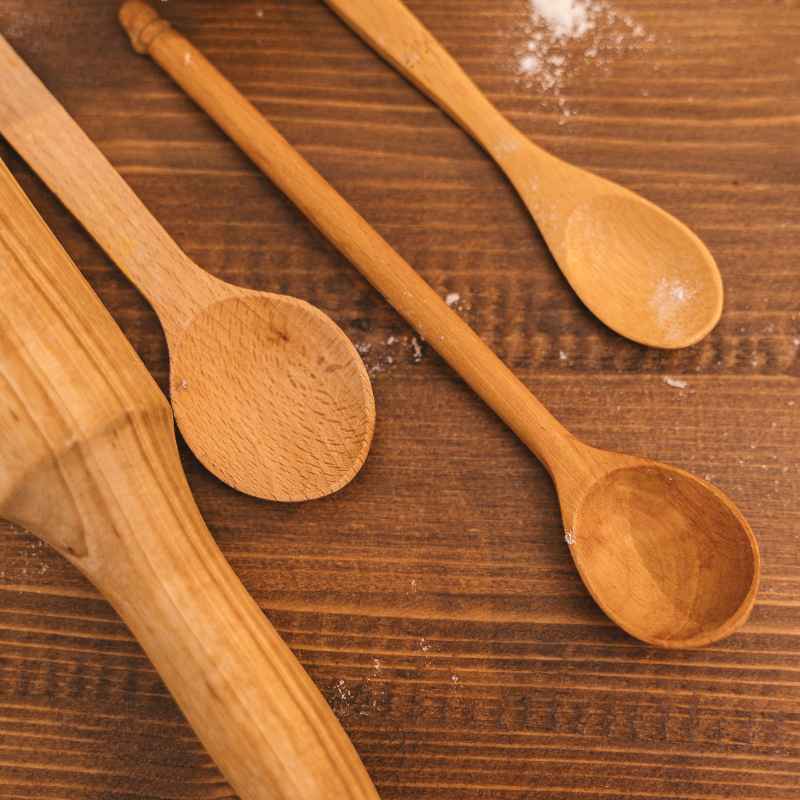
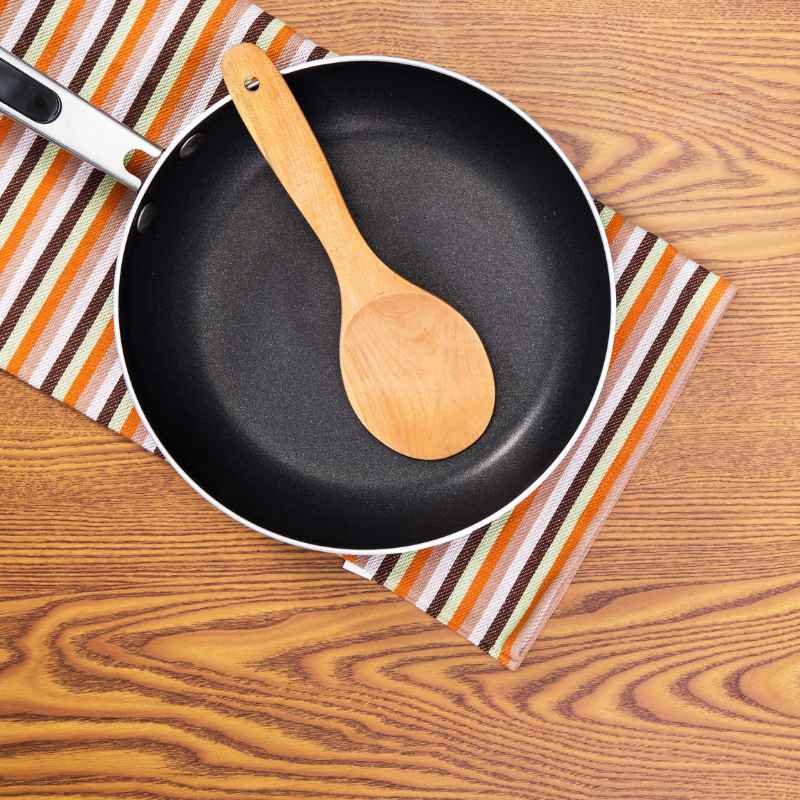
Using wooden spoons on non-stick pans is generally safe. Wood is a soft material that is unlikely to scratch the delicate non-stick coating. However, proper care for both the spoon and the pan is essential to ensure longevity and avoid damage.
What Are Non-Stick Pans and Why Do They Need Care?
Non-stick pans have a special coating. This coating makes food slide right off. It helps you cook with less oil or butter.
This is great for healthier eating. It also makes cleaning much easier. Think about cooking eggs or pancakes.
They don’t stick! This coating is usually made of a material called PTFE, often known by the brand name Teflon. It’s a thin layer applied to the metal pan surface.
This layer is delicate. It can be scratched or worn away. Once the non-stick surface is damaged, it doesn’t work as well.
Food starts to stick again. The pan might not be safe to use anymore. That’s why taking care of it is so important.
The non-stick coating is sensitive. It can be damaged by sharp objects. Metal utensils can easily scratch it.
A scratch can create a weak spot. This spot lets food get underneath the coating. Over time, more food sticks there.
The coating might start to peel. This is not good for your pan. It’s also not good for you.
Damaged non-stick coatings can release tiny particles. It’s best to avoid this. Proper utensil choice is key.
It’s a simple step that makes a big difference. It protects your investment and keeps your cooking smooth.
Many different types of pans have non-stick coatings. You might have them for frying, sautéing, or baking. Each one relies on that special surface.
Protecting it means your pans last longer. It means your food cooks better every time. So, what about wooden spoons?
Are they friends or foes to these delicate surfaces? Let’s dive into that.
The Science Behind Wooden Spoons and Non-Stick Surfaces
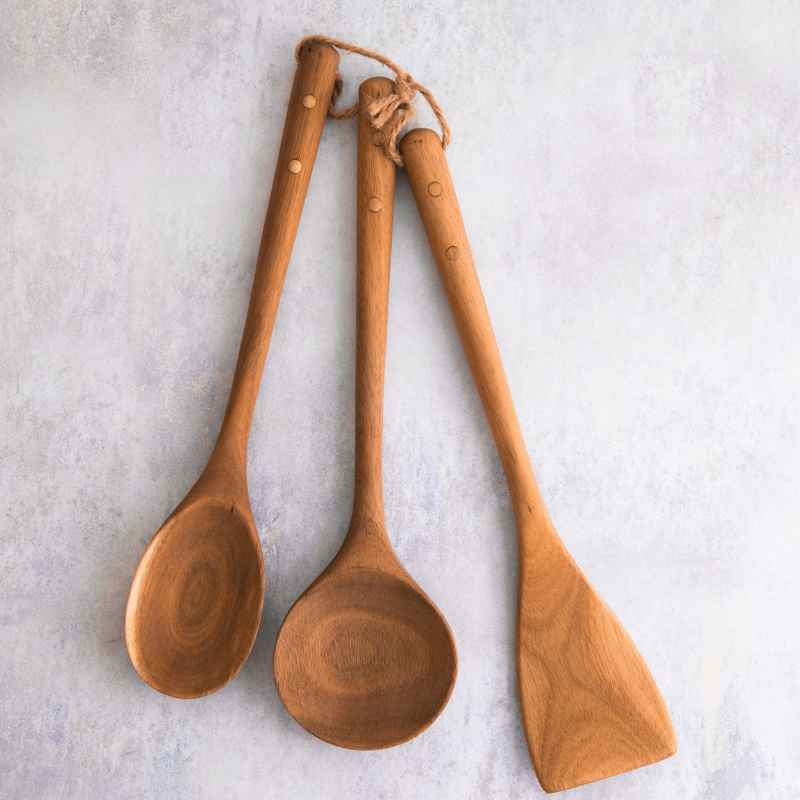
Wood is a natural material. It comes from trees. It has a certain hardness.
Non-stick coatings are typically much softer. Think about a sturdy wooden table. Now think about a painted surface on that table.
If you scrape the paint with something soft, it might smudge. If you scrape it with something hard, like a sharp knife, it will definitely scratch. The same idea applies to your pans.
Wood is softer than the metal pan itself. It’s also softer than most non-stick coatings.
So, when you stir with a wooden spoon, it’s unlikely to dig into the non-stick layer. The wood will glide over the surface. It might leave a faint mark if you press very hard.
But this mark usually won’t damage the coating. It’s more like a slight pressure mark. Metal utensils, on the other hand, are often harder than the coating.
They can easily shave off tiny bits of the PTFE. This is what causes damage. It’s like using a metal scraper on a painted wall.
You’ll see the paint come off.
Wood also has some natural properties that help. It’s not abrasive. It doesn’t have sharp edges like some metal tools.
Even a well-worn metal spoon can have a slightly rough edge. This edge can catch on the non-stick surface. A wooden spoon, even if it’s old, usually keeps a smoother surface.
This is important for preventing damage. It means the spoon works with the pan, not against it.
Wood vs. Non-Stick Hardness
Wood: Generally soft, natural material.
Non-Stick Coating (PTFE): Delicate, can scratch easily.
Key Point: Wood is usually softer than the non-stick layer. This makes it a safe choice.
Think about the feel of wood. It has a slight give. It’s not rigid like metal.
This gives it a forgiving nature when it touches surfaces. This is why chefs often prefer wooden or silicone tools. They understand the importance of protecting their cookware.
It’s about extending the life of the tools you use every day. It’s also about ensuring the best cooking results.
My Own Kitchen Oops: The Day I Learned About Utensils
I remember one crisp autumn evening. I was making my famous chili. It was simmering away, filling the kitchen with warm, spicy scents.
I reached for my favorite metal spatula to stir. It was the one with the sturdy, thick handle. I’d used it for years.
I loved how it felt in my hand. As I stirred, I heard a tiny scrrrape. My heart sank.
I looked down at the bottom of my non-stick pot. There it was: a faint, but noticeable, scratch. It was right across the middle.
Panic set in. That pot was relatively new. I had spent good money on it.
I immediately stopped stirring and put the spatula down. I felt a wave of annoyance. Why hadn’t I thought about this before?
I had so many wooden spoons in my drawer, but my hand just went for the metal one. It felt like a mistake I couldn’t undo. The scratch was there.
It was a constant reminder of my carelessness. I spent the rest of the cooking time feeling anxious. Every stir felt risky.
I kept picturing the non-stick coating flaking away.
That incident taught me a valuable lesson. It wasn’t about the food I was making. It was about the tools I was using.
It was about respecting the cookware. Since that day, I’ve been much more mindful. I now have a designated set of utensils for my non-stick pans.
And guess what? Wooden spoons are a big part of that set. It’s a small change that has made a big difference.
My pans look better, and I feel more confident cooking with them. That scratch still reminds me, but now it’s a good reminder.
Other Safe Utensil Options for Non-Stick Pans
While wooden spoons are a great choice, they aren’t the only option. There are other materials that are also safe for your non-stick cookware. Understanding these alternatives gives you more choices.
It ensures you always have the right tool for the job. This helps you protect your pans and enjoy your cooking.
Silicone Utensils: Silicone is another popular choice. It’s a synthetic material that is heat-resistant and flexible. Silicone is much softer than metal.
It won’t scratch your non-stick coating. Silicone spoons, spatulas, and whisks are widely available. They come in many colors too.
They can be used for stirring, flipping, and scraping. They are also easy to clean. Just be sure to buy good quality silicone.
Some cheaper versions can degrade over time or absorb odors.
Safe Utensil Materials
- Wood: Natural, soft, unlikely to scratch.
- Silicone: Flexible, heat-resistant, gentle on surfaces.
- Nylon: Durable, heat-resistant, often used for cooking tools.
Nylon Utensils: Nylon is a type of plastic. High-quality nylon cooking tools are also safe for non-stick pans. They are heat-resistant up to certain temperatures.
They are also quite durable. You can find nylon spatulas, slotted spoons, and ladles. They offer a good balance of strength and gentleness.
Just check the packaging to ensure they are rated for cooking temperatures. Some very cheap nylon items might melt or deform under heat.
The key with all these materials is their relative softness compared to the non-stick coating. They are designed to bend or yield before they can gouge the pan’s surface. This is the fundamental principle of protecting your cookware.
It’s about using tools that are designed to work harmoniously with the pan, not against it.
What about bamboo? Bamboo is often grouped with wood. It is also a good, safe option.
It’s strong but still gentle on non-stick surfaces. So you have a range of choices to keep your pans in top shape.
When Wooden Spoons Might Cause a Problem (Rare Cases)
While wooden spoons are generally safe, there are a couple of very rare situations where they could potentially cause an issue. It’s important to know these, even if they’re uncommon. Most of these relate to the condition of the spoon or pan, or how they are used.
Damaged Wooden Spoons: If a wooden spoon is very old, cracked, or splintered, it could become abrasive. A rough, jagged edge on a wooden spoon could theoretically catch on the non-stick coating. This is more likely if the spoon has been through a dishwasher many times, which can dry out and crack the wood.
Always check your wooden spoons before using them. Look for any rough spots or loose splinters. If you see any, it’s time to replace the spoon.
Checking Your Wooden Spoons
Inspect for:
- Cracks
- Splinters
- Rough edges
- Loose pieces
Action: If any are found, discard and replace.
Aggressive Scrubbing: Even a soft spoon can cause damage if used too roughly. If you are scrubbing the bottom of the pan with significant force, you might put too much pressure on the coating. This is especially true if there are dried-on food particles.
A gentle stir is different from an aggressive scrub. Wooden spoons are best for stirring and mixing, not for hard scrubbing. For tough stuck-on bits, try soaking the pan or using a non-abrasive cleaner designed for non-stick surfaces.
Very Old or Damaged Non-Stick Pans: If the non-stick coating on your pan is already heavily scratched or peeling, then almost any utensil will feel like it’s causing damage. At this point, the pan is likely nearing the end of its useful life. The coating is compromised.
It’s not a question of whether a wooden spoon will scratch it further. It’s more about preserving what’s left or replacing the pan altogether. In this state, even soft materials can catch on the rough spots.
So, while the risk is very low, it’s good to be aware. Using good quality, well-maintained wooden spoons on intact non-stick pans is perfectly safe. It’s about good practice and care.
Most of the time, you don’t need to worry.
Proper Care for Your Wooden Spoons
To ensure your wooden spoons remain safe for your non-stick pans, proper care is essential. Wooden utensils need a little attention to stay in good shape. This helps them last longer and prevents them from damaging your cookware.
It’s a simple routine that pays off.
Hand Wash Only: This is the most important rule for wooden spoons. Never put them in the dishwasher. The high heat and harsh detergents in a dishwasher can dry out the wood.
This can cause it to crack, warp, or splinter. Always wash wooden spoons by hand with warm, soapy water. Use a gentle sponge or cloth.
Rinse them thoroughly.
Wooden Spoon Care Guide
Do:
- Hand wash with mild soap and warm water.
- Dry immediately with a clean towel.
- Oil occasionally (mineral oil or beeswax).
Don’t:
- Put in the dishwasher.
- Soak in water for long periods.
- Use harsh detergents or abrasive scrubbers.
Dry Immediately: After washing, don’t let your wooden spoons air dry for too long. They can absorb moisture and warp or develop mildew. Pat them dry with a clean kitchen towel right away.
Then, store them upright in a utensil holder or lay them flat. Ensure they are completely dry before storing.
Oil Periodically: Wood can dry out over time, just like your skin. To keep it from drying and cracking, you can oil your wooden spoons. Use a food-grade mineral oil.
You can find this at most pharmacies or grocery stores. Apply a thin coat of oil with a clean cloth. Let it soak in for a few hours or overnight.
Then, wipe off any excess. You can also use a beeswax-based conditioner. Doing this every few months will help maintain the wood’s moisture and strength.
By following these simple steps, your wooden spoons will remain smooth, strong, and safe for all your cookware, including your prized non-stick pans. They’ll be your trusty kitchen companions for years to come.
The Reality of Non-Stick Pan Lifespan and Utensils
No matter how carefully you treat your non-stick pans, they don’t last forever. The non-stick coating will eventually wear down. This is a natural process.
Using the wrong utensils can speed this up. But even with perfect care, a non-stick pan has a limited lifespan. Understanding this helps set realistic expectations.
The lifespan of a non-stick pan can vary. It depends on the quality of the pan. It also depends on how often you use it.
And, importantly, it depends on how you treat it. A high-quality pan, used a few times a week, and always with safe utensils, might last 3-5 years. A less expensive pan, used daily, might only last 1-2 years.
Signs that your pan is wearing out include food sticking more often. You might see scratches that go through the coating. Or the coating itself might start to bubble or flake.
Non-Stick Pan Lifespan Factors
Quality: Higher quality pans last longer.
Usage: Frequent use shortens lifespan.
Utensils: Safe utensils protect the coating.
Care: Proper washing and storage are key.
Using wooden spoons or silicone tools is one of the best ways to extend the life of your non-stick pan. It’s like putting a good protector on your phone screen. It shields the delicate surface from everyday wear and tear.
When you use metal utensils, you’re essentially rubbing away the non-stick layer with every stir. Over time, this layer becomes thinner. It’s like sanding down a surface until the original material shows through.
So, while wooden spoons are safe, they are part of a larger picture. Proper cooking techniques also matter. Avoid using very high heat on non-stick pans.
This can damage the coating. Don’t use abrasive cleaners or steel wool. These will strip away the non-stick surface quickly.
By combining safe utensils with good care habits, you can maximize the time you get from your non-stick pans. This saves you money and ensures you can always cook without food sticking.
Think of it this way: you bought a non-stick pan for a reason. You want easy cooking and easy cleanup. Protecting that non-stick surface is how you keep those benefits.
Wooden spoons are your allies in this mission. They are simple, effective, and gentle tools that help your pans perform their best for as long as possible.
When To Worry: Signs Your Pan Needs Replacing
Even with the best intentions and the gentlest utensils, non-stick pans have a limited lifespan. Knowing when it’s time to say goodbye to a pan is important. Continuing to use a worn-out non-stick pan can be ineffective and potentially unhealthy.
Here are some signs to look out for:
Food Sticking: This is the most obvious sign. If your eggs are now sticking to the pan, or your pancakes are leaving a residue, the non-stick properties are failing. Even with a little oil, food is adhering to the surface.
This means the coating is compromised.
Pan Replacement Red Flags
Food Sticking: If food clings despite oil.
Scratches: Deep or numerous scratches are bad.
Bubbling/Peeling: Coating is lifting or damaged.
Discoloration: Uneven or dark spots can indicate damage.
Deep Scratches or Pitting: If you see significant scratches that go down to the metal base of the pan, the non-stick surface is gone in those areas. Pitting, where small holes appear in the coating, is also a bad sign. These areas will be prone to sticking.
Bubbling or Peeling Coating: This is a serious issue. If you see the non-stick coating lifting, bubbling, or flaking off in pieces, the pan should be discarded immediately. These loose particles can end up in your food.
This is not safe.
Uneven Heating or Discoloration: Sometimes, a damaged non-stick surface can lead to uneven heating. You might notice hot spots or cold spots. The pan might also develop dark or discolored patches that don’t wash off.
These can indicate damage to the coating or the metal underneath.
If you notice any of these issues, it’s time to retire your pan. Dispose of it responsibly. Look for new, high-quality non-stick pans and remember to use safe utensils like wooden spoons from day one.
It’s better to invest in a new pan than to struggle with an old, ineffective one.
Frequently Asked Questions About Wooden Spoons and Non-Stick Pans
Can I use my wooden spoon on a scratched non-stick pan?
While a wooden spoon is unlikely to cause new damage, it won’t fix existing scratches. If your non-stick pan is already scratched, it’s best to consider replacing it, as the coating is compromised.
Do wooden spoons get hot like metal ones?
No, wooden spoons generally do not get as hot as metal spoons when used in cooking. They are better insulators of heat.
Can bamboo spoons be used on non-stick pans?
Yes, bamboo spoons are also a good option. Like wood, bamboo is a natural material that is gentle on non-stick surfaces.
How often should I oil my wooden spoons?
You should oil your wooden spoons every few months, or whenever they start to look dry. This helps maintain the wood and prevent cracking.
What is the best material for cooking utensils on non-stick pans?
The best materials are generally wood, bamboo, silicone, and nylon. These are all softer than the non-stick coating and are unlikely to cause damage.
Can I use my wooden spoon to scrape burnt food off a non-stick pan?
It’s not recommended to use a wooden spoon for aggressive scraping of burnt food. While it’s gentle, you could still damage the coating with too much force. Soak the pan or use a non-abrasive cleaner instead.
Final Thoughts on Kitchen Utensils and Cookware
Protecting your non-stick pans is all about mindful choices. Using wooden spoons is a simple, effective way to do this. They are gentle, readily available, and easy to care for.
Remember to check their condition regularly. And always choose quality utensils made from safe materials.
By pairing your non-stick pans with wooden spoons and other safe tools, you ensure they last longer. This means better cooking experiences for you. It’s a small habit that makes a big difference in your kitchen.
Happy cooking!
Sponsored / affiliate links. As an Amazon Associate I earn from qualifying purchases. I may earn additional commission from eligible campaigns.